
 Business License

Best Shovel for Hard, Rocky and Clay Soil: A Buyer's Specification Guide
Best Shovel for Hard, Rocky and Clay Soil: A Buyer's Specification Guide
Hard ground is where cheap shovels die.
Clay folds thin blades. Stones chip soft edges. Dry soil wears a tip down to a stub in a few months.
Buyers in those markets see more returns than buyers anywhere else. The cause is almost never the handle.
It is the specification, chosen for price instead of ground. Here is what we change when a customer says "my soil is hard".
Blade Profile That Penetrates
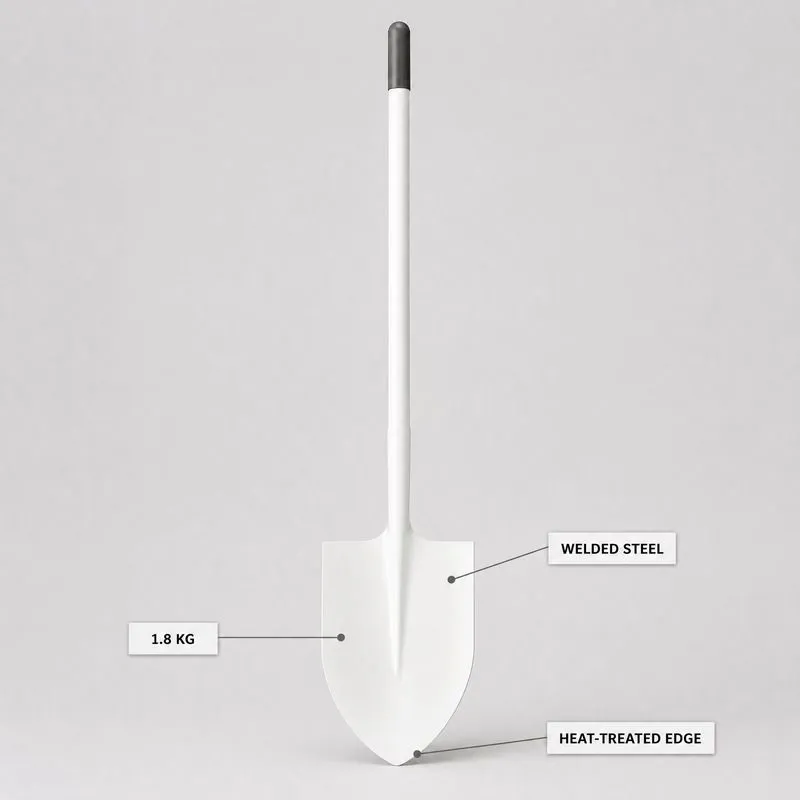
Penetration comes from a small contact area and a stiff blade.
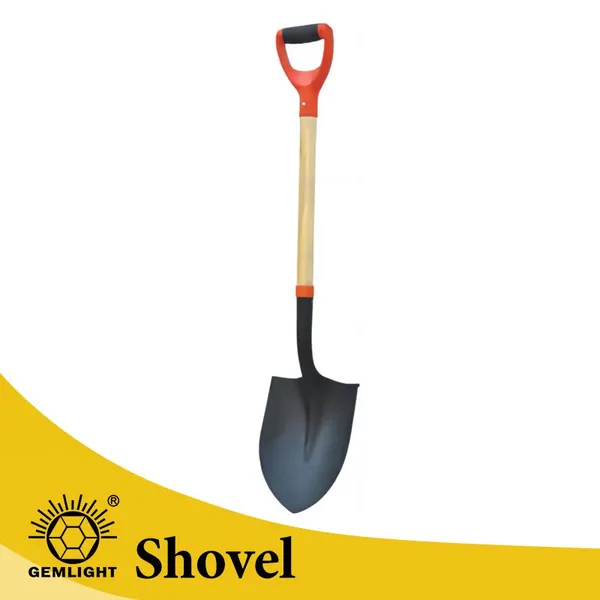
A narrow round point enters compacted ground best. The tip concentrates force, and the curved face pushes soil aside.
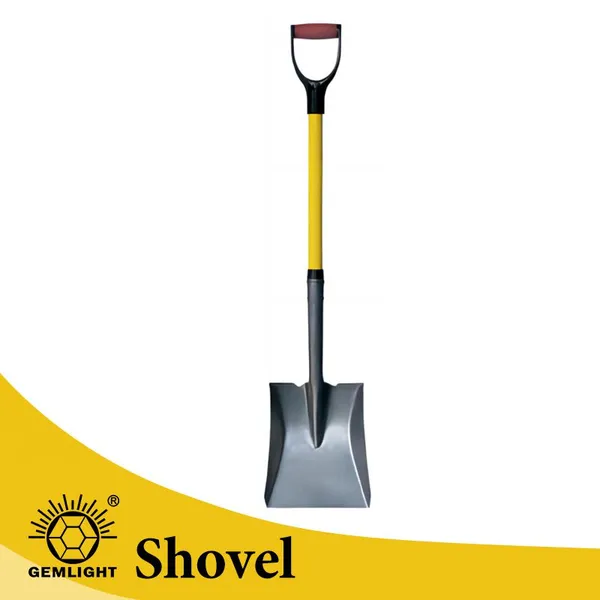
A wide square point on hard ground just bounces. It is the wrong tool, not a bad tool.
Blade length matters as much as width. Longer blades reach depth in fewer cuts, but they flex under load.
For rocky soil, a shorter and thicker blade survives better. It also gives the user more control around stones.
The edge profile is often overlooked. A ground or filed edge cuts roots; a blunt edge rides on top of the ground.
Ask whether the edge is sharpened after coating, not before. A sharpened edge under powder coat is a dull edge.
Hard ground is usually dry ground, and dry soil abrades steel faster than wet soil. The tip, not the edge, fails first.
How Much Head Weight Is Enough
Weight adds momentum, and momentum does the digging.
A light head bounces off clay. A heavy head sinks and keeps going, so the user works with gravity.
For heavy soil, a head between 1.6 and 2.0 kg is a practical range. Below 1.3 kg, the user supplies all the force.
Above 2.2 kg, fatigue arrives before the job ends. That matters when a worker digs for six hours.
A 1.8 kg head that lasts two seasons beats a 1.5 kg head replaced twice.
Weight must also sit in the right place. A head that is heavy at the socket and light at the edge feels dead.
Most of the mass should sit a few centimetres behind the cutting edge. That is where it does useful work.
Ask for the centre of gravity, or weigh the head and test it yourself. A cheap scale and a pivot point tell you plenty.
Steel and Heat Treatment That Stop Edge Rolling
Edge rolling is the most common failure in clay and stony ground.
The edge folds over instead of cutting, and the tool is finished. No amount of sharpening brings it back.
Two things prevent it: the right steel, and the right hardness at the edge.
Medium carbon steel such as 45# is the common base for pressed heads. It hardens predictably and holds an edge.
For tougher ground, some plants use 65Mn or a boron-treated sheet. Both resist wear better, and both cost more.
Hardness at the edge usually sits in the 42 to 50 HRC range. Softer than that and it rolls; harder than that and it chips.
The socket and shoulder should stay softer, around 25 to 35 HRC. That keeps the head from cracking under shock.
Ask for the hardness test method, not just the number. A figure with no scale and no test point means nothing.
Handle and Coating for Tough Ground
Hard ground breaks handles as often as blades.
Wood handles fail at the grain near the socket. A run of short grain turns into a clean snap there.
Hickory and ash resist shock better than light hardwoods. Both cost more, and both survive a contractor's week.
Check moisture content as well. Eight to twelve percent is a workable range for export.
Fiberglass handles take shock well and do not rot. They cost more, and they fail at the collar rather than the shaft.
Steel handles are the strongest and the heaviest. They suit contractors and municipal crews, not garden shelves.
Coating should be powder coat, not paint. Powder holds up to wet clay and cleans off with water.
A painted edge chips in the first week and rusts under the film. That rust shows before the blade wears.
Which Spec to Stock Per Market
Match the spec to the ground, not to the catalogue.
For clay and heavy loam, choose a medium round point of 1.6 kg and up. Add a hardened edge and a hickory or fiberglass handle.
For rocky ground, choose a shorter, thicker blade with a slightly softer edge. A hard edge chips on stone; a softer edge dents and keeps cutting.
For dry sandy soil, weight matters less. A lighter head, a longer handle and a durable coating sell better there.
For mixed markets, stock two grades. A standard model for price-sensitive retail, and a heavy model for professionals.
Label them clearly. A buyer who cannot tell the grades apart will always choose the cheaper one.
The heavy model sells in small volume and carries the margin. The standard model pays the freight.
Then check the sample against the spec yourself. Dig a hole in the hardest ground you can find, and look at the edge.
Five minutes of digging tells you more than a page of specification. Write what you learn into the PO as plain sentences.
Send us a soil description and we will match a blade profile, hardness and handle to it.
Recently Posted
-
Container Loading for Shovels: How Many Fit in a 20ft and 40ft
November 16, 2026Container Loading for Shovels: How Many Fit in a 20ft and 40ft"How many shovels fit in a container" sounds like a simple Read More
-
How Shovel Prices Are Calculated: Steel, Handle, Coating and Labour
November 16, 2026How Shovel Prices Are Calculated: Steel, Handle, Coating and LabourA shovel quotation usually arrives as one number per piece. It Read More
-
Shovel Eye and Handle Tolerance: How to Avoid Loose or Cracked Fittings
November 16, 2026Shovel Eye and Handle Tolerance: How to Avoid Loose or Cracked FittingsA head that wobbles in month three is rarely a steel proble Read More
-
D-Grip, T-Handle or Long Handle: Choosing Shovel Handles by Market
November 16, 2026D-Grip, T-Handle or Long Handle: Choosing Shovel Handles by MarketThe head sells the first order. The handle decides whether the c Read More

Contact Us
Recommended Products
-
 Heavy Duty Cane Knife Machete for Wholesale Buyers Factory Direct Export for Rural Agricultural Projects Durable Hand ToolNegotiableMOQ: 1200 Pieces
-
Agricultural Hoe Head Garden Rail Steel Tool for Tough Soil Cheap Price Hand ToolsUS$ 1.07 - 1.27MOQ: 1200 Pieces
-
Sturdy Rail Steel Hoe for Weeding, H305 Perfect for Agricultural and Garden TasksUS$ 1.07 - 1.27MOQ: 1200 Pieces
-
Heavy Duty Manganese Steel Garden Shovel Round Point Digging Shovel With Wooden Handle Farm Tool SupplierUS$ 2.14 - 2.36MOQ: 1200 Pieces
-
Big Shovel Wide Shovel Mud Shovel Heavy Duty Steel Blade for Farm Drainage Soil Moving Cleaning and Landscaping UseUS$ 2.14 - 2.36MOQ: 1200 Pieces
-
Strong Teeth Soil Rake for Farm Tool Suppliers Private Label Export for Farm Maintenance African Distribution Factory Bulk OrderUS$ 0.88 - 1.35MOQ: 2000 Pieces
-
Manual Cane Knife Machete for Wholesale Buyers Factory Direct Export for Rural Agricultural Projects Durable Hand ToolNegotiableMOQ: 1200 Pieces
-
Large High Carbon Steel Machete Knife Agricultural Machete for Farming Bush Cutting Garden Tool SupplierNegotiableMOQ: 1200 Pieces
-
Wholesale Heavy Duty Pick Mattock for Mining Road Work and Farm Digging for Wholesale Tool Dealers With Bulk Order ServiceUS$ 1.85 - 2.3MOQ: 1200 Pieces
-
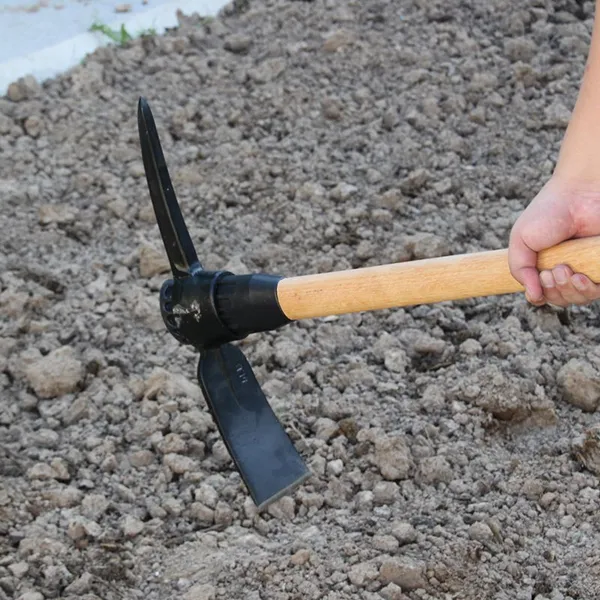
Carbon Steel Manual Pickaxe for Hard Soil Breaking and Trenching for African Importers With OEM Bulk Order Support Agricultural ToolUS$ 1.85 - 2.3MOQ: 1200 Pieces
-
OEM Farm Sickle With Sharp Blade for African Importers OEM Bulk Order Support for Harvesting and Smallholder Farming for Wholesale BUS$ 0.28 - 0.33MOQ: 3000 Pieces
-
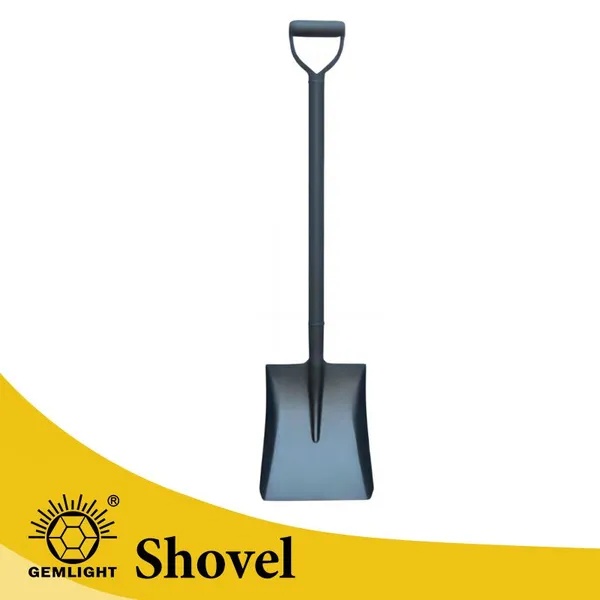
Heavy Duty Manganese Steel Round Point Shovel Garden Digging Shovel With Wooden Handle Agricultural Tool ManufacturerUS$ 2.14 - 2.36MOQ: 1200 Pieces
-
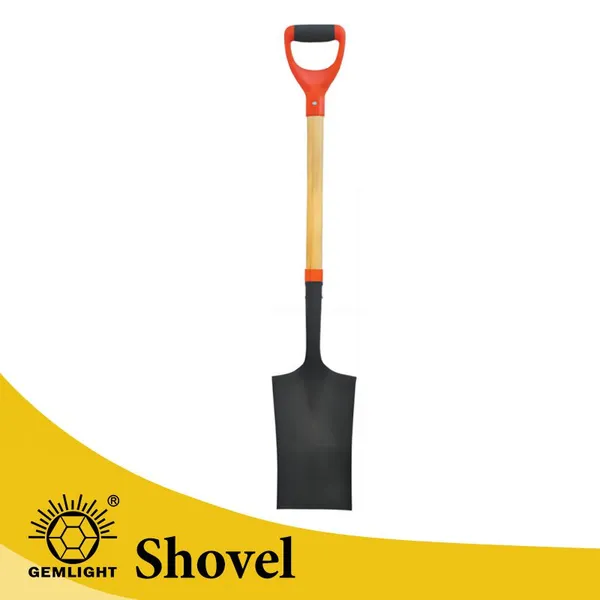
Farm Shovel Factory Supply for Regional Import Distributors Bulk Wholesale Supply for Garden Work and Trenching for Agricultural DealersUS$ 2.14 - 2.36MOQ: 1200 Pieces
-
Heavy Duty Garden Rake for African Importers OEM Factory Supply for Agricultural Use African Market Factory Bulk OrderUS$ 0.88 - 1.35MOQ: 2000 Pieces
-
Agricultural Soil Rake for Agricultural Dealers Export Supply for Garden Cleaning African Dealer Channels Factory Bulk OrderUS$ 0.88 - 1.35MOQ: 2000 Pieces
-
Manual Farm Machete for African Importers OEM Factory Supply for Farming and Land Clearing Durable Hand ToolNegotiableMOQ: 1200 Pieces
-
Large Heavy Duty Carbon Steel Garden Landscaping Digging HoeUS$ 1.07 - 1.27MOQ: 1200 Pieces
-
Heavy Duty Rail Steel Mattock Pick Axe With Wooden Handle for Digging Soil Mining and Agricultural Tool SupplierUS$ 1.85 - 2.3MOQ: 1200 Pieces
-
Forged Farm Sickle With Sharp Blade for African Importers OEM Bulk Order Support for Harvesting and Smallholder Farming for WholesalUS$ 0.28 - 0.33MOQ: 3000 Pieces
-
Strong Carbon Steel Farming Sickle for Uganda Tanzania Zambia Agricultural Tool DistributorsUS$ 0.34 - 0.47MOQ: 3000 Pieces