
 Business License

HS Code for Shovels (8201.10) and What Importers Should Know About Duty
HS Code for Shovels (8201.10) and What Importers Should Know About Duty
The classification part is easy. Hand shovels and spades sit in HS 8201.10.
The hard part is what your country does with that number. Duty depends on your tariff schedule, not on the Chinese supplier.
Here is how the heading works, where the neighbouring codes start, and what to have ready at the border.
None of this replaces your licensed broker's advice. It gives you enough knowledge to ask better questions before a container moves.
How Shovels Fall Under 8201.10
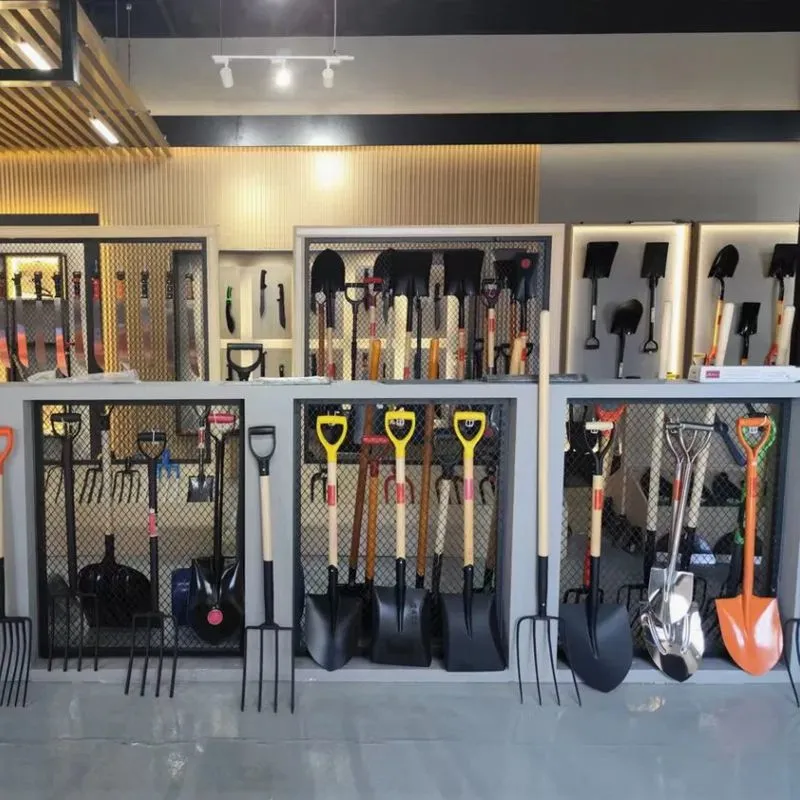
Heading 8201 covers hand tools used in agriculture, horticulture and forestry: spades, shovels, mattocks, picks, hoes, forks and rakes.
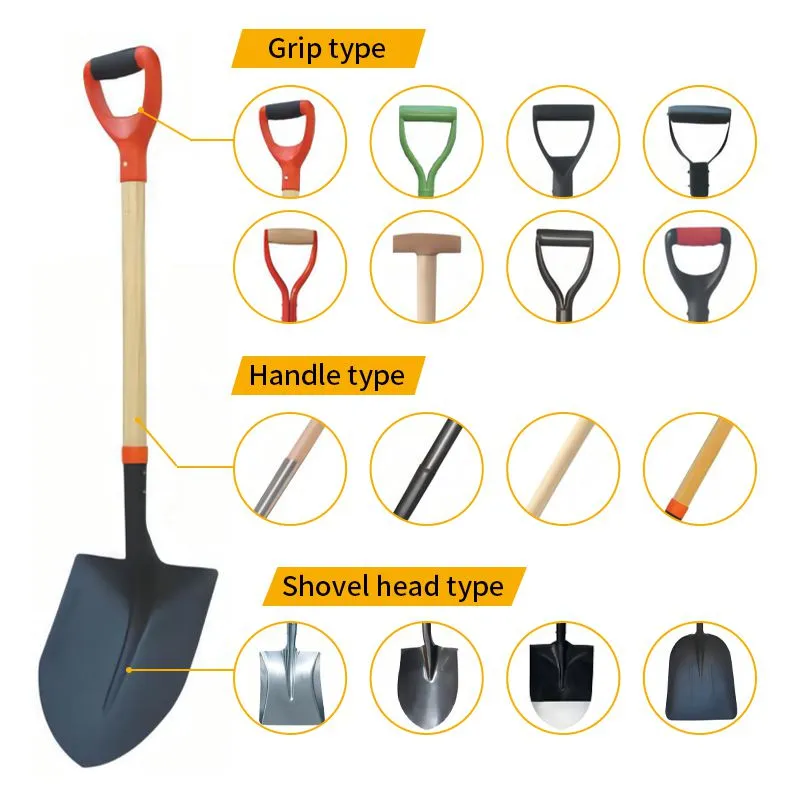
The subheading 8201.10 covers spades and shovels specifically. A pressed steel head and a forged head both fall here.
The handle does not change the code. A shovel with a wooden handle is still 8201.10, not a wood product.
That matters because misclassification is a common and expensive mistake at the border. Wood in the product is not the same as wood as packaging.
Most countries keep 8201.10 at an eight or ten digit national level. Check the national tariff line, not just the six digit code.
Schedules are updated, so read the current version. A code copied from an old blog post is a risk, not a reference.
Declare the product by what it does, not by how it looks. A hand shovel is a digging tool with a blade and a handle.
Where the 8201.10 and 8201.30 Line Sits
Two neighbouring lines cause most of the confusion.
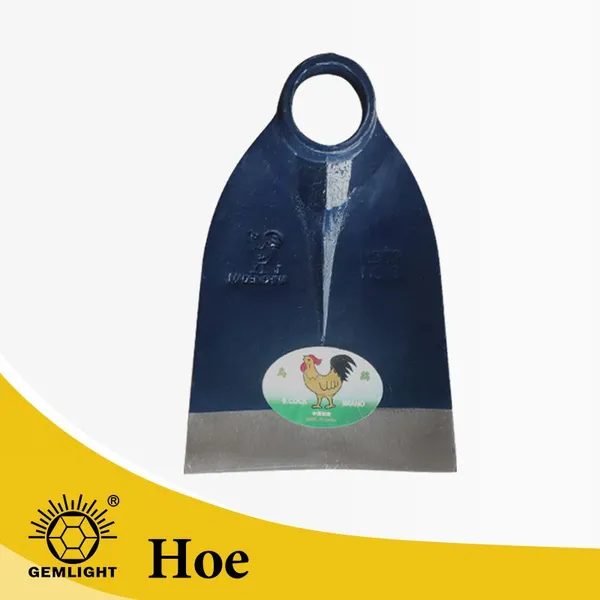
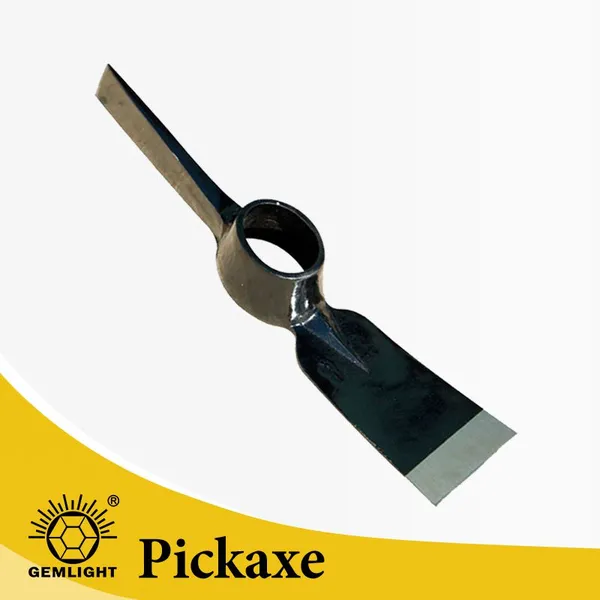
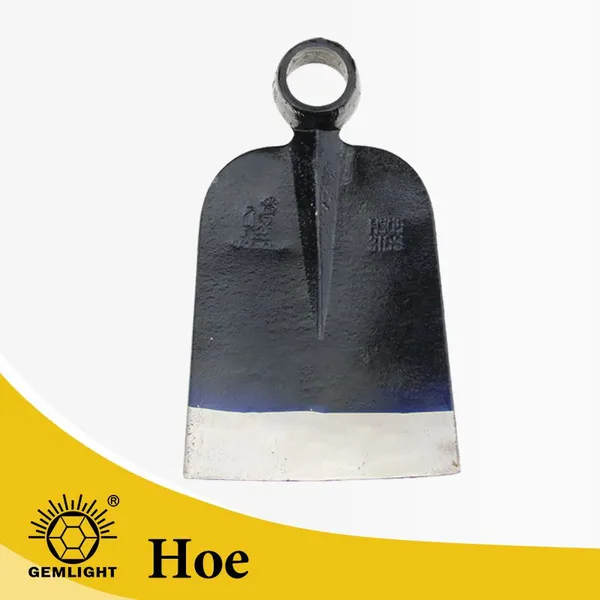
8201.30 covers mattocks, picks, hoes and rakes. A hoe is not a shovel, even when it is sold in the same catalogue.
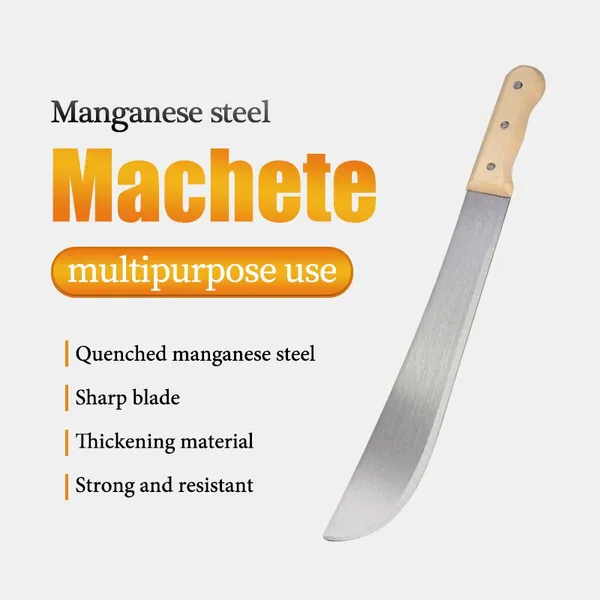
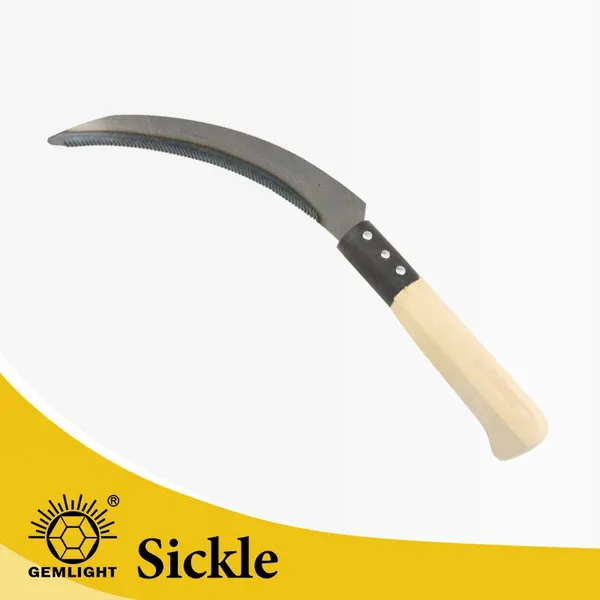
8201.40 covers axes and bill hooks. A cutting tool with a heavy head sits there, not with the shovels.
8201.90 is the residual line for other hand tools of the heading. Small trowels and some specialty tools land there in several countries.
Scoop shovels and grain scoops still classify as shovels. The blade is wide and flat, but the function is the same.
Snow shovels are treated differently by different customs authorities. Some accept 8201.10, others use a national line. Ask your broker before the first shipment.
Toy shovels leave the chapter entirely. If it is made for play, it belongs in chapter 95, and the duty is different again.
A kit with several tools needs several lines. One code for a whole kit invites a reclassification.
What Decides Your Duty Rate
Your own country's tariff schedule sets the rate. The Chinese side does not.
Most markets apply an MFN rate to Chinese origin goods. That is the starting point in the tariff book.
A trade agreement can lower it. If your country has a free trade arrangement with China, a valid certificate of origin may cut the rate.
RCEP members, for example, can claim preferential treatment on many goods when the origin rules are met. The paperwork must be right.
Some markets apply additional duties on certain Chinese goods. Check whether your tariff line is covered before you price the order.
Anti-dumping and safeguard measures also exist in some product categories. Confirm that none covers 8201.10 in your market.
Import VAT or GST is separate from duty, and it is usually recoverable for a registered business. It is still cash out at the border.
Some countries issue binding tariff rulings. A ruling costs little and removes the guesswork on a new line.
Documents That Speed Up Clearance
Clearance slows down when documents disagree with each other.
Start with a commercial invoice that names the product clearly, with material and use. "Hand shovel, carbon steel head, wooden handle, agricultural use" is a good description.
Add a packing list with cartons, dimensions, weights and marks. It must match the container plan.
The bill of lading carries the shipper, consignee and description. Keep the description consistent with the invoice.
A certificate of origin is needed when you claim preference. Without it, you pay the standard rate.
Origin rules are not about the shipping route. Preference depends on where the goods were substantially transformed.
Wood packaging needs the ISPM 15 mark. That is a pallet and crate issue, not a product issue, and it is checked at the border.
Insurance and any inspection certificate complete the set. Missing one document can hold a container for days.
Mistakes That Trigger Delays
Most delays are self-inflicted, and most are avoidable.
The first is a vague description such as "garden tools" on the invoice. Customs cannot classify a category.
The second is one code for a mixed carton. If the carton holds shovels and hoes, the lines differ and so may the rate.
The third is declaring a wooden handle as plastic to avoid questions. That is a misdeclaration, and it is treated seriously.
The fourth is a value that does not match the price term. FOB and CIF values cannot be the same number.
The fifth is a missing ISPM 15 stamp on pallets. It is cheap to fix at origin and slow and costly to fix at destination.
Send us your destination country and the tariff line you plan to use, and we will check the product description against it.
Keep mill certificates and production records on file. Origin audits can ask for them years after the shipment.
Get the classification agreed with your broker in writing. Do that before you commit to a retail price.
Recently Posted
-
Certifications and Test Reports to Request from a Shovel Supplier
November 17, 2026Certifications and Test Reports to Request from a Shovel SupplierA shovel is a simple product. Most of what a serious buyer needs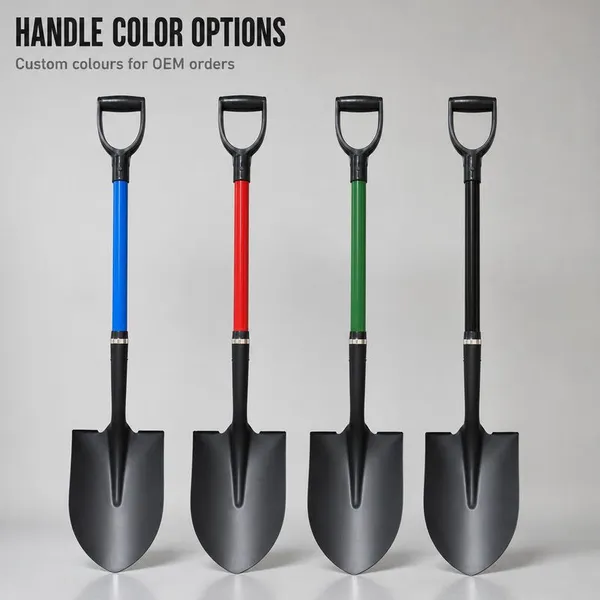 Read More
-
Container Loading for Shovels: How Many Fit in a 20ft and 40ft
November 16, 2026Container Loading for Shovels: How Many Fit in a 20ft and 40ft"How many shovels fit in a container" sounds like a simple Read More
-
How Shovel Prices Are Calculated: Steel, Handle, Coating and Labour
November 16, 2026How Shovel Prices Are Calculated: Steel, Handle, Coating and LabourA shovel quotation usually arrives as one number per piece. It Read More
-
Agricultural Shovel MOQ from China: Minimum Order and Trial Order Options
November 16, 2026Agricultural Shovel MOQ from China: Minimum Order and Trial Order OptionsMOQ is the first question most importers ask, and the mos Read More

Contact Us
Recommended Products
-
 Heavy Duty Cane Knife Machete for Wholesale Buyers Factory Direct Export for Rural Agricultural Projects Durable Hand ToolNegotiableMOQ: 1200 Pieces
-
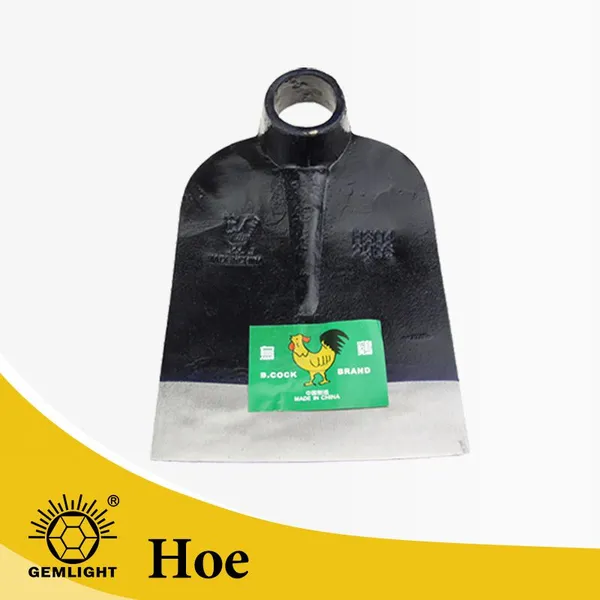
Agricultural Hoe Head Garden Rail Steel Tool for Tough Soil Cheap Price Hand ToolsUS$ 1.07 - 1.27MOQ: 1200 Pieces
-
Sturdy Rail Steel Hoe for Weeding, H305 Perfect for Agricultural and Garden TasksUS$ 1.07 - 1.27MOQ: 1200 Pieces
-
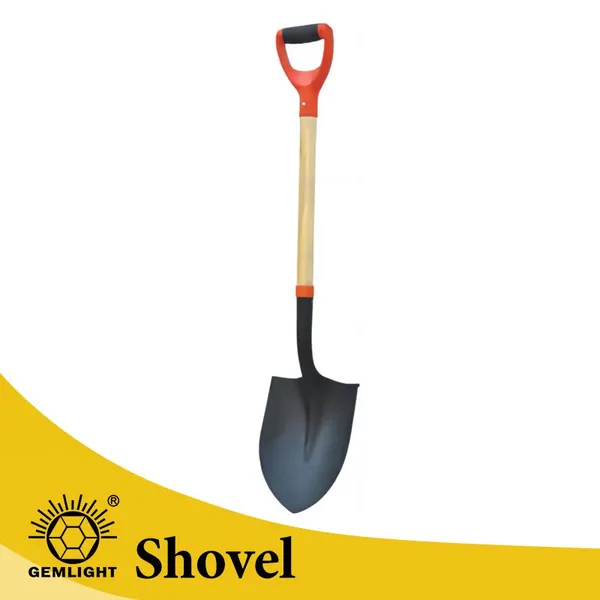
Heavy Duty Manganese Steel Garden Shovel Round Point Digging Shovel With Wooden Handle Farm Tool SupplierUS$ 2.14 - 2.36MOQ: 1200 Pieces
-
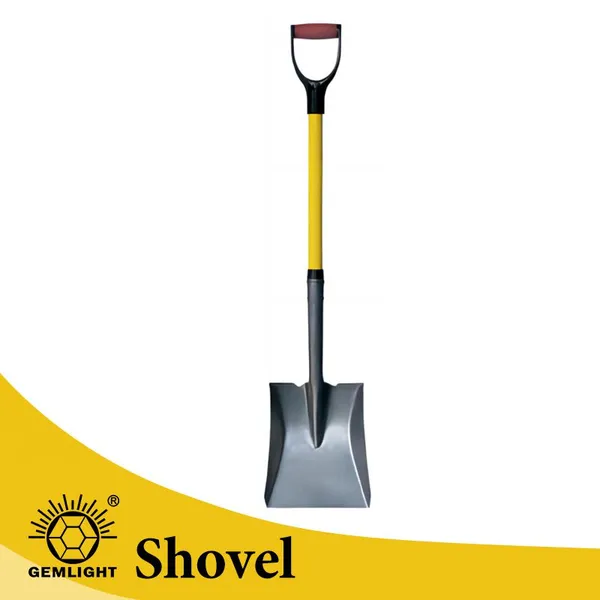
Big Shovel Wide Shovel Mud Shovel Heavy Duty Steel Blade for Farm Drainage Soil Moving Cleaning and Landscaping UseUS$ 2.14 - 2.36MOQ: 1200 Pieces
-
Strong Teeth Soil Rake for Farm Tool Suppliers Private Label Export for Farm Maintenance African Distribution Factory Bulk OrderUS$ 0.88 - 1.35MOQ: 2000 Pieces
-
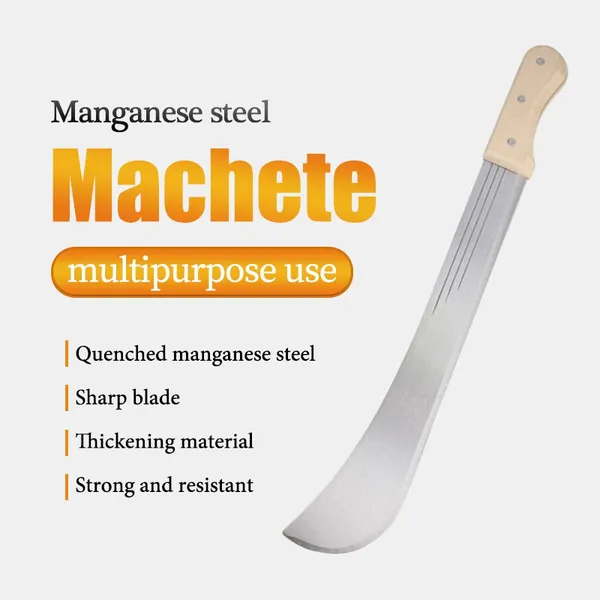
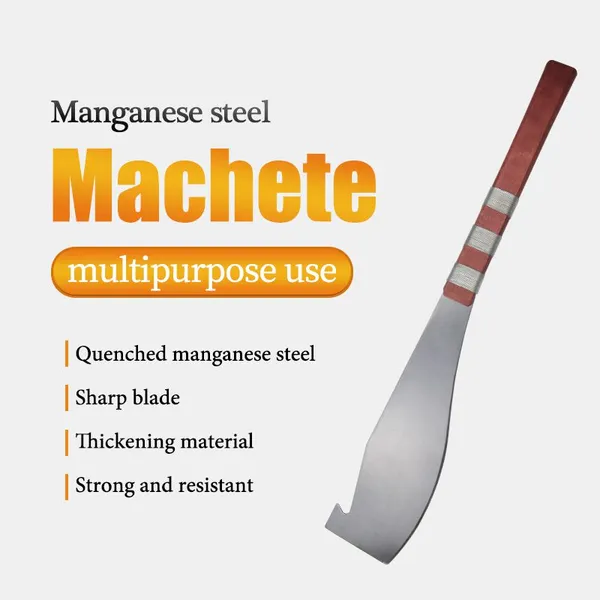
Manual Cane Knife Machete for Wholesale Buyers Factory Direct Export for Rural Agricultural Projects Durable Hand ToolNegotiableMOQ: 1200 Pieces
-
Large High Carbon Steel Machete Knife Agricultural Machete for Farming Bush Cutting Garden Tool SupplierNegotiableMOQ: 1200 Pieces
-
Wholesale Heavy Duty Pick Mattock for Mining Road Work and Farm Digging for Wholesale Tool Dealers With Bulk Order ServiceUS$ 1.85 - 2.3MOQ: 1200 Pieces
-
Carbon Steel Manual Pickaxe for Hard Soil Breaking and Trenching for African Importers With OEM Bulk Order Support Agricultural ToolUS$ 1.85 - 2.3MOQ: 1200 Pieces

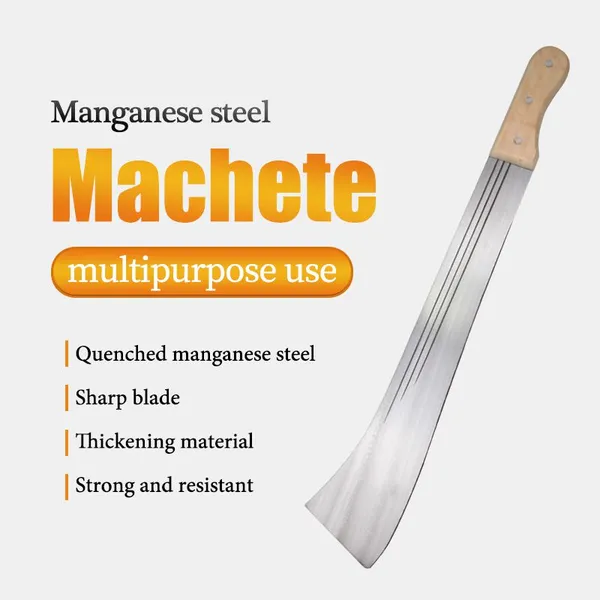
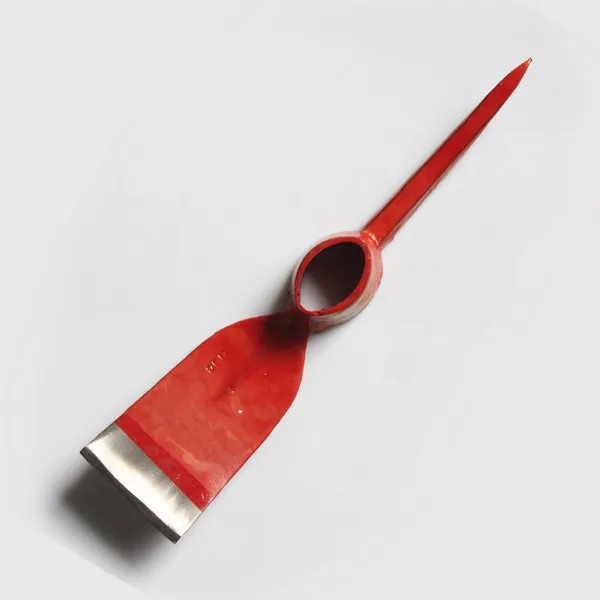
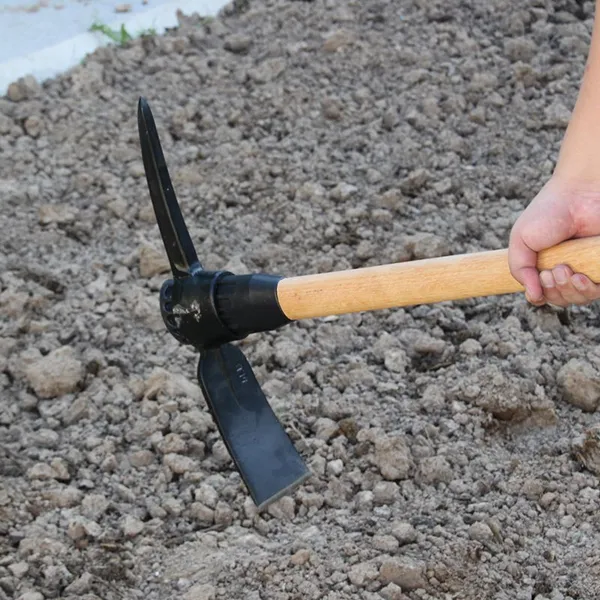
-
OEM Farm Sickle With Sharp Blade for African Importers OEM Bulk Order Support for Harvesting and Smallholder Farming for Wholesale BUS$ 0.28 - 0.33MOQ: 3000 Pieces
-
Heavy Duty Manganese Steel Round Point Shovel Garden Digging Shovel With Wooden Handle Agricultural Tool ManufacturerUS$ 2.14 - 2.36MOQ: 1200 Pieces
-
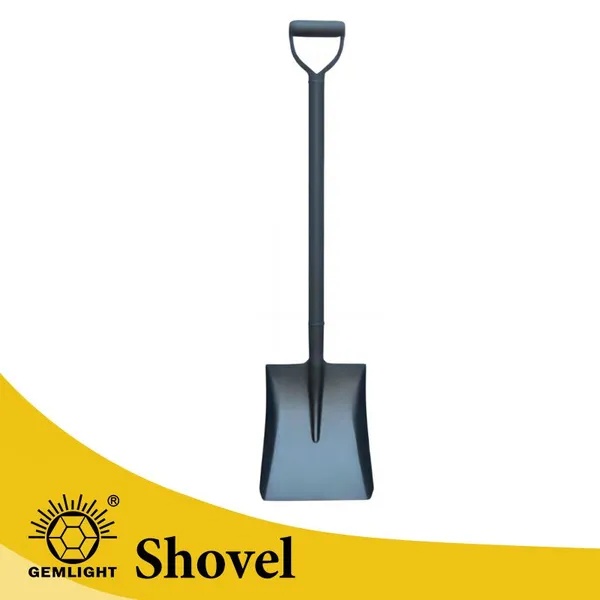
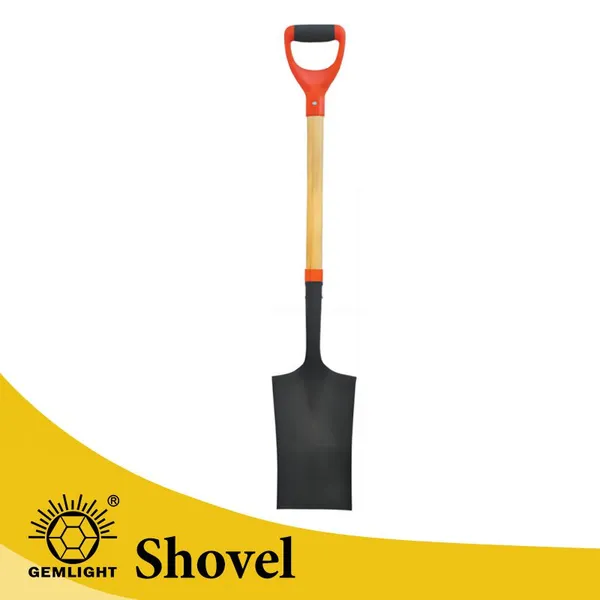
Farm Shovel Factory Supply for Regional Import Distributors Bulk Wholesale Supply for Garden Work and Trenching for Agricultural DealersUS$ 2.14 - 2.36MOQ: 1200 Pieces
-
Heavy Duty Garden Rake for African Importers OEM Factory Supply for Agricultural Use African Market Factory Bulk OrderUS$ 0.88 - 1.35MOQ: 2000 Pieces
-
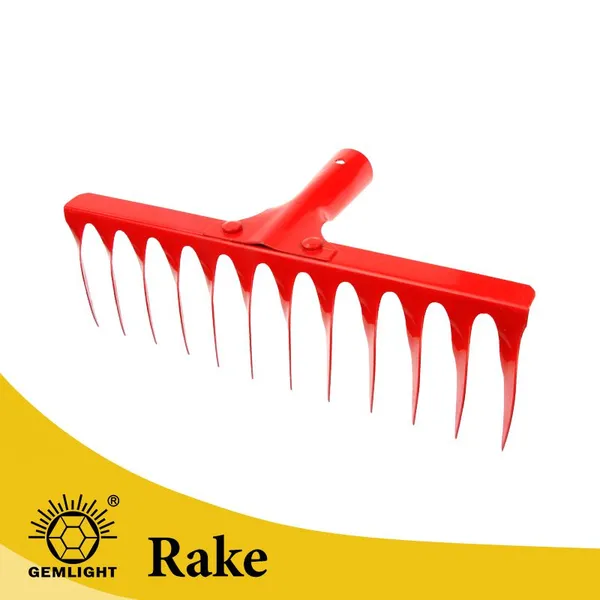
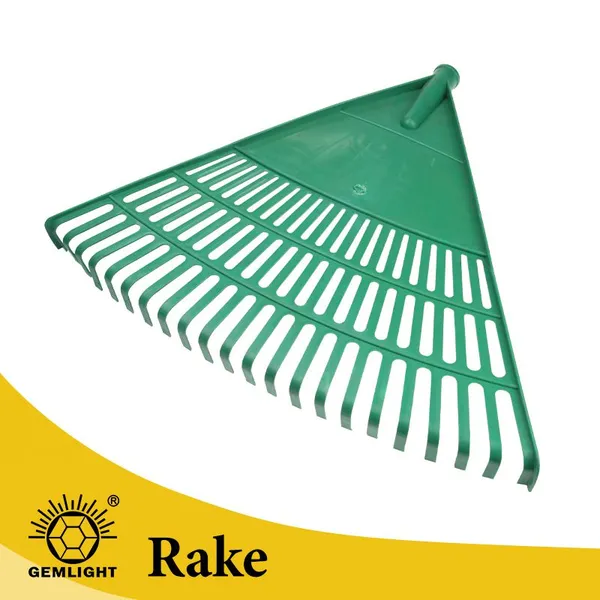
Agricultural Soil Rake for Agricultural Dealers Export Supply for Garden Cleaning African Dealer Channels Factory Bulk OrderUS$ 0.88 - 1.35MOQ: 2000 Pieces
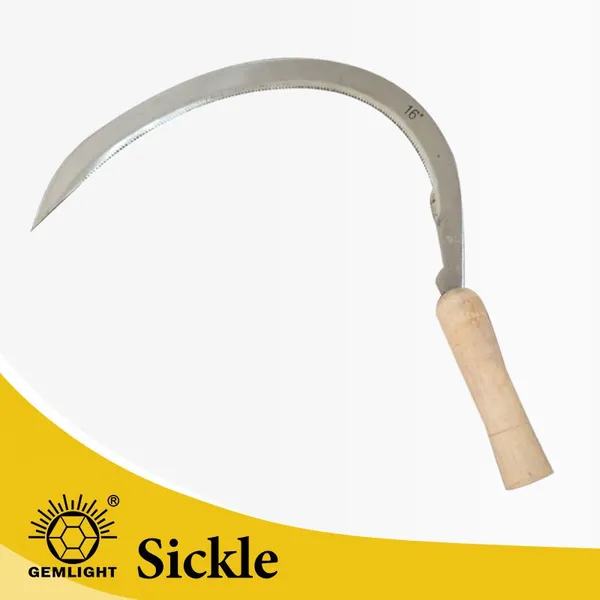
-
Manual Farm Machete for African Importers OEM Factory Supply for Farming and Land Clearing Durable Hand ToolNegotiableMOQ: 1200 Pieces
-
Large Heavy Duty Carbon Steel Garden Landscaping Digging HoeUS$ 1.07 - 1.27MOQ: 1200 Pieces
-
Heavy Duty Rail Steel Mattock Pick Axe With Wooden Handle for Digging Soil Mining and Agricultural Tool SupplierUS$ 1.85 - 2.3MOQ: 1200 Pieces
-
Forged Farm Sickle With Sharp Blade for African Importers OEM Bulk Order Support for Harvesting and Smallholder Farming for WholesalUS$ 0.28 - 0.33MOQ: 3000 Pieces
-
Strong Carbon Steel Farming Sickle for Uganda Tanzania Zambia Agricultural Tool DistributorsUS$ 0.34 - 0.47MOQ: 3000 Pieces