
 Business License

Agricultural Shovel MOQ from China: Minimum Order and Trial Order Options
Agricultural Shovel MOQ from China: Minimum Order and Trial Order Options
MOQ is the first question most importers ask, and the most misleading answer they get.
There is no single number, because MOQ follows what you change. Nothing changed is one price. A new logo is another.
Here is how the tiers actually work in a shovel plant, and how to test the market without buying a full container.
What MOQ Applies to Standard Models
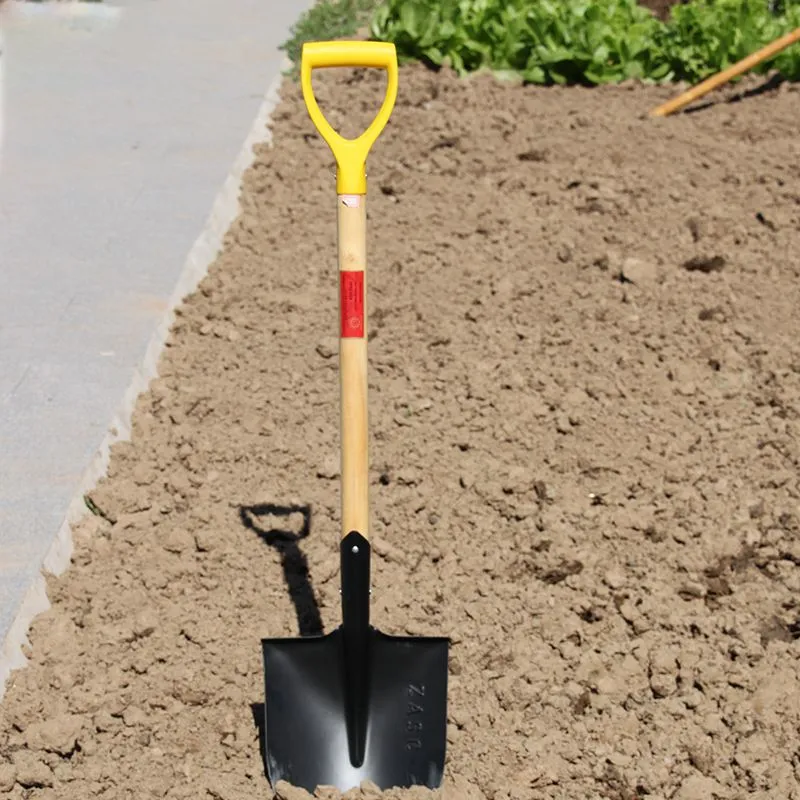
For stock models, per-model minimums are usually modest. Three hundred to five hundred pieces is common.
The real limit is often the order total, not the model. Many plants prefer a minimum value or a minimum container.
That is because a production run has a setup cost. Pressing dies, coating colour, handle batches and cartons all need changing.
Below a few hundred pieces, the setup is spread over too few units. The per-piece price rises quickly.
Above one thousand pieces per model, the setup nearly disappears from the unit cost. That is where price improves most.
MOQ also depends on the handle. Fiberglass and hardwood have their own minimums, separate from the head.
So ask two questions, not one. What is the per-model minimum, and what is the minimum order value or volume?
A supplier who answers only the first question is usually quoting from a catalogue, not from a production plan.
Can You Mix Types and Handles?
Yes, and most first orders do.
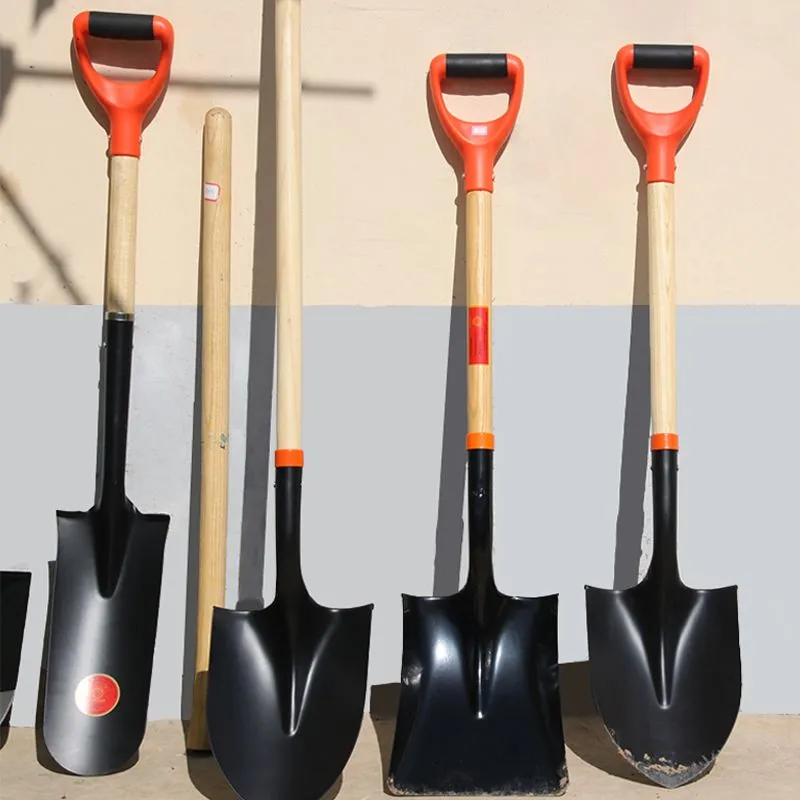
A mixed container commonly carries three to six models, each at three hundred to five hundred pieces.
Mixing is easy when the models share a socket and a handle length. Then packing and spare parts stay simple.
Mixing is harder across handle lengths. Long handles and short handles cannot share a carton.
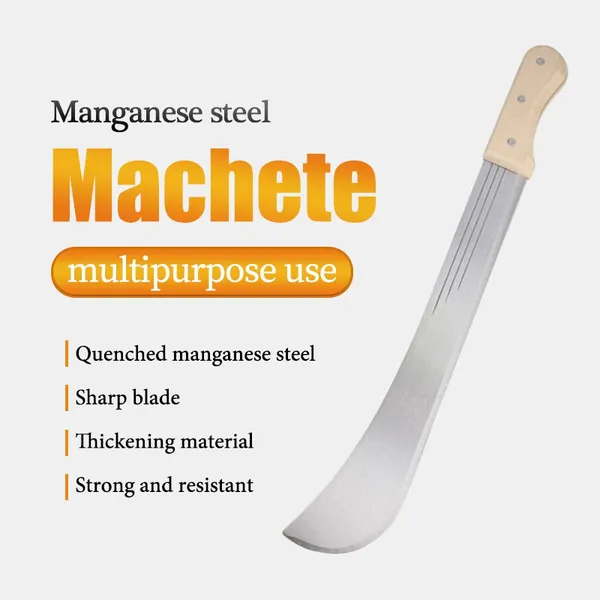
Colour also splits a mixed order. Each coating colour has a minimum batch, because the line must be cleaned between colours.
Cartons carry a print minimum as well, often around one thousand pieces. That number can set your real MOQ.
So plan the mix along two lines: same handle length, same colour. Everything else can vary.
Then ask for a packing list per model before you confirm. It shows cartons, dimensions and total volume for the mix.
If your market is small, ask for stock cartons with a printed sticker label. It keeps the order small and the look clean.
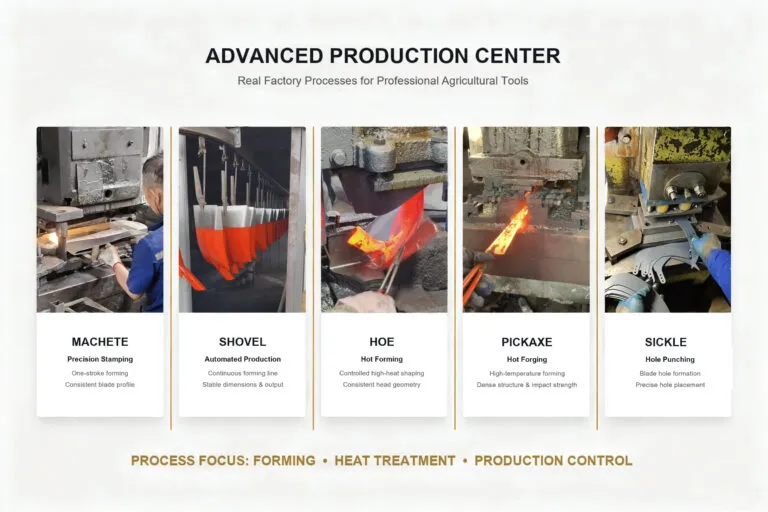
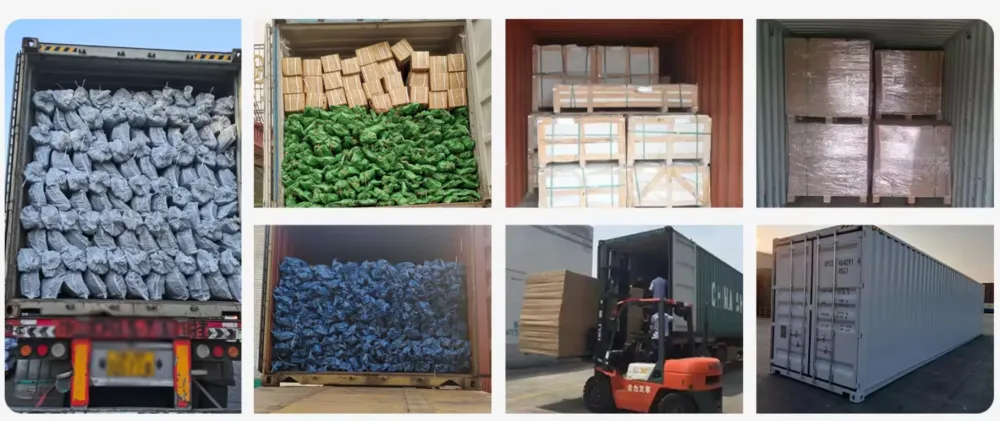
The Three MOQ Tiers We Quote
Most plants work on three tiers, and ours is no different.
Tier one is stock specification. Standard head, standard handle, our carton, our colour. Three hundred to five hundred pieces per model.
Tier two adds a logo or a custom colour. That usually starts around one thousand pieces per model, because of printing setup.
Tier three is custom packaging or a changed head shape. That starts higher, often two thousand to three thousand pieces, plus tooling.
Lead time moves with the tier as well. Stock runs can ship in three to four weeks, custom packaging in five to seven.
Treat these as planning numbers, not promises. Every plant sets its own, and the right answer depends on the head size and the handle.
Ask for the tier structure in writing with the quotation. It makes negotiation much faster later.
Structuring a First Trial Order
The cheapest first order is not the smallest one. It is the one that tests the market without wasting freight.
For most new buyers, a small LCL shipment of two models works better than a full container of one.
Take three hundred pieces of a round point and three hundred of a square point, in one handle length and one colour.
That volume is enough to fill several retail stores or an online listing, and small enough to survive a slow season.
Ask for the trial timeline in weeks, not days. Coating, drying and handle fitting all take real calendar time.
Ask for a pre-shipment inspection and photos of the packed cartons. At this size, a bad batch is a total loss.
Payment terms usually run thirty percent deposit and seventy percent before shipment. Do not pay the balance before inspection.
Then reorder the winner by container. The trial has done its job once you know which model sells.
A trial should also test documents and packing, not only the product. That is where the delays usually hide.
When a Small Order Is Not Worth It
Below roughly two hundred pieces, importing rarely makes sense, unless the product is a premium item.
Freight per piece, inspection fees, bank charges and customs handling do not shrink with the order size.
They stay almost fixed, and they often exceed the product cost on a tiny shipment.
At that size, buying from a distributor in your region is cheaper and faster. You lose margin, and you gain market data.
There is a middle path too. Ask a consolidator to add your cartons to a mixed container they already ship.
You get factory pricing without a container commitment, at the cost of a service fee and less control over timing.
Small LCL freight is charged by volume with a minimum charge. Check that minimum before you build the budget.
Then move to a direct order once you know the model, the acceptable price and the reorder rate. Those three answers decide your tier.
Send us your first-order budget and target market, and we will tell you which tier fits without wasting freight.
Recently Posted
-
Certifications and Test Reports to Request from a Shovel Supplier
November 17, 2026Certifications and Test Reports to Request from a Shovel SupplierA shovel is a simple product. Most of what a serious buyer needs Read More
-
HS Code for Shovels (8201.10) and What Importers Should Know About Duty
November 17, 2026HS Code for Shovels (8201.10) and What Importers Should Know About DutyThe classification part is easy. Hand shovels and spades si Read More
-
Container Loading for Shovels: How Many Fit in a 20ft and 40ft
November 16, 2026Container Loading for Shovels: How Many Fit in a 20ft and 40ft"How many shovels fit in a container" sounds like a simple Read More
-
How Shovel Prices Are Calculated: Steel, Handle, Coating and Labour
November 16, 2026How Shovel Prices Are Calculated: Steel, Handle, Coating and LabourA shovel quotation usually arrives as one number per piece. It Read More

Contact Us
Recommended Products
-
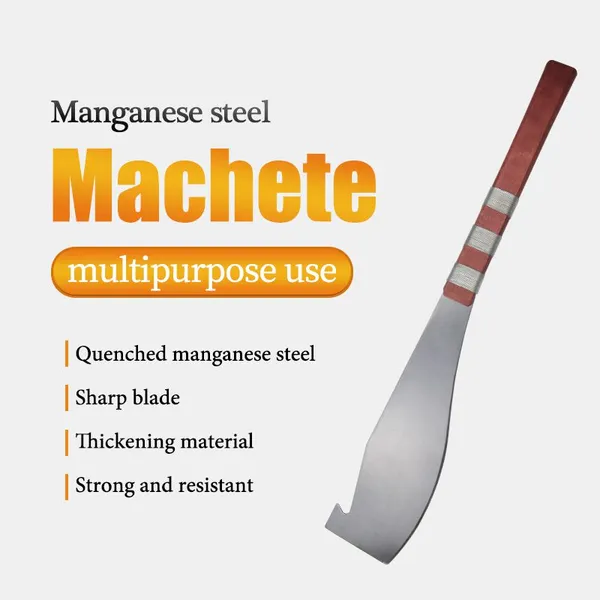
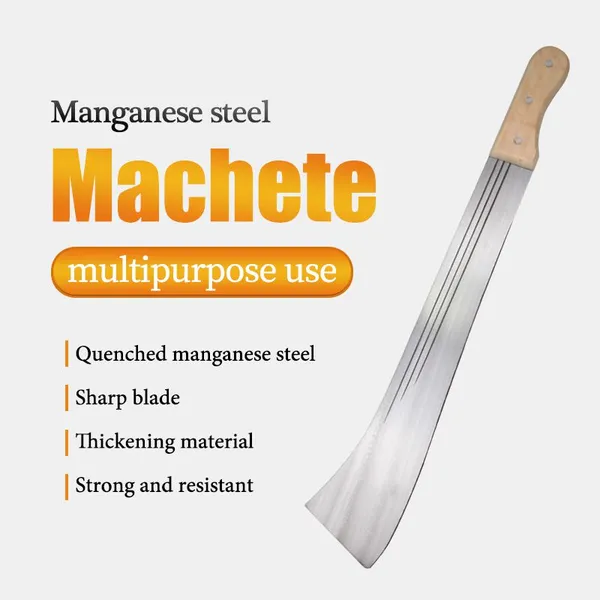
 Heavy Duty Cane Knife Machete for Wholesale Buyers Factory Direct Export for Rural Agricultural Projects Durable Hand ToolNegotiableMOQ: 1200 Pieces
-
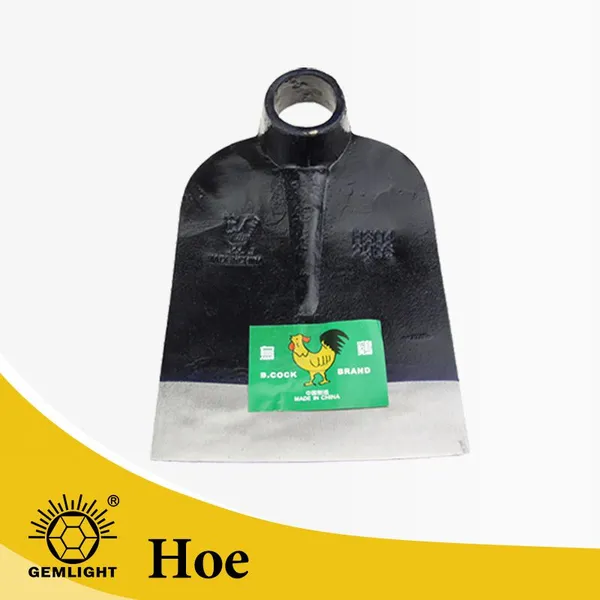
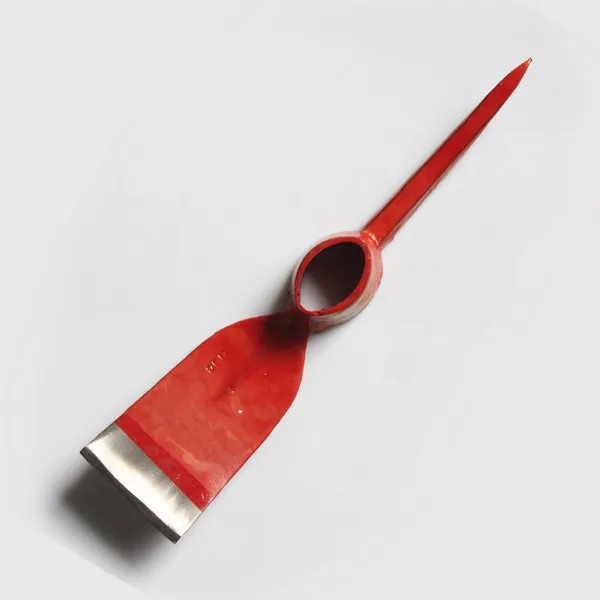
Agricultural Hoe Head Garden Rail Steel Tool for Tough Soil Cheap Price Hand ToolsUS$ 1.07 - 1.27MOQ: 1200 Pieces
-
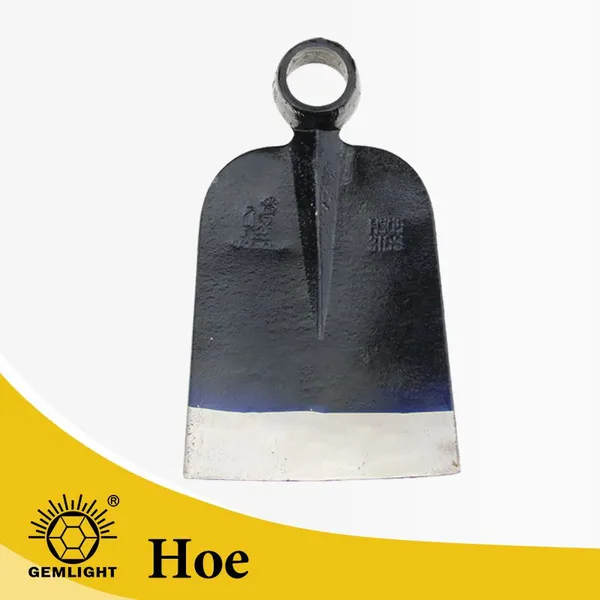
Sturdy Rail Steel Hoe for Weeding, H305 Perfect for Agricultural and Garden TasksUS$ 1.07 - 1.27MOQ: 1200 Pieces
-
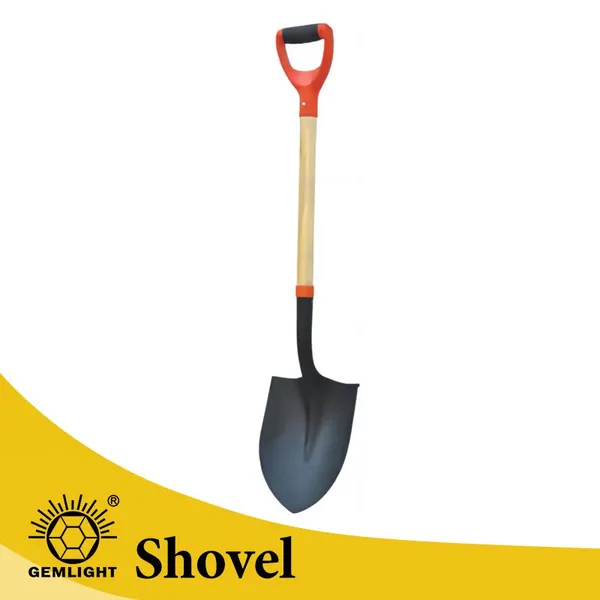
Heavy Duty Manganese Steel Garden Shovel Round Point Digging Shovel With Wooden Handle Farm Tool SupplierUS$ 2.14 - 2.36MOQ: 1200 Pieces
-
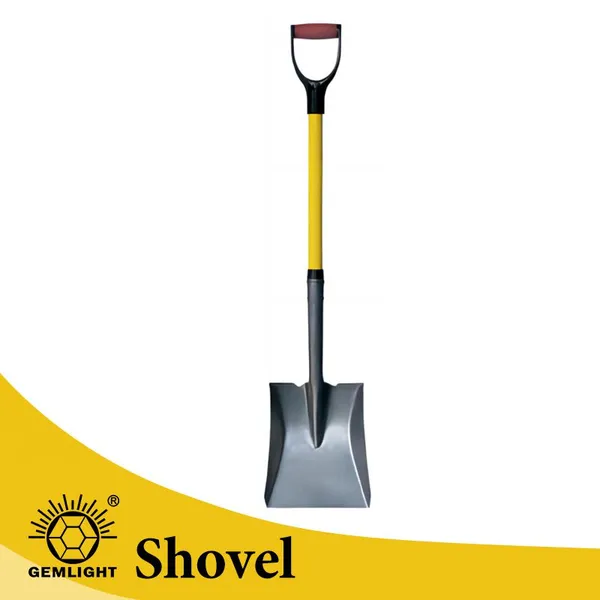
Big Shovel Wide Shovel Mud Shovel Heavy Duty Steel Blade for Farm Drainage Soil Moving Cleaning and Landscaping UseUS$ 2.14 - 2.36MOQ: 1200 Pieces
-
Strong Teeth Soil Rake for Farm Tool Suppliers Private Label Export for Farm Maintenance African Distribution Factory Bulk OrderUS$ 0.88 - 1.35MOQ: 2000 Pieces
-
Manual Cane Knife Machete for Wholesale Buyers Factory Direct Export for Rural Agricultural Projects Durable Hand ToolNegotiableMOQ: 1200 Pieces
-
Large High Carbon Steel Machete Knife Agricultural Machete for Farming Bush Cutting Garden Tool SupplierNegotiableMOQ: 1200 Pieces
-
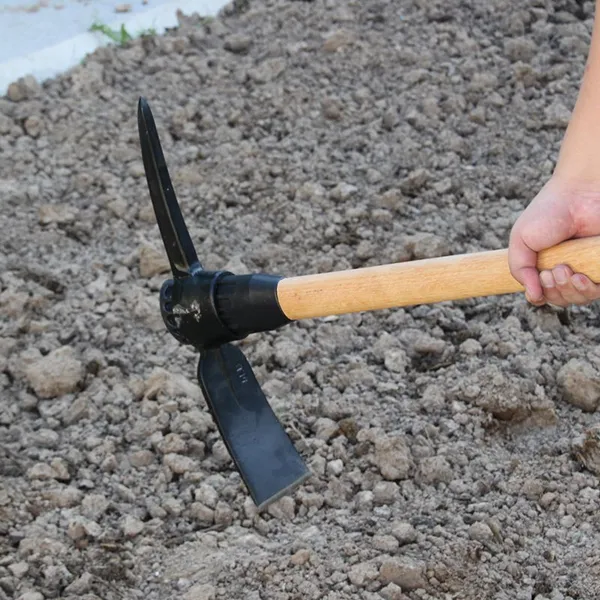
Wholesale Heavy Duty Pick Mattock for Mining Road Work and Farm Digging for Wholesale Tool Dealers With Bulk Order ServiceUS$ 1.85 - 2.3MOQ: 1200 Pieces
-
Carbon Steel Manual Pickaxe for Hard Soil Breaking and Trenching for African Importers With OEM Bulk Order Support Agricultural ToolUS$ 1.85 - 2.3MOQ: 1200 Pieces

-
OEM Farm Sickle With Sharp Blade for African Importers OEM Bulk Order Support for Harvesting and Smallholder Farming for Wholesale BUS$ 0.28 - 0.33MOQ: 3000 Pieces
-
Heavy Duty Manganese Steel Round Point Shovel Garden Digging Shovel With Wooden Handle Agricultural Tool ManufacturerUS$ 2.14 - 2.36MOQ: 1200 Pieces
-
Farm Shovel Factory Supply for Regional Import Distributors Bulk Wholesale Supply for Garden Work and Trenching for Agricultural DealersUS$ 2.14 - 2.36MOQ: 1200 Pieces
-
Heavy Duty Garden Rake for African Importers OEM Factory Supply for Agricultural Use African Market Factory Bulk OrderUS$ 0.88 - 1.35MOQ: 2000 Pieces
-
Agricultural Soil Rake for Agricultural Dealers Export Supply for Garden Cleaning African Dealer Channels Factory Bulk OrderUS$ 0.88 - 1.35MOQ: 2000 Pieces
-
Manual Farm Machete for African Importers OEM Factory Supply for Farming and Land Clearing Durable Hand ToolNegotiableMOQ: 1200 Pieces
-
Large Heavy Duty Carbon Steel Garden Landscaping Digging HoeUS$ 1.07 - 1.27MOQ: 1200 Pieces
-
Heavy Duty Rail Steel Mattock Pick Axe With Wooden Handle for Digging Soil Mining and Agricultural Tool SupplierUS$ 1.85 - 2.3MOQ: 1200 Pieces
-
Forged Farm Sickle With Sharp Blade for African Importers OEM Bulk Order Support for Harvesting and Smallholder Farming for WholesalUS$ 0.28 - 0.33MOQ: 3000 Pieces
-
Strong Carbon Steel Farming Sickle for Uganda Tanzania Zambia Agricultural Tool DistributorsUS$ 0.34 - 0.47MOQ: 3000 Pieces