


 Business License

What Questions Help Buyers Match Shovel Types to End Users?
What Questions Help Buyers Match Shovel Types to End Users?
Choosing a shovel works better as an interview than as a guess from a catalog page.
A buyer or salesperson who asks the right questions places the tool correctly the first time.
Below are the questions worth asking, and how each answer points to a blade shape and a handle.
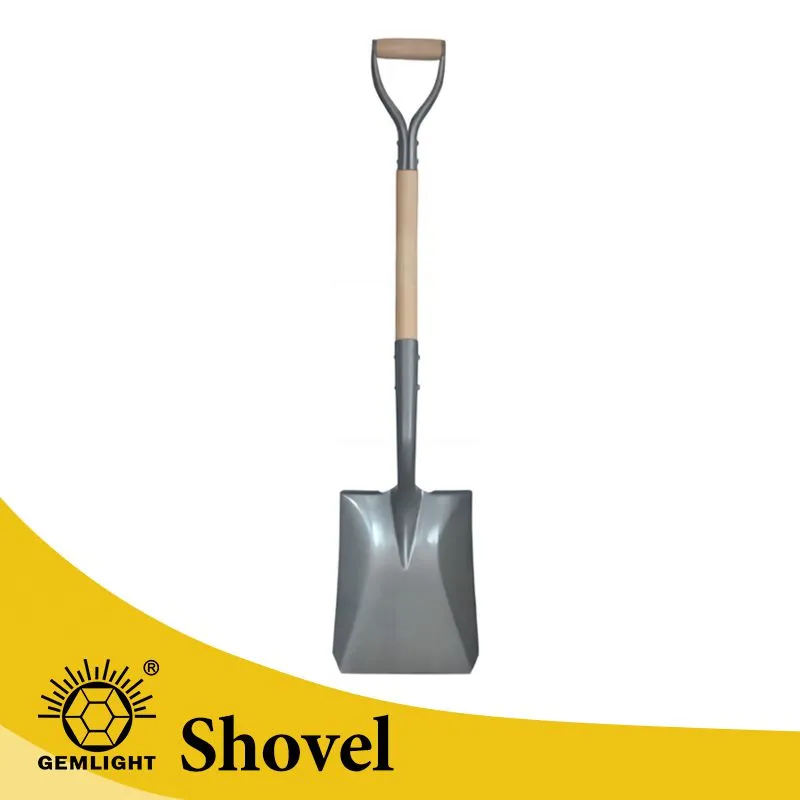
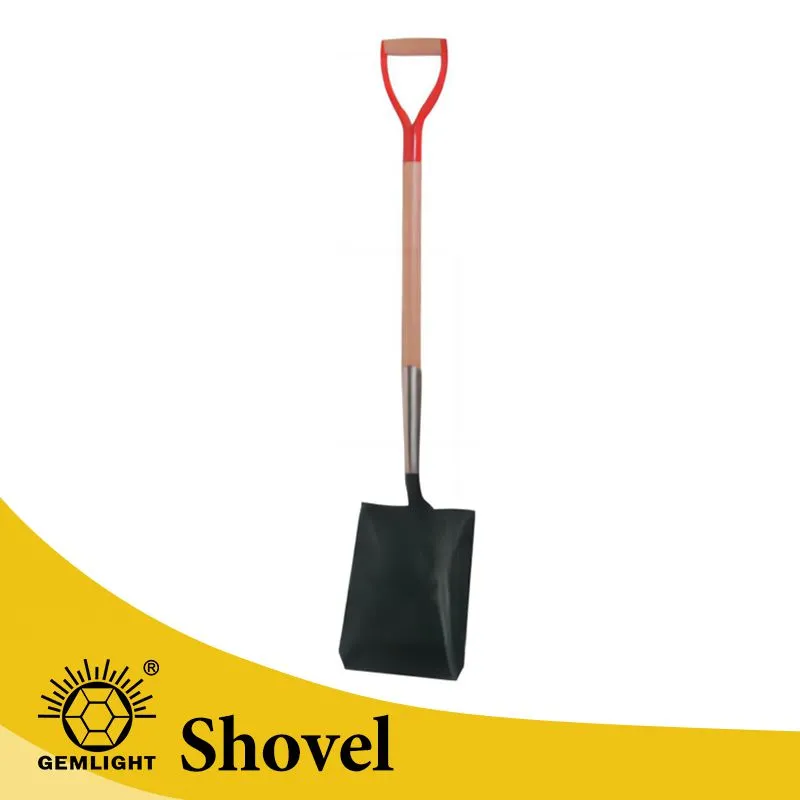
Questions About the Load and the Ground
What material will the tool move most often: soil, sand, grain, gravel, snow or wet clay?
How much volume moves in one working day, such as a few barrows or several tonnes?
Is the ground loose and dry, packed and stony, or sticky and wet for most of the year?
Does the user dig downward into the ground, or lift material sideways from a pile?
Is the material dry and light like grain, or dense and damp like wet sand?
Will the tool also be asked to cut roots or turf, which a scoop blade cannot do?
How far must each lift travel: a step, a barrow length, or across a whole yard?
Loose material and sideways lifting point to a wide dished blade on a long shaft.
Downward digging in packed ground points to a narrow blade with a sharpened front edge.
Hard, dry soil usually calls for a thicker blade and a step on the shoulder.
Questions About the User and the Working Day
How many hours a day does one person use the tool, and is the work steady or occasional?
Does the user stand upright, bend over a bed, or kneel inside a narrow trench?
How heavy is the user, and does the tool need to take a boot on the shoulder?
Where is the tool stored between jobs, and how far is it carried to a vehicle?
Will it hang on a pegboard, sit in a rack, or travel loose in the back of a truck?
Is the tool shared by a crew, which raises both the wear and the rough handling?
Does anyone wear gloves, because grip size changes once a hand is covered?
How quickly must a broken tool be replaced, and is a spare kept on site?
Ask whether the user is left or right handed, since some grips suit one hand better.
Long shifts and heavy loads favour a lighter shaft, so fatigue stays low by mid-afternoon.
Work inside a trench needs a long handle, so the user keeps a straight back.
A pegboard display favours a short grip with a hang hole at the top.
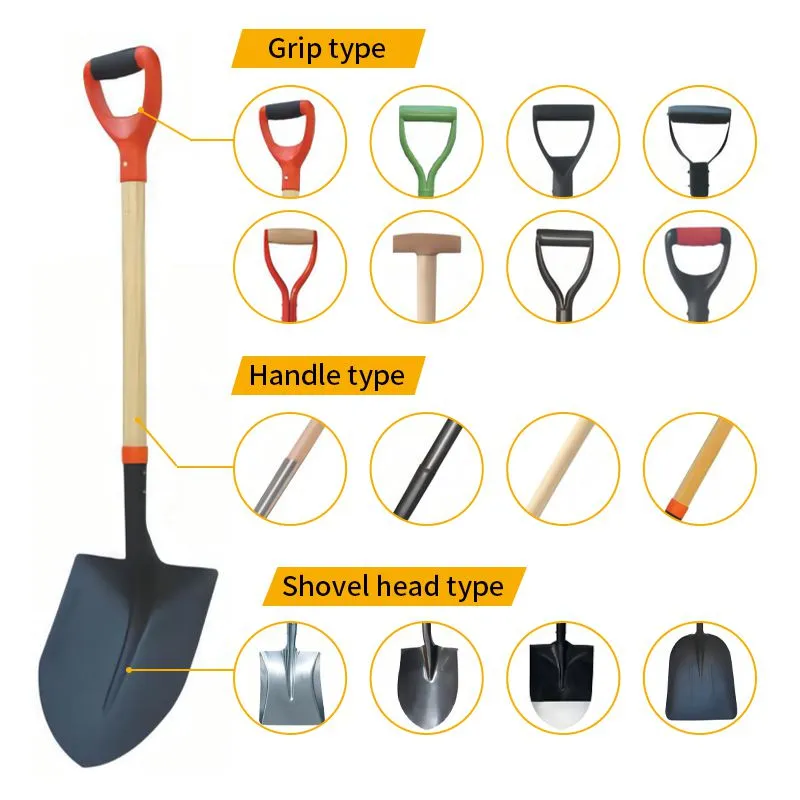
Questions About Price, Habits and Local Names
What price band does this customer already pay for a hand tool of this size?
Which tool is being replaced, and what failed on it: the blade, the socket or the shaft?
What does the customer call the tool in their own language or local English?
Will it be sold on a card, in a sleeve, or as a plain trade bundle?
Does the buyer want a wooden, fibreglass or painted steel handle, and why?
Has the customer ever tried another blade shape and asked for it again?
Is there a shelf card, barcode or logo the factory must print for this customer?
Will several customers share one model, which pushes the spec toward the middle?
A failed socket points to a solid socket and a heavier blade on the next order.
A low price band suits a thinner blade and a painted tube handle for light work.
A local word that differs from your catalog name means the carton label needs care.
Turning Twelve Answers into One Specification
Write each answer next to the model it supports, so the choice is easy to defend.
Blade shape follows the job first, and only then the customer's price expectation.
Blade width follows the volume, with wide faces for bulk and narrow faces for depth.
Blade thickness follows the ground, because clay and stone punish thin steel.
Handle length follows posture: short near the body, long for reach and leverage.
Grip shape follows the push, with a T or D top for downward work and a plain shaft for lifting.
Blade angle follows the stroke, since a steep angle digs and a flat one scoops.
Carton count follows handle length, because a long shaft reduces the pieces in one box.
Finish and packing follow the channel, since retail and trade buyers want different goods.
Weight follows the shift length, because a heavy head slows a user on a long day.
Compare the finished choice with the tool being replaced, because habit decides the sale.
Check the answers against each other, since one odd reply often reveals the real need.
What to Put in the RFQ Once the Answers Are Clear
Summarise the end user in two lines: the work, the hours and the ground.
Name the blade shape and give width, length and thickness in millimetres.
Set down the shaft material, its length, and the grip shape you chose.
Note the socket type and whether a step or lug is needed on the shoulder.
Give the unit weight you want, or ask the factory for the weight of the quoted model.
Describe the finish and the packing, including the local name printed on the label.
Say how many pieces you want per model, so the price step can be quoted properly.
Ask for the price at the quantity you plan for the first season.
Request a sample of the chosen model, then test it with the end user before approval.
Ask for a delivery date that fits the season your customers work in.
Keep the question sheet and the sample photo together, so the next order repeats the fit.
A tool matched by questions sells again, because the user remembers that it worked.
Recently Posted
-
Documents Needed to Bid for a Hoe Supply Contract
October 16, 2026Documents Needed to Bid for a Hoe Supply ContractTender submissions are judged on documents before they are judged on price.A stro Read More
 -
Hoe Specifications in Aid and Emergency Tool Kits: What Tenders Require
October 16, 2026Hoe Specifications in Aid and Emergency Tool Kits: What Tenders RequireAid and emergency programs buy hoes by the tens of thousand Read More
 -
Winning Hoe and Hand Tool Tenders: A Supplier's Guide to Public Bids
October 16, 2026Winning Hoe and Hand Tool Tenders: A Supplier's Guide to Public BidsTender business looks attractive because volumes are large Read More
 -
How to Pack Hoes for Sea Shipment: Rust Prevention and Damage Control
October 16, 2026How to Pack Hoes for Sea Shipment: Rust Prevention and Damage ControlA hoe can pass every inspection at the factory and still arri Read More

Contact Us
Recommended Products
-
 Heavy Duty Cane Knife Machete for Wholesale Buyers Factory Direct Export for Rural Agricultural Projects Durable Hand ToolNegotiableMOQ: 1200 Pieces
 -
Agricultural Hoe Head Garden Rail Steel Tool for Tough Soil Cheap Price Hand ToolsUS$ 1.07 - 1.27MOQ: 1200 Pieces
-
Sturdy Rail Steel Hoe for Weeding, H305 Perfect for Agricultural and Garden TasksUS$ 1.07 - 1.27MOQ: 1200 Pieces
-
Heavy Duty Manganese Steel Garden Shovel Round Point Digging Shovel With Wooden Handle Farm Tool SupplierUS$ 2.14 - 2.36MOQ: 1200 Pieces
-
Big Shovel Wide Shovel Mud Shovel Heavy Duty Steel Blade for Farm Drainage Soil Moving Cleaning and Landscaping UseUS$ 2.14 - 2.36MOQ: 1200 Pieces





-
Strong Teeth Soil Rake for Farm Tool Suppliers Private Label Export for Farm Maintenance African Distribution Factory Bulk OrderUS$ 0.88 - 1.35MOQ: 2000 Pieces
-
Manual Cane Knife Machete for Wholesale Buyers Factory Direct Export for Rural Agricultural Projects Durable Hand ToolNegotiableMOQ: 1200 Pieces
-
Large High Carbon Steel Machete Knife Agricultural Machete for Farming Bush Cutting Garden Tool SupplierNegotiableMOQ: 1200 Pieces
-
Wholesale Heavy Duty Pick Mattock for Mining Road Work and Farm Digging for Wholesale Tool Dealers With Bulk Order ServiceUS$ 1.85 - 2.3MOQ: 1200 Pieces
-
Carbon Steel Manual Pickaxe for Hard Soil Breaking and Trenching for African Importers With OEM Bulk Order Support Agricultural ToolUS$ 1.85 - 2.3MOQ: 1200 Pieces





-
OEM Farm Sickle With Sharp Blade for African Importers OEM Bulk Order Support for Harvesting and Smallholder Farming for Wholesale BUS$ 0.28 - 0.33MOQ: 3000 Pieces
-
Heavy Duty Manganese Steel Round Point Shovel Garden Digging Shovel With Wooden Handle Agricultural Tool ManufacturerUS$ 2.14 - 2.36MOQ: 1200 Pieces
-
Farm Shovel Factory Supply for Regional Import Distributors Bulk Wholesale Supply for Garden Work and Trenching for Agricultural DealersUS$ 2.14 - 2.36MOQ: 1200 Pieces
-
Heavy Duty Garden Rake for African Importers OEM Factory Supply for Agricultural Use African Market Factory Bulk OrderUS$ 0.88 - 1.35MOQ: 2000 Pieces
-
Agricultural Soil Rake for Agricultural Dealers Export Supply for Garden Cleaning African Dealer Channels Factory Bulk OrderUS$ 0.88 - 1.35MOQ: 2000 Pieces





-
Manual Farm Machete for African Importers OEM Factory Supply for Farming and Land Clearing Durable Hand ToolNegotiableMOQ: 1200 Pieces
-
Large Heavy Duty Carbon Steel Garden Landscaping Digging HoeUS$ 1.07 - 1.27MOQ: 1200 Pieces
-
Heavy Duty Rail Steel Mattock Pick Axe With Wooden Handle for Digging Soil Mining and Agricultural Tool SupplierUS$ 1.85 - 2.3MOQ: 1200 Pieces
-
Forged Farm Sickle With Sharp Blade for African Importers OEM Bulk Order Support for Harvesting and Smallholder Farming for WholesalUS$ 0.28 - 0.33MOQ: 3000 Pieces
-
Strong Carbon Steel Farming Sickle for Uganda Tanzania Zambia Agricultural Tool DistributorsUS$ 0.34 - 0.47MOQ: 3000 Pieces





