
 Business License

Bulk Sickle Order Checklist: 8 Pre-Payment Checks
Bulk Sickle Order Checklist: 8 Pre-Payment Checks
A bulk sickle order is a small amount of money by container standards. That is exactly why buyers skip checks.
A few thousand dollars feels safe, so the deposit goes out on a nice quotation. Then cartons arrive with soft blades, loose handles or the wrong curve.
This checklist covers the eight checks that prevent most of those losses. Each one is simple, and all eight fit into two weeks.
How to tell a factory from a trading company?
Ask for the business license first. The scope line separates makers from sellers. Manufacturing appears as metal tools, hardware or agricultural machinery.
Trading appears as sales, wholesale or import and export.
Then ask for a short video of the packing line. A factory packs its own blades and knows the carton count.
A trader often cannot say how many pieces fit a carton without calling someone.
Price structure is the third clue. Factories quote by steel weight plus process cost. Traders quote by competitor price.
If your supplier cannot explain what drives the price up or down, you are probably talking to a middleman.
None of this makes traders useless. A good trader adds consolidation, inspection and small order flexibility.
You just need to know which one you are paying, because the risk profile differs.
What must be confirmed in the counter-sample?
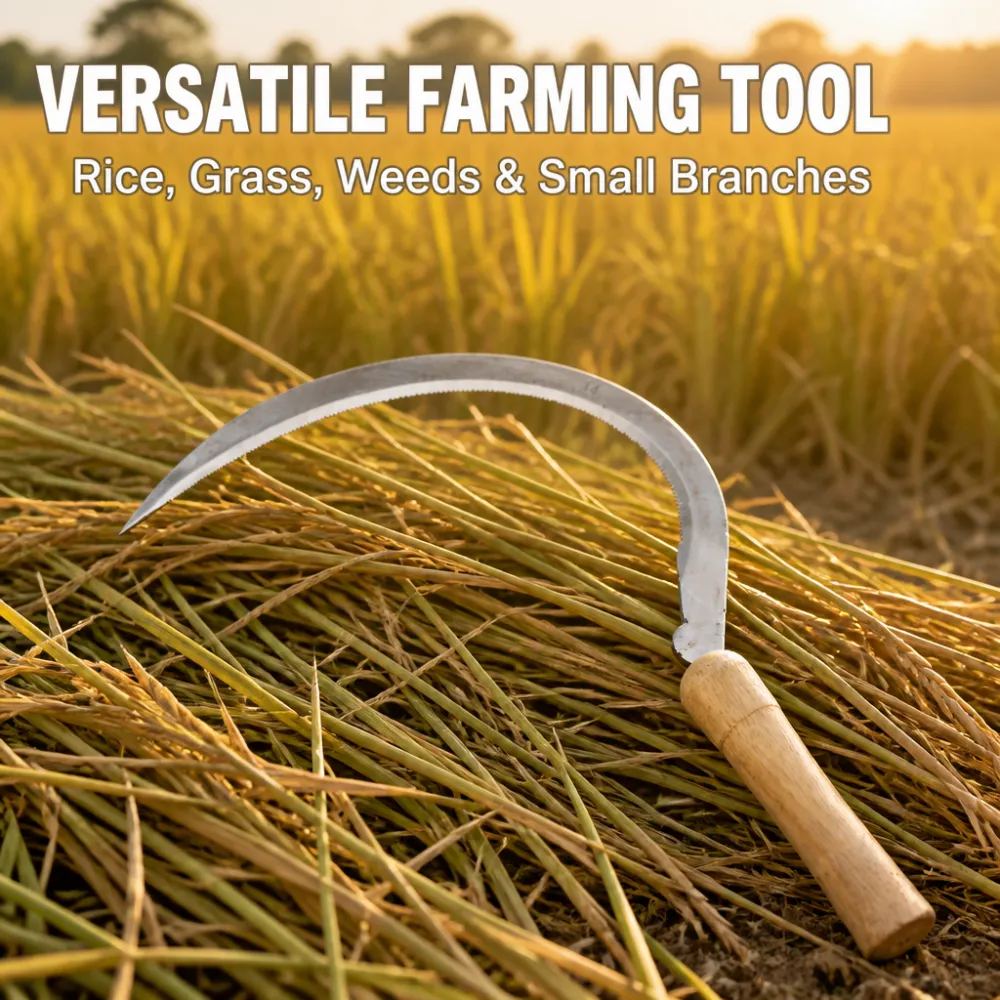
The counter-sample is the blade you approve before mass production. Approve it in writing, with photos and numbers. Verbal approval is worth nothing later.
Confirm the steel grade and the hardness range. Ask for the hardness reading from the actual sample batch. Confirm blade length, width and thickness with a caliper photo.
Check the edge angle and the bevel width. Confirm the handle length, the tang fit and the rivet or ferrule type.
Then test the sample yourself. Cut green grass for ten minutes and feel the edge. Strike a dry branch and look for rolling.
Soak the blade in water for a day and check the rust pattern.
Keep one approved sample sealed and one in your own drawer. The sealed one goes to the factory as the reference. The second one settles arguments after arrival.
Which payment terms protect the buyer?
The standard split is 30 percent deposit and 70 percent before shipment. That is normal in this trade and usually acceptable.
Your protection comes from the inspection step, not from the percentage.
Ask for a pre-shipment inspection before the balance. Use a third party for larger orders, or inspect photos and video yourself for small ones.
The inspection report should list quantity, hardness, edge condition, handle fit and carton marks.
For a first order, avoid full payment upfront. If the supplier insists, reduce the order size instead of arguing.
A smaller first order with normal terms is a better test than a large one with unusual terms.
Consider a letter of credit only above a certain value. Below that level, bank fees and document work cost more than the risk you remove.
Trade assurance platforms are useful for small trial orders, but read the claim rules before you rely on them.
The eight checks and what belongs in the purchase order
Business license scope and registration check.
Live video walkthrough of the workshop and furnace.
Written specification sheet with steel grade and hardness.
Paid counter-sample tested by you, then sealed.
Packing plan with units per carton and carton strength.
Payment terms with inspection before balance.
Delivery schedule with a penalty for late shipment.
Document list confirmed: invoice, packing list, certificate of origin, HS code.
Each check takes from ten minutes to a few days. Together they cover the failures that actually happen. Soft blades, wrong curve, loose handles, crushed cartons and late shipping.
The purchase order is your only real contract in most small deals. Make it specific enough to be useful.
List the model, blade length, thickness, steel grade and hardness range. State the edge angle and the finish. Name the handle material and length.
Describe the packing, the carton count and the shipping marks. Add the inspection method and who pays for it.
Include a tolerance clause. A blade length of 500 mm usually carries a tolerance of plus or minus 3 mm. Hardness might be plus or minus 2 HRC.
Without numbers, a claim becomes an opinion.
Add a photo appendix. Attach the approved sample photo, the edge close-up and the packing photo. Photos settle more disputes than long text.
Checks will fail sometimes. That is information, not a disaster. Use it.
If the license scope is wrong, ask who manufactures. Some traders work with one stable plant, which can be fine. Get the plant name and check it.
If the sample hardness is low, ask for the heat treatment record. A factory that tracks furnace batches can fix this. One that cannot will repeat the mistake.
If the packing plan is vague, ask for a carton drop test photo. Weak cartons are common and cheap to fix before shipment.
If the supplier resists inspection, walk away. Resistance to a normal inspection is the clearest warning in this business.
Before you release the balance, run one short routine. Do it every time, even with a supplier you trust.
Confirm the specification against the sealed sample. Confirm the quantity per carton against the packing list. Confirm the inspection date. Confirm the balance payment trigger.
Confirm the document set and the consignee details.
Then pay. Not before.
RFQ checklist for your sickle order
Send these items with your inquiry so quotes arrive comparable.
Model and blade drawing or photo
Blade length, width and thickness in millimeters
Steel grade and required hardness range
Edge angle and bevel type
Handle material, length and tang type
Surface finish and rust protection
Packing method and units per carton
Order quantity per model
Destination port and preferred Incoterm
Required delivery date
A supplier who answers all ten items in one reply has probably done this before. That is the partner you want for the second order.
Recently Posted
-
Is a Hand Sickle Still Worth Stocking in 2026?
October 19, 2026Is a Hand Sickle Still Worth Stocking in 2026?Brush cutters are cheaper than they were five years ago. Battery models are common. Read More
-
Sickle Blade Length and Curve: Choosing by Crop
October 19, 2026Sickle Blade Length and Curve: Choosing by CropTwo sickles can look similar in a photo and behave nothing alike. Blade length sets Read More
-
Wood vs Plastic vs Steel Sickle Handles: Buyer's Guide
October 19, 2026Wood vs Plastic vs Steel Sickle Handles: Buyer's GuideBuyers spend hours on blade specifications and five minutes on the handl Read More
-
Carbon vs Stainless Steel Sickle Blades: Buyer's Guide
October 19, 2026Carbon vs Stainless Steel Sickle Blades: Buyer's GuideSteel choice is the first technical decision in any sickle order. It set Read More

Contact Us
Recommended Products
-
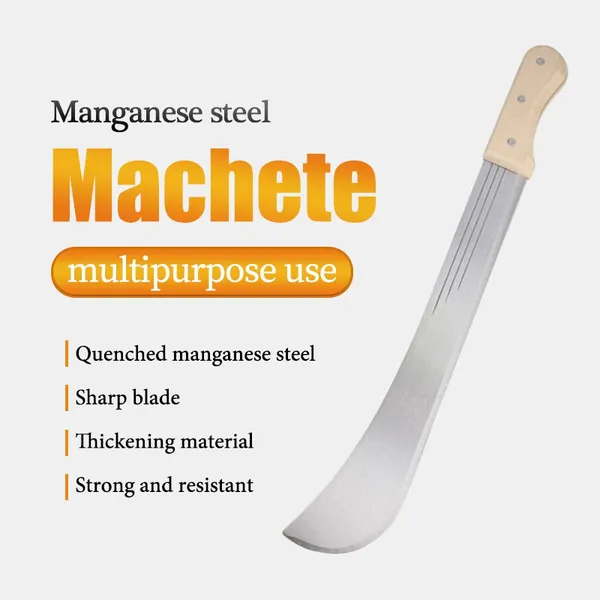
 Heavy Duty Cane Knife Machete for Wholesale Buyers Factory Direct Export for Rural Agricultural Projects Durable Hand ToolNegotiableMOQ: 1200 Pieces
-
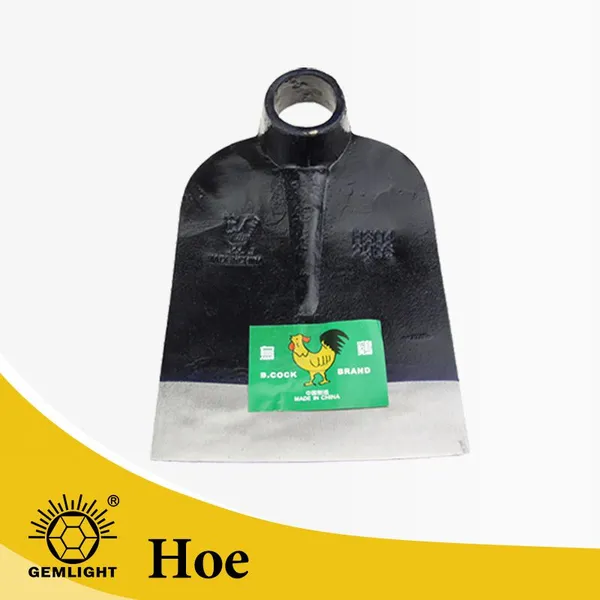
Agricultural Hoe Head Garden Rail Steel Tool for Tough Soil Cheap Price Hand ToolsUS$ 1.07 - 1.27MOQ: 1200 Pieces
-
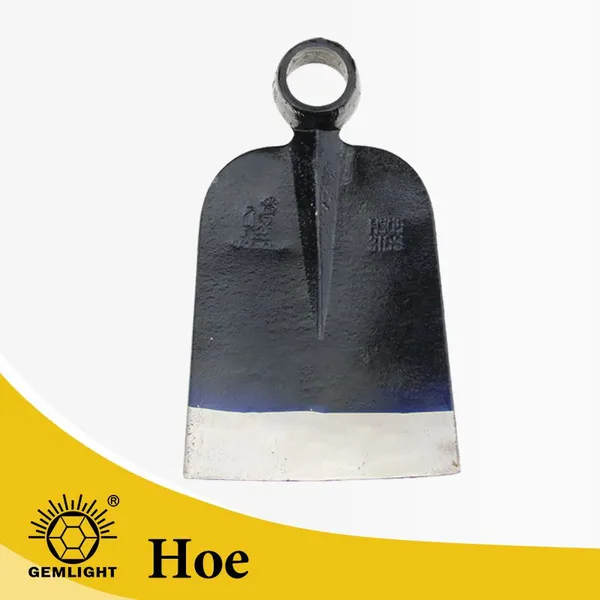
Sturdy Rail Steel Hoe for Weeding, H305 Perfect for Agricultural and Garden TasksUS$ 1.07 - 1.27MOQ: 1200 Pieces
-
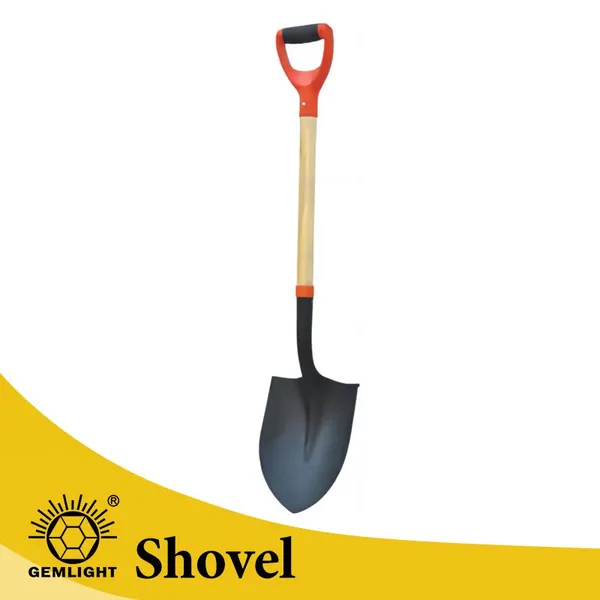
Heavy Duty Manganese Steel Garden Shovel Round Point Digging Shovel With Wooden Handle Farm Tool SupplierUS$ 2.14 - 2.36MOQ: 1200 Pieces
-
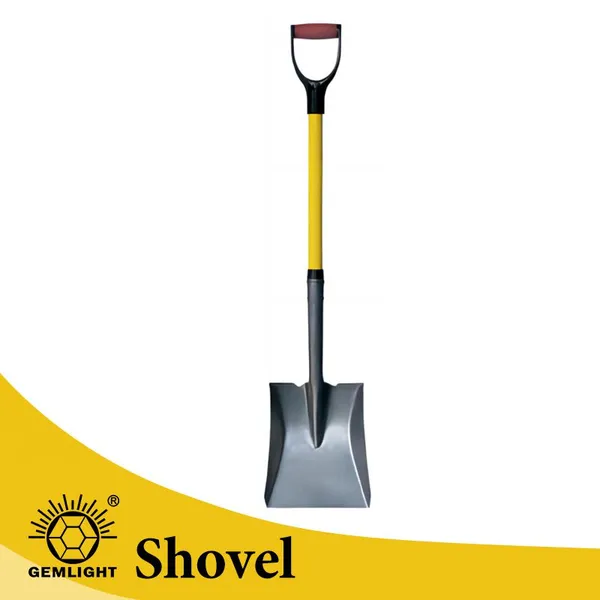
Big Shovel Wide Shovel Mud Shovel Heavy Duty Steel Blade for Farm Drainage Soil Moving Cleaning and Landscaping UseUS$ 2.14 - 2.36MOQ: 1200 Pieces
-
Strong Teeth Soil Rake for Farm Tool Suppliers Private Label Export for Farm Maintenance African Distribution Factory Bulk OrderUS$ 0.88 - 1.35MOQ: 2000 Pieces
-
Manual Cane Knife Machete for Wholesale Buyers Factory Direct Export for Rural Agricultural Projects Durable Hand ToolNegotiableMOQ: 1200 Pieces
-
Large High Carbon Steel Machete Knife Agricultural Machete for Farming Bush Cutting Garden Tool SupplierNegotiableMOQ: 1200 Pieces
-
Wholesale Heavy Duty Pick Mattock for Mining Road Work and Farm Digging for Wholesale Tool Dealers With Bulk Order ServiceUS$ 1.85 - 2.3MOQ: 1200 Pieces
-
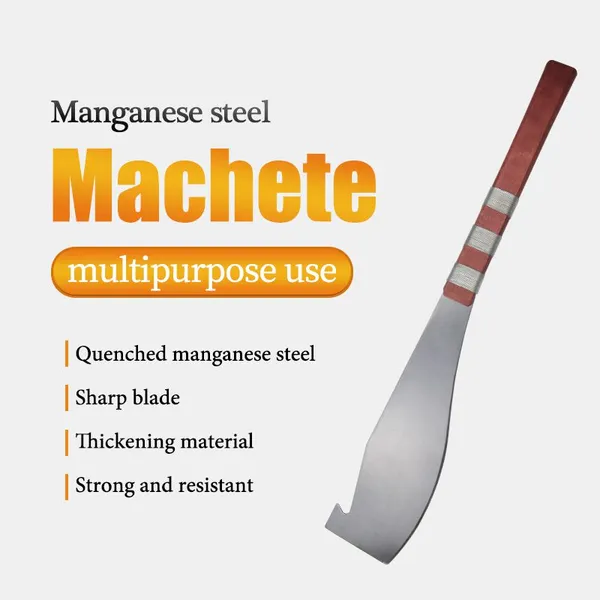
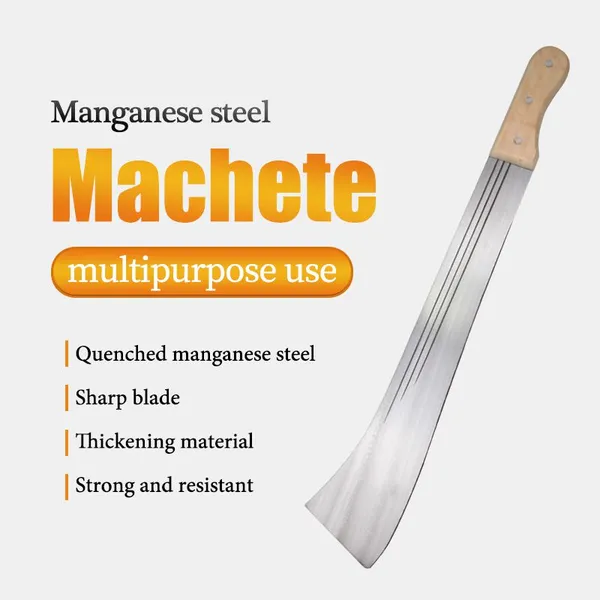
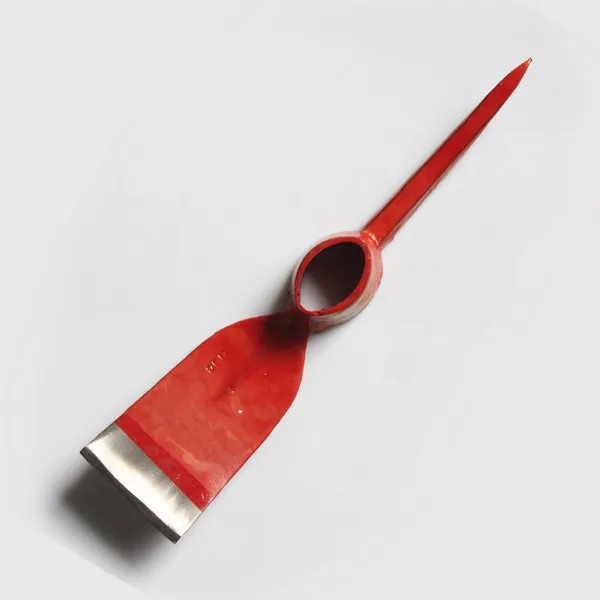
Carbon Steel Manual Pickaxe for Hard Soil Breaking and Trenching for African Importers With OEM Bulk Order Support Agricultural ToolUS$ 1.85 - 2.3MOQ: 1200 Pieces

-
OEM Farm Sickle With Sharp Blade for African Importers OEM Bulk Order Support for Harvesting and Smallholder Farming for Wholesale BUS$ 0.28 - 0.33MOQ: 3000 Pieces
-
Heavy Duty Manganese Steel Round Point Shovel Garden Digging Shovel With Wooden Handle Agricultural Tool ManufacturerUS$ 2.14 - 2.36MOQ: 1200 Pieces
-
Farm Shovel Factory Supply for Regional Import Distributors Bulk Wholesale Supply for Garden Work and Trenching for Agricultural DealersUS$ 2.14 - 2.36MOQ: 1200 Pieces
-
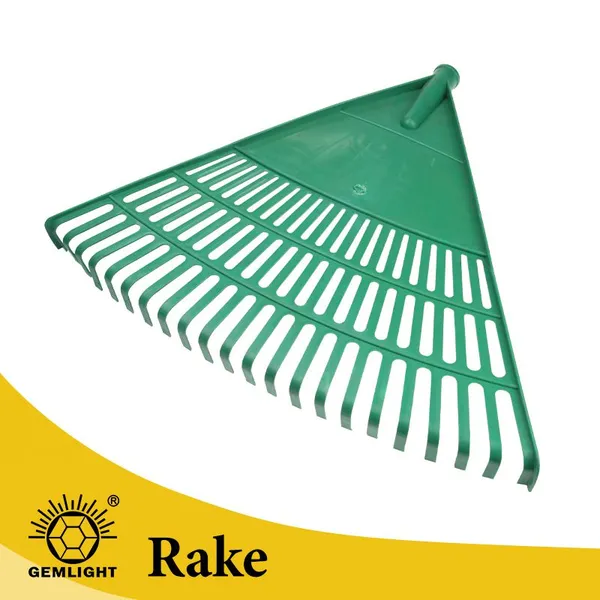
Heavy Duty Garden Rake for African Importers OEM Factory Supply for Agricultural Use African Market Factory Bulk OrderUS$ 0.88 - 1.35MOQ: 2000 Pieces
-
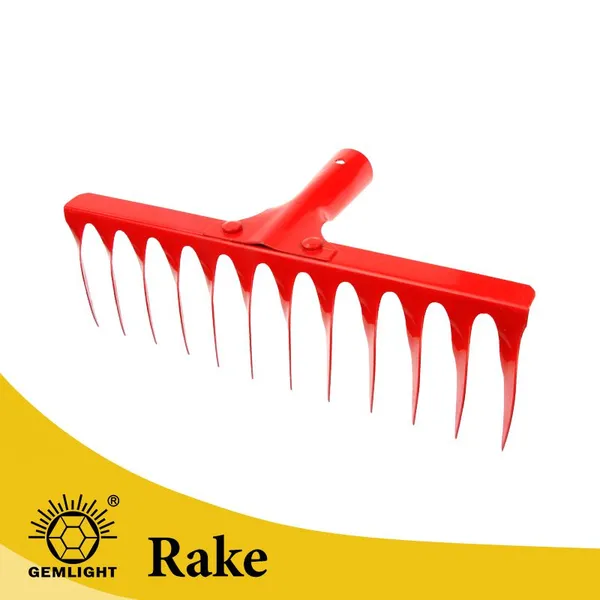
Agricultural Soil Rake for Agricultural Dealers Export Supply for Garden Cleaning African Dealer Channels Factory Bulk OrderUS$ 0.88 - 1.35MOQ: 2000 Pieces
-
Manual Farm Machete for African Importers OEM Factory Supply for Farming and Land Clearing Durable Hand ToolNegotiableMOQ: 1200 Pieces
-
Large Heavy Duty Carbon Steel Garden Landscaping Digging HoeUS$ 1.07 - 1.27MOQ: 1200 Pieces
-
Heavy Duty Rail Steel Mattock Pick Axe With Wooden Handle for Digging Soil Mining and Agricultural Tool SupplierUS$ 1.85 - 2.3MOQ: 1200 Pieces
-
Forged Farm Sickle With Sharp Blade for African Importers OEM Bulk Order Support for Harvesting and Smallholder Farming for WholesalUS$ 0.28 - 0.33MOQ: 3000 Pieces
-
Strong Carbon Steel Farming Sickle for Uganda Tanzania Zambia Agricultural Tool DistributorsUS$ 0.34 - 0.47MOQ: 3000 Pieces