
 Business License

Garden Hose Manufacturer in China: 2026 Sourcing Guide
Garden Hose Manufacturer in China: 2026 Sourcing Guide
China makes most of the garden hose sold worldwide. That is good news for buyers, and a problem at the same time.
Thousands of suppliers list garden hose. Only a few hundred actually run extrusion lines and fitting stations.
The rest are traders, agents or repackers. They can still serve you well, but the price and the accountability differ.
This guide shows how to pick a real manufacturer before you pay a deposit.
What should a real garden hose factory be able to show you?
Start with the business licence. Ask for a clear photo, not a scan of a scan. Read the business scope line at the bottom.
A hose factory lists plastic products manufacturing or rubber products manufacturing. A pure trader lists sales and import-export only.
Then ask for the production flow, step by step. You want extrusion, yarn braiding, cooling, printing, cutting and coupling assembly.
Ask which steps happen inside the building and which are outsourced. Honest suppliers name the outsourced steps without hesitation.
Request a live video walk. Do not accept a recorded clip. Ask the salesperson to start at the raw material rack and end at the loading dock.
Look for resin bags with visible grade labels. Look for a water tank where every coil is pressure tested. Look for a crimping machine for fittings.
If the walk stops at a showroom, you are talking to a sales office. That is useful information, and it should change your price expectations.
Which product range tells you the factory is real?
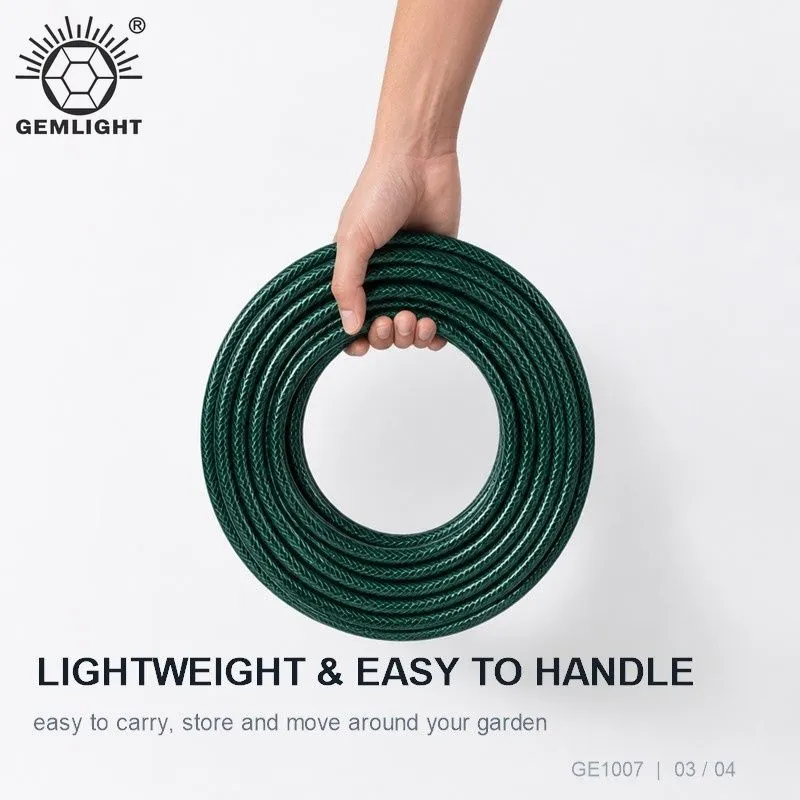
A real hose plant usually has a narrow, deep range. It makes PVC hose in two or three constructions and does them well.
It knows its layer counts, its yarn density and its wall thickness tolerance. It can quote the same hose in three pressure grades.
A trader's catalogue is wide and shallow. It lists PVC, rubber, expandable, soaker, steel braided and air hose on one page.
A wide catalogue is not proof of fraud. Many trading companies are reliable and easier to deal with on small mixed orders.
But the technical answers will be thin. Ask for the burst pressure of a 5/8 inch three-layer hose. A factory answers in seconds.
Also ask what the factory does not make. A plant that admits it buys expandable hose from a specialist is more credible than one claiming everything.
Which export markets and references matter?
Hose specs follow the destination market. The US uses GHT threads and often 5/8 inch diameters. Europe leans to BSP and metre-based lengths.
Ask which markets the factory ships to most. Then ask what changes between a US order and a German order.
A good answer covers thread type, coil length, label language, packaging format and test reports. Vague answers mean the export desk is new.
Ask for two references in your region, ideally in your channel. A wholesaler reference tells you more than a brand owner reference.
Do not expect names. Suppliers protect clients. Ask instead for the retail pack format they produced and the port of discharge.
That is enough to confirm the factory has handled your kind of order before.
What to ask in the first inquiry email?
Keep the first email to one page. Attach your spec sheet or describe it in a short table.
State the diameter, length, layer count, working pressure, fitting material and thread standard. Add packing format and target quantity.
Ask for the unit price at three quantities. Ask for carton dimensions, units per carton and loading quantity per 20ft container.
Ask for lead time for samples and for bulk. Ask for payment terms, inspection policy and the FOB port.
A serious supplier replies with numbers in a table. A weak one replies with a brochure and asks what you need.
Numbers let you compare five suppliers in one afternoon. Brochures cost you a week.
Add one open question at the end. Ask which construction gives the fewest warranty claims in their experience.
The reply separates the people who run the line from the people who forward emails.
Screen ten suppliers on documents and video. Drop anyone who fails two checks. This takes about a week.
Shortlist three and buy samples of the same model. Pay for them. Free samples always come back inside the quotation.
Test the samples the same way each time. Measure length after a full pressurisation cycle, not straight out of the box.
Then place a trial order of one to two thousand pieces. Write the agreed specification into the purchase order, including layer count and burst pressure.
Keep one approved sample in your office, sealed and dated. It ends most arguments later.
RFQ checklist for your first contact
Copy this list into your email and ask for each item in writing.
Factory name, address and business licence number
Main products and the steps you produce in-house
Hose construction: layer count, yarn type, wall thickness
Diameter and length options in stock tooling
Working pressure and burst pressure with test report
Fitting material and thread standard per market
Coil weight, carton size and units per carton
Loading quantity for 20ft and 40ft containers
MOQ per size, per colour and per pack format
Sample lead time and bulk lead time
FOB port, payment terms and inspection policy
With these answers in hand, you can compare factories on facts. That is the whole game when sourcing garden hose from China.
Recently Posted
-
Why Garden Hoses Burst at the Coupling: 5 Causes
October 29, 2026Why Garden Hoses Burst at the Coupling: 5 CausesHose failures cluster at the ends. The middle of a coil rarely splits; the couplin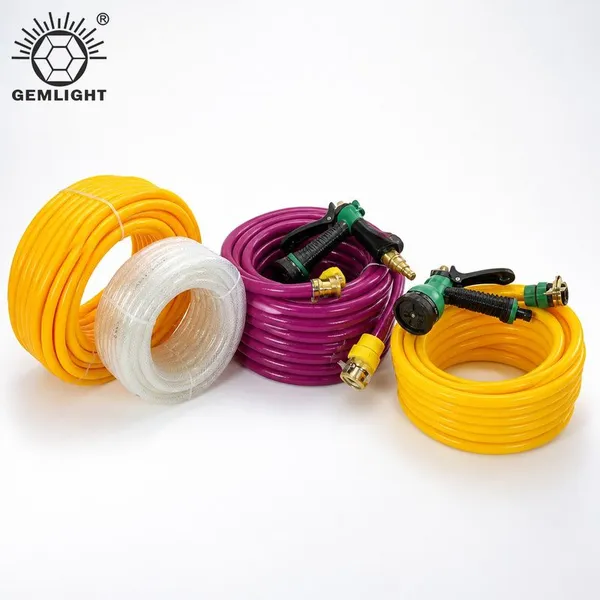 Read More
-
GHT vs BSP Hose Threads: Avoid Mismatch Claims
October 29, 2026GHT vs BSP Hose Threads: Avoid Mismatch ClaimsA garden hose can be perfectly made and still fail on the first day. The thread is u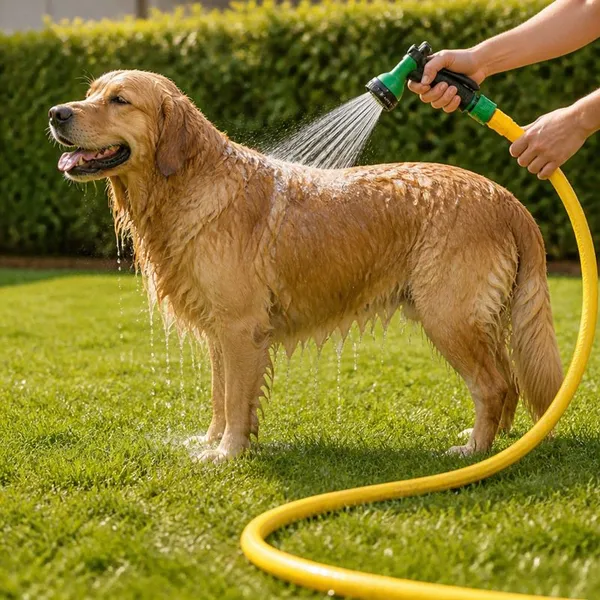 Read More
-
How Many Layers Should a Garden Hose Have?
October 29, 2026How Many Layers Should a Garden Hose Have?Layer count is the most quoted and least understood number in hose selling.Buyers ask fo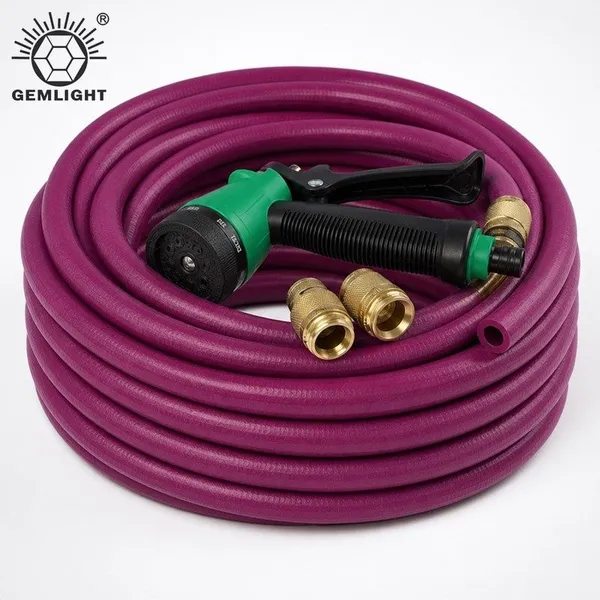 Read More
-
Garden Hose Burst Pressure: What Buyers Must Specify
October 29, 2026Garden Hose Burst Pressure: What Buyers Must SpecifyTwo numbers decide whether a hose survives a summer. Working pressure and burs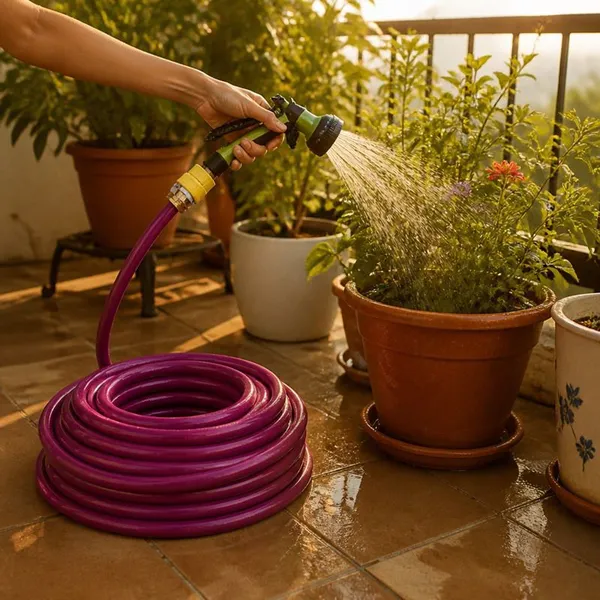 Read More

Contact Us
Recommended Products
-
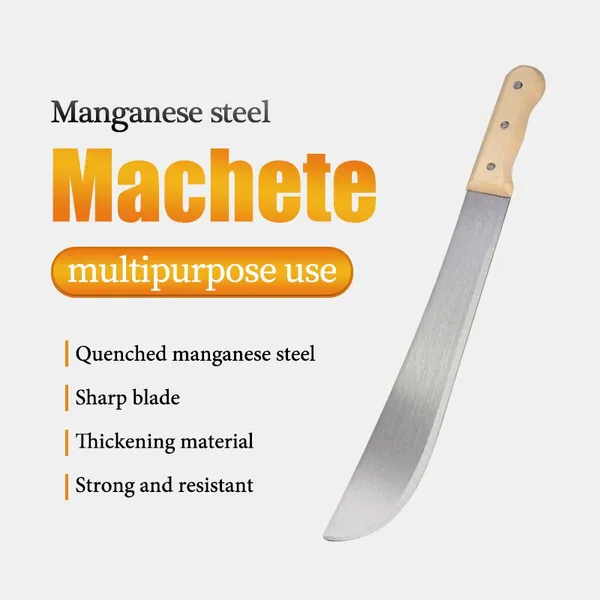
 Heavy Duty Cane Knife Machete for Wholesale Buyers Factory Direct Export for Rural Agricultural Projects Durable Hand ToolNegotiableMOQ: 1200 Pieces
-
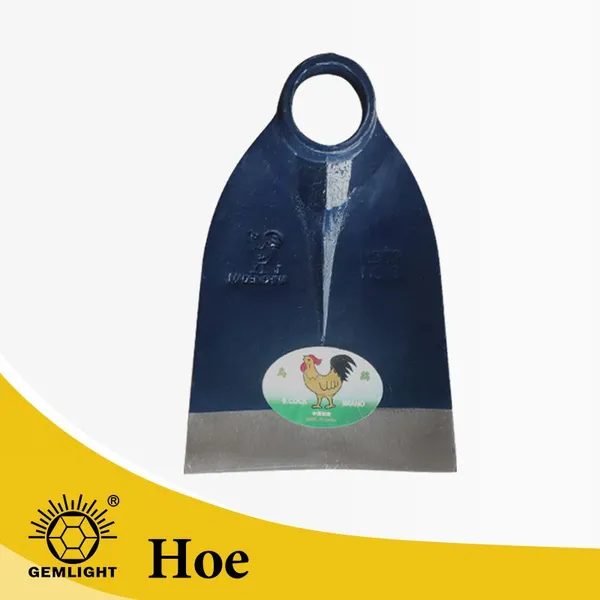
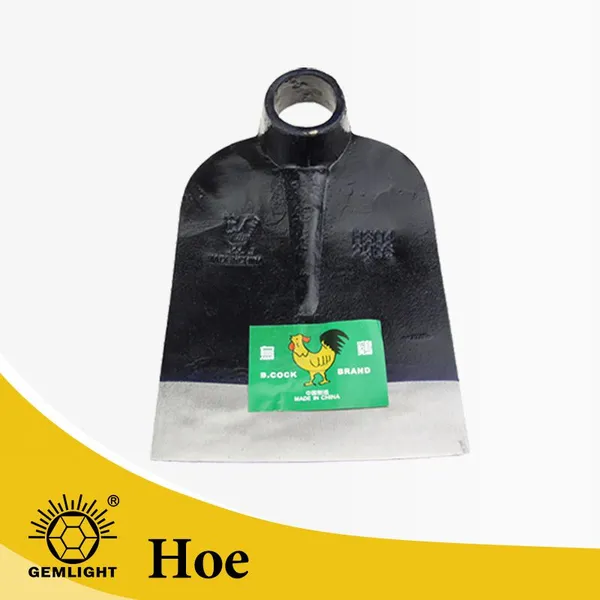
Agricultural Hoe Head Garden Rail Steel Tool for Tough Soil Cheap Price Hand ToolsUS$ 1.07 - 1.27MOQ: 1200 Pieces
-
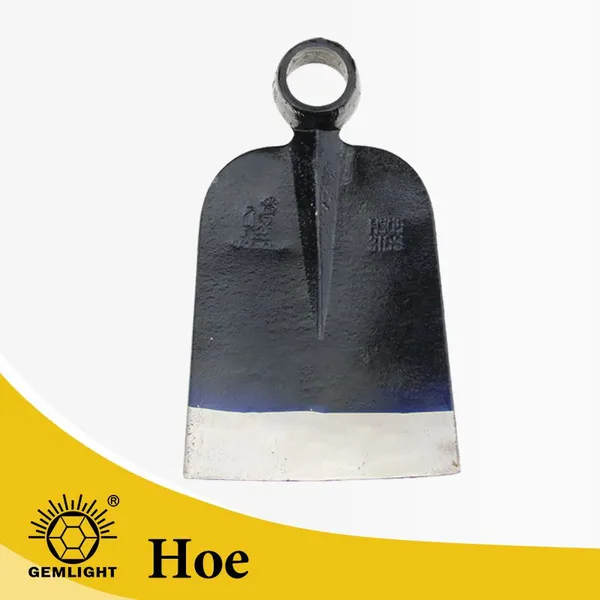
Sturdy Rail Steel Hoe for Weeding, H305 Perfect for Agricultural and Garden TasksUS$ 1.07 - 1.27MOQ: 1200 Pieces
-
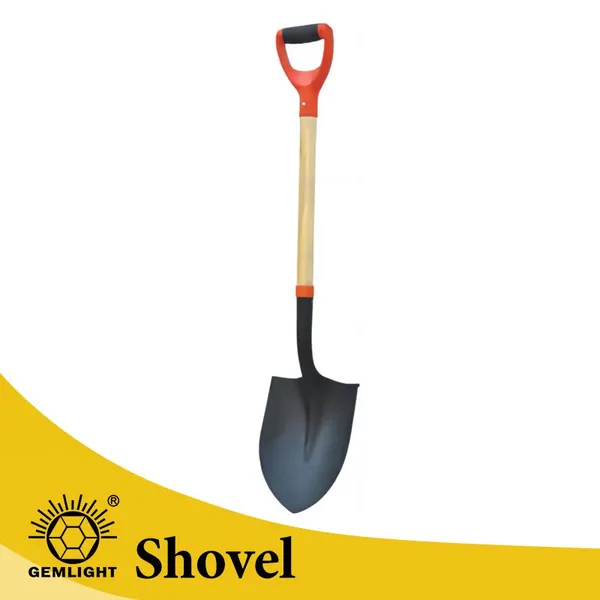
Heavy Duty Manganese Steel Garden Shovel Round Point Digging Shovel With Wooden Handle Farm Tool SupplierUS$ 2.14 - 2.36MOQ: 1200 Pieces
-
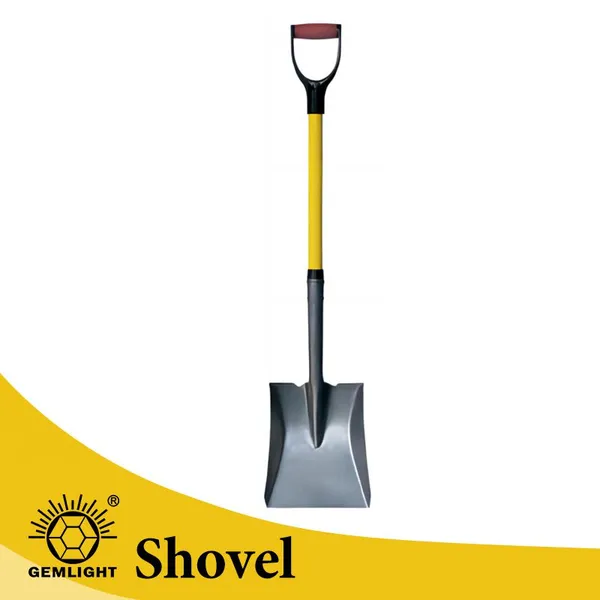
Big Shovel Wide Shovel Mud Shovel Heavy Duty Steel Blade for Farm Drainage Soil Moving Cleaning and Landscaping UseUS$ 2.14 - 2.36MOQ: 1200 Pieces
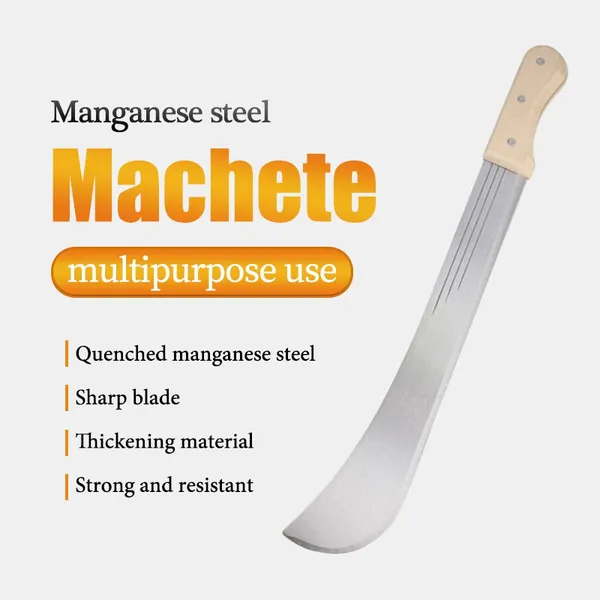
-
Strong Teeth Soil Rake for Farm Tool Suppliers Private Label Export for Farm Maintenance African Distribution Factory Bulk OrderUS$ 0.88 - 1.35MOQ: 2000 Pieces
-
Manual Cane Knife Machete for Wholesale Buyers Factory Direct Export for Rural Agricultural Projects Durable Hand ToolNegotiableMOQ: 1200 Pieces
-
Large High Carbon Steel Machete Knife Agricultural Machete for Farming Bush Cutting Garden Tool SupplierNegotiableMOQ: 1200 Pieces
-
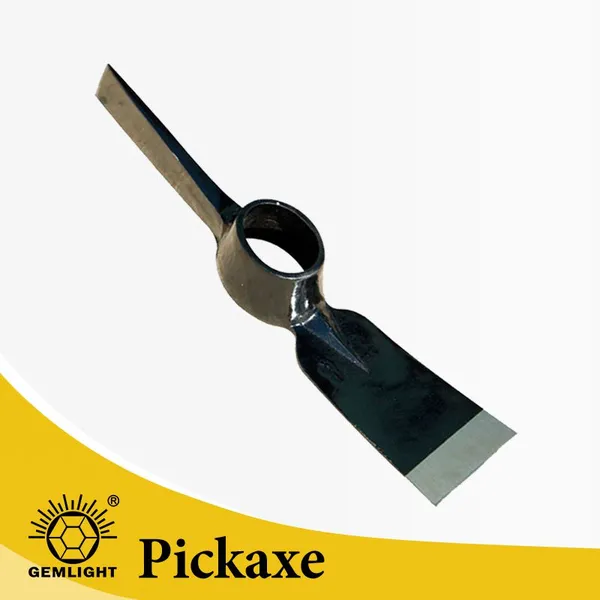
Wholesale Heavy Duty Pick Mattock for Mining Road Work and Farm Digging for Wholesale Tool Dealers With Bulk Order ServiceUS$ 1.85 - 2.3MOQ: 1200 Pieces
-
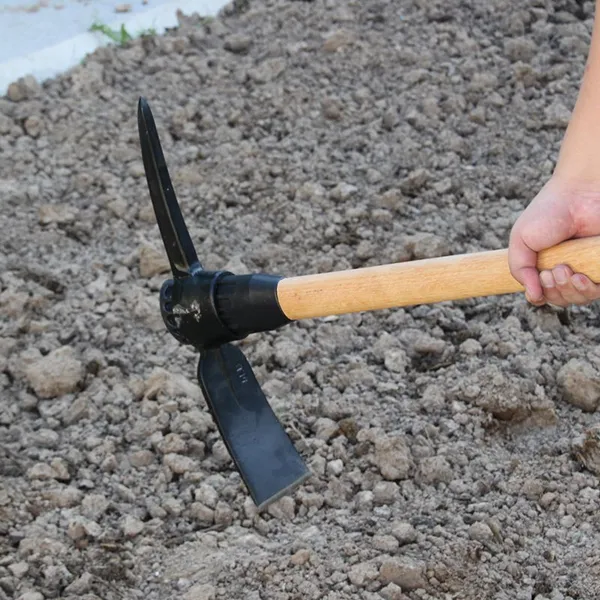
Carbon Steel Manual Pickaxe for Hard Soil Breaking and Trenching for African Importers With OEM Bulk Order Support Agricultural ToolUS$ 1.85 - 2.3MOQ: 1200 Pieces
-
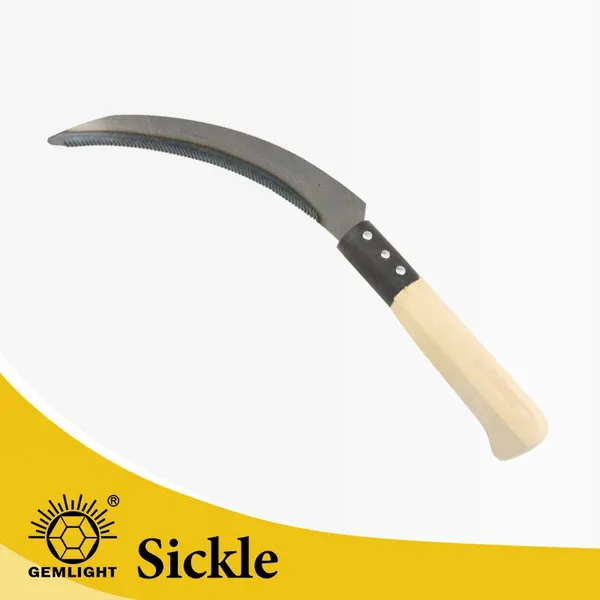
OEM Farm Sickle With Sharp Blade for African Importers OEM Bulk Order Support for Harvesting and Smallholder Farming for Wholesale BUS$ 0.28 - 0.33MOQ: 3000 Pieces
-
Heavy Duty Manganese Steel Round Point Shovel Garden Digging Shovel With Wooden Handle Agricultural Tool ManufacturerUS$ 2.14 - 2.36MOQ: 1200 Pieces
-
Farm Shovel Factory Supply for Regional Import Distributors Bulk Wholesale Supply for Garden Work and Trenching for Agricultural DealersUS$ 2.14 - 2.36MOQ: 1200 Pieces
-
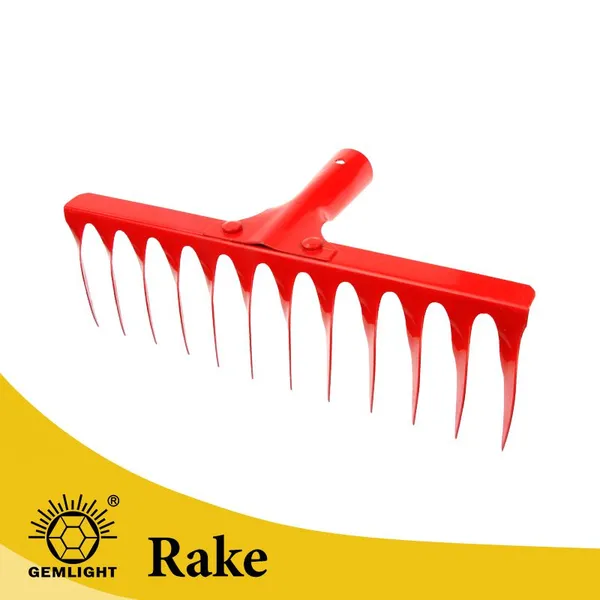
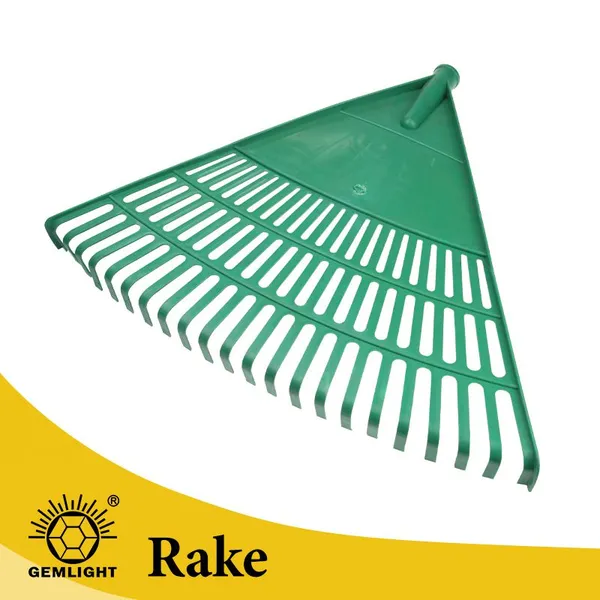
Heavy Duty Garden Rake for African Importers OEM Factory Supply for Agricultural Use African Market Factory Bulk OrderUS$ 0.88 - 1.35MOQ: 2000 Pieces
-
Agricultural Soil Rake for Agricultural Dealers Export Supply for Garden Cleaning African Dealer Channels Factory Bulk OrderUS$ 0.88 - 1.35MOQ: 2000 Pieces
-
Manual Farm Machete for African Importers OEM Factory Supply for Farming and Land Clearing Durable Hand ToolNegotiableMOQ: 1200 Pieces
-
Large Heavy Duty Carbon Steel Garden Landscaping Digging HoeUS$ 1.07 - 1.27MOQ: 1200 Pieces
-
Heavy Duty Rail Steel Mattock Pick Axe With Wooden Handle for Digging Soil Mining and Agricultural Tool SupplierUS$ 1.85 - 2.3MOQ: 1200 Pieces
-
Forged Farm Sickle With Sharp Blade for African Importers OEM Bulk Order Support for Harvesting and Smallholder Farming for WholesalUS$ 0.28 - 0.33MOQ: 3000 Pieces
-
Strong Carbon Steel Farming Sickle for Uganda Tanzania Zambia Agricultural Tool DistributorsUS$ 0.34 - 0.47MOQ: 3000 Pieces