
 Business License

Brass vs Plastic Garden Hose Fittings: Which Lasts
Brass vs Plastic Garden Hose Fittings: Which Lasts
The fitting is the cheapest part of a garden hose and the most common reason it comes back.
Buyers spend weeks on wall thickness and minutes on couplings. Then the returns arrive with stripped threads and split nuts.
This guide compares brass and plastic fittings on durability, cost and market expectations.
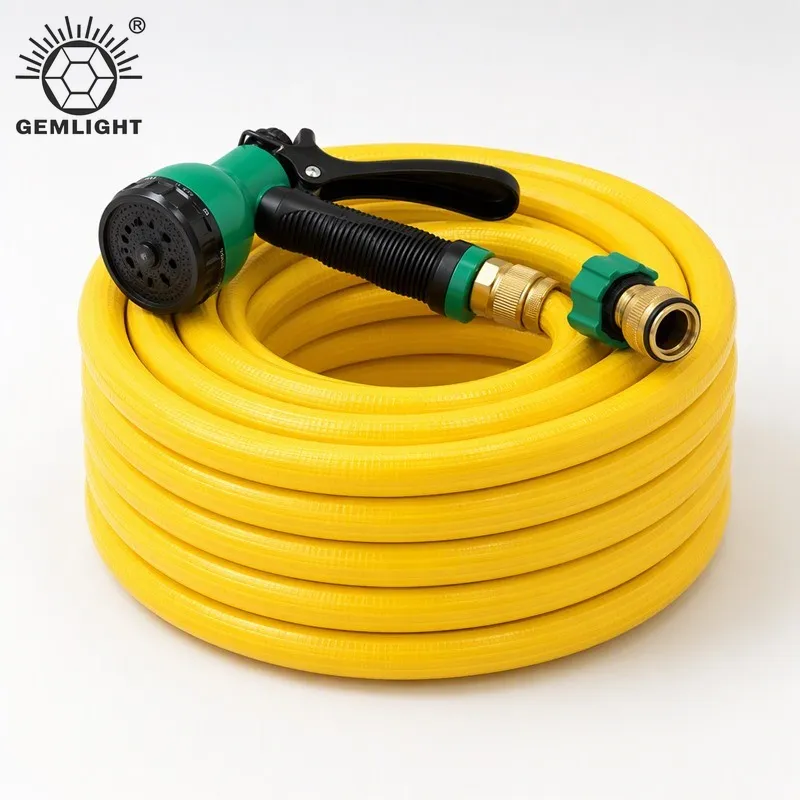
How each resists cross-threading and crushing
Cross-threading happens when a user starts the thread at the wrong angle. Every hose meets this in real life.
Brass threads are cut or rolled into metal. A brass coupling usually recovers, and the damaged thread can be chased back into shape.
Plastic threads deform instead of cutting. Once a plastic thread is crossed, a groove forms and the joint leaks from then on.
Crushing is the other test. A hose end gets stepped on, dropped or run over by a wheelbarrow.
Brass dents but keeps its shape. Thin plastic splits at the collar, and the hose end separates from the nut.
Then there is torque. Brass tolerates a strong hand-tight turn. Plastic needs less force and gives no warning before it cracks.
A brass swivel also rotates more smoothly under pressure. That reduces hose twist, which is a hidden cause of kinks.
Plastic has one advantage. It does not corrode in salt air and it will not scratch a car panel.
Thread engagement length matters too. A short brass thread strips as easily as a long plastic one.
Check how the ferrule meets the nut. A loose swivel leaks at the joint long before the thread fails.
What the cost gap looks like per unit
Brass costs more, but the gap depends on weight and grade, not on the type alone.
A brass coupling is priced by metal weight. A heavier brass nut costs more than a light one, and both are called brass.
Watch for brass-plated steel or zinc alloy sold as brass. A magnet is the fastest test, and it should not stick.
Plastic couplings are moulded in seconds. The tooling costs money; the part costs very little.
At the hose level, brass adds a meaningful share to a cheap 1/2 inch product. On a premium rubber hose it is noise.
Do the maths on returns instead of unit price. One returned hose costs more than the fitting margin on a dozen units.
Ask for the fitting weight in grams per set. That number makes quotations comparable across suppliers.
Ask which grade of brass: CW617N is common in Europe, and lead-free grades matter for drinking water use.
Brass prices follow metal markets, so quotations age faster than plastic ones. Ask for a validity window.
Plastic tooling is a fixed cost. A new colour or nut design may carry a one-off charge you did not expect.
Where plastic fittings fail first
Failures follow a pattern, and the pattern helps you pick markets.
The first failure is the thread. Users overtighten, and the first two threads flatten.
The second is the collar. A plastic ferrule sleeve cracks when the hose is pulled sideways at the tap.
The third is heat. A black plastic coupling left in the sun softens, and the thread deforms under pressure.
The fourth is UV. Plastic goes chalky after a season outdoors and loses impact strength.
The fifth is cold. Plastic becomes brittle in frost and snaps instead of flexing.
None of this means plastic is a bad choice. It means plastic needs a gentler user and a shorter service expectation.
Not all plastic is equal. Glass-filled nylon and POM outperform cheap PP on threads and impact strength.
Ask for the plastic grade. If the answer is simply plastic, assume the cheapest one available.
Which market accepts plastic fittings
Market acceptance varies more than most buyers expect.
North American retail accepts plastic fittings on value lines, especially on expandable and lightweight hose. Brass is expected on premium SKUs.
European retail is stricter. Germany and the Nordics lean to brass, and buyers ask about lead content and REACH compliance.
The UK accepts both, with plastic common on promotional packs and brass on branded lines.
Middle East and African markets often prefer brass for heat and durability reasons. Plastic fails fast in high temperatures.
Australia leans to brass on quality lines and accepts plastic on price-led imports.
Ask your buyer what the returns desk sees. That answer beats any general rule about regions.
If you sell online, look at review text. Thread complaints appear in reviews long before they reach your inbox.
Warranty cost differs by channel. A returns-heavy online channel punishes cheap fittings faster than a hardware store.
Match the fitting to the channel, not to the country alone. The same market can need two grades.
RFQ checklist for fittings
Put these items in the inquiry so quotes are comparable.
Fitting material and grade, with weight per set in grams
Brass type: CW617N, lead-free or other, with test report
Ferrule type and crimping method
Thread standard per market: GHT, BSP or NPT
Swivel type and rotation behaviour under pressure
Pull test value in kilograms
Cross-thread cycles tested before failure
Corrosion test result for brass
Plastic type if used, with UV stabiliser and heat rating
Spare fittings available as accessories
Price difference per set between brass and plastic
Warranty position on fitting failures
Order ten sets of each type and abuse them on a bench. Twenty minutes of testing tells you more than a specification sheet.
Recently Posted
-
How Many Garden Hoses Fit in a 20ft Container
October 30, 2026How Many Garden Hoses Fit in a 20ft ContainerMost buyers estimate container loading and get it wrong by twenty percent. The error Read More
-
How Garden Hose FOB Prices Are Calculated
October 30, 2026How Garden Hose FOB Prices Are CalculatedTwo suppliers quote the same garden hose. One is eleven percent cheaper. The difference i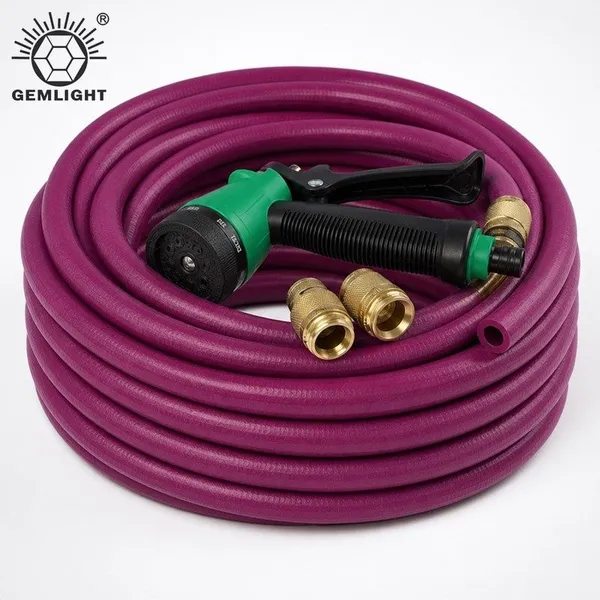 Read More
-
Private Label Garden Hose MOQ from China
October 30, 2026Private Label Garden Hose MOQ from ChinaMOQ is the first number that stops a new buyer. It usually looks arbitrary and often is no Read More
-
How to Inspect Garden Hoses Before Shipment
October 30, 2026How to Inspect Garden Hoses Before ShipmentAn inspection on the last day before loading finds problems you cannot fix. A plan buil Read More

Contact Us
Recommended Products
-
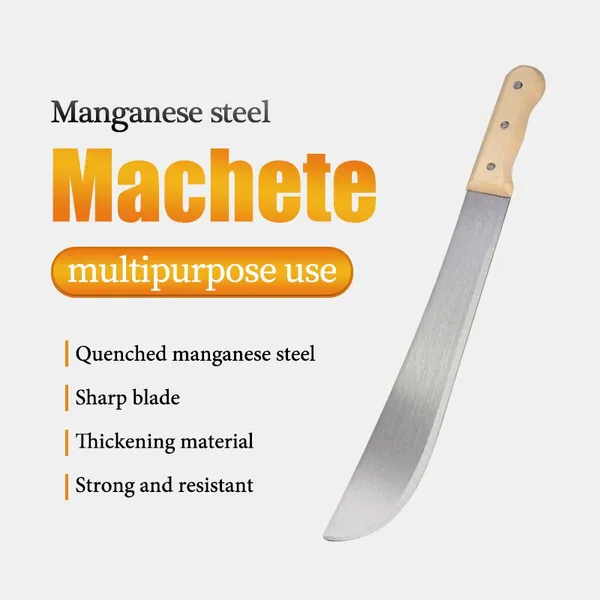
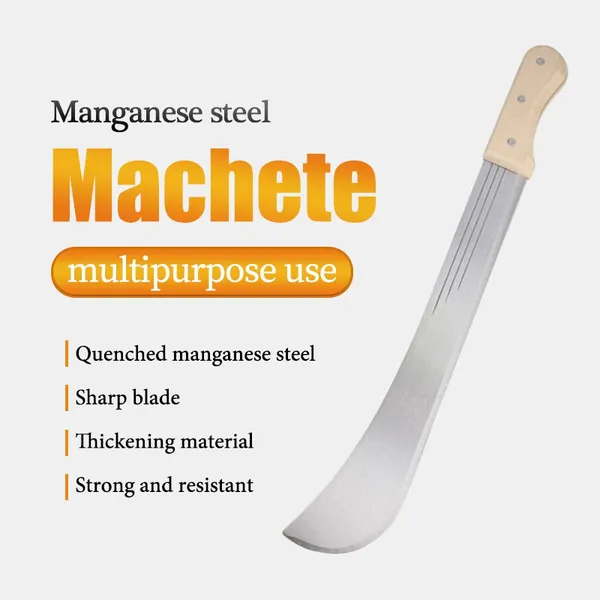
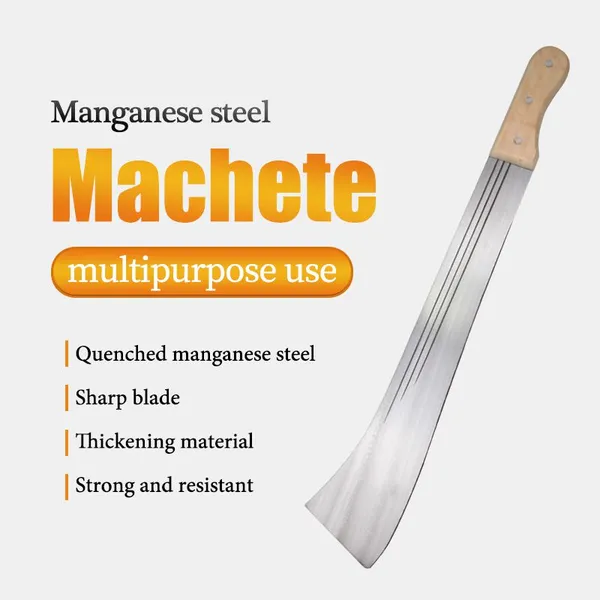
 Heavy Duty Cane Knife Machete for Wholesale Buyers Factory Direct Export for Rural Agricultural Projects Durable Hand ToolNegotiableMOQ: 1200 Pieces
-
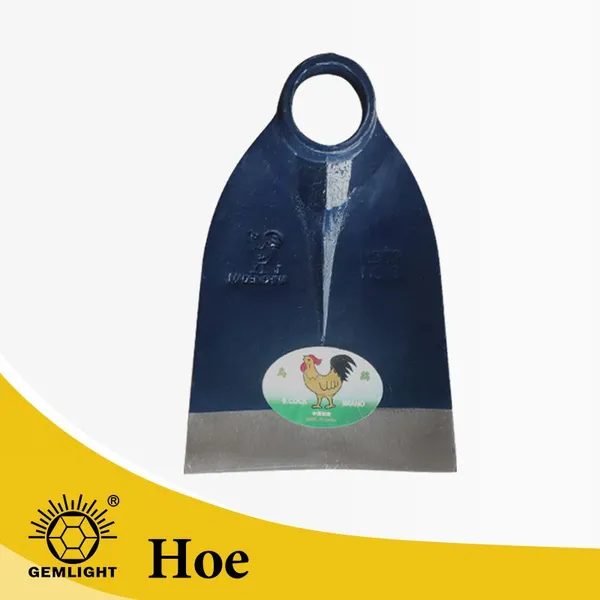
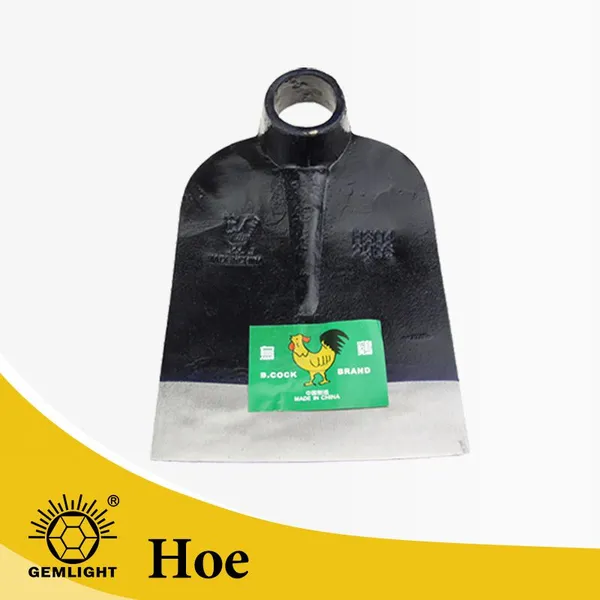
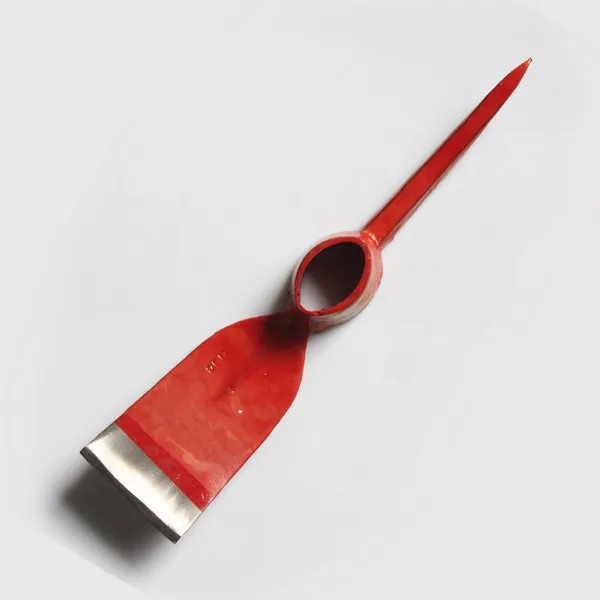
Agricultural Hoe Head Garden Rail Steel Tool for Tough Soil Cheap Price Hand ToolsUS$ 1.07 - 1.27MOQ: 1200 Pieces
-
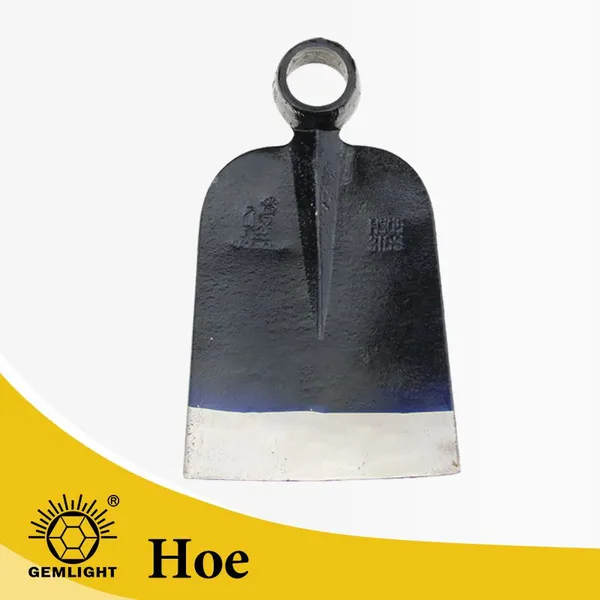
Sturdy Rail Steel Hoe for Weeding, H305 Perfect for Agricultural and Garden TasksUS$ 1.07 - 1.27MOQ: 1200 Pieces
-
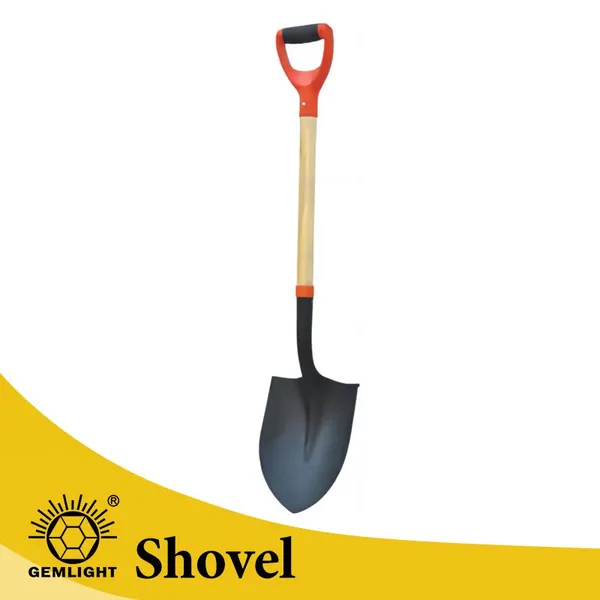
Heavy Duty Manganese Steel Garden Shovel Round Point Digging Shovel With Wooden Handle Farm Tool SupplierUS$ 2.14 - 2.36MOQ: 1200 Pieces
-
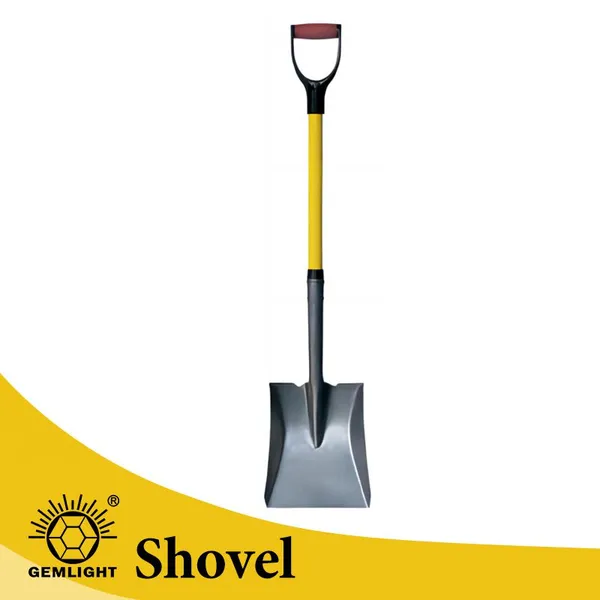
Big Shovel Wide Shovel Mud Shovel Heavy Duty Steel Blade for Farm Drainage Soil Moving Cleaning and Landscaping UseUS$ 2.14 - 2.36MOQ: 1200 Pieces
-
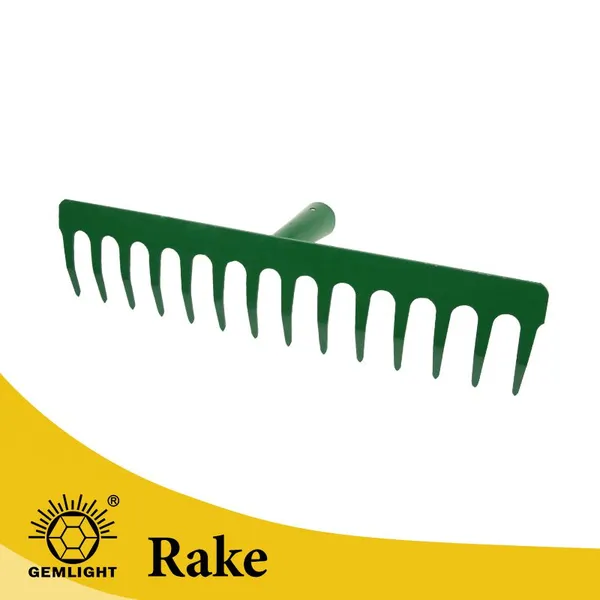
Strong Teeth Soil Rake for Farm Tool Suppliers Private Label Export for Farm Maintenance African Distribution Factory Bulk OrderUS$ 0.88 - 1.35MOQ: 2000 Pieces
-
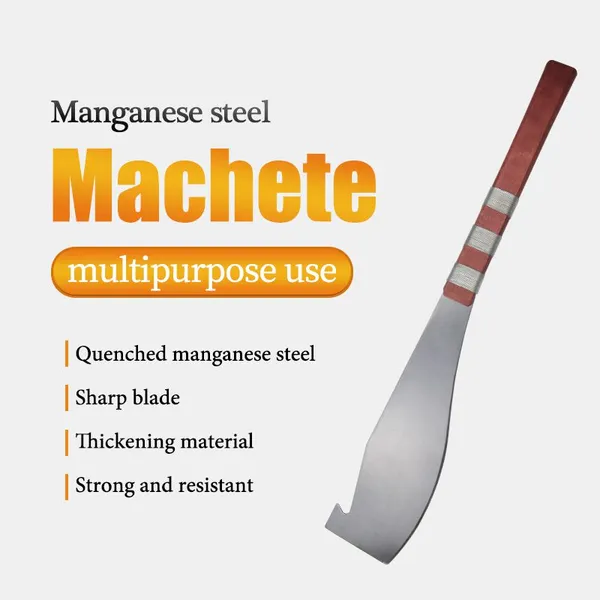
Manual Cane Knife Machete for Wholesale Buyers Factory Direct Export for Rural Agricultural Projects Durable Hand ToolNegotiableMOQ: 1200 Pieces
-
Large High Carbon Steel Machete Knife Agricultural Machete for Farming Bush Cutting Garden Tool SupplierNegotiableMOQ: 1200 Pieces
-
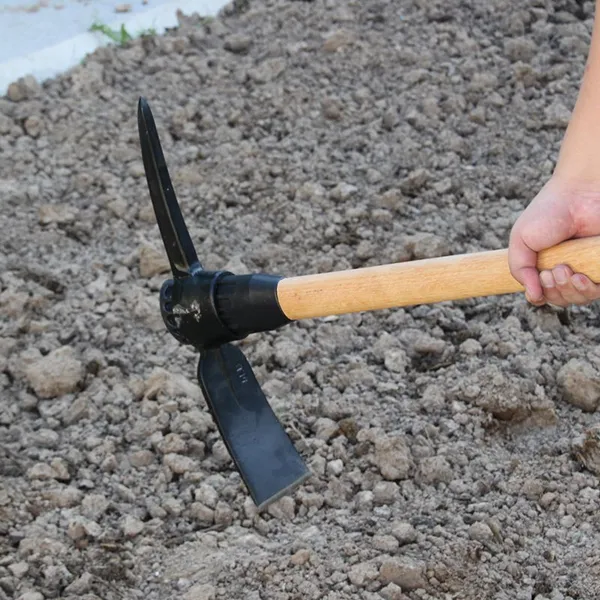
Wholesale Heavy Duty Pick Mattock for Mining Road Work and Farm Digging for Wholesale Tool Dealers With Bulk Order ServiceUS$ 1.85 - 2.3MOQ: 1200 Pieces
-
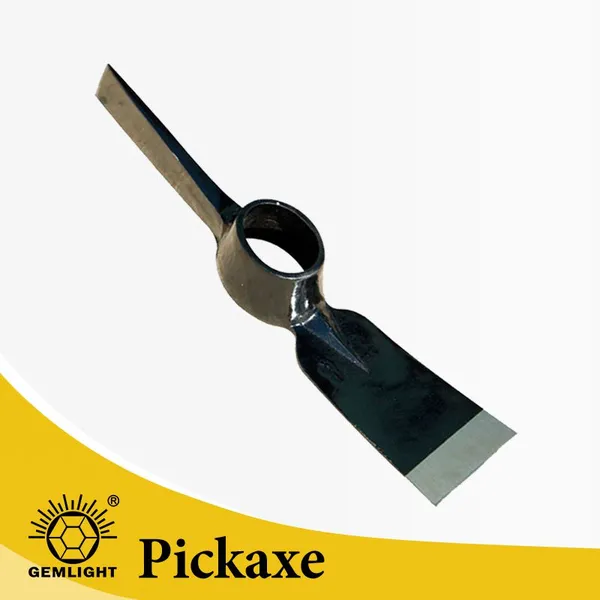
Carbon Steel Manual Pickaxe for Hard Soil Breaking and Trenching for African Importers With OEM Bulk Order Support Agricultural ToolUS$ 1.85 - 2.3MOQ: 1200 Pieces
-
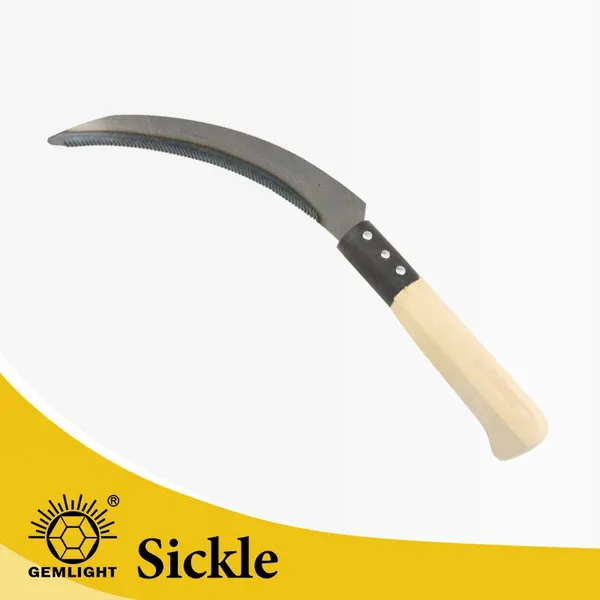
OEM Farm Sickle With Sharp Blade for African Importers OEM Bulk Order Support for Harvesting and Smallholder Farming for Wholesale BUS$ 0.28 - 0.33MOQ: 3000 Pieces
-
Heavy Duty Manganese Steel Round Point Shovel Garden Digging Shovel With Wooden Handle Agricultural Tool ManufacturerUS$ 2.14 - 2.36MOQ: 1200 Pieces
-
Farm Shovel Factory Supply for Regional Import Distributors Bulk Wholesale Supply for Garden Work and Trenching for Agricultural DealersUS$ 2.14 - 2.36MOQ: 1200 Pieces
-
Heavy Duty Garden Rake for African Importers OEM Factory Supply for Agricultural Use African Market Factory Bulk OrderUS$ 0.88 - 1.35MOQ: 2000 Pieces
-
Agricultural Soil Rake for Agricultural Dealers Export Supply for Garden Cleaning African Dealer Channels Factory Bulk OrderUS$ 0.88 - 1.35MOQ: 2000 Pieces
-
Manual Farm Machete for African Importers OEM Factory Supply for Farming and Land Clearing Durable Hand ToolNegotiableMOQ: 1200 Pieces
-
Large Heavy Duty Carbon Steel Garden Landscaping Digging HoeUS$ 1.07 - 1.27MOQ: 1200 Pieces
-
Heavy Duty Rail Steel Mattock Pick Axe With Wooden Handle for Digging Soil Mining and Agricultural Tool SupplierUS$ 1.85 - 2.3MOQ: 1200 Pieces
-
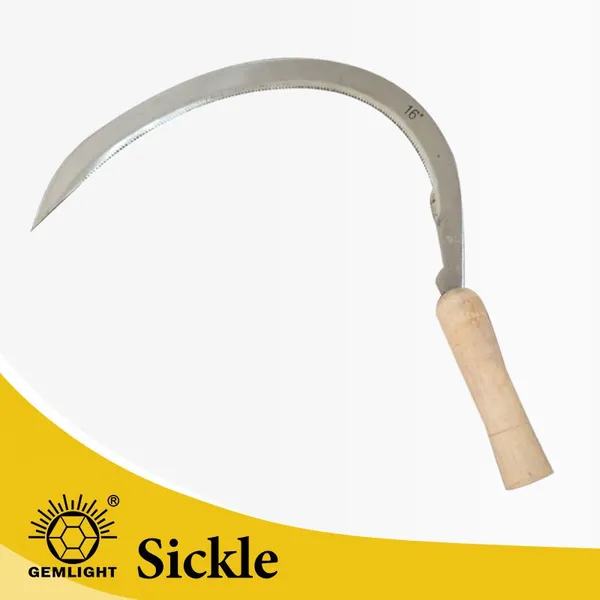
Forged Farm Sickle With Sharp Blade for African Importers OEM Bulk Order Support for Harvesting and Smallholder Farming for WholesalUS$ 0.28 - 0.33MOQ: 3000 Pieces
-
Strong Carbon Steel Farming Sickle for Uganda Tanzania Zambia Agricultural Tool DistributorsUS$ 0.34 - 0.47MOQ: 3000 Pieces