
 Business License

Garden Hose Certificates Buyers Should Demand
Garden Hose Certificates Buyers Should Demand
A certificate is not proof of quality. It is proof that someone tested a sample on a date.
Buyers who collect certificates without reading them end up with a folder and no answers.
This guide covers which reports matter, what each one proves, and where the real risk sits.

Which reports matter for the EU
Europe asks the most questions about chemicals, because the rules are written product by product.
REACH SVHC screening is the baseline. It checks the candidate list of substances of very high concern, which grows every year.
REACH Annex XVII covers restricted substances. For hose, the phthalate entry and the PAH entry matter most.
Germany adds the AfPS GS 2019:01 PAH method, which classifies products by skin contact and use.
The categories decide the limit. Argue the category before you argue the result.
Packaging law matters too. Germany's packaging register and the French Triman marking are compliance items, not decoration.
For hoses sold with a spray gun or electrical parts, RoHS may apply to those components.
Ask for reports with the tested material named. A report on a black PVC compound does not cover your blue cover.
Check the laboratory. A test report from an accredited lab carries more weight than an internal sheet.
Check that the report covers the exact colour and compound you buy. Colourants change the formulation.
Which reports matter for the US
The US approach is different. There is less product-specific chemical law and more liability.
California Proposition 65 drives most retail requests. It covers a long list of substances, including lead and some phthalates.
Retailers often ask for a Prop 65 statement rather than a test. Read the wording, because it shifts risk.
FDA rules apply to hose used for food or drinking water contact. Title 21 covers rubber and plastic articles.
For drinking water, NSF/ANSI 61 is the reference standard. Some buyers also ask for a state-level approval.
FTC rules on "phthalate free" claims matter for marketing. A claim without test backing is a liability.
Ask which state your buyer sells into. Prop 65 exposure differs with the retail channel, not just the country.
Some retailers require a Prop 65 warning label rather than a report. Read the requirement before printing.
How phthalate and PAH testing works
Both tests look for substances that migrate out of the plastic, not just for what is inside it.
Phthalate testing usually starts with a solvent extraction, then a GC-MS analysis. The result is a percentage by weight.
The restricted phthalates under REACH are limited to 0.1 percent by weight in plasticised material. That limit applies to each substance.
PAH testing uses a similar extraction and reports each of the listed compounds in milligrams per kilogram.
Limits depend on the category. Products with prolonged skin contact face tighter limits than occasional-contact items.
Hose sits in a grey zone. A garden hose touches hands often, so many buyers apply the stricter category.
Ask for the report with the limit and the result side by side. A pass without a stated limit means nothing.
Check the sample date. A three-year-old report on a changed formulation is a historical document.
Ask how often the factory re-tests. Annual testing is normal; testing only on request is a warning sign.
When a food-grade or drinking water hose is required
This comes up more often than expected, especially in promotions and aid projects.
A drinking water hose is required when the hose may fill a tank, a trough or a potable supply. Camping and RV markets ask for it constantly.
Food-grade applies when the hose touches food surfaces or fills food containers. Dairy and catering buyers ask for it.
The standards differ. NSF/ANSI 61 is the US reference. In Europe, national schemes and food contact rules apply.
A "food grade" sticker is not a standard. Ask which standard, which lab and which result.
Drinking water claims are checked at retail in some markets. A wrong label is a recall, not a return.
Note the difference between a hose that is phthalate free and a hose that is certified for drinking water. They are not the same claim.
If you sell into a regulated channel, test once and keep the report current. Re-testing after a compound change is normal.
Ask for the declaration of conformity in your company name where the channel requires one.
Most hose failures in the EU come from a changed compound, not from a missing certificate.
Ask the factory to notify you in writing before any material change. Then re-test the affected claim.
Budget for one full test round per year. It is cheaper than a recall and faster than a customs hold.
RFQ checklist for certificates and reports
Ask for documents by name, with dates and material references.
REACH SVHC screening report with date
REACH Annex XVII phthalate result against the 0.1 percent limit
PAH report, with the method and limits stated
AfPS GS 2019:01 report if selling in Germany
RoHS declaration for any electrical accessory
Prop 65 statement or test for US retail
FDA compliance statement for food contact use
NSF/ANSI 61 or equivalent if drinking water is claimed
ISO 9001 certificate with a valid scope
Social audit report if your buyer requires one
Packaging compliance documents for Germany and France
Lab name, accreditation number and sample date
Keep the reports with the PO and the batch code. A certificate you cannot link to a shipment is a brochure.
Check the certificate holder name. A report issued to another factory does not cover your goods.
Recently Posted
-
Boot Lining Guide for Cold and Hot Climate Markets
November 5, 2026Boot Lining Guide for Cold and Hot Climate MarketsLining is the part of the boot nobody photographs and everybody feels.It decides Read More
-
Gumboot Size Chart: EU, UK and US Conversion
November 5, 2026Gumboot Size Chart: EU, UK and US ConversionSize is the cheapest thing to fix and the most expensive thing to get wrong.A return c Read More
-
Boot Outsole Guide: Nitrile, PU and Rubber Compared
November 5, 2026Boot Outsole Guide: Nitrile, PU and Rubber ComparedThe upper sells the boot. The outsole decides whether the customer buys again.M
Read More -
Steel Toe vs Composite Toe Boots: Which to Import
November 5, 2026Steel Toe vs Composite Toe Boots: Which to ImportBoth caps pass the same impact test. Both protect at 200 joules. The difference i Read More

Contact Us
Recommended Products
-
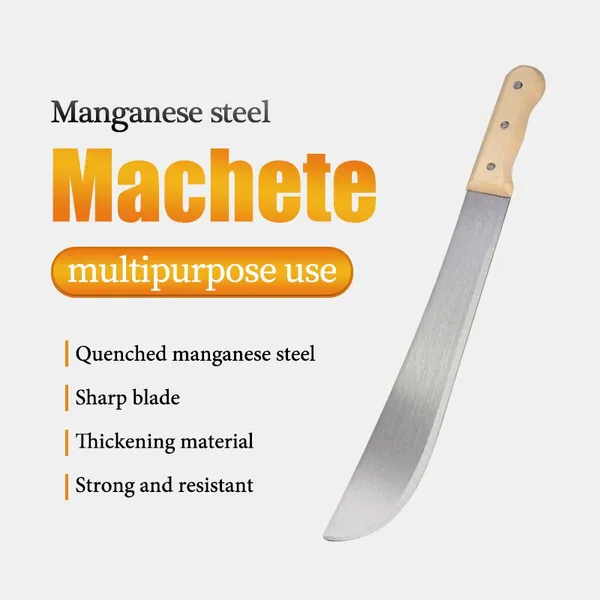
 Heavy Duty Cane Knife Machete for Wholesale Buyers Factory Direct Export for Rural Agricultural Projects Durable Hand ToolNegotiableMOQ: 1200 Pieces
-
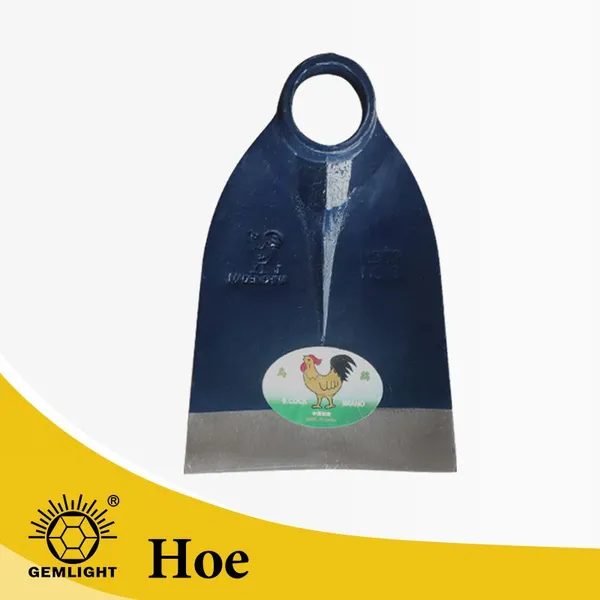
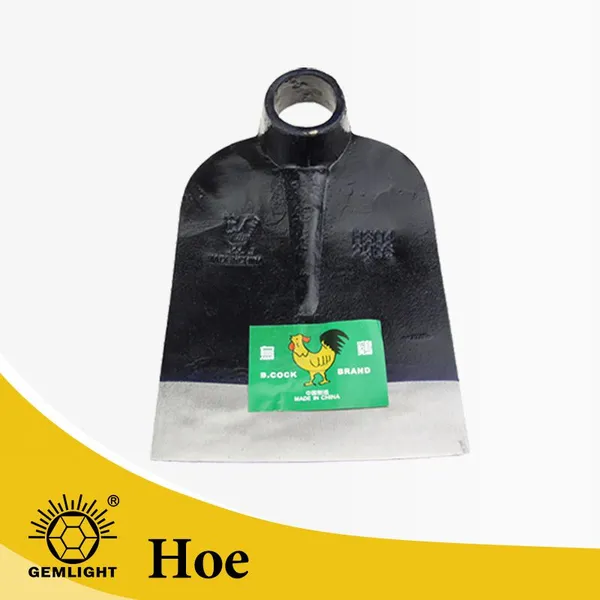
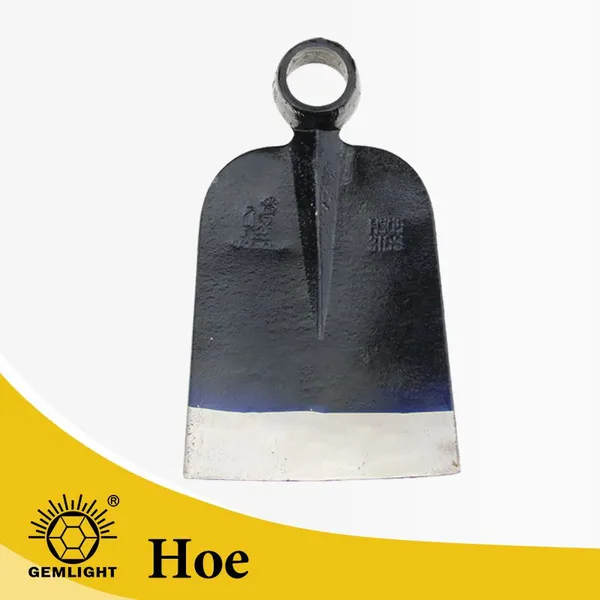
Agricultural Hoe Head Garden Rail Steel Tool for Tough Soil Cheap Price Hand ToolsUS$ 1.07 - 1.27MOQ: 1200 Pieces
-
Sturdy Rail Steel Hoe for Weeding, H305 Perfect for Agricultural and Garden TasksUS$ 1.07 - 1.27MOQ: 1200 Pieces
-
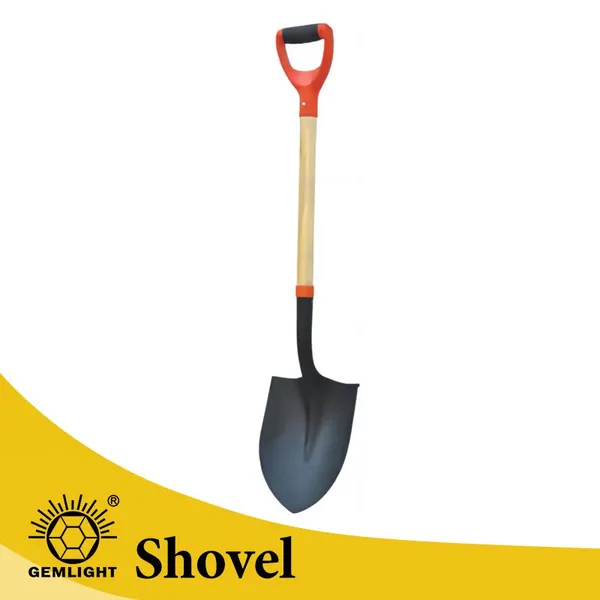
Heavy Duty Manganese Steel Garden Shovel Round Point Digging Shovel With Wooden Handle Farm Tool SupplierUS$ 2.14 - 2.36MOQ: 1200 Pieces
-
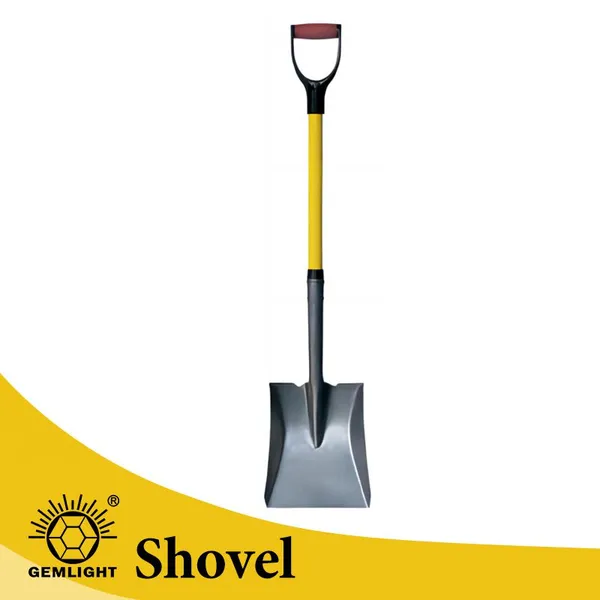
Big Shovel Wide Shovel Mud Shovel Heavy Duty Steel Blade for Farm Drainage Soil Moving Cleaning and Landscaping UseUS$ 2.14 - 2.36MOQ: 1200 Pieces
-
Strong Teeth Soil Rake for Farm Tool Suppliers Private Label Export for Farm Maintenance African Distribution Factory Bulk OrderUS$ 0.88 - 1.35MOQ: 2000 Pieces
-
Manual Cane Knife Machete for Wholesale Buyers Factory Direct Export for Rural Agricultural Projects Durable Hand ToolNegotiableMOQ: 1200 Pieces
-
Large High Carbon Steel Machete Knife Agricultural Machete for Farming Bush Cutting Garden Tool SupplierNegotiableMOQ: 1200 Pieces
-
Wholesale Heavy Duty Pick Mattock for Mining Road Work and Farm Digging for Wholesale Tool Dealers With Bulk Order ServiceUS$ 1.85 - 2.3MOQ: 1200 Pieces
-
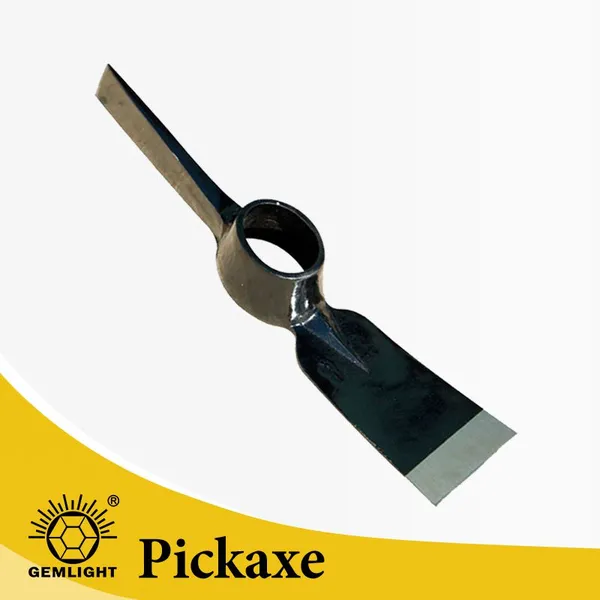
Carbon Steel Manual Pickaxe for Hard Soil Breaking and Trenching for African Importers With OEM Bulk Order Support Agricultural ToolUS$ 1.85 - 2.3MOQ: 1200 Pieces

-
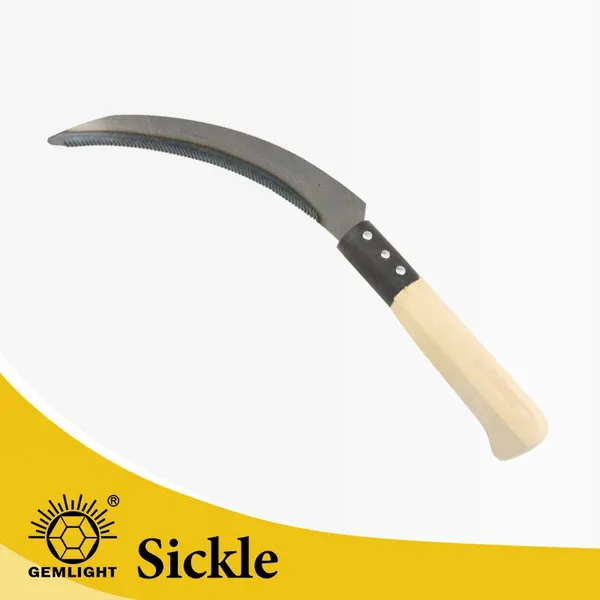
OEM Farm Sickle With Sharp Blade for African Importers OEM Bulk Order Support for Harvesting and Smallholder Farming for Wholesale BUS$ 0.28 - 0.33MOQ: 3000 Pieces
-
Heavy Duty Manganese Steel Round Point Shovel Garden Digging Shovel With Wooden Handle Agricultural Tool ManufacturerUS$ 2.14 - 2.36MOQ: 1200 Pieces
-
Farm Shovel Factory Supply for Regional Import Distributors Bulk Wholesale Supply for Garden Work and Trenching for Agricultural DealersUS$ 2.14 - 2.36MOQ: 1200 Pieces
-
Heavy Duty Garden Rake for African Importers OEM Factory Supply for Agricultural Use African Market Factory Bulk OrderUS$ 0.88 - 1.35MOQ: 2000 Pieces
-
Agricultural Soil Rake for Agricultural Dealers Export Supply for Garden Cleaning African Dealer Channels Factory Bulk OrderUS$ 0.88 - 1.35MOQ: 2000 Pieces


-
Manual Farm Machete for African Importers OEM Factory Supply for Farming and Land Clearing Durable Hand ToolNegotiableMOQ: 1200 Pieces
-
Large Heavy Duty Carbon Steel Garden Landscaping Digging HoeUS$ 1.07 - 1.27MOQ: 1200 Pieces
-
Heavy Duty Rail Steel Mattock Pick Axe With Wooden Handle for Digging Soil Mining and Agricultural Tool SupplierUS$ 1.85 - 2.3MOQ: 1200 Pieces
-
Forged Farm Sickle With Sharp Blade for African Importers OEM Bulk Order Support for Harvesting and Smallholder Farming for WholesalUS$ 0.28 - 0.33MOQ: 3000 Pieces
-
Strong Carbon Steel Farming Sickle for Uganda Tanzania Zambia Agricultural Tool DistributorsUS$ 0.34 - 0.47MOQ: 3000 Pieces