
 Business License

HS Code for Garden Hose: Classification and Duty Guide
HS Code for Garden Hose: Classification and Duty Guide
The HS code decides your duty rate, your licence requirements and sometimes whether the goods clear at all.
Garden hose is easy to classify badly. Two similar coils can sit in different subheadings for one structural reason.
This guide walks through the classification logic, then the duty and documentation.
How plastic and rubber hoses are classified
The first question is material, not use.
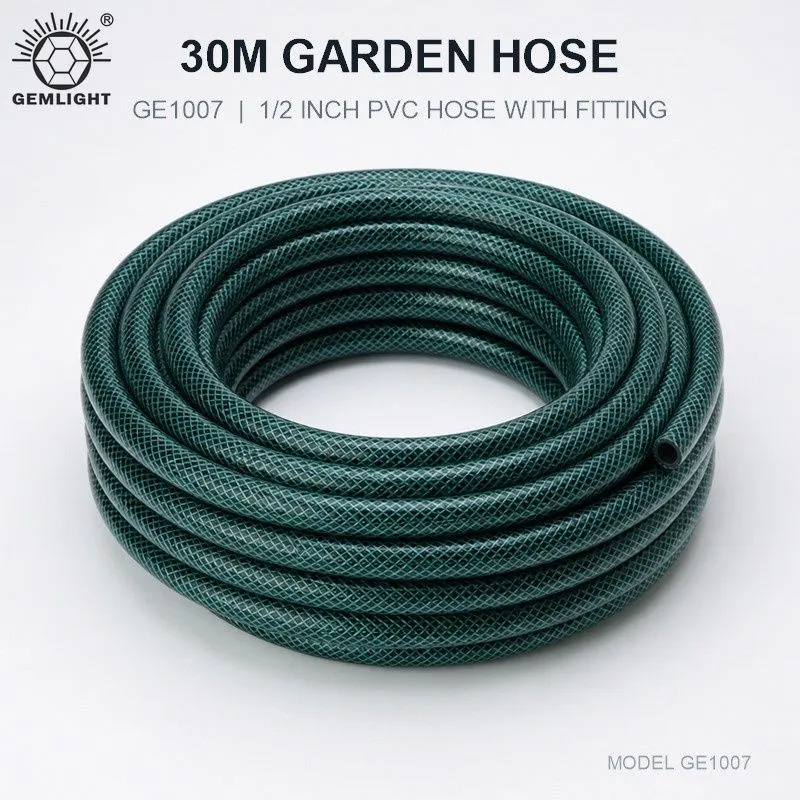
Plastic hose sits in Chapter 39, under heading 3917. That covers tubes, pipes and hoses of plastics.
Rubber hose sits in Chapter 40, under heading 4009. That covers tubes and pipes of vulcanised rubber.
A garden hose is almost always one of these two. A hose with a plastic tube and a rubber-like cover is still classified by its essential material.
Expandable hose is usually plastic, because the inner tube is a synthetic polymer.
Textile-covered hose is classified by the tube material, not the sleeve. The sleeve is a reinforcement, not the body.
Expandable hose usually sits with plastic tube, because the sleeve is fabric and the tube is polymer.
Read the product's construction before you read the tariff. The tariff follows the wall.
Ask the factory which code it declares on export. A mismatch between export and import codes invites questions.

How reinforcement and fittings change the code
Inside 3917, the subheading depends on two features: reinforcement and fittings.
Code 3917.32 covers plastic hose that is not reinforced and has no fittings. A simple single-layer PVC hose fits here.
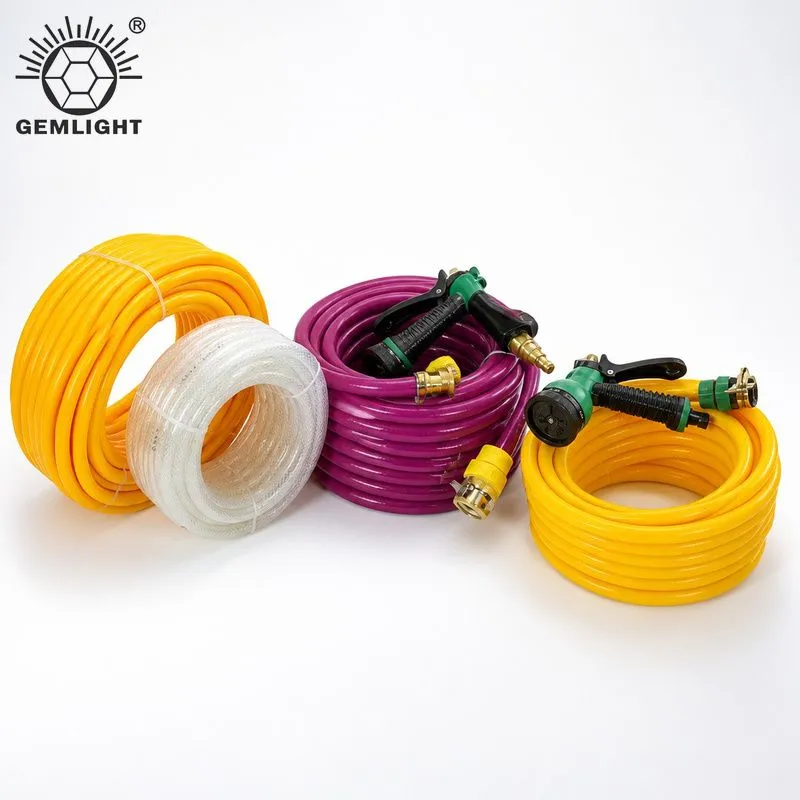
Code 3917.33 covers the same unreinforced hose, but with fittings attached.
Code 3917.39 covers other plastic hose, which includes reinforced hose with or without fittings. Most braided garden hose lands here.
Code 3917.31 is a narrow category for flexible hose with a minimum burst pressure of 27.6 MPa, roughly 4,000 psi. Garden hose does not reach it.
In Chapter 40, 4009.32 covers rubber hose reinforced only with textile, without fittings. 4009.42 covers the same hose with fittings.
Hose with a plastic liner and a rubber cover still needs a decision. Document the reasoning and keep it on file.
So a braided PVC garden hose is usually 3917.39, not 3917.32. That is the most common classification error in this product.
Check the code in the destination tariff, not only in the six-digit system. National splits differ.
The first six digits are harmonised; the rest are national. Compare like with like before you quote a duty rate.
How duty is calculated at import
Duty is charged on the customs value, not on your selling price.
Customs value is normally the transaction value, adjusted to the agreed Incoterm. Under CIF terms, freight and insurance are included.
Multiply the value by the duty rate for the code and the origin country. Then add local taxes on the duty-inclusive value.
Preferential rates depend on origin and on trade agreements. The same hose from two countries can carry different rates.
Additional trade measures may apply to specific origins. These change with policy, so check the current position with your broker.
Rates for plastic hose are usually low single digits under most-favoured-nation terms. Do not budget from memory.
Ask for the rate in your own currency at today's exchange rate. Old quotations mislead on duty as well as price.
Ask your broker for the rate in writing, with the code, the origin and the date. Keep that note with the shipment file.
Ask about quota and licensing too. Some markets apply both, and neither shows in the tariff line.
Which documents speed up clearance
Clearance problems usually come from paperwork, not from the goods.
The commercial invoice must describe the product properly. "Garden hose, PVC, braided, 5/8 inch, with fittings" beats "plastic items".
The packing list must match the carton marks exactly. Mismatched counts trigger inspection.
Give the broker a product photo with the shipment. It answers half the questions before anyone asks.
The bill of lading must name the same parties as the invoice. Small inconsistencies cost days.
A certificate of origin unlocks preferential rates where they apply. Ask for it before shipment, not after arrival.
Test reports help when an inspector questions the material. Keep the REACH or phthalate report with the file.
Product labelling matters too. Missing country of origin marking can stop a release in some markets.
Mark the origin on the hose and on the carton where rules require it. One label rarely satisfies both.
Send the full document set to your broker before the vessel sails. Fixing errors at sea is easier than at the port.
Material decides the chapter. Reinforcement and fittings decide the subheading. Origin and value decide the duty.
Most braided PVC garden hose is classified as reinforced plastic hose, not as simple unreinforced tube.
Get the description right on the invoice, and the rest of the file usually follows.
RFQ checklist for classification and duty
Ask the supplier for these details with every shipment.
Material of the tube and the cover
Reinforcement type, if any
Fittings attached or separate
HS code the factory uses on export documents
Description text used on the commercial invoice
Country of origin stated on the label
Certificate of origin availability
Test reports supporting the material claim
Net and gross weight per carton
Units per carton and total carton count
Previous shipments with the same code
Broker contact used for export clearance
Then confirm the code with your own broker for your destination. Classification is a legal position, not a catalogue field.
Recently Posted
-
Boot Lining Guide for Cold and Hot Climate Markets
November 5, 2026Boot Lining Guide for Cold and Hot Climate MarketsLining is the part of the boot nobody photographs and everybody feels.It decides Read More
-
Gumboot Size Chart: EU, UK and US Conversion
November 5, 2026Gumboot Size Chart: EU, UK and US ConversionSize is the cheapest thing to fix and the most expensive thing to get wrong.A return c Read More
-
Boot Outsole Guide: Nitrile, PU and Rubber Compared
November 5, 2026Boot Outsole Guide: Nitrile, PU and Rubber ComparedThe upper sells the boot. The outsole decides whether the customer buys again.M
Read More -
Steel Toe vs Composite Toe Boots: Which to Import
November 5, 2026Steel Toe vs Composite Toe Boots: Which to ImportBoth caps pass the same impact test. Both protect at 200 joules. The difference i Read More

Contact Us
Recommended Products
-
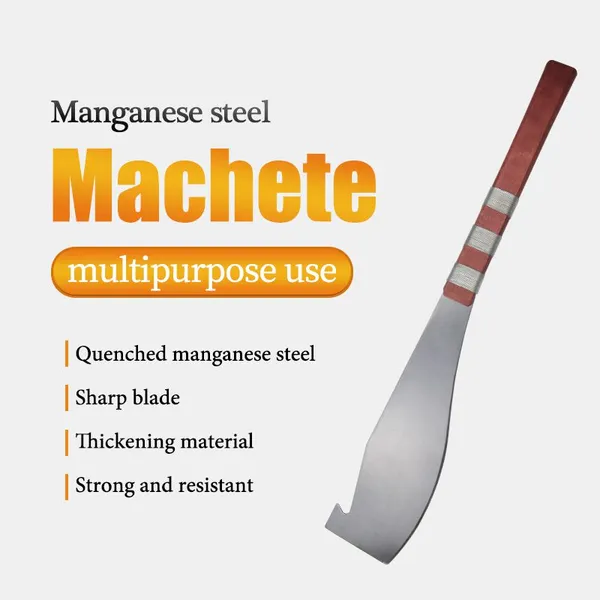
 Heavy Duty Cane Knife Machete for Wholesale Buyers Factory Direct Export for Rural Agricultural Projects Durable Hand ToolNegotiableMOQ: 1200 Pieces
-
Agricultural Hoe Head Garden Rail Steel Tool for Tough Soil Cheap Price Hand ToolsUS$ 1.07 - 1.27MOQ: 1200 Pieces
-
Sturdy Rail Steel Hoe for Weeding, H305 Perfect for Agricultural and Garden TasksUS$ 1.07 - 1.27MOQ: 1200 Pieces
-
Heavy Duty Manganese Steel Garden Shovel Round Point Digging Shovel With Wooden Handle Farm Tool SupplierUS$ 2.14 - 2.36MOQ: 1200 Pieces
-
Big Shovel Wide Shovel Mud Shovel Heavy Duty Steel Blade for Farm Drainage Soil Moving Cleaning and Landscaping UseUS$ 2.14 - 2.36MOQ: 1200 Pieces
-
Strong Teeth Soil Rake for Farm Tool Suppliers Private Label Export for Farm Maintenance African Distribution Factory Bulk OrderUS$ 0.88 - 1.35MOQ: 2000 Pieces
-
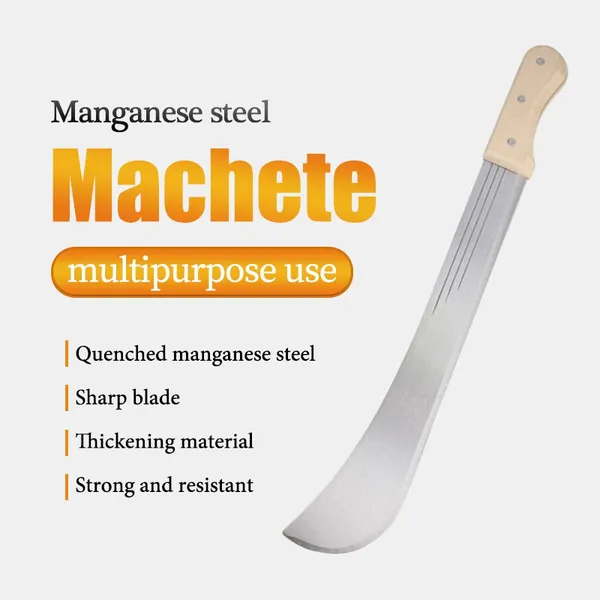
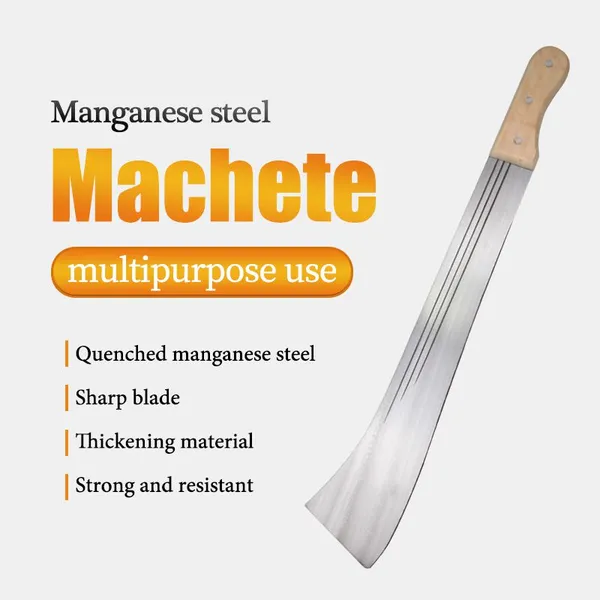
Manual Cane Knife Machete for Wholesale Buyers Factory Direct Export for Rural Agricultural Projects Durable Hand ToolNegotiableMOQ: 1200 Pieces
-
Large High Carbon Steel Machete Knife Agricultural Machete for Farming Bush Cutting Garden Tool SupplierNegotiableMOQ: 1200 Pieces
-
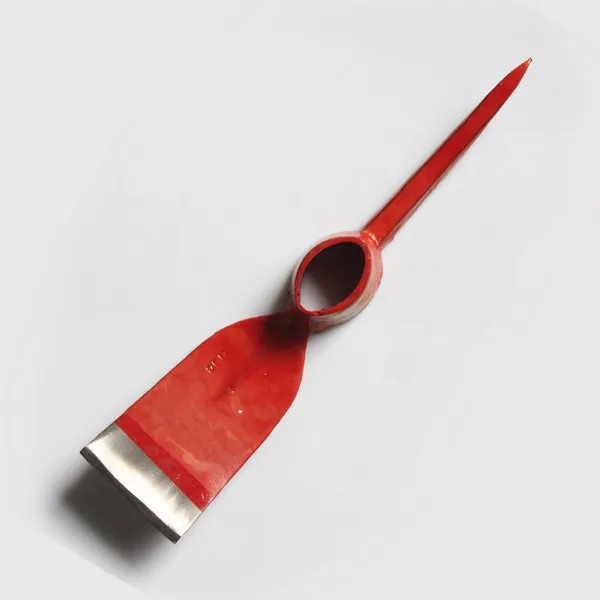
Wholesale Heavy Duty Pick Mattock for Mining Road Work and Farm Digging for Wholesale Tool Dealers With Bulk Order ServiceUS$ 1.85 - 2.3MOQ: 1200 Pieces
-
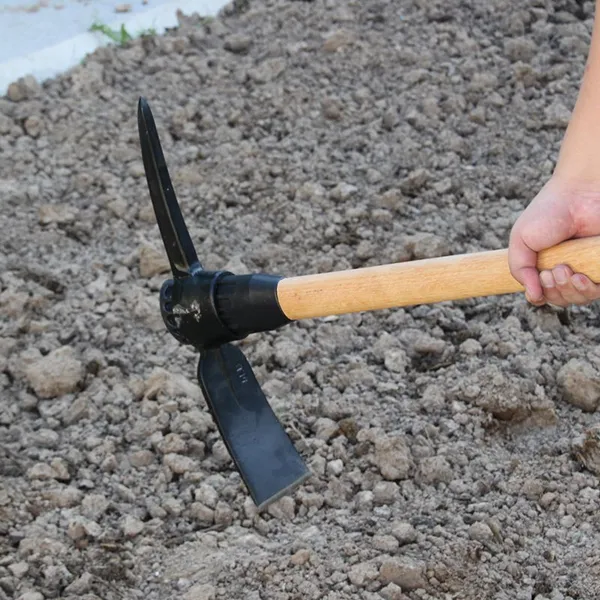
Carbon Steel Manual Pickaxe for Hard Soil Breaking and Trenching for African Importers With OEM Bulk Order Support Agricultural ToolUS$ 1.85 - 2.3MOQ: 1200 Pieces

-
OEM Farm Sickle With Sharp Blade for African Importers OEM Bulk Order Support for Harvesting and Smallholder Farming for Wholesale BUS$ 0.28 - 0.33MOQ: 3000 Pieces
-
Heavy Duty Manganese Steel Round Point Shovel Garden Digging Shovel With Wooden Handle Agricultural Tool ManufacturerUS$ 2.14 - 2.36MOQ: 1200 Pieces
-
Farm Shovel Factory Supply for Regional Import Distributors Bulk Wholesale Supply for Garden Work and Trenching for Agricultural DealersUS$ 2.14 - 2.36MOQ: 1200 Pieces
-
Heavy Duty Garden Rake for African Importers OEM Factory Supply for Agricultural Use African Market Factory Bulk OrderUS$ 0.88 - 1.35MOQ: 2000 Pieces
-
Agricultural Soil Rake for Agricultural Dealers Export Supply for Garden Cleaning African Dealer Channels Factory Bulk OrderUS$ 0.88 - 1.35MOQ: 2000 Pieces
-
Manual Farm Machete for African Importers OEM Factory Supply for Farming and Land Clearing Durable Hand ToolNegotiableMOQ: 1200 Pieces
-
Large Heavy Duty Carbon Steel Garden Landscaping Digging HoeUS$ 1.07 - 1.27MOQ: 1200 Pieces
-
Heavy Duty Rail Steel Mattock Pick Axe With Wooden Handle for Digging Soil Mining and Agricultural Tool SupplierUS$ 1.85 - 2.3MOQ: 1200 Pieces
-
Forged Farm Sickle With Sharp Blade for African Importers OEM Bulk Order Support for Harvesting and Smallholder Farming for WholesalUS$ 0.28 - 0.33MOQ: 3000 Pieces
-
Strong Carbon Steel Farming Sickle for Uganda Tanzania Zambia Agricultural Tool DistributorsUS$ 0.34 - 0.47MOQ: 3000 Pieces