
 Business License

Garden Hose Specs in Government and Aid Tenders
Garden Hose Specs in Government and Aid Tenders
Tender specifications are written by committees, not by gardeners. They are precise, repetitive and often copied from old files.
That is good news. The same hose specs appear across irrigation, agriculture and community garden programmes.
This guide explains how to read a tender hose spec and how to answer it without over-promising.
Which hose sizes appear in tenders
Tender hose is rarely a retail product. It is usually part of a kit or a bill of quantities.
Half inch hose dominates small irrigation kits. It is light, cheap and adequate for drip lines and hand watering.
Five eighth inch hose appears in larger community garden packages and in general-purpose kits.
Three quarter inch hose appears in main line and filling applications, especially where tanks are involved.
Lengths are usually round numbers: ten, fifteen, twenty, twenty five or fifty metres. Metric markets use metres only.
Tender documents sometimes specify the coil weight instead of the length. Read carefully, because the two do not always agree.
Convert the weight to length using the factory's metre weight before pricing. The gap can be large.
Where a size is given in inches and millimetres, meet both. A 5/8 inch hose must fall inside the metric tolerance band too.
Watch for dual units in the BOQ. A metric length and an imperial diameter in one line is common.
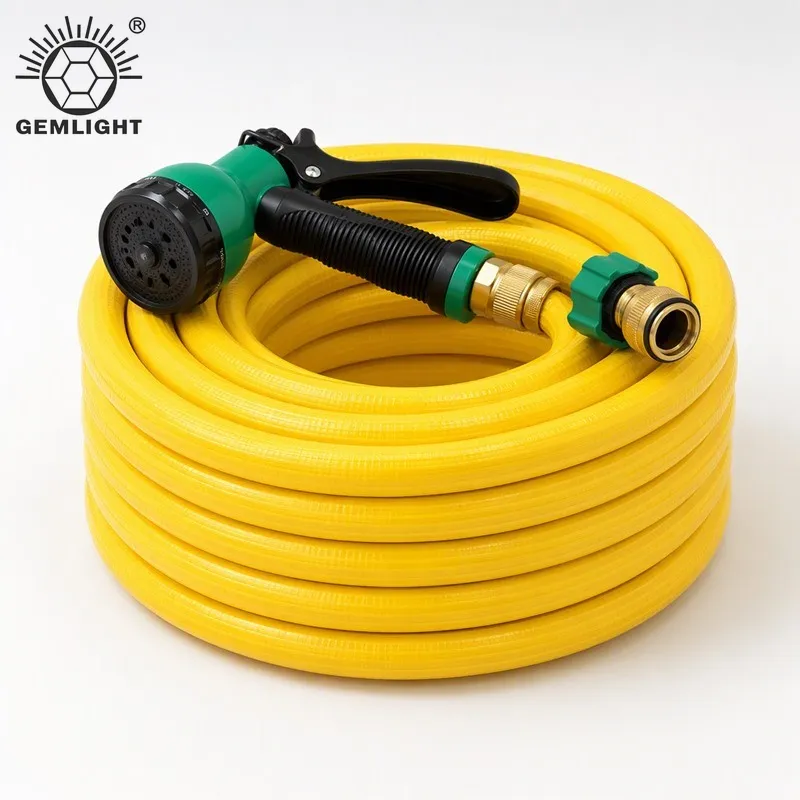
How specs are written by diameter, length and pressure
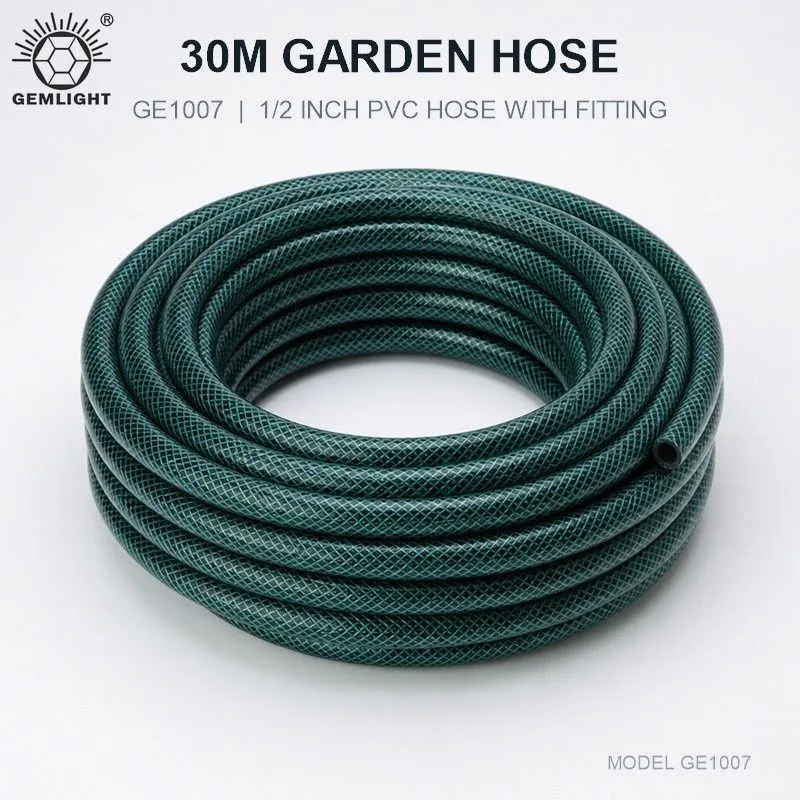
A typical technical specification has five lines that decide your offer.
Diameter, stated as nominal size with a tolerance. The tolerance is where cheap offers fail at inspection.
Length, stated per coil, often with a minus tolerance only. A short coil is a breach; a long one is a gift.
Working pressure, usually between 60 and 150 psi depending on the application.
Burst pressure, often written as a multiple of working pressure, such as three times.
Layer count or reinforcement type, sometimes described rather than numbered.
Fittings are described separately: material, thread standard and whether they are supplied attached.
Packaging is specified too, usually in terms of cartons per pallet or units per carton.
Marking requirements sit in an annex. Miss the annex and the goods can be rejected at delivery.
Read the whole clause before quoting. One missed tolerance can void an otherwise cheap offer.
Copy the spec into your own sheet and tick each line. Tender language hides requirements in footnotes.
Which accessories ship in an irrigation kit
Kits are where the margin usually sits, and where compliance is easiest to get wrong.
A basic kit contains the hose, a tap connector, a spray nozzle and a stop connector.
Check whether the tender names brands or standards for accessories. Generic wording gives you room.
Larger kits add a sprinkler, a Y connector, a repair mitten and a storage hanger.
Thread standard must match the destination country. A GHT kit sent to a BSP market fails at first use.
Aid programmes often ship to several countries. Agree one thread standard or supply adapters.
Material consistency matters. A kit mixing brass and plastic fittings looks careless to an evaluator.
Quantities per kit are stated in the BOQ. Do not substitute a cheaper accessory without written approval.
Packaging for kits is often a printed box with a contents list. That list is checked at inspection.
Photograph the assembled kit before packing. Evaluators accept photos where they distrust descriptions.
Keep one assembled kit in your office. It answers evaluation questions without a new shipment.
How to document compliance for inspection
Tender buyers rarely inspect the hose. They inspect the file.
Prepare a compliance matrix that answers each clause with a page reference. Evaluators love a matrix.
Attach test reports for pressure and material, with the lab name and the date.
Include a specification sheet per SKU with measured values, not catalogue claims.
Add photographs of the production line and the packing process. This supports the capacity claim.
State tolerances you can actually hold. A tighter promise wins points and loses money later.
Add a short note on packing and marking, even when the tender does not ask. It shows the offer was read properly.
Keep pre-shipment inspection access open. Many tenders require third-party inspection at your cost.
Name the standard you follow for testing. Unnamed standards invite questions.
Label every attachment with the clause number it answers. Evaluators score speed as much as content.
If you draft specifications for a project, keep them measurable.
State diameter with a tolerance, length with a tolerance and pressure with a test method.
Avoid words like heavy duty and premium quality. They cannot be inspected and always cause disputes.
RFQ checklist for a tender quotation
Send these questions to the factory before you price the bid.
Can you meet the exact diameter and tolerance in the spec
Length per coil and the tolerance you can guarantee
Working and burst pressure with a test report
Layer count and reinforcement type as specified
Fitting material and thread standard per kit
Accessory list and packaging format
Units per carton and cartons per pallet
Monthly capacity for the required delivery schedule
Third-party inspection acceptance
Test reports available before shipment
Lead time from PO to loading
Willingness to hold price for the tender validity period
The last item decides many bids. A price that expires before award is a price you cannot use.
Ask the factory to hold the price in writing, with a review clause if resin moves sharply.
Recently Posted
-
Boot Lining Guide for Cold and Hot Climate Markets
November 5, 2026Boot Lining Guide for Cold and Hot Climate MarketsLining is the part of the boot nobody photographs and everybody feels.It decides Read More
-
Gumboot Size Chart: EU, UK and US Conversion
November 5, 2026Gumboot Size Chart: EU, UK and US ConversionSize is the cheapest thing to fix and the most expensive thing to get wrong.A return c Read More
-
Boot Outsole Guide: Nitrile, PU and Rubber Compared
November 5, 2026Boot Outsole Guide: Nitrile, PU and Rubber ComparedThe upper sells the boot. The outsole decides whether the customer buys again.M
Read More -
Steel Toe vs Composite Toe Boots: Which to Import
November 5, 2026Steel Toe vs Composite Toe Boots: Which to ImportBoth caps pass the same impact test. Both protect at 200 joules. The difference i Read More

Contact Us
Recommended Products
-
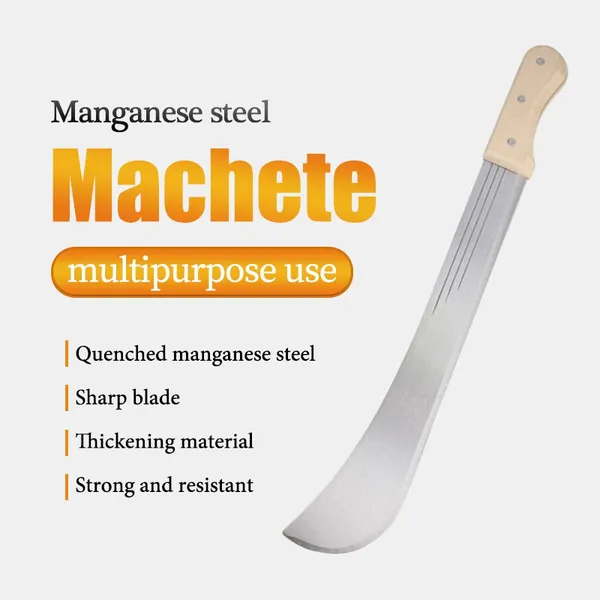
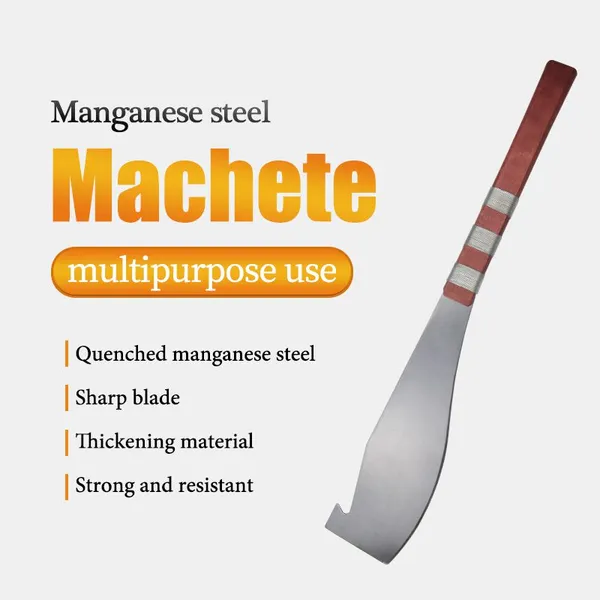
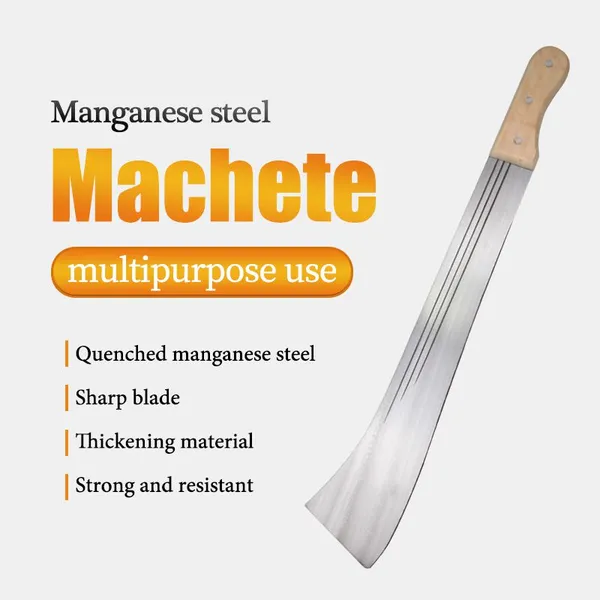
 Heavy Duty Cane Knife Machete for Wholesale Buyers Factory Direct Export for Rural Agricultural Projects Durable Hand ToolNegotiableMOQ: 1200 Pieces
-
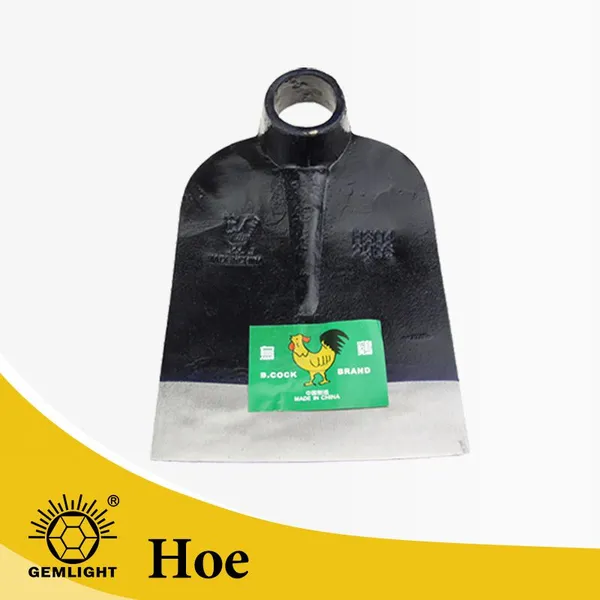
Agricultural Hoe Head Garden Rail Steel Tool for Tough Soil Cheap Price Hand ToolsUS$ 1.07 - 1.27MOQ: 1200 Pieces
-
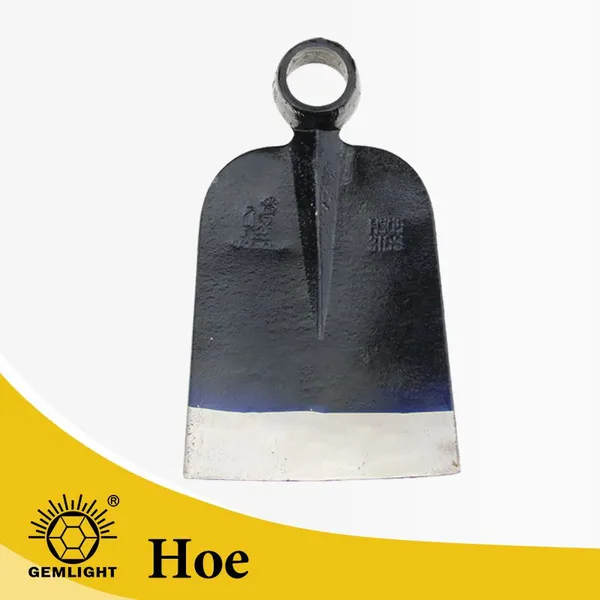
Sturdy Rail Steel Hoe for Weeding, H305 Perfect for Agricultural and Garden TasksUS$ 1.07 - 1.27MOQ: 1200 Pieces
-
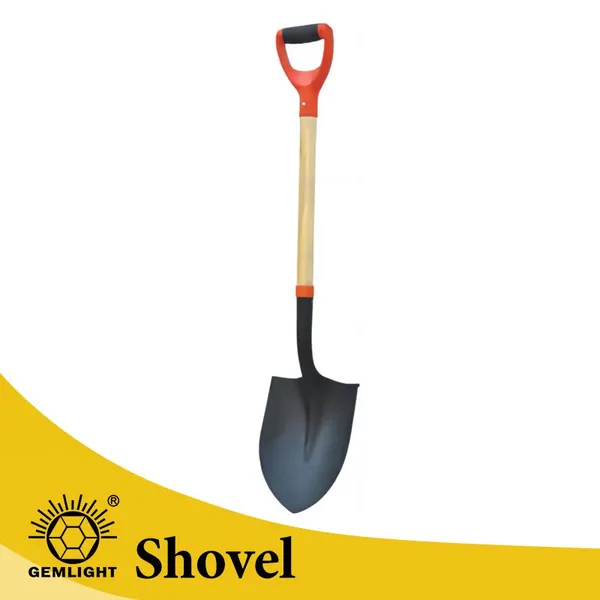
Heavy Duty Manganese Steel Garden Shovel Round Point Digging Shovel With Wooden Handle Farm Tool SupplierUS$ 2.14 - 2.36MOQ: 1200 Pieces
-
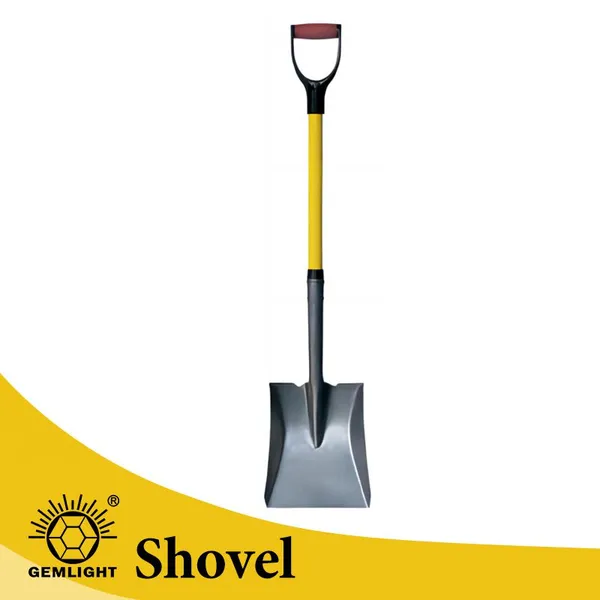
Big Shovel Wide Shovel Mud Shovel Heavy Duty Steel Blade for Farm Drainage Soil Moving Cleaning and Landscaping UseUS$ 2.14 - 2.36MOQ: 1200 Pieces
-
Strong Teeth Soil Rake for Farm Tool Suppliers Private Label Export for Farm Maintenance African Distribution Factory Bulk OrderUS$ 0.88 - 1.35MOQ: 2000 Pieces
-
Manual Cane Knife Machete for Wholesale Buyers Factory Direct Export for Rural Agricultural Projects Durable Hand ToolNegotiableMOQ: 1200 Pieces
-
Large High Carbon Steel Machete Knife Agricultural Machete for Farming Bush Cutting Garden Tool SupplierNegotiableMOQ: 1200 Pieces
-
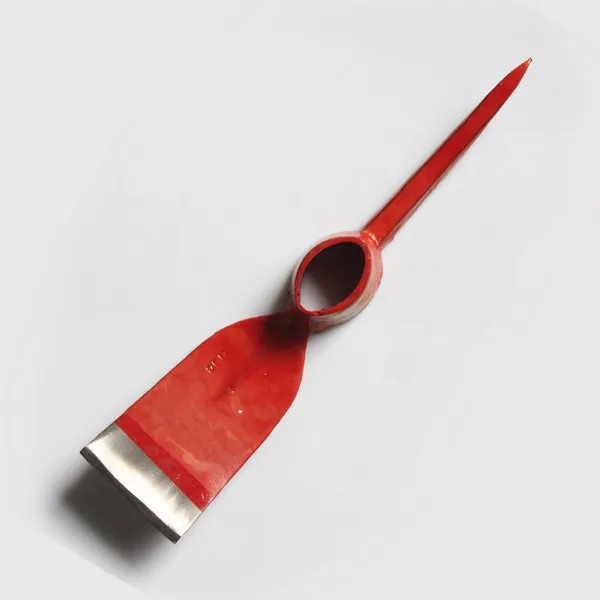
Wholesale Heavy Duty Pick Mattock for Mining Road Work and Farm Digging for Wholesale Tool Dealers With Bulk Order ServiceUS$ 1.85 - 2.3MOQ: 1200 Pieces
-
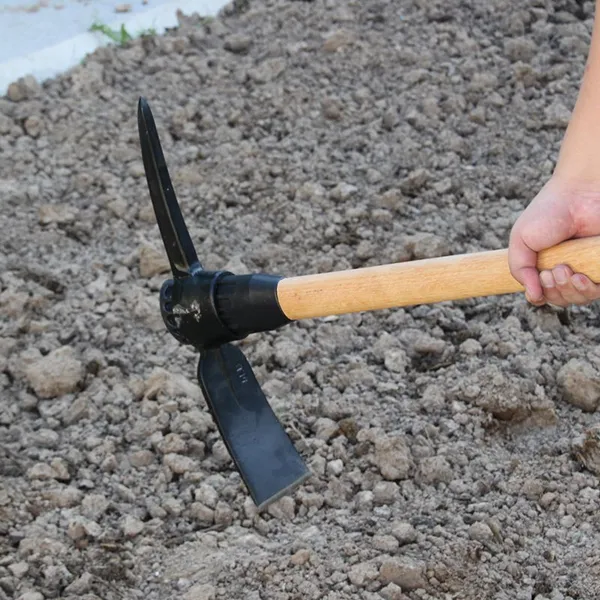
Carbon Steel Manual Pickaxe for Hard Soil Breaking and Trenching for African Importers With OEM Bulk Order Support Agricultural ToolUS$ 1.85 - 2.3MOQ: 1200 Pieces

-
OEM Farm Sickle With Sharp Blade for African Importers OEM Bulk Order Support for Harvesting and Smallholder Farming for Wholesale BUS$ 0.28 - 0.33MOQ: 3000 Pieces
-
Heavy Duty Manganese Steel Round Point Shovel Garden Digging Shovel With Wooden Handle Agricultural Tool ManufacturerUS$ 2.14 - 2.36MOQ: 1200 Pieces
-
Farm Shovel Factory Supply for Regional Import Distributors Bulk Wholesale Supply for Garden Work and Trenching for Agricultural DealersUS$ 2.14 - 2.36MOQ: 1200 Pieces
-
Heavy Duty Garden Rake for African Importers OEM Factory Supply for Agricultural Use African Market Factory Bulk OrderUS$ 0.88 - 1.35MOQ: 2000 Pieces
-
Agricultural Soil Rake for Agricultural Dealers Export Supply for Garden Cleaning African Dealer Channels Factory Bulk OrderUS$ 0.88 - 1.35MOQ: 2000 Pieces
-
Manual Farm Machete for African Importers OEM Factory Supply for Farming and Land Clearing Durable Hand ToolNegotiableMOQ: 1200 Pieces
-
Large Heavy Duty Carbon Steel Garden Landscaping Digging HoeUS$ 1.07 - 1.27MOQ: 1200 Pieces
-
Heavy Duty Rail Steel Mattock Pick Axe With Wooden Handle for Digging Soil Mining and Agricultural Tool SupplierUS$ 1.85 - 2.3MOQ: 1200 Pieces
-
Forged Farm Sickle With Sharp Blade for African Importers OEM Bulk Order Support for Harvesting and Smallholder Farming for WholesalUS$ 0.28 - 0.33MOQ: 3000 Pieces
-
Strong Carbon Steel Farming Sickle for Uganda Tanzania Zambia Agricultural Tool DistributorsUS$ 0.34 - 0.47MOQ: 3000 Pieces