
 Business License

Gum Boots vs Rain Boots: What Importers Should Stock
Gum Boots vs Rain Boots: What Importers Should Stock
Gum boots and rain boots are usually the same product. The difference is the word, not the boot.
That matters to importers for one practical reason. The word your buyer types decides which listing they find.
This guide unpacks the two names and shows how to stock and label them for each market.
Where do the two names come from?
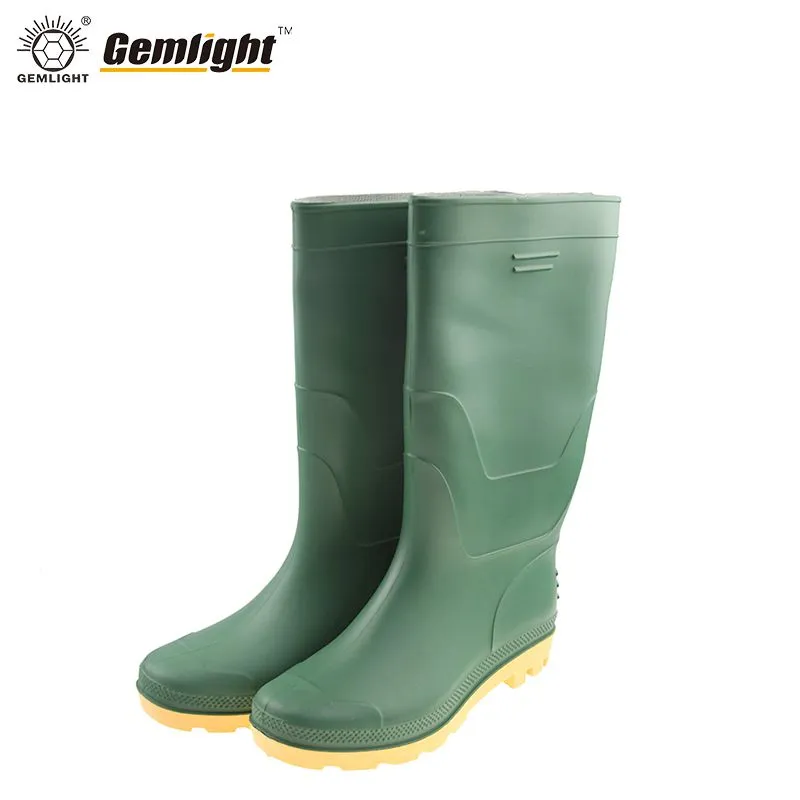
"Gum boot" comes from the material, not the weather. Early waterproof boots were made from gum rubber.
The word travelled with British trade. It stuck in Australia, New Zealand and parts of Africa and Asia.
In Australia, "gumboot" is the everyday word for a knee-high rubber boot on a farm.
In New Zealand the same word covers everything from an ankle boot to a thigh boot.
Accuracy is not the point here. The local word wins, every time.
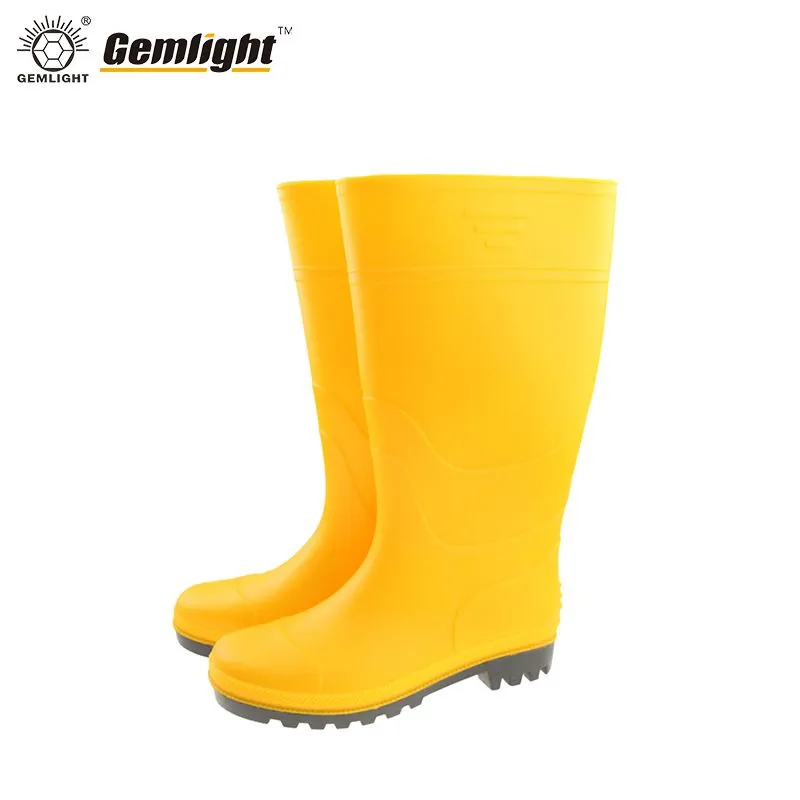
"Rain boot" comes from the use, not the material. It describes what the boot is for.
The word grew with fashion and retail. It fits a city commuter as well as a farmer.
"Wellington" is the third name in this family, after the Duke of Wellington's style.
So you have three words describing one shape: gum boot, rain boot, wellington.
Do the names mean the same boot today?
Mostly yes, with a few practical exceptions.
A gum boot in a farm catalogue is usually a heavy knee-high in rubber, with a lug sole.
A rain boot in a fashion catalogue can be a short ankle boot in PVC, with a plain sole.
A wellington in the UK is often a mid-calf rubber boot with a buckle and a brand name.
The name tells you about the channel, not the compound. That is the part buyers get wrong.
Two boots with identical construction can be sold under all three names in three markets.
Your specification decides the product. The name only decides the shelf it sits on.
Ask five factories for "a pair of gumboots" and you will receive five different boots.
That is why a written specification beats a product name in every purchase order.
Which markets still search for gum boots?
Search demand follows language history. This is where your listing titles should be local.
Australia, New Zealand and South Africa use "gumboot" as the default term.
The UK uses "wellington" and "wellingtons" far more than "rain boots".
Canada and the US use "rain boots" for retail and "rubber boots" for work channels.
Ireland sits with the UK on wellington, and with Australia on gum boot in rural areas.
Germany, France and the Netherlands search in local words that translate to rubber boot.
Japan and Korea use a short form of "rubber" for the same category.
None of these words changes the product. They change the keyword you bid on.
If you sell in one language, pick the word that matches the channel, not the dictionary.
How should a wholesale range combine both names?
Do not choose between the names. Build one product and two listings.
Keep one specification per model. Same last, same compound, same sole, same height.
Then change the listing title, the keywords and the lifestyle photo per market.
A farm channel listing shows mud, animals and a knee-high boot. A city listing shows pavement and rain.
If the two listings drift apart, buyers will compare them and ask why the price differs.
Your carton label should carry the model code, not the marketing name. Codes survive every rename.
If you sell to distributors, print both names on the inner label. It saves them a translation step.
For private label, let the brand owner choose. Offer gum boot, rain boot and wellington as options.
Never promise two different products when you are selling one name in two markets.
Naming is only half the job. Features close the order, in every market.
Height is the first filter. Ankle, mid-calf, knee and thigh serve different jobs.
Sole pattern is the second. A deep lug suits farm and construction. A shallow pattern suits city wear.
Shaft fit matters for women's ranges. A wide calf cut reduces returns more than any colour change.
Colour is a channel decision. Black and green dominate work channels. Prints dominate fashion.
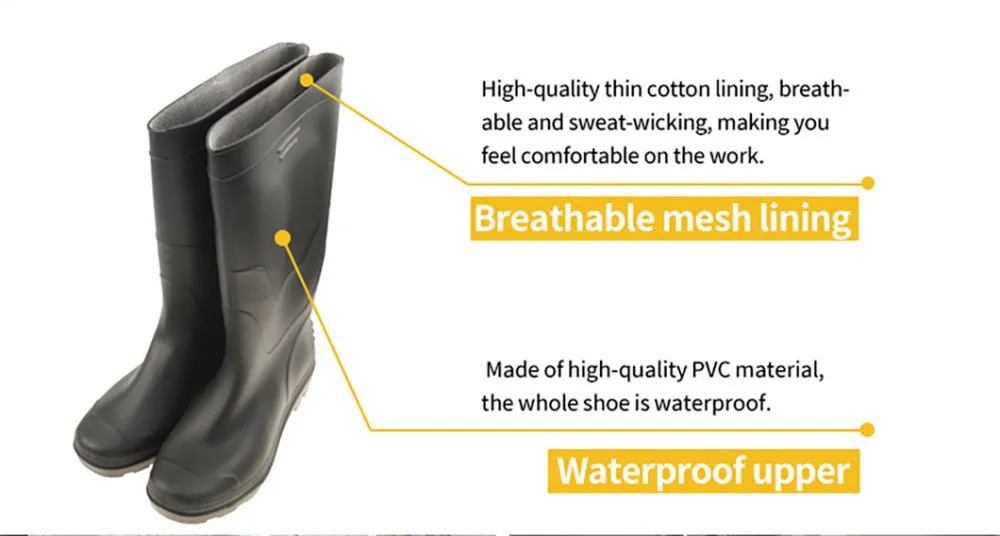
Lining separates the seasons. Unlined suits warm rain. Fleece lining opens the winter range.
Weight is the hidden factor. A heavy rubber boot feels durable in a shop and tiring on a shift.
Returns in this category come from two things: a tight calf and a long shaft.
Both are measurable. Ask for the shaft circumference at the top, the mid-calf and the ankle.
Put those three numbers in the listing. It answers the question buyers ask most before ordering.
Test all of this before you write the listing. Photos cannot rescue a heavy boot.
Listing and naming checklist for your next range
Send these lines to your supplier and to your listing team.
Model code that stays the same across markets
Primary name per market: gum boot, rain boot, wellington
Secondary keywords per market and per channel
Height and shaft circumference in centimetres
Compound and hardness, quoted from the spec sheet
Sole pattern type and slip marking
Weight per pair at the main size
Lining options and season fit
Size range and the conversion chart you publish
Colour range per channel
Packing format and carton markings
Photo set per channel: farm, city, studio
One product, two names, three markets. That is how a boot programme stays profitable without doubling your stock.
Recently Posted
-
Boot Lining Guide for Cold and Hot Climate Markets
November 5, 2026Boot Lining Guide for Cold and Hot Climate MarketsLining is the part of the boot nobody photographs and everybody feels.It decides Read More
-
Gumboot Size Chart: EU, UK and US Conversion
November 5, 2026Gumboot Size Chart: EU, UK and US ConversionSize is the cheapest thing to fix and the most expensive thing to get wrong.A return c Read More
-
Boot Outsole Guide: Nitrile, PU and Rubber Compared
November 5, 2026Boot Outsole Guide: Nitrile, PU and Rubber ComparedThe upper sells the boot. The outsole decides whether the customer buys again.M
Read More -
Steel Toe vs Composite Toe Boots: Which to Import
November 5, 2026Steel Toe vs Composite Toe Boots: Which to ImportBoth caps pass the same impact test. Both protect at 200 joules. The difference i Read More

Contact Us
Recommended Products
-
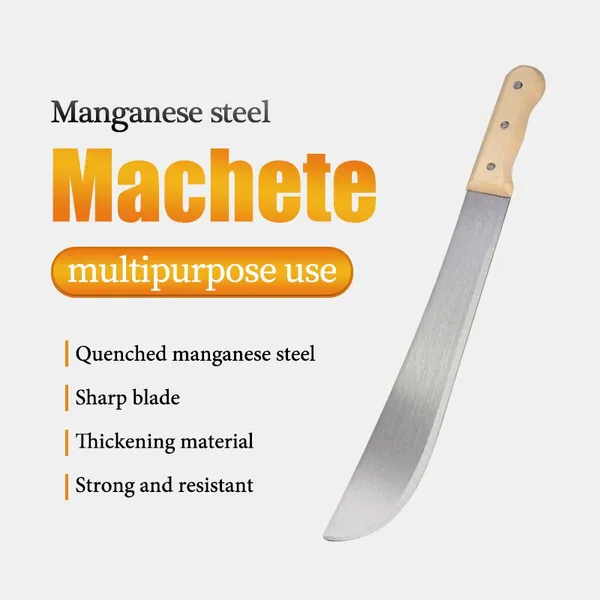
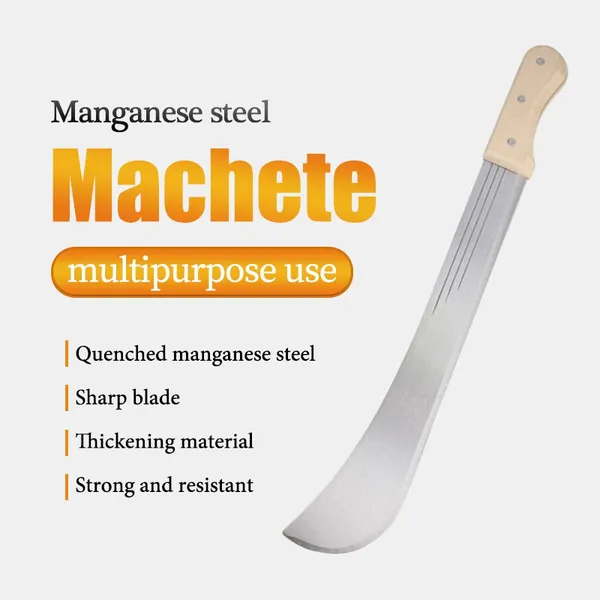
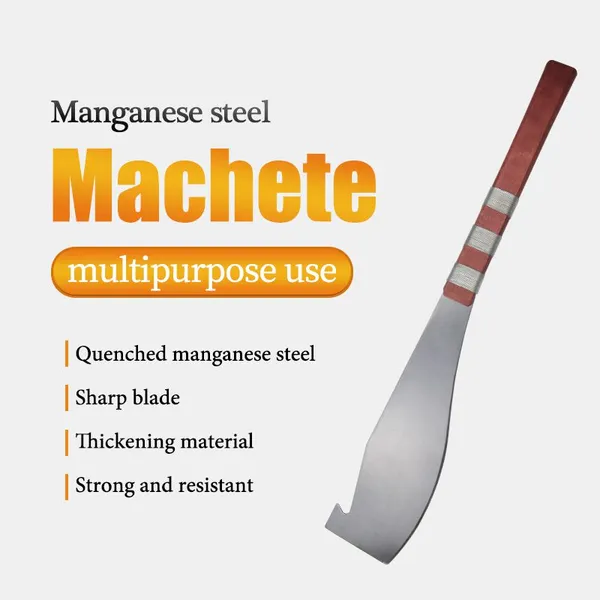
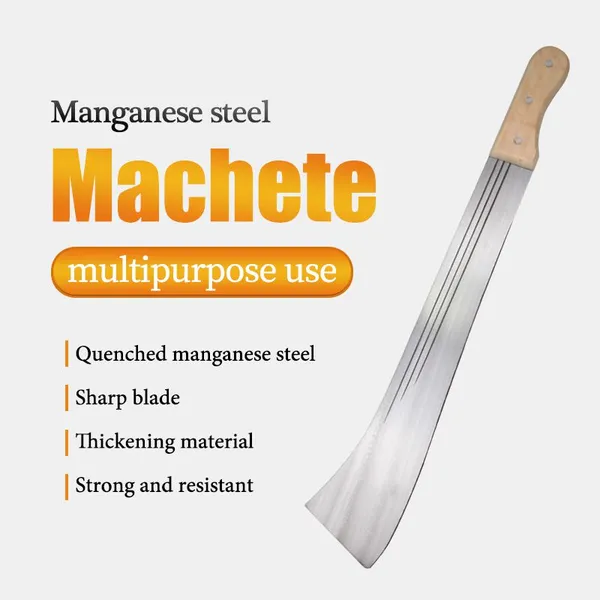
 Heavy Duty Cane Knife Machete for Wholesale Buyers Factory Direct Export for Rural Agricultural Projects Durable Hand ToolNegotiableMOQ: 1200 Pieces
-
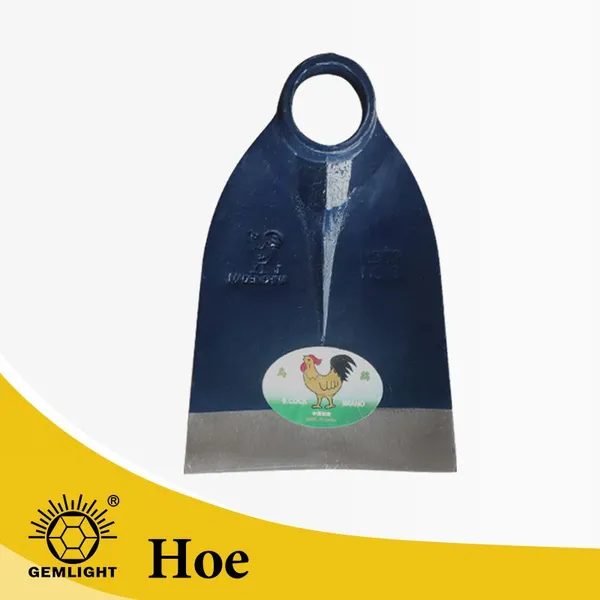
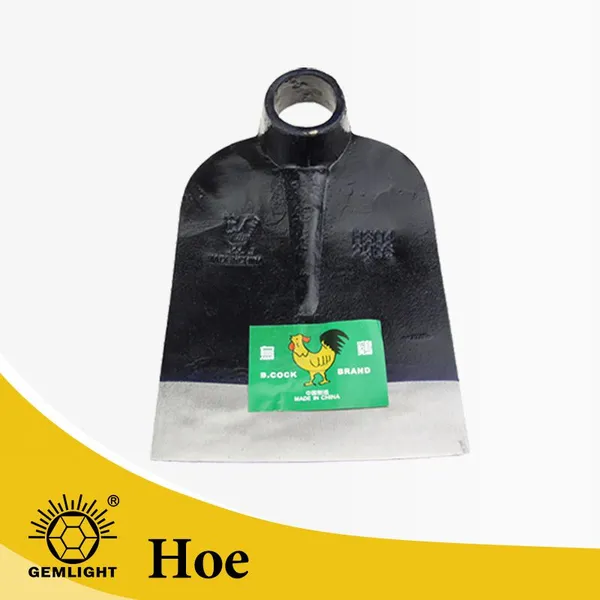
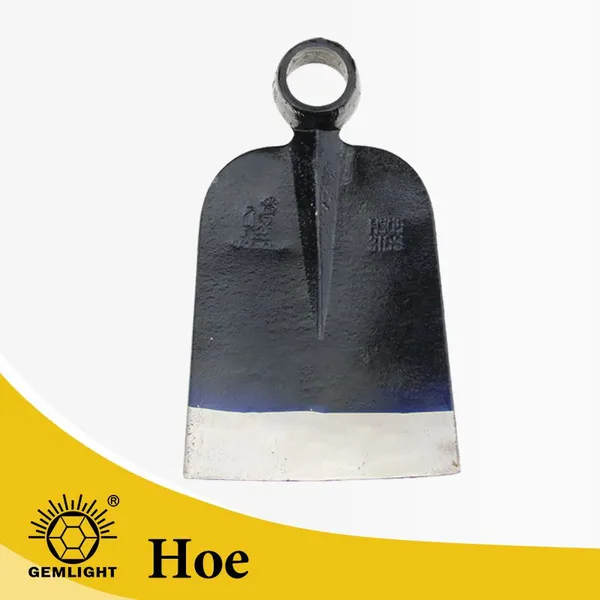
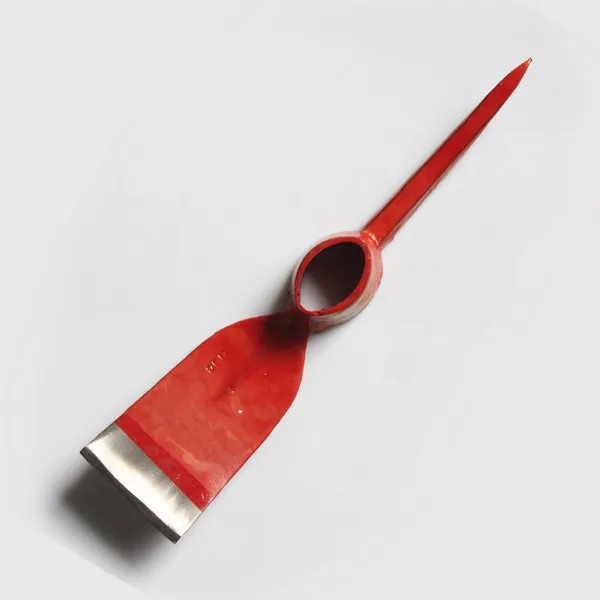
Agricultural Hoe Head Garden Rail Steel Tool for Tough Soil Cheap Price Hand ToolsUS$ 1.07 - 1.27MOQ: 1200 Pieces
-
Sturdy Rail Steel Hoe for Weeding, H305 Perfect for Agricultural and Garden TasksUS$ 1.07 - 1.27MOQ: 1200 Pieces
-
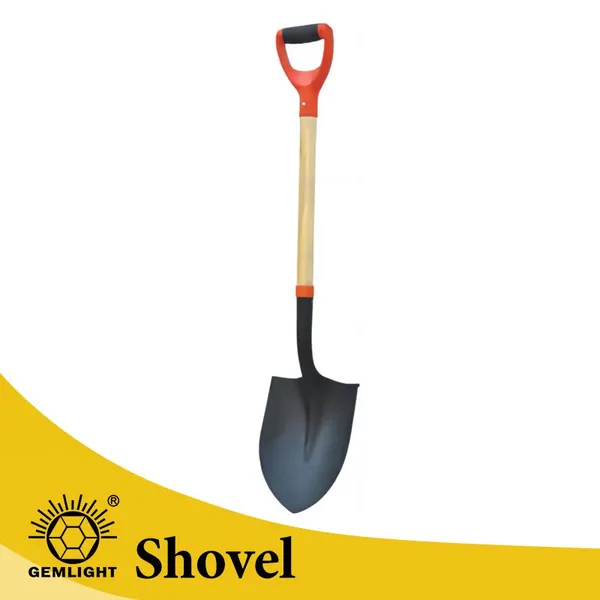
Heavy Duty Manganese Steel Garden Shovel Round Point Digging Shovel With Wooden Handle Farm Tool SupplierUS$ 2.14 - 2.36MOQ: 1200 Pieces
-
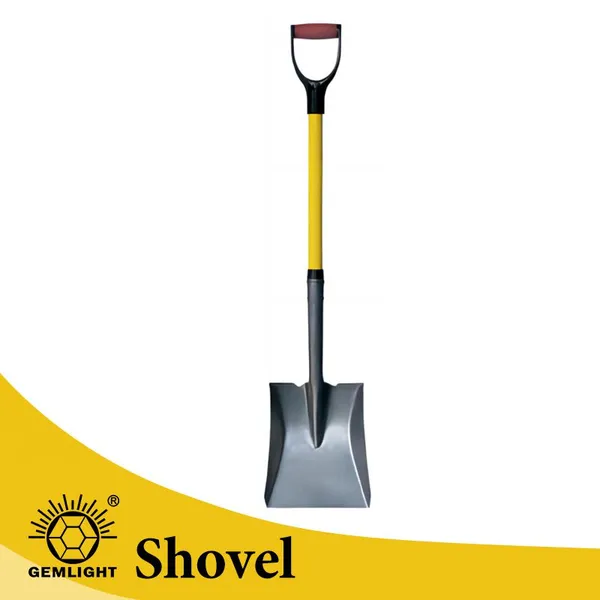
Big Shovel Wide Shovel Mud Shovel Heavy Duty Steel Blade for Farm Drainage Soil Moving Cleaning and Landscaping UseUS$ 2.14 - 2.36MOQ: 1200 Pieces
-
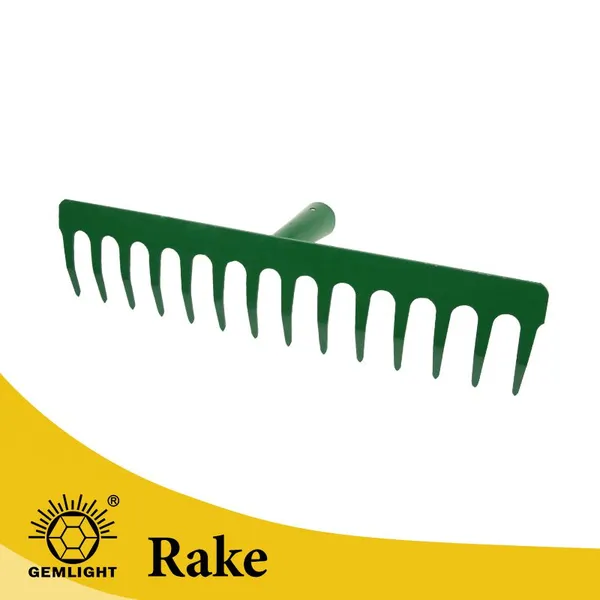
Strong Teeth Soil Rake for Farm Tool Suppliers Private Label Export for Farm Maintenance African Distribution Factory Bulk OrderUS$ 0.88 - 1.35MOQ: 2000 Pieces
-
Manual Cane Knife Machete for Wholesale Buyers Factory Direct Export for Rural Agricultural Projects Durable Hand ToolNegotiableMOQ: 1200 Pieces
-
Large High Carbon Steel Machete Knife Agricultural Machete for Farming Bush Cutting Garden Tool SupplierNegotiableMOQ: 1200 Pieces
-
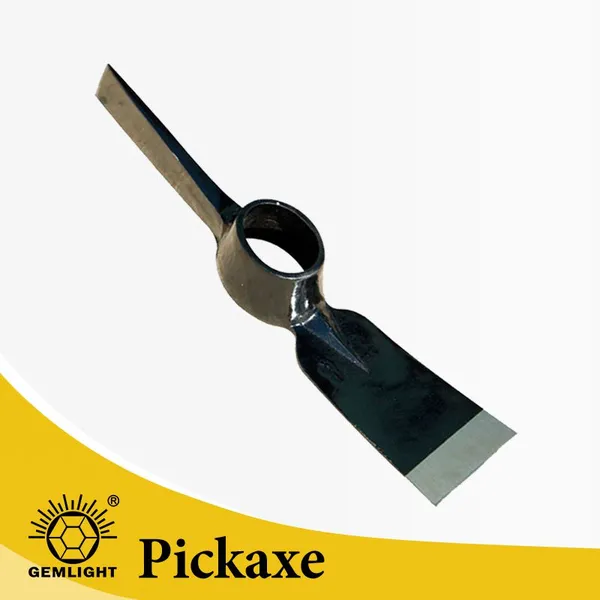
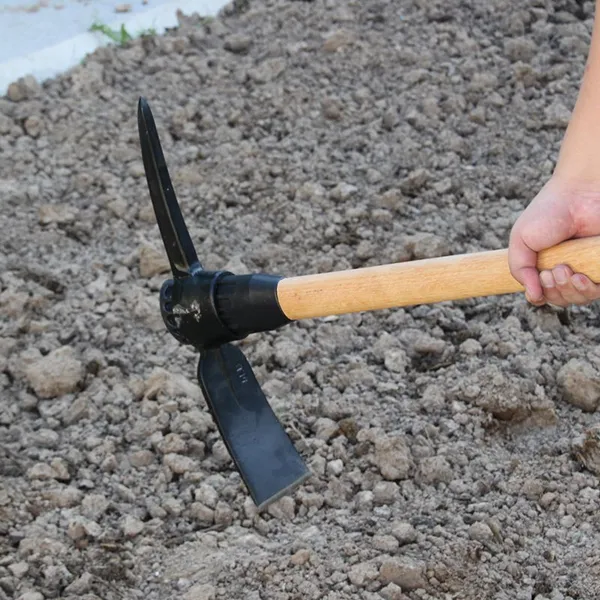
Wholesale Heavy Duty Pick Mattock for Mining Road Work and Farm Digging for Wholesale Tool Dealers With Bulk Order ServiceUS$ 1.85 - 2.3MOQ: 1200 Pieces
-
Carbon Steel Manual Pickaxe for Hard Soil Breaking and Trenching for African Importers With OEM Bulk Order Support Agricultural ToolUS$ 1.85 - 2.3MOQ: 1200 Pieces
-
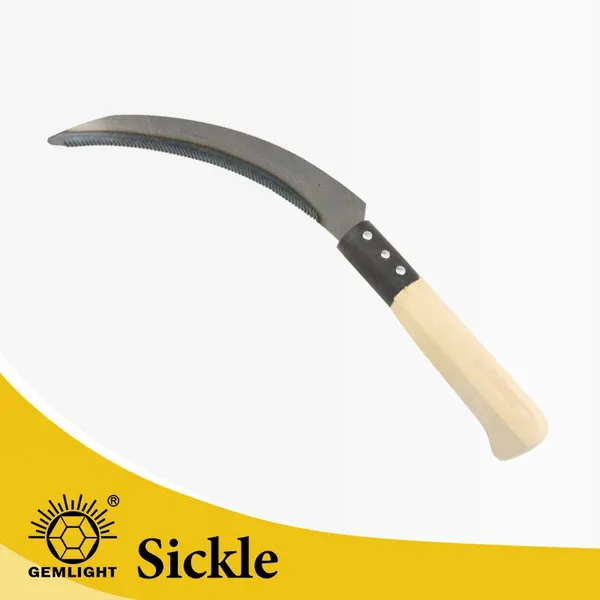
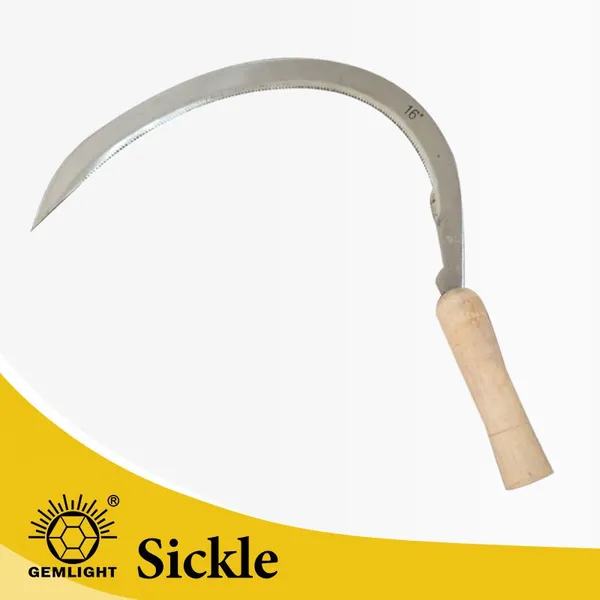
OEM Farm Sickle With Sharp Blade for African Importers OEM Bulk Order Support for Harvesting and Smallholder Farming for Wholesale BUS$ 0.28 - 0.33MOQ: 3000 Pieces
-
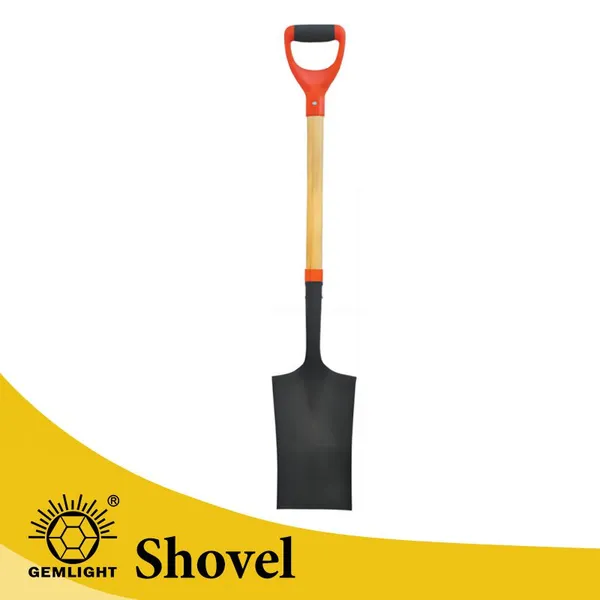
Heavy Duty Manganese Steel Round Point Shovel Garden Digging Shovel With Wooden Handle Agricultural Tool ManufacturerUS$ 2.14 - 2.36MOQ: 1200 Pieces
-
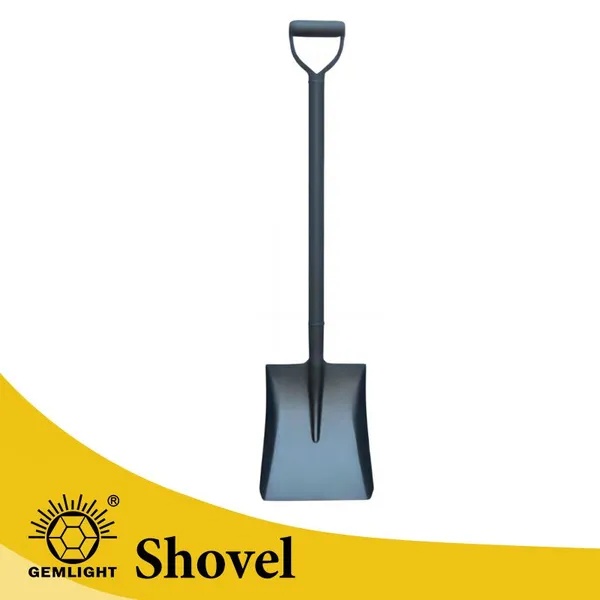
Farm Shovel Factory Supply for Regional Import Distributors Bulk Wholesale Supply for Garden Work and Trenching for Agricultural DealersUS$ 2.14 - 2.36MOQ: 1200 Pieces
-
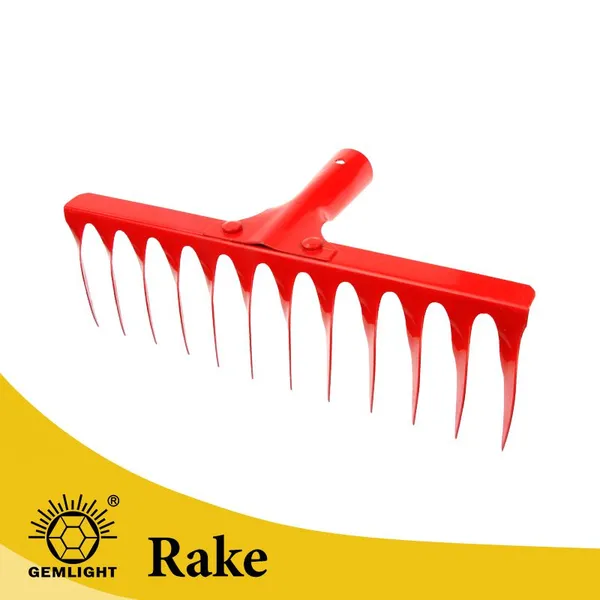
Heavy Duty Garden Rake for African Importers OEM Factory Supply for Agricultural Use African Market Factory Bulk OrderUS$ 0.88 - 1.35MOQ: 2000 Pieces
-
Agricultural Soil Rake for Agricultural Dealers Export Supply for Garden Cleaning African Dealer Channels Factory Bulk OrderUS$ 0.88 - 1.35MOQ: 2000 Pieces
-
Manual Farm Machete for African Importers OEM Factory Supply for Farming and Land Clearing Durable Hand ToolNegotiableMOQ: 1200 Pieces
-
Large Heavy Duty Carbon Steel Garden Landscaping Digging HoeUS$ 1.07 - 1.27MOQ: 1200 Pieces
-
Heavy Duty Rail Steel Mattock Pick Axe With Wooden Handle for Digging Soil Mining and Agricultural Tool SupplierUS$ 1.85 - 2.3MOQ: 1200 Pieces
-
Forged Farm Sickle With Sharp Blade for African Importers OEM Bulk Order Support for Harvesting and Smallholder Farming for WholesalUS$ 0.28 - 0.33MOQ: 3000 Pieces
-
Strong Carbon Steel Farming Sickle for Uganda Tanzania Zambia Agricultural Tool DistributorsUS$ 0.34 - 0.47MOQ: 3000 Pieces