
 Business License

How Many Pairs of Boots Fit in a 20ft Container
How Many Pairs of Boots Fit in a 20ft Container
Freight per pair decides whether a cheap boot is actually cheap. And freight per pair starts with one number: pairs per container.
Suppliers often answer this from memory. Memory is usually optimistic by ten to fifteen percent.
Container planning is arithmetic, not opinion. Here is the calculation done properly.
Below are the numbers you need to ask for, and the ones suppliers rarely volunteer.

What are the usable volumes of each container?
A 20ft general purpose container holds about 33 cubic metres inside.
A 40ft general purpose container holds about 67 cubic metres.
A 40ft high cube holds about 76 cubic metres, because the walls are taller.
Those are internal volumes. You will never fill them completely.
Cartons are rigid. They leave gaps at the doors, along the walls and at the roof curve.
Floor loading typically uses 85 to 90 percent of the internal volume.
Pallet loading uses less, usually 60 to 75 percent, depending on pallet size and stacking.
Payload matters too. A 20ft container carries roughly 28 tonnes, but road rules in your market may cap it lower.
Confirm the internal volume with your forwarder. Container specifications vary with carrier and age.
High cube boxes save money per cubic metre on light goods like rain boots.
A 45ft container is not standard everywhere. Check road rules before you plan around it.
How does carton size change the loading quantity?
Carton size is the single biggest lever, and it is often the least examined.
A carton of 55 by 38 by 32 centimetres holds about 0.067 cubic metres.
Ten pairs in that carton means about 6.7 litres of space per pair, packing included.
Widen the carton by five centimetres and you lose roughly ten percent of your loading quantity.
Taller cartons stack fewer layers in a fixed height. That is why knee boots ship in flatter cartons.
Compression strength matters here. A carton stacked six high needs a board strong enough to hold the load.
Ask for the carton's burst strength or its edge crush test value. Cheap board collapses in the hold.
Ask for the carton dimensions in centimetres, with the measurement method stated.
Ask about the packed carton, not the flat one. Poly bags inflate a carton after packing.
Two cartons that look similar can differ by fifteen percent in volume. Measure them yourself.
How do you calculate the pairs per container?
Use one formula and apply it to every quotation you receive.
Pairs equal the usable volume divided by the carton volume, multiplied by pairs per carton.
For a 20ft container, start with 33 cubic metres and deduct twelve percent for loading loss.
That leaves about 29 usable cubic metres. Divide by 0.067 and you get roughly 434 cartons.
At ten pairs per carton, that is about 4,340 pairs.
For a 40ft high cube, take 76 cubic metres, deduct twelve percent, and divide by the same carton.
That gives roughly 1,000 cartons, or about 10,000 pairs.
Now check the weight. Ten pairs at 1.9 kilograms plus carton gives about 20 kilograms per carton.
A thousand cartons would be 20 tonnes. That fits a 40HC, but leaves little margin on a 20ft with dense safety boots.
Boots are usually volume limited, not weight limited. Safety boots with steel caps are the exception.
Never trust a loading figure that is not tied to a carton dimension.
Run the formula again for every new model. Carton size changes with shaft height.
If your cartons bulge, calculate at 85 percent instead of 88. Bulged cartons lose space at the roof.
Carton, poly bag or pallet: which should you choose?
Each format trades handling cost against volume.
A poly bag alone saves carton volume and money. It also offers almost no protection in transit and no retail presence.
Poly bags are common for low-value rain boots sold in bulk to wholesalers. That trade knows the risk.
A plain carton protects the goods and stacks predictably. It is the default for wholesale.
A printed carton adds retail value and adds cost. It also fixes your minimum order.
A pallet speeds up unloading and warehouse handling. It costs volume, often ten to fifteen percent of the load.
Half pallets and slip sheets recover some of that loss. Ask your forwarder what the destination warehouse accepts.
Display-ready cartons suit retail chains and cost more per unit.
Ask what the retailer expects. A torn bag on a supermarket shelf is a return, not a saving.
Choose the format before you calculate loading. The number changes with that decision.
Loading calculation checklist
Send this list to your supplier and your forwarder before you book space.
Carton dimensions in centimetres
Pairs per carton by size ratio
Carton gross weight and net weight
Carton board grade and compression strength
Stacking height allowed for the carton
Container type: 20ft, 40ft or 40HC
Loading method: floor loaded or palletised
Pallet size and stack pattern, if used
Payload limit in the destination country
Freight cost per container
Freight per pair, calculated from the above
Storage conditions at destination
LCL minimum charge if the order is smaller than a container
Run the numbers once per model. Then keep the sheet, because the second order is always cheaper to plan.
Freight per pair is the number your buyer will ask about next. Have it ready before the meeting.
Recently Posted
-
Container Loading for Shovels: How Many Fit in a 20ft and 40ft
November 16, 2026Container Loading for Shovels: How Many Fit in a 20ft and 40ft"How many shovels fit in a container" sounds like a simple Read More
-
How Shovel Prices Are Calculated: Steel, Handle, Coating and Labour
November 16, 2026How Shovel Prices Are Calculated: Steel, Handle, Coating and LabourA shovel quotation usually arrives as one number per piece. It Read More
-
Shovel Eye and Handle Tolerance: How to Avoid Loose or Cracked Fittings
November 16, 2026Shovel Eye and Handle Tolerance: How to Avoid Loose or Cracked FittingsA head that wobbles in month three is rarely a steel proble Read More
-
D-Grip, T-Handle or Long Handle: Choosing Shovel Handles by Market
November 16, 2026D-Grip, T-Handle or Long Handle: Choosing Shovel Handles by MarketThe head sells the first order. The handle decides whether the c Read More

Contact Us
Recommended Products
-
 Heavy Duty Cane Knife Machete for Wholesale Buyers Factory Direct Export for Rural Agricultural Projects Durable Hand ToolNegotiableMOQ: 1200 Pieces
-
Agricultural Hoe Head Garden Rail Steel Tool for Tough Soil Cheap Price Hand ToolsUS$ 1.07 - 1.27MOQ: 1200 Pieces
-
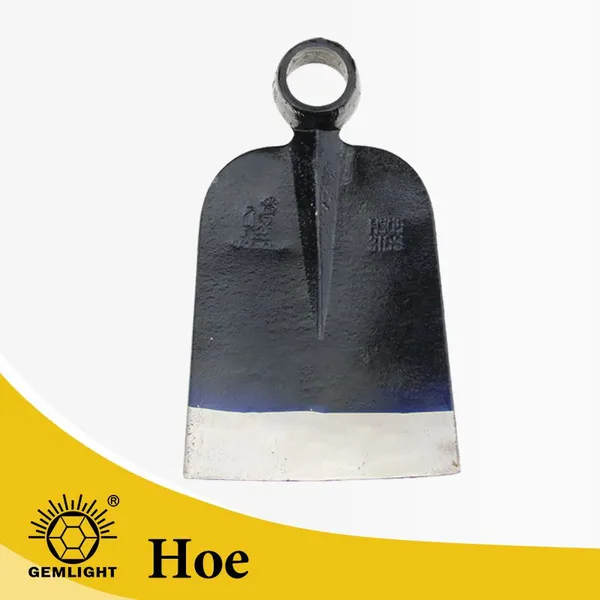
Sturdy Rail Steel Hoe for Weeding, H305 Perfect for Agricultural and Garden TasksUS$ 1.07 - 1.27MOQ: 1200 Pieces
-
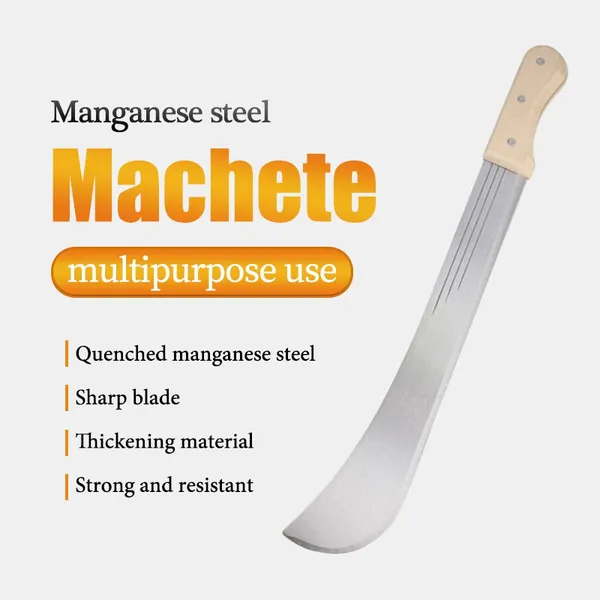
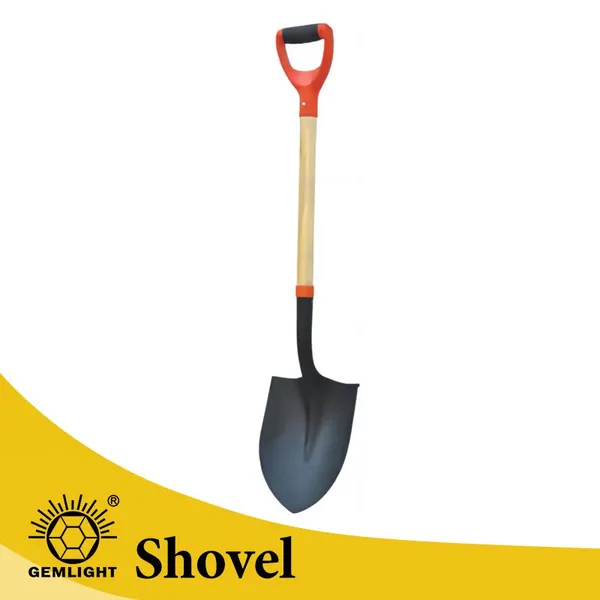
Heavy Duty Manganese Steel Garden Shovel Round Point Digging Shovel With Wooden Handle Farm Tool SupplierUS$ 2.14 - 2.36MOQ: 1200 Pieces
-
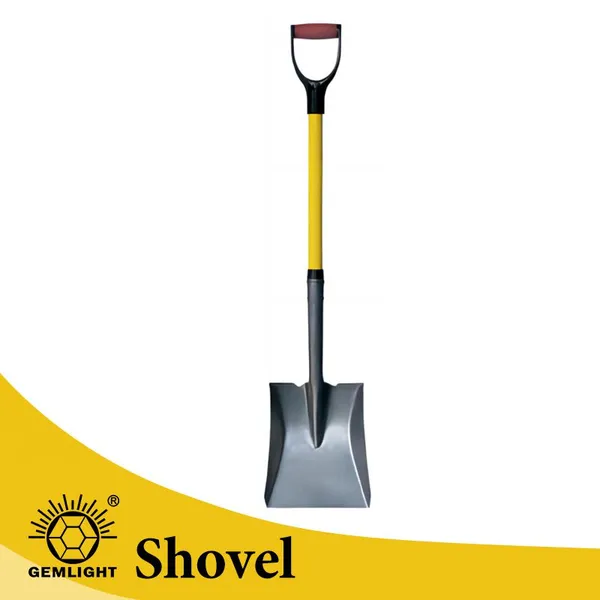
Big Shovel Wide Shovel Mud Shovel Heavy Duty Steel Blade for Farm Drainage Soil Moving Cleaning and Landscaping UseUS$ 2.14 - 2.36MOQ: 1200 Pieces
-
Strong Teeth Soil Rake for Farm Tool Suppliers Private Label Export for Farm Maintenance African Distribution Factory Bulk OrderUS$ 0.88 - 1.35MOQ: 2000 Pieces
-
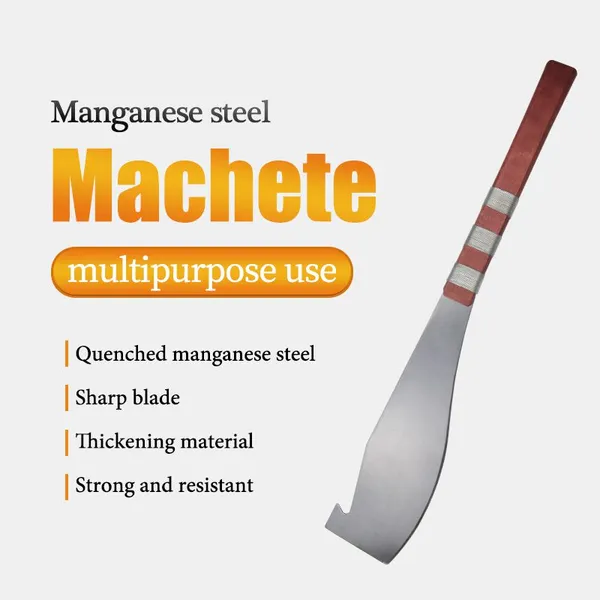
Manual Cane Knife Machete for Wholesale Buyers Factory Direct Export for Rural Agricultural Projects Durable Hand ToolNegotiableMOQ: 1200 Pieces
-
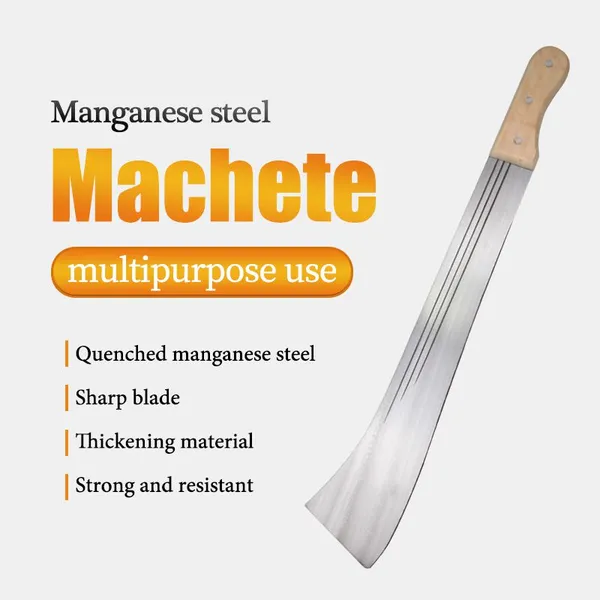
Large High Carbon Steel Machete Knife Agricultural Machete for Farming Bush Cutting Garden Tool SupplierNegotiableMOQ: 1200 Pieces
-
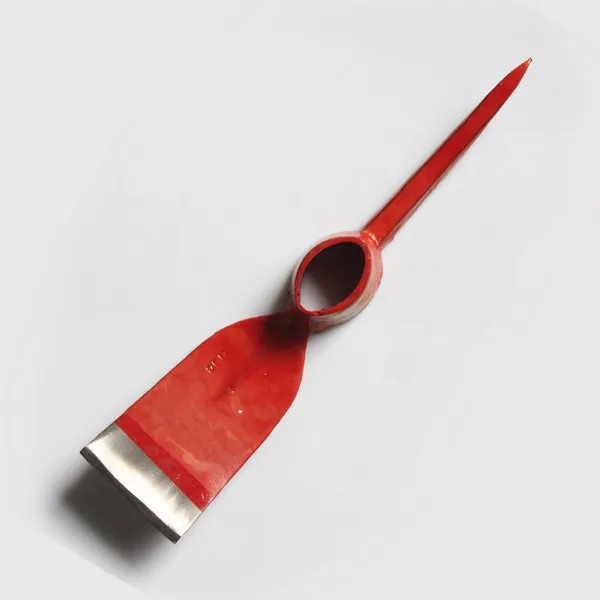
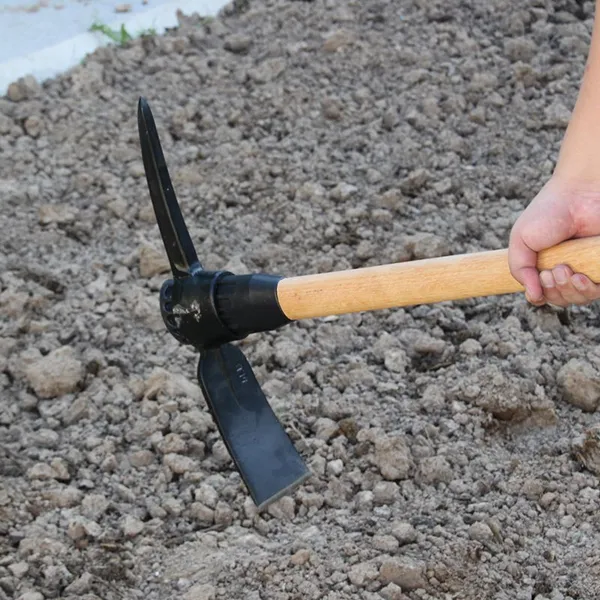
Wholesale Heavy Duty Pick Mattock for Mining Road Work and Farm Digging for Wholesale Tool Dealers With Bulk Order ServiceUS$ 1.85 - 2.3MOQ: 1200 Pieces
-
Carbon Steel Manual Pickaxe for Hard Soil Breaking and Trenching for African Importers With OEM Bulk Order Support Agricultural ToolUS$ 1.85 - 2.3MOQ: 1200 Pieces

-
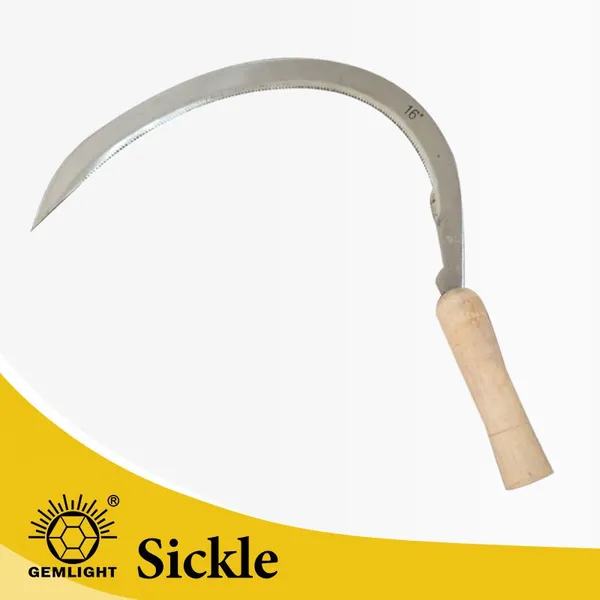
OEM Farm Sickle With Sharp Blade for African Importers OEM Bulk Order Support for Harvesting and Smallholder Farming for Wholesale BUS$ 0.28 - 0.33MOQ: 3000 Pieces
-
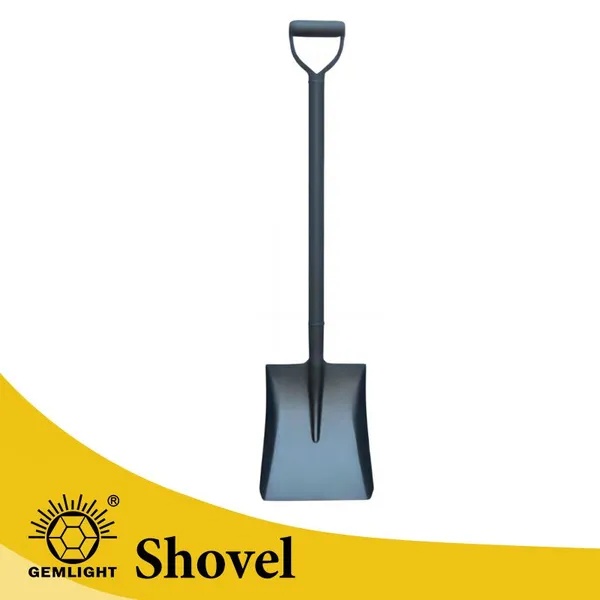
Heavy Duty Manganese Steel Round Point Shovel Garden Digging Shovel With Wooden Handle Agricultural Tool ManufacturerUS$ 2.14 - 2.36MOQ: 1200 Pieces
-
Farm Shovel Factory Supply for Regional Import Distributors Bulk Wholesale Supply for Garden Work and Trenching for Agricultural DealersUS$ 2.14 - 2.36MOQ: 1200 Pieces
-
Heavy Duty Garden Rake for African Importers OEM Factory Supply for Agricultural Use African Market Factory Bulk OrderUS$ 0.88 - 1.35MOQ: 2000 Pieces
-
Agricultural Soil Rake for Agricultural Dealers Export Supply for Garden Cleaning African Dealer Channels Factory Bulk OrderUS$ 0.88 - 1.35MOQ: 2000 Pieces
-
Manual Farm Machete for African Importers OEM Factory Supply for Farming and Land Clearing Durable Hand ToolNegotiableMOQ: 1200 Pieces
-
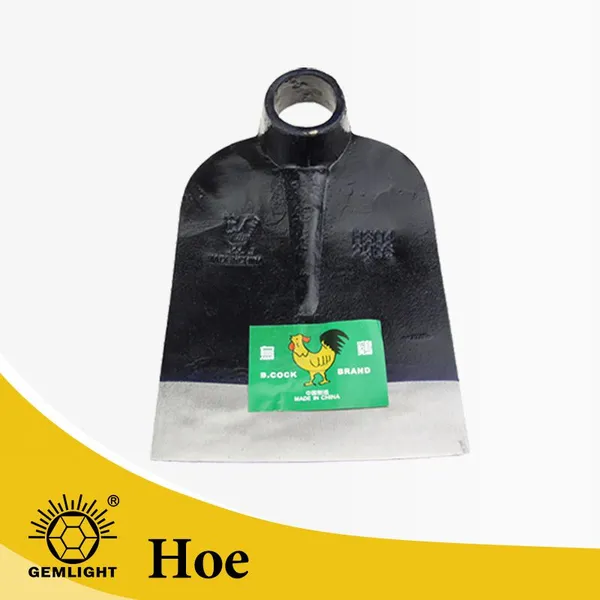
Large Heavy Duty Carbon Steel Garden Landscaping Digging HoeUS$ 1.07 - 1.27MOQ: 1200 Pieces
-
Heavy Duty Rail Steel Mattock Pick Axe With Wooden Handle for Digging Soil Mining and Agricultural Tool SupplierUS$ 1.85 - 2.3MOQ: 1200 Pieces
-
Forged Farm Sickle With Sharp Blade for African Importers OEM Bulk Order Support for Harvesting and Smallholder Farming for WholesalUS$ 0.28 - 0.33MOQ: 3000 Pieces
-
Strong Carbon Steel Farming Sickle for Uganda Tanzania Zambia Agricultural Tool DistributorsUS$ 0.34 - 0.47MOQ: 3000 Pieces