
 Business License

Why Boot FOB Quotes Differ: Cost Breakdown for Buyers
Why Boot FOB Quotes Differ: Cost Breakdown for Buyers
Two quotes arrive for the same boot. One is four dollars, the other is nearly five.
Both factories are real. Both claim the same class and the same height. One of them is selling a different product.
This guide shows where the money goes, and how to compare quotes without guessing.
Which material and weight factors move price?
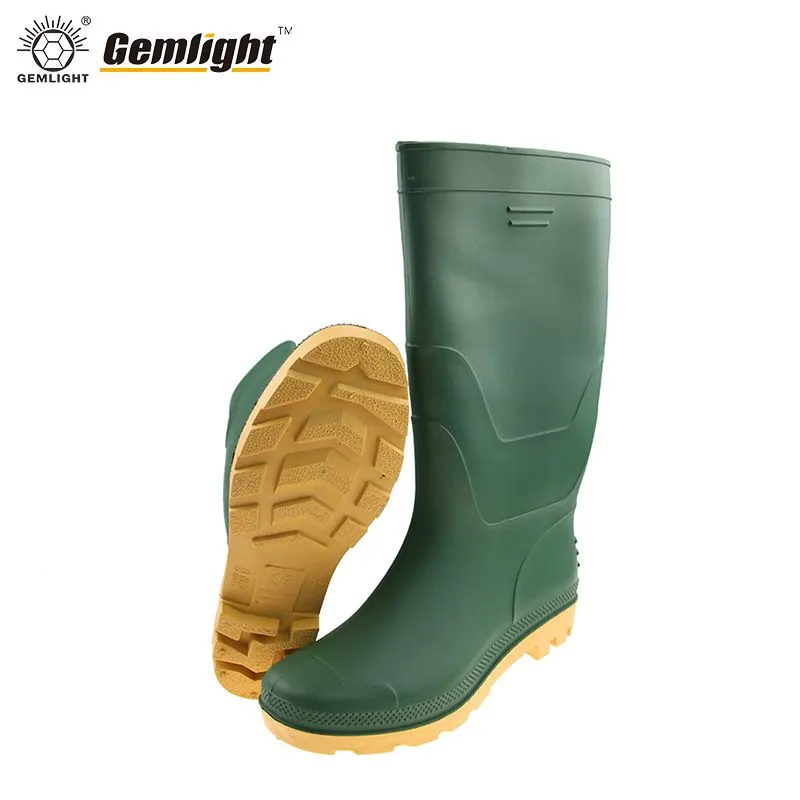
Weight is the strongest signal in this category. A heavier boot uses more compound.
More compound means more cost. It also means more durability, usually.
Ask for the net weight per pair at the same size. Compare only quotes that state it.
Compound quality is the second factor. Virgin compound costs more than a mix with regrind.
Filler loading changes cost quickly. More calcium carbonate means cheaper compound and stiffer flex.
Plasticiser type matters too. A low-temperature plasticiser costs more than a standard one.
In rubber boots, the grade of natural rubber and the cure system both move the price.
Sole compound is a separate line. Nitrile costs more than a basic rubber or a PU sole.
Material is only half the cost. Labour, tooling and order structure carry the rest.
Injection moulding is one step. Cemented or vulcanised construction is several, with more hands involved.
Every added operation adds cost: lining, toe cap insertion, logo application, individual packing.
Tooling is usually amortised into the first order. A new mould spread over five hundred pairs is painful.
Order size changes the unit price more than most buyers expect. Setup time is fixed.
Size ratio matters as well. A run of ten sizes costs more per pair than a run of six.
Colour count adds cleaning cycles. Three colours in one order cost more than one.
Payment terms carry a hidden cost. Longer credit is priced into the quotation.
Ask for the price at three volumes. The slope tells you where the factory's break points are.
Where do hidden costs appear?
Hidden costs are rarely fraud. They are usually assumptions the buyer did not check.
Packaging is the classic one. A quote may exclude boxes, hangtags or printed bags.
Freight to port may be excluded. FOB means the goods are loaded, so inland haulage is in the price.
Test reports may be excluded. A new certificate can be quoted as an extra line later.
Samples are sometimes free and always paid for. The cost sits inside the unit price.
Wall thickness is the quiet one. A slightly thinner shaft uses less compound and looks identical in a photo.
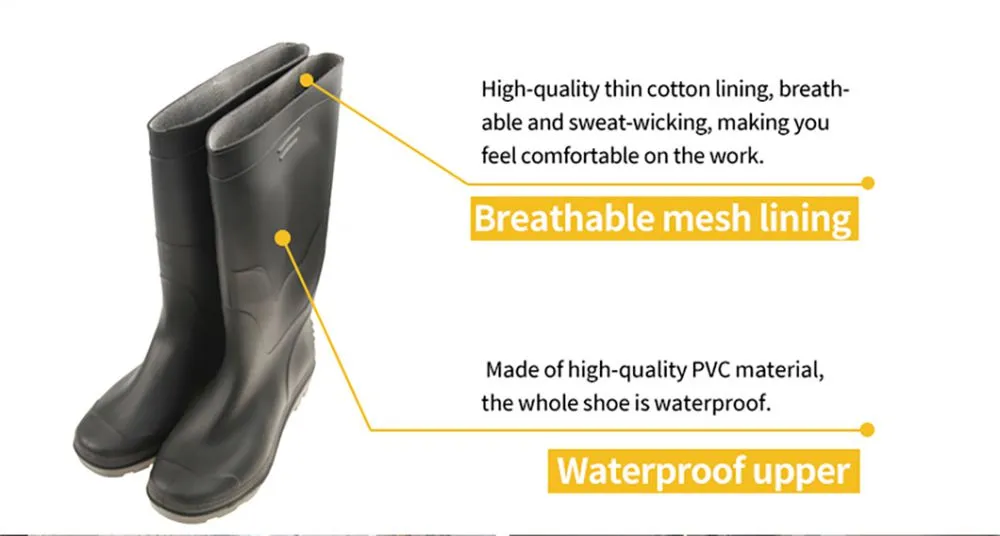
Lining weight is another. A lighter knit saves material and changes the feel.
Size steps are a third. Fewer steps mean cheaper cutting and cheaper stock.
Ask for a written cost breakdown: material, labour, packing and tooling. Not every factory gives one.
The ones that do are usually the ones worth negotiating with.
A supplier who refuses any breakdown is not hiding fraud. They are telling you where their margin sits.
How do you compare two quotes properly?
Normalise first, then compare. This takes twenty minutes and saves a season.
Put both quotes on one sheet with the same fields: class, compound, weight, lining, sole, packing and Incoterm.
Convert both to price per kilogram. This exposes the light-boot quote immediately.
Check the size ratio assumed. A quote based on a different ratio is not the same order.
A quote that never states weight should be treated as incomplete, not cheap.
Check the carton configuration. More pairs per carton lowers freight per pair.
Check what is excluded. A cheap quote with three exclusions is often the expensive one.
Then ask each supplier to explain one difference in writing. Vague answers usually mean a lighter specification.
Here is an illustrative example. Quote A is 4.20 at 1.6 kg per pair, quote B is 4.80 at 1.9 kg.
Per kilogram, A is about 2.63 and B is about 2.53. The "expensive" quote is the better material buy.
Run the same sum on your own quotes before you push for a discount. The gap often disappears.
Which upgrades pay for themselves?
Not every upgrade is worth buying. Some pay back through fewer claims.
A better sole compound usually pays back. Sole failures create returns and reputation damage.
An impact modifier in a PVC compound pays back in cold markets. Cracked shafts are expensive.
Proper lining pays back in hot climates. Odour complaints are hard to answer later.
A stronger toe cap brand pays back in tenders. Specification writers recognise the name.
Printed packaging rarely pays back at low volume. It looks good and costs per unit.
Logo moulding pays back over years. Hot stamp pays back this season.
Decide per market. A farm channel will pay for rubber. A festival channel will not.
Quote comparison checklist
Ask every supplier to fill in the same sheet before you negotiate.
FOB price per pair at three volumes
Net weight per pair at one stated size
Compound type, grade and supplier
Filler and plasticiser details, where relevant
Sole compound and thickness
Lining type and weight
Toe cap material and brand
Safety class and certificate included or not
Packing format and what it includes
Pairs per carton and carton dimensions
Size ratio assumed in the quote
Payment terms and Incoterm
Two quotes are only comparable when the specification, the weight and the packing match. Fix those three and the rest of the conversation becomes simple.
Recently Posted
-
Container Loading for Shovels: How Many Fit in a 20ft and 40ft
November 16, 2026Container Loading for Shovels: How Many Fit in a 20ft and 40ft"How many shovels fit in a container" sounds like a simple Read More
-
How Shovel Prices Are Calculated: Steel, Handle, Coating and Labour
November 16, 2026How Shovel Prices Are Calculated: Steel, Handle, Coating and LabourA shovel quotation usually arrives as one number per piece. It Read More
-
Shovel Eye and Handle Tolerance: How to Avoid Loose or Cracked Fittings
November 16, 2026Shovel Eye and Handle Tolerance: How to Avoid Loose or Cracked FittingsA head that wobbles in month three is rarely a steel proble Read More
-
D-Grip, T-Handle or Long Handle: Choosing Shovel Handles by Market
November 16, 2026D-Grip, T-Handle or Long Handle: Choosing Shovel Handles by MarketThe head sells the first order. The handle decides whether the c Read More

Contact Us
Recommended Products
-
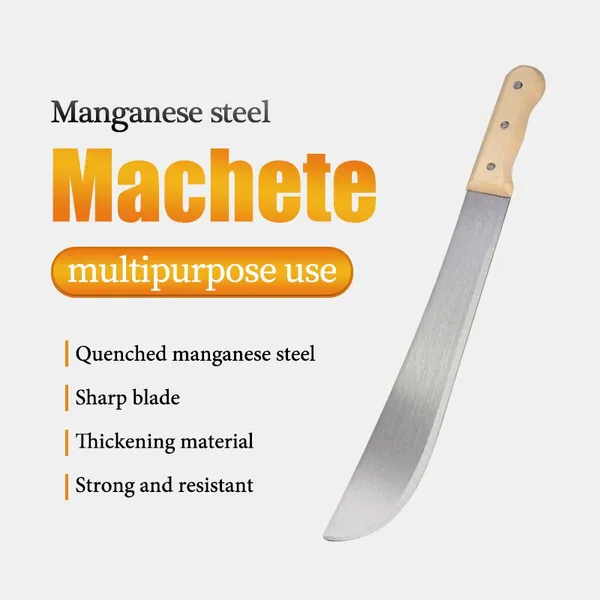
 Heavy Duty Cane Knife Machete for Wholesale Buyers Factory Direct Export for Rural Agricultural Projects Durable Hand ToolNegotiableMOQ: 1200 Pieces
-
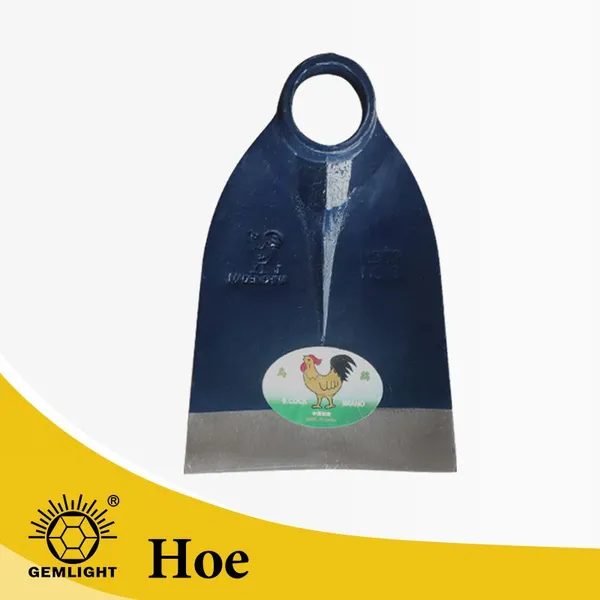
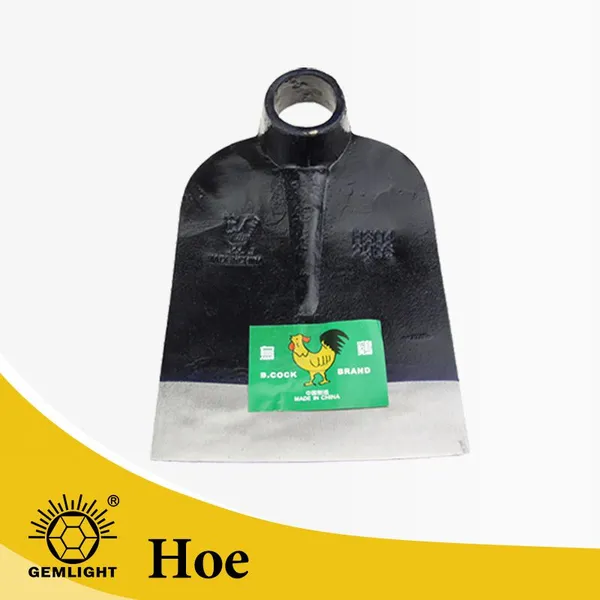
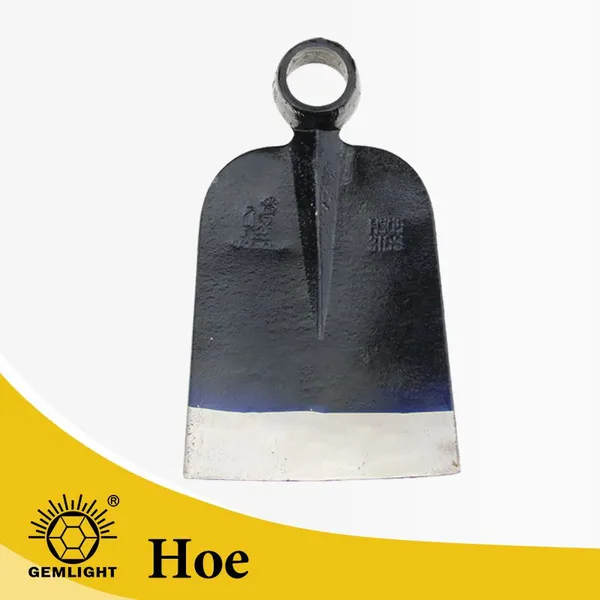
Agricultural Hoe Head Garden Rail Steel Tool for Tough Soil Cheap Price Hand ToolsUS$ 1.07 - 1.27MOQ: 1200 Pieces
-
Sturdy Rail Steel Hoe for Weeding, H305 Perfect for Agricultural and Garden TasksUS$ 1.07 - 1.27MOQ: 1200 Pieces
-
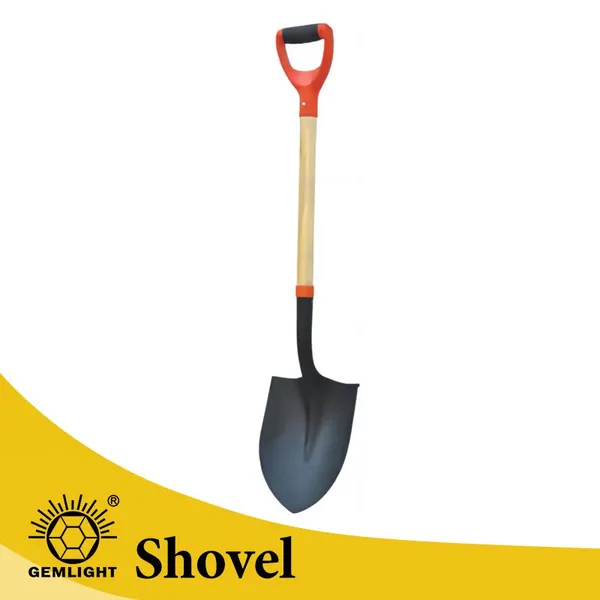
Heavy Duty Manganese Steel Garden Shovel Round Point Digging Shovel With Wooden Handle Farm Tool SupplierUS$ 2.14 - 2.36MOQ: 1200 Pieces
-
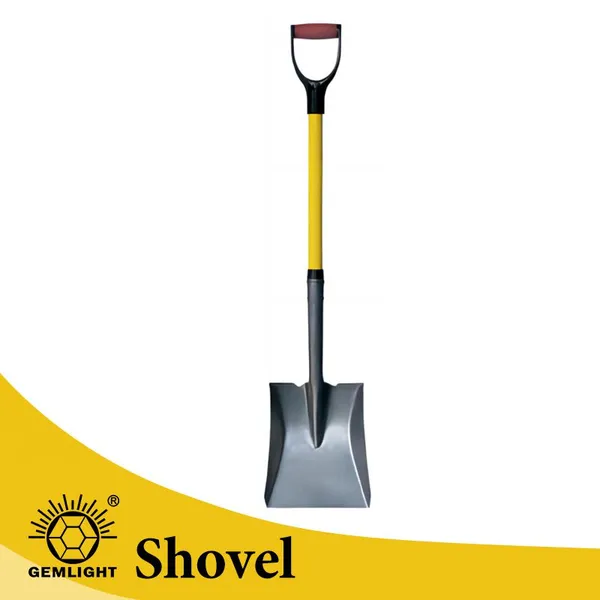
Big Shovel Wide Shovel Mud Shovel Heavy Duty Steel Blade for Farm Drainage Soil Moving Cleaning and Landscaping UseUS$ 2.14 - 2.36MOQ: 1200 Pieces
-
Strong Teeth Soil Rake for Farm Tool Suppliers Private Label Export for Farm Maintenance African Distribution Factory Bulk OrderUS$ 0.88 - 1.35MOQ: 2000 Pieces
-
Manual Cane Knife Machete for Wholesale Buyers Factory Direct Export for Rural Agricultural Projects Durable Hand ToolNegotiableMOQ: 1200 Pieces
-
Large High Carbon Steel Machete Knife Agricultural Machete for Farming Bush Cutting Garden Tool SupplierNegotiableMOQ: 1200 Pieces
-
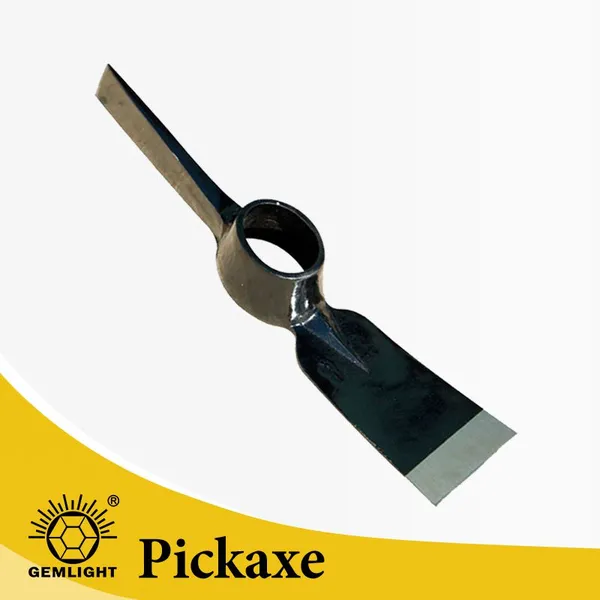
Wholesale Heavy Duty Pick Mattock for Mining Road Work and Farm Digging for Wholesale Tool Dealers With Bulk Order ServiceUS$ 1.85 - 2.3MOQ: 1200 Pieces
-
Carbon Steel Manual Pickaxe for Hard Soil Breaking and Trenching for African Importers With OEM Bulk Order Support Agricultural ToolUS$ 1.85 - 2.3MOQ: 1200 Pieces

-
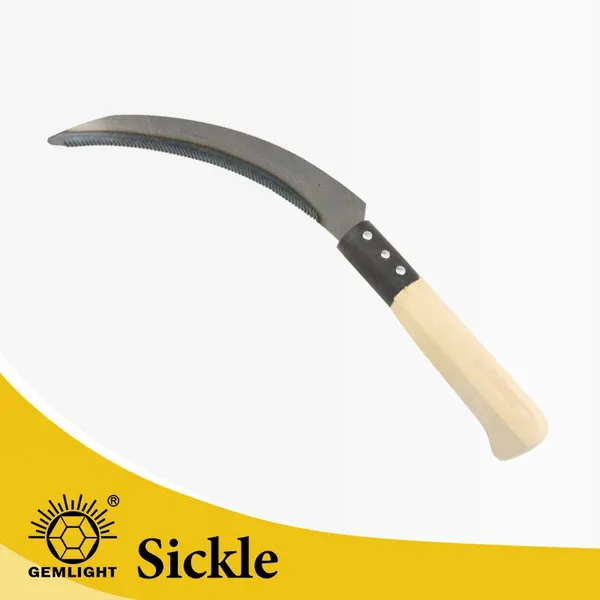
OEM Farm Sickle With Sharp Blade for African Importers OEM Bulk Order Support for Harvesting and Smallholder Farming for Wholesale BUS$ 0.28 - 0.33MOQ: 3000 Pieces
-
Heavy Duty Manganese Steel Round Point Shovel Garden Digging Shovel With Wooden Handle Agricultural Tool ManufacturerUS$ 2.14 - 2.36MOQ: 1200 Pieces
-
Farm Shovel Factory Supply for Regional Import Distributors Bulk Wholesale Supply for Garden Work and Trenching for Agricultural DealersUS$ 2.14 - 2.36MOQ: 1200 Pieces
-
Heavy Duty Garden Rake for African Importers OEM Factory Supply for Agricultural Use African Market Factory Bulk OrderUS$ 0.88 - 1.35MOQ: 2000 Pieces
-
Agricultural Soil Rake for Agricultural Dealers Export Supply for Garden Cleaning African Dealer Channels Factory Bulk OrderUS$ 0.88 - 1.35MOQ: 2000 Pieces
-
Manual Farm Machete for African Importers OEM Factory Supply for Farming and Land Clearing Durable Hand ToolNegotiableMOQ: 1200 Pieces
-
Large Heavy Duty Carbon Steel Garden Landscaping Digging HoeUS$ 1.07 - 1.27MOQ: 1200 Pieces
-
Heavy Duty Rail Steel Mattock Pick Axe With Wooden Handle for Digging Soil Mining and Agricultural Tool SupplierUS$ 1.85 - 2.3MOQ: 1200 Pieces
-
Forged Farm Sickle With Sharp Blade for African Importers OEM Bulk Order Support for Harvesting and Smallholder Farming for WholesalUS$ 0.28 - 0.33MOQ: 3000 Pieces
-
Strong Carbon Steel Farming Sickle for Uganda Tanzania Zambia Agricultural Tool DistributorsUS$ 0.34 - 0.47MOQ: 3000 Pieces