
 Business License

Factory or Trading Company? How to Verify a Chinese Shovel Supplier
Factory or Trading Company? How to Verify a Chinese Shovel Supplier
Most first-time buyers lose money on the same mistake. They compare prices from two suppliers that are not the same kind of business.
One is a plant. One is a reseller with a good website and faster English.
Both can serve you well. But the price, the risk and the questions are different.
Here is how to tell them apart in about twenty minutes, before you discuss volume.
The Documents That Separate a Factory From a Trader
Ask for four documents in your first email. A real plant sends them without much discussion.
The business licence shows the legal name, credit code and approved business scope. Read the scope line closely.
It should mention manufacture, production or processing of hardware or farm tools.
If the scope only lists trading, wholesale or import and export, you are talking to a reseller. That is not a complaint. It is information.
The customs registration certificate proves the company exports in its own name. Ask for the 10-digit customs code and check the printed name.
ISO 9001 helps only when the certificate carries the same name and address as the licence. Compare the two documents word by word, not by logo.
Then look at the bank details. The account name must match the licence exactly.
A request to pay a personal account or an unrelated offshore company is a stop sign. Ask why, in writing, and keep the answer.
Some plants hold their export licence under a sister trading company. That is common enough, but it should be declared.
What the Licence and Export Records Really Show
A licence is a starting point, not proof. It tells you what a company may do, not what it does daily.
You will see the registration date, capital and scope again. Penalties, abnormal status and address changes also show up there.
Check the annual report as well. Chinese companies file one each year, and a last filing two years old deserves a question.
Registered capital alone is a weak signal. Many real workshops register modestly and spend on presses and furnaces.
But a company registered last year, with tiny capital and a full catalogue, is worth questioning.
Export records are harder to obtain, and that is normal. Some trade data platforms show shipment counts by product and destination.
Those figures are estimates, yet the pattern is useful. If a supplier claims forty containers a year, the pattern should look like it.
Three Ways to See the Workshop Without Flying
You do not need a plane ticket to check a plant.
Start with a live video call. Ask the person to walk from the steel store to the press, then to the furnace.
Then ask for the coating line, and for the date on a phone screen. Refuse any pre-recorded video.
One good trick: write a word on paper and ask them to hold it next to the press. Few plants can fake that live.
Second, book a third-party inspection. SGS, BV, TUV or Intertek can report on equipment, capacity and quality control.
It costs money, but far less than a failed container.
Third, place a small paid sample order with an inspection clause. Write into the PO that your inspector may visit during production.
A plant accepts this. A reseller usually hesitates, then offers a factory video instead.
Questions That Traders Answer Badly
Some questions are simple for a plant and awkward for a reseller.
Which press tonnage forms your #2 blade?
What is the hardness at the cutting edge, and who tests it?
How long is your quench and temper cycle?
Can you show a handle moisture reading on the meter?
What is your scrap rate on blade pressing?
A plant answers all five with numbers inside a day. A trader answers two and forwards the rest.
The scrap rate is the most revealing of the five. A plant knows its own rejection rate, because it pays for the scrap.
That forwarding is your answer. Ask who the plant is, and whether you may buy from them directly.
Some traders will introduce the plant and stay in the deal as an agent. That is honest, and often useful.
When a Trading Company Is the Right Choice
A trader is not a problem by itself.
For a mixed container of shovels, hoes, rakes and forks, a good trading company often beats a single factory.
They already consolidate, they know several plants, and they handle small quantities better than most workshops.
The risk appears when a trader pretends to be a plant. Then you cannot judge capability, and you cannot fix a quality problem at its source.
So decide what you need before you shop. One product with tight specifications points to a factory.
A broad range with many small items points to a consolidator. Both models work, if you pick on purpose.
Even then, ask for the plant name. A trader with nothing to hide will tell you, and that name goes into your file.
Keep a simple score sheet: documents, video, answers, sample. Four lines per supplier, and the choice stops being a feeling.
Either way, ask the same five questions. The honest answer tells you more than any company profile page.
If you want a direct comparison, send us your specification. We will say what we press in-house and what we buy in.
Recently Posted
-
Container Loading for Shovels: How Many Fit in a 20ft and 40ft
November 16, 2026Container Loading for Shovels: How Many Fit in a 20ft and 40ft"How many shovels fit in a container" sounds like a simple Read More
-
How Shovel Prices Are Calculated: Steel, Handle, Coating and Labour
November 16, 2026How Shovel Prices Are Calculated: Steel, Handle, Coating and LabourA shovel quotation usually arrives as one number per piece. It Read More
-
Shovel Eye and Handle Tolerance: How to Avoid Loose or Cracked Fittings
November 16, 2026Shovel Eye and Handle Tolerance: How to Avoid Loose or Cracked FittingsA head that wobbles in month three is rarely a steel proble Read More
-
D-Grip, T-Handle or Long Handle: Choosing Shovel Handles by Market
November 16, 2026D-Grip, T-Handle or Long Handle: Choosing Shovel Handles by MarketThe head sells the first order. The handle decides whether the c Read More

Contact Us
Recommended Products
-
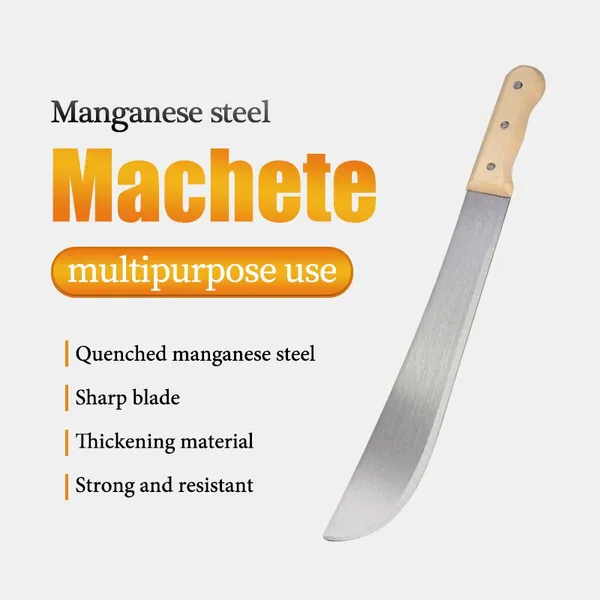
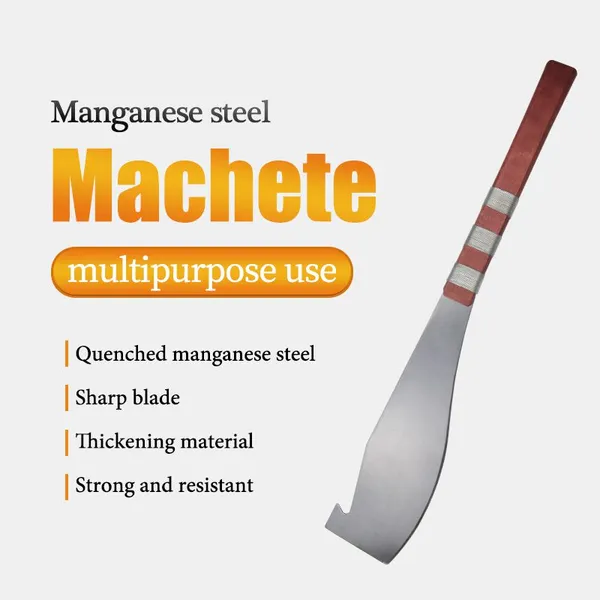
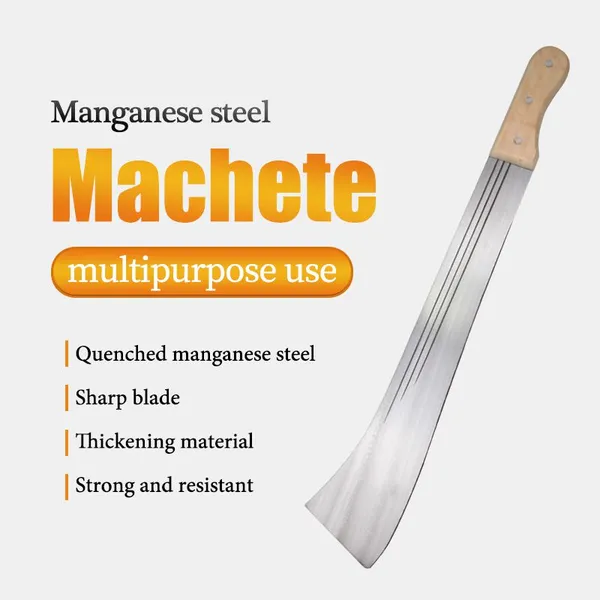
 Heavy Duty Cane Knife Machete for Wholesale Buyers Factory Direct Export for Rural Agricultural Projects Durable Hand ToolNegotiableMOQ: 1200 Pieces
-
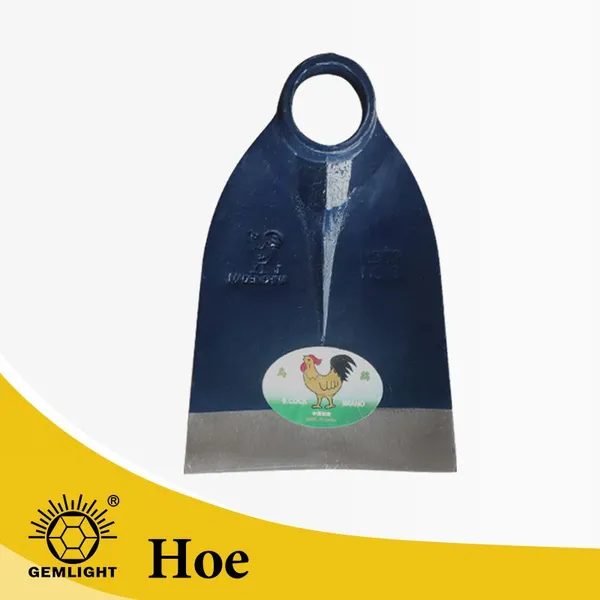
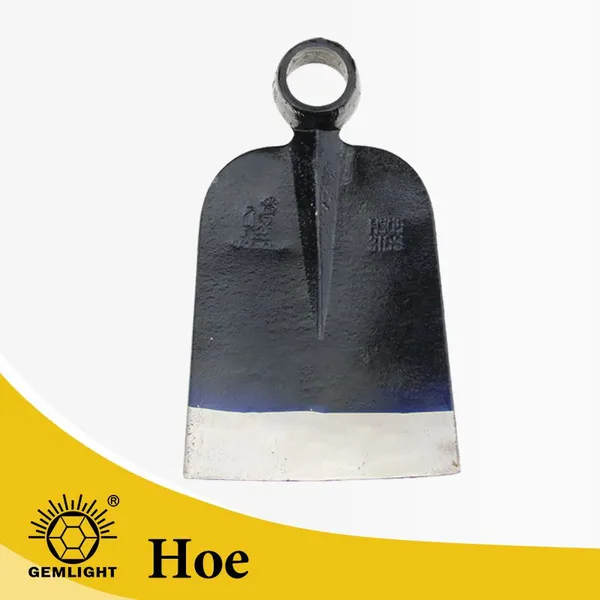
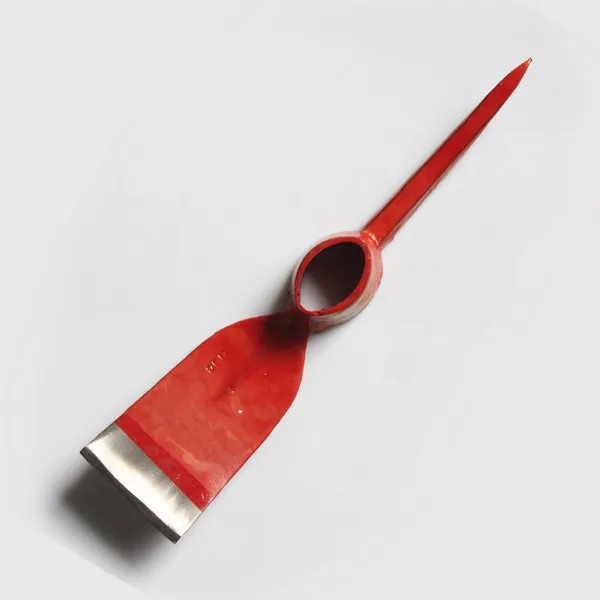
Agricultural Hoe Head Garden Rail Steel Tool for Tough Soil Cheap Price Hand ToolsUS$ 1.07 - 1.27MOQ: 1200 Pieces
-
Sturdy Rail Steel Hoe for Weeding, H305 Perfect for Agricultural and Garden TasksUS$ 1.07 - 1.27MOQ: 1200 Pieces
-
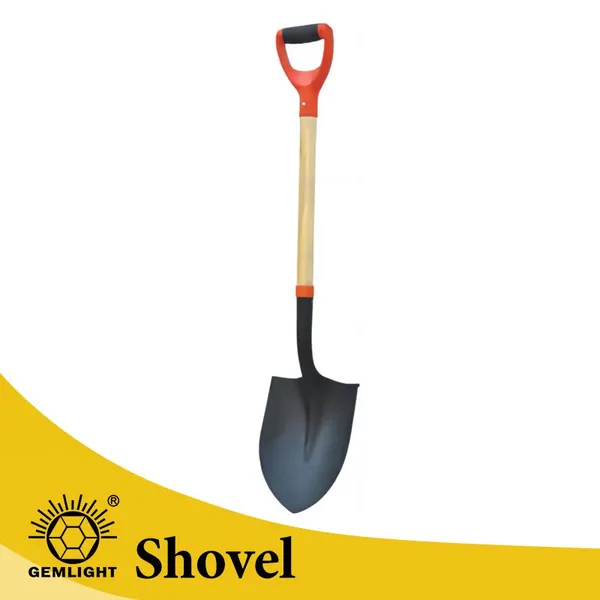
Heavy Duty Manganese Steel Garden Shovel Round Point Digging Shovel With Wooden Handle Farm Tool SupplierUS$ 2.14 - 2.36MOQ: 1200 Pieces
-
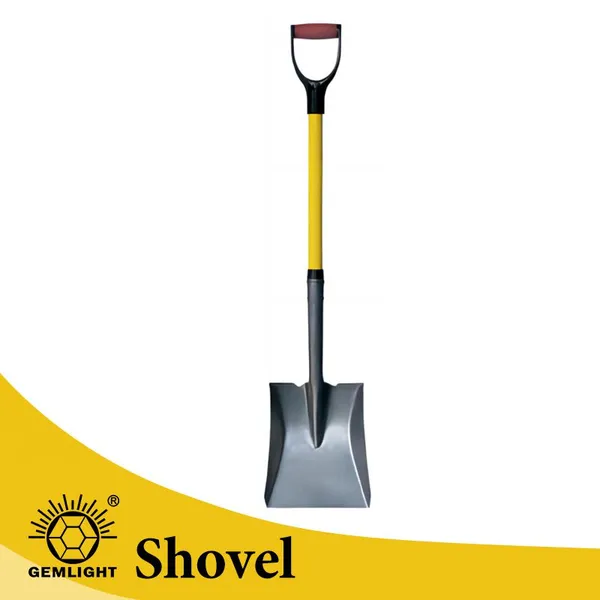
Big Shovel Wide Shovel Mud Shovel Heavy Duty Steel Blade for Farm Drainage Soil Moving Cleaning and Landscaping UseUS$ 2.14 - 2.36MOQ: 1200 Pieces
-
Strong Teeth Soil Rake for Farm Tool Suppliers Private Label Export for Farm Maintenance African Distribution Factory Bulk OrderUS$ 0.88 - 1.35MOQ: 2000 Pieces
-
Manual Cane Knife Machete for Wholesale Buyers Factory Direct Export for Rural Agricultural Projects Durable Hand ToolNegotiableMOQ: 1200 Pieces
-
Large High Carbon Steel Machete Knife Agricultural Machete for Farming Bush Cutting Garden Tool SupplierNegotiableMOQ: 1200 Pieces
-
Wholesale Heavy Duty Pick Mattock for Mining Road Work and Farm Digging for Wholesale Tool Dealers With Bulk Order ServiceUS$ 1.85 - 2.3MOQ: 1200 Pieces
-
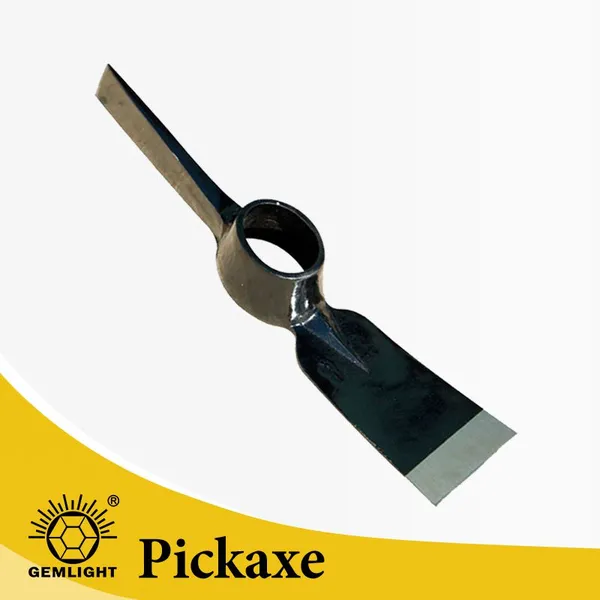
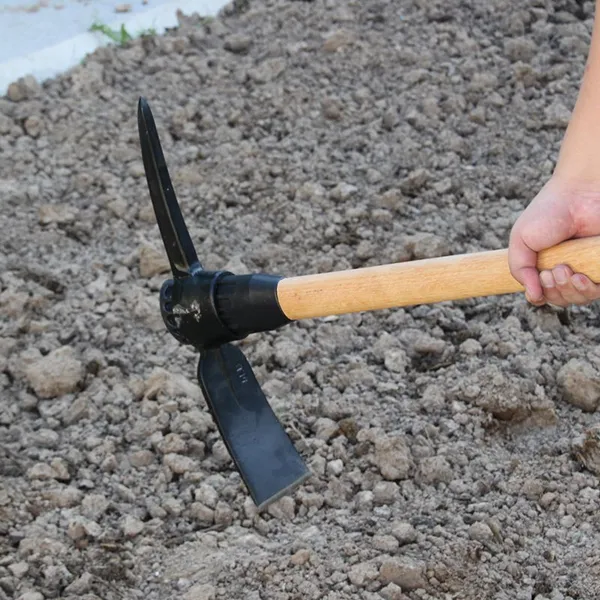
Carbon Steel Manual Pickaxe for Hard Soil Breaking and Trenching for African Importers With OEM Bulk Order Support Agricultural ToolUS$ 1.85 - 2.3MOQ: 1200 Pieces

-
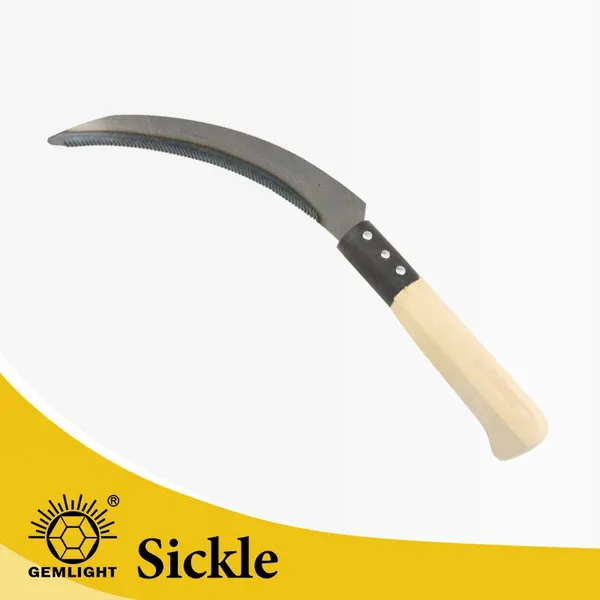
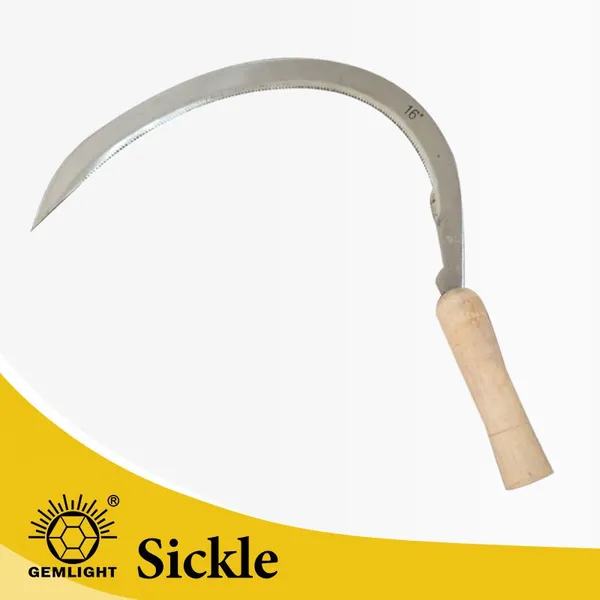
OEM Farm Sickle With Sharp Blade for African Importers OEM Bulk Order Support for Harvesting and Smallholder Farming for Wholesale BUS$ 0.28 - 0.33MOQ: 3000 Pieces
-
Heavy Duty Manganese Steel Round Point Shovel Garden Digging Shovel With Wooden Handle Agricultural Tool ManufacturerUS$ 2.14 - 2.36MOQ: 1200 Pieces
-
Farm Shovel Factory Supply for Regional Import Distributors Bulk Wholesale Supply for Garden Work and Trenching for Agricultural DealersUS$ 2.14 - 2.36MOQ: 1200 Pieces
-
Heavy Duty Garden Rake for African Importers OEM Factory Supply for Agricultural Use African Market Factory Bulk OrderUS$ 0.88 - 1.35MOQ: 2000 Pieces
-
Agricultural Soil Rake for Agricultural Dealers Export Supply for Garden Cleaning African Dealer Channels Factory Bulk OrderUS$ 0.88 - 1.35MOQ: 2000 Pieces
-
Manual Farm Machete for African Importers OEM Factory Supply for Farming and Land Clearing Durable Hand ToolNegotiableMOQ: 1200 Pieces
-
Large Heavy Duty Carbon Steel Garden Landscaping Digging HoeUS$ 1.07 - 1.27MOQ: 1200 Pieces
-
Heavy Duty Rail Steel Mattock Pick Axe With Wooden Handle for Digging Soil Mining and Agricultural Tool SupplierUS$ 1.85 - 2.3MOQ: 1200 Pieces
-
Forged Farm Sickle With Sharp Blade for African Importers OEM Bulk Order Support for Harvesting and Smallholder Farming for WholesalUS$ 0.28 - 0.33MOQ: 3000 Pieces
-
Strong Carbon Steel Farming Sickle for Uganda Tanzania Zambia Agricultural Tool DistributorsUS$ 0.34 - 0.47MOQ: 3000 Pieces