
 Business License

Agricultural Shovel Types Explained: Round Point, Square Point, Scoop and Trenching
Agricultural Shovel Types Explained: Round Point, Square Point, Scoop and Trenching
A retail buyer once ordered 2,000 "shovels" for a farm chain. Half arrived with pointed blades, half with flat blades.
The shelf plan broke on the first delivery. The order was correct on paper and wrong in the shop.
Shovel is a family name, not a product. Each type does one job well and the others badly.
Here is the range, in the order most markets buy it. Each type is described by the job it does, not by its marketing name.
Round Point: The Digging Default
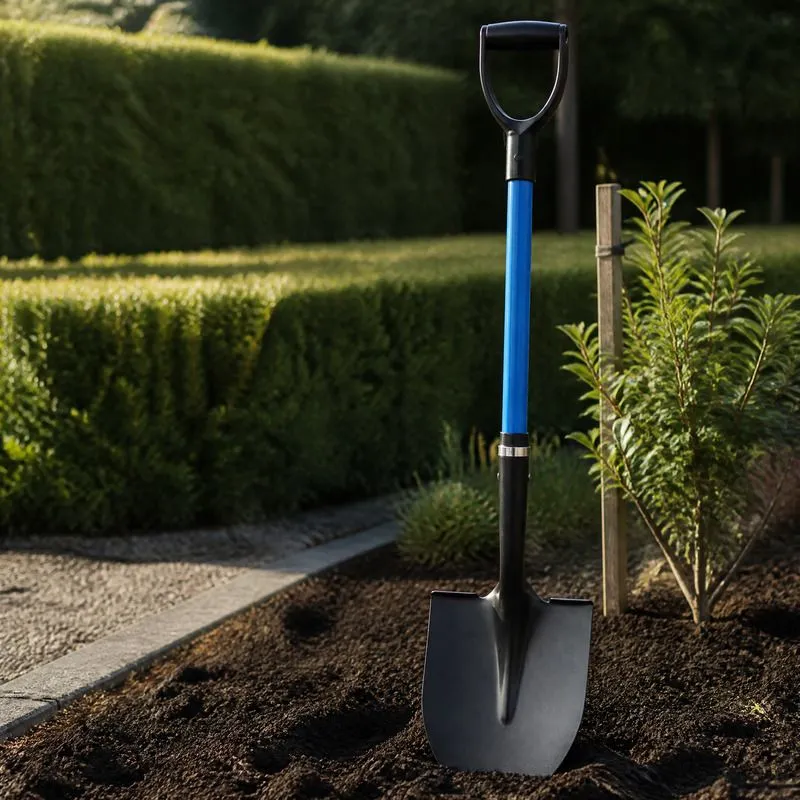
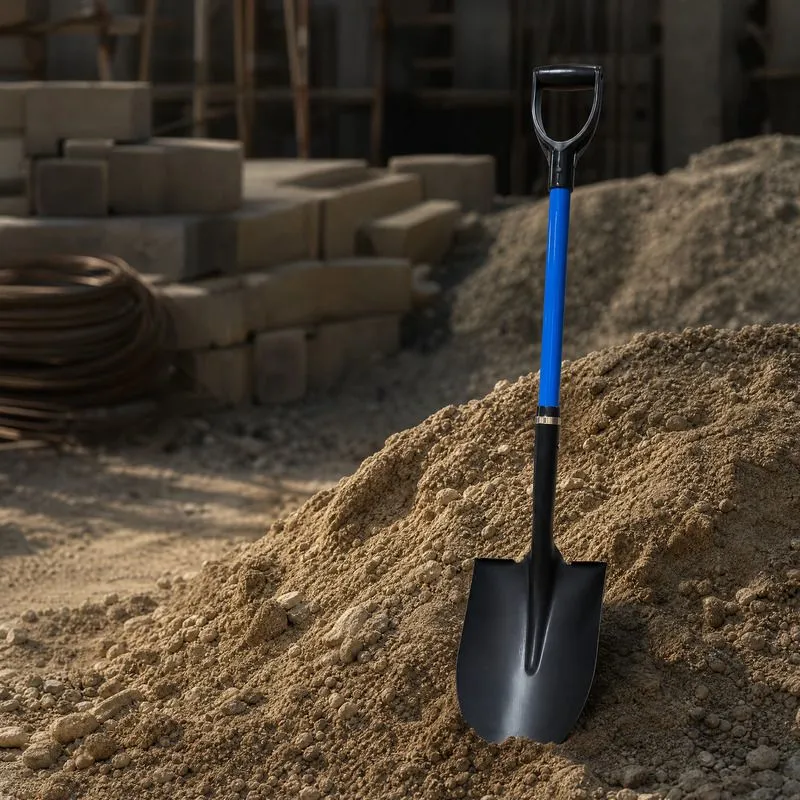
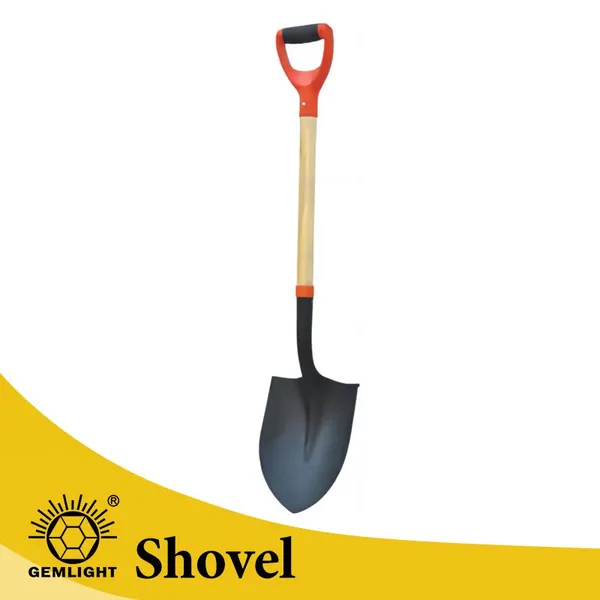
The round point is the shovel most people picture. The blade has a rounded or pointed tip and slightly curved shoulders.
That point puts force on a small area. It breaks hard ground, cuts roots and starts a hole.
The curved face sheds soil instead of holding it. So the tool keeps working in sticky clay.
In our export range, this is the highest-volume farm model. It sells to smallholders, landscape crews, cemeteries and building sites.
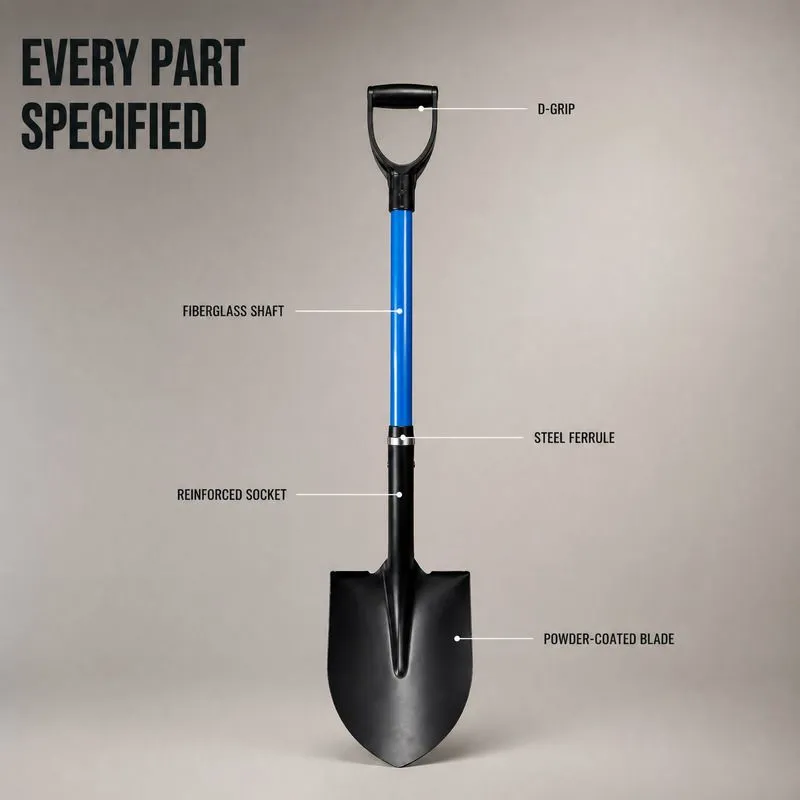
Sizes run from small garden heads to full farm heads. Handle choice matters more here than on other types, because digging multiplies leverage.
A long handle with a D-grip is the common pairing. A short handle belongs on garden models only.
Sharpening is easy on this blade. The user files the tip, and the tool is back at work in a minute.
Square Point and Scoop: Moving Loose Material
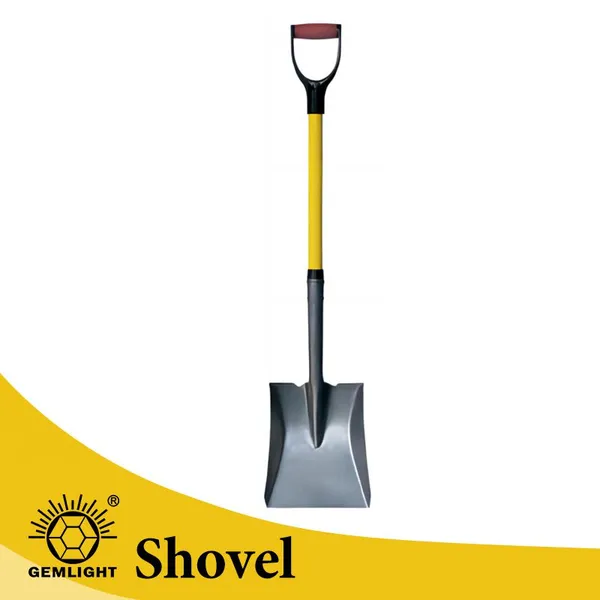
A square point blade ends in a flat edge and a flat or slightly dished face. It picks up sand, gravel, grain and mulch without spilling.
It is poor at breaking new ground, because a flat edge has no point to start a cut. That is the trade-off, not a defect.
Blade width decides the load. A 250 mm blade carries more, but it is heavier to lift over a wall.
Scoop shovels go further in the same direction. The blade is wider, the sides are raised, and the volume is larger.
Aluminium grain scoops are the lightest option for seed and feed work. They do not rust, and they stay light all day.
Scoop blades are often rolled from thinner sheet, because they carry rather than cut. Check the gauge before comparing prices.
Channel matters here. Farm supply stores sell scoops for stable and feed jobs. Builder's merchants sell square points by the pallet.
Garden centres sell both, but in smaller sizes and with shorter handles.

Drain Spade and Trenching Shovel
These two get confused often, and the confusion costs money.
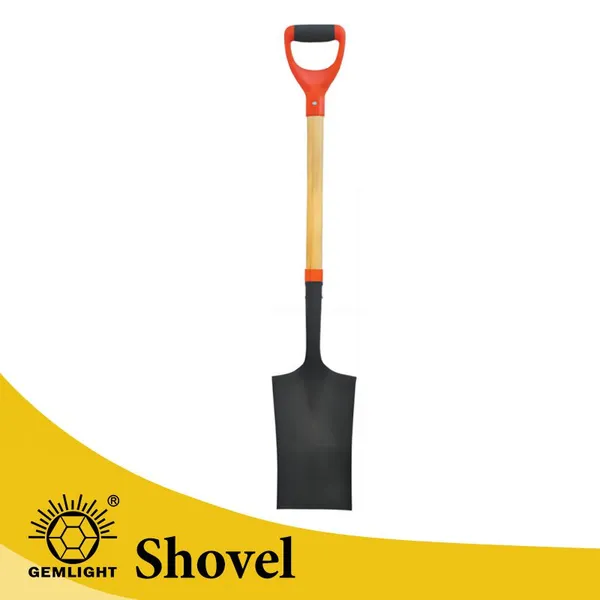
A drain spade has a long, narrow, nearly flat blade, usually 400 to 450 mm long. It cuts a clean trench for pipe and cable, then lifts the spoil out.
The long blade lets one cut reach depth. A wide blade would only scrape the surface.
Width matters more than length. Anything wider than about 120 mm turns a trench into a hole, and backfilling costs more.
A trenching shovel is similar but heavier, and often a little wider at the shoulder. It is built for repeated cutting in clay and compacted soil.
Both are low-volume, higher-margin items in retail. They sell to plumbers, irrigation contractors and landscape gardeners.
Stock them for range completeness, not for volume. Two or three cartons per season is normal.
A narrow blade also cuts roots cleanly, which matters when a pipe is already in the ground.
Specialty Types Worth a Slot
A few more types earn space in a serious range.
Post hole shovel: narrow curved blade for fence posts and planting holes.
Edging shovel: flat half-moon blade for lawn borders and beds.
Utility or coal shovel: wide flat blade for loose bulk material.
Digging fork: not a shovel, but bought by the same customer.
Each one is a small order on its own. Together they turn a shovel shelf into a tool department.
Order them in mixed cartons where the factory allows it. A mixed pallet tests the market for the price of one SKU.
Tender lists look different again. Those documents usually name a round point and a square point, and nothing exotic.
Read the specification carefully anyway. Blade length, head weight and handle length are often written in the annex.
Aluminium grain scoops deserve their own line in feed markets. They sell by the dozen and almost never come back.
Building a Range by Market
Do not copy a competitor's catalogue. Build the range from the customers' job list.
For smallholder farm markets, lead with round point and square point in medium sizes. For garden retail, add border spades and edging tools.
For construction and municipal buyers, weight the range toward square points and scoops. Those buyers order by the pallet, not the piece.
A simple rule works well: two digging models, two scooping models, one narrow trenching model.
That is five SKUs covering most of what a farm and garden shop needs.
Then check your own sales history before you add a sixth. Last season's data beats any catalogue advice.
Price bands split next. A value model and a premium model of the same type serve two different customers.
Then standardise the socket across the range. Interchangeable handles cut your spare parts stock and simplify assembly.
Uniform carton sizes help too. Mixed pallets build faster when every carton shares a footprint.
If you are mapping a range now, tell us the market and the price band. We will send the type mix and the packing data.
Recently Posted
-
Container Loading for Shovels: How Many Fit in a 20ft and 40ft
November 16, 2026Container Loading for Shovels: How Many Fit in a 20ft and 40ft"How many shovels fit in a container" sounds like a simple Read More
-
How Shovel Prices Are Calculated: Steel, Handle, Coating and Labour
November 16, 2026How Shovel Prices Are Calculated: Steel, Handle, Coating and LabourA shovel quotation usually arrives as one number per piece. It Read More
-
Shovel Eye and Handle Tolerance: How to Avoid Loose or Cracked Fittings
November 16, 2026Shovel Eye and Handle Tolerance: How to Avoid Loose or Cracked FittingsA head that wobbles in month three is rarely a steel proble Read More
-
D-Grip, T-Handle or Long Handle: Choosing Shovel Handles by Market
November 16, 2026D-Grip, T-Handle or Long Handle: Choosing Shovel Handles by MarketThe head sells the first order. The handle decides whether the c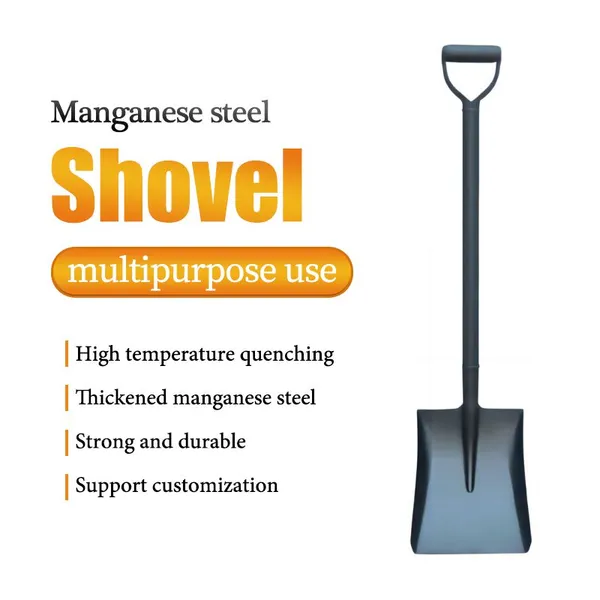 Read More

Contact Us
Recommended Products
-
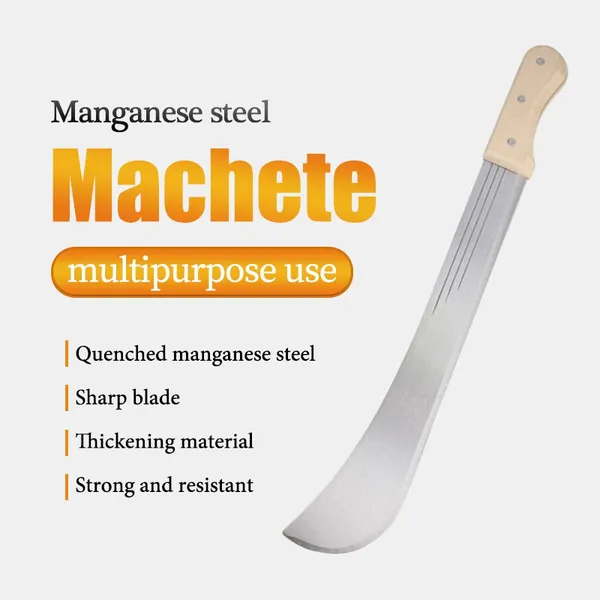
 Heavy Duty Cane Knife Machete for Wholesale Buyers Factory Direct Export for Rural Agricultural Projects Durable Hand ToolNegotiableMOQ: 1200 Pieces
-
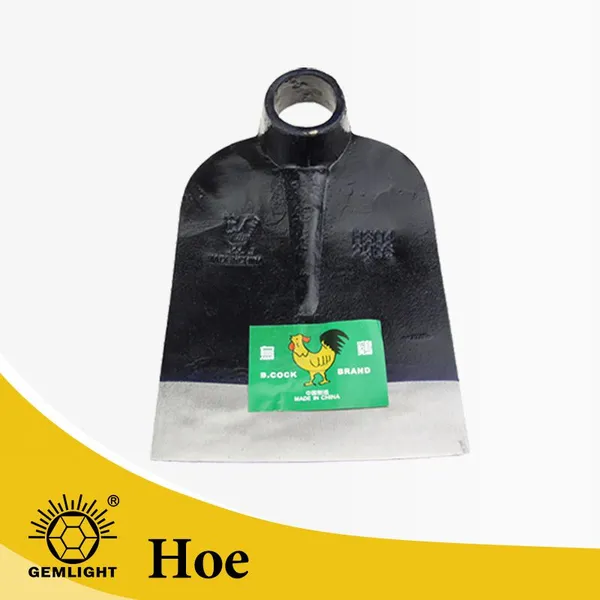
Agricultural Hoe Head Garden Rail Steel Tool for Tough Soil Cheap Price Hand ToolsUS$ 1.07 - 1.27MOQ: 1200 Pieces
-
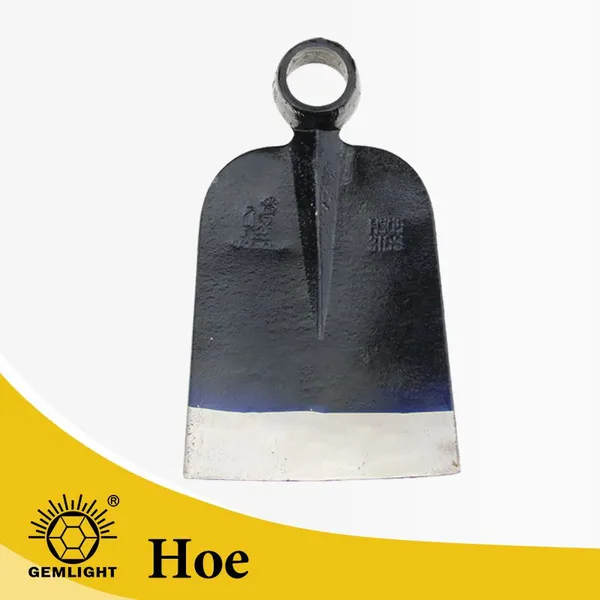
Sturdy Rail Steel Hoe for Weeding, H305 Perfect for Agricultural and Garden TasksUS$ 1.07 - 1.27MOQ: 1200 Pieces
-
Heavy Duty Manganese Steel Garden Shovel Round Point Digging Shovel With Wooden Handle Farm Tool SupplierUS$ 2.14 - 2.36MOQ: 1200 Pieces
-
Big Shovel Wide Shovel Mud Shovel Heavy Duty Steel Blade for Farm Drainage Soil Moving Cleaning and Landscaping UseUS$ 2.14 - 2.36MOQ: 1200 Pieces
-
Strong Teeth Soil Rake for Farm Tool Suppliers Private Label Export for Farm Maintenance African Distribution Factory Bulk OrderUS$ 0.88 - 1.35MOQ: 2000 Pieces
-
Manual Cane Knife Machete for Wholesale Buyers Factory Direct Export for Rural Agricultural Projects Durable Hand ToolNegotiableMOQ: 1200 Pieces
-
Large High Carbon Steel Machete Knife Agricultural Machete for Farming Bush Cutting Garden Tool SupplierNegotiableMOQ: 1200 Pieces
-
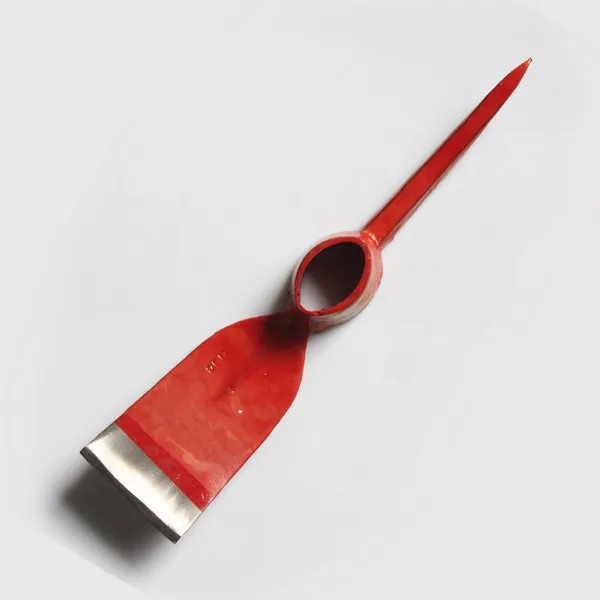
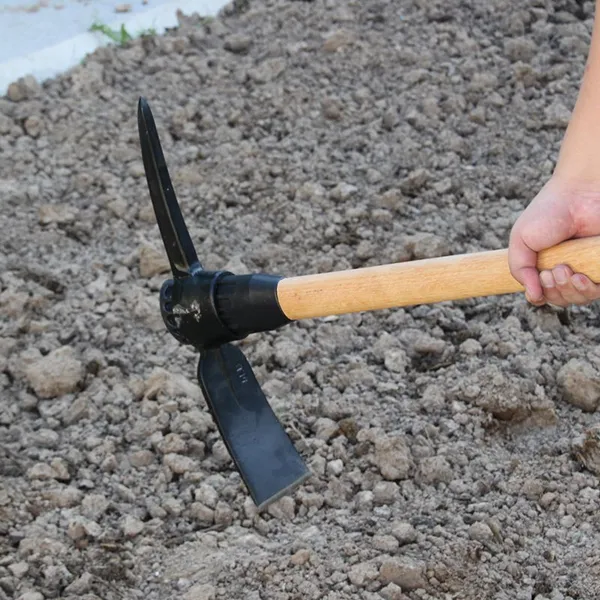
Wholesale Heavy Duty Pick Mattock for Mining Road Work and Farm Digging for Wholesale Tool Dealers With Bulk Order ServiceUS$ 1.85 - 2.3MOQ: 1200 Pieces
-
Carbon Steel Manual Pickaxe for Hard Soil Breaking and Trenching for African Importers With OEM Bulk Order Support Agricultural ToolUS$ 1.85 - 2.3MOQ: 1200 Pieces

-
OEM Farm Sickle With Sharp Blade for African Importers OEM Bulk Order Support for Harvesting and Smallholder Farming for Wholesale BUS$ 0.28 - 0.33MOQ: 3000 Pieces
-
Heavy Duty Manganese Steel Round Point Shovel Garden Digging Shovel With Wooden Handle Agricultural Tool ManufacturerUS$ 2.14 - 2.36MOQ: 1200 Pieces
-
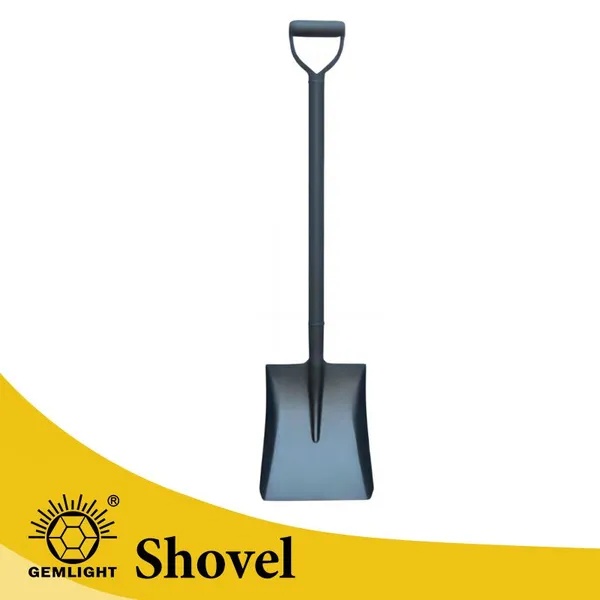
Farm Shovel Factory Supply for Regional Import Distributors Bulk Wholesale Supply for Garden Work and Trenching for Agricultural DealersUS$ 2.14 - 2.36MOQ: 1200 Pieces
-
Heavy Duty Garden Rake for African Importers OEM Factory Supply for Agricultural Use African Market Factory Bulk OrderUS$ 0.88 - 1.35MOQ: 2000 Pieces
-
Agricultural Soil Rake for Agricultural Dealers Export Supply for Garden Cleaning African Dealer Channels Factory Bulk OrderUS$ 0.88 - 1.35MOQ: 2000 Pieces
-
Manual Farm Machete for African Importers OEM Factory Supply for Farming and Land Clearing Durable Hand ToolNegotiableMOQ: 1200 Pieces
-
Large Heavy Duty Carbon Steel Garden Landscaping Digging HoeUS$ 1.07 - 1.27MOQ: 1200 Pieces
-
Heavy Duty Rail Steel Mattock Pick Axe With Wooden Handle for Digging Soil Mining and Agricultural Tool SupplierUS$ 1.85 - 2.3MOQ: 1200 Pieces
-
Forged Farm Sickle With Sharp Blade for African Importers OEM Bulk Order Support for Harvesting and Smallholder Farming for WholesalUS$ 0.28 - 0.33MOQ: 3000 Pieces
-
Strong Carbon Steel Farming Sickle for Uganda Tanzania Zambia Agricultural Tool DistributorsUS$ 0.34 - 0.47MOQ: 3000 Pieces