
 Business License

Shovel Head Steel and Heat Treatment: What Importers Should Specify
Shovel Head Steel and Heat Treatment: What Importers Should Specify
Two heads, same shape, same weight, same price.
One lasts three seasons. The other folds in a week.
The difference is steel grade and heat treatment, and both are invisible on a quote.
Suppliers who are not asked will use whatever sheet is in the yard. Here is what to write instead.
Carbon Steel Grades Used in Export Shovels
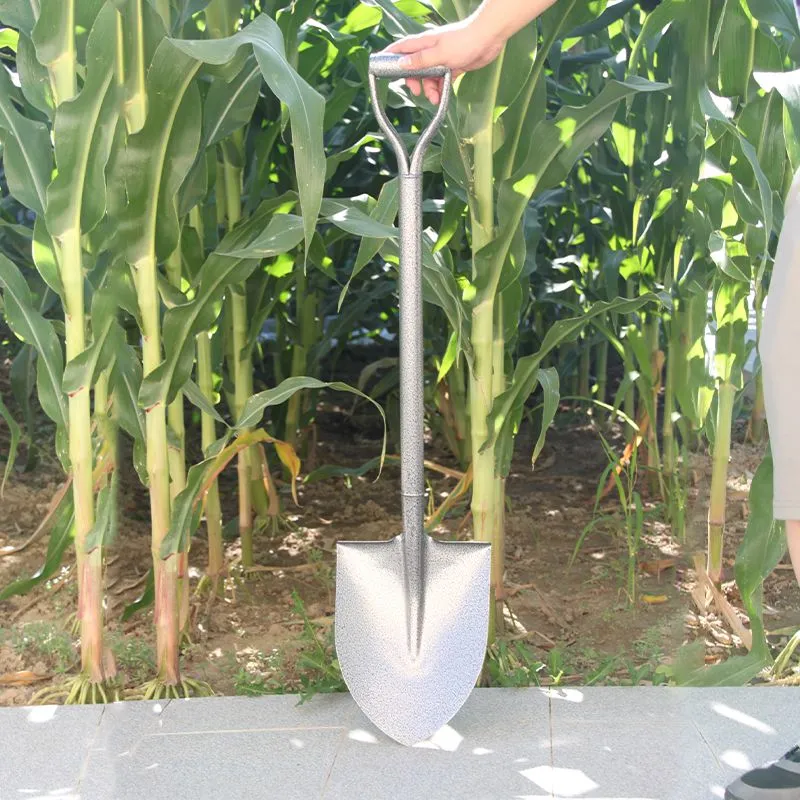
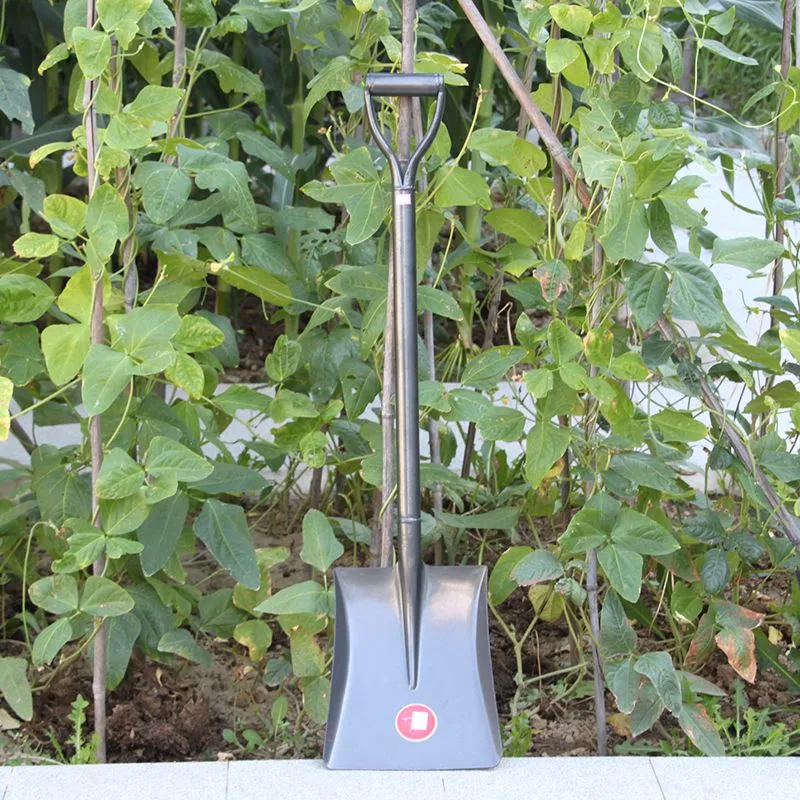
Most pressed shovel heads use medium carbon steel sheet.
The common grades in China are 45#, 50#, 65Mn and Q235. Each one behaves differently, and each one costs differently.
45# means roughly 0.45 percent carbon. It hardens predictably, takes an edge, and suits general farm shovels.
50# and 55# add a little carbon and hardness. They suit heavy-duty models and markets with hard soil.
65Mn contains manganese, which improves hardenability and wear resistance. It is common in edges and in blades that must resist bending.
65Mn costs more and welds less easily, so not every plant offers it by default.
Q235 is a mild structural steel. It is cheap, forms easily and hardens poorly.
Heads made from Q235 without proper treatment wear fast. They are fine for light garden use and wrong for farm work.
Ask for the grade in writing, on the quotation. A price without a grade is not comparable to anything.
Some buyers ask for "spring steel" without naming a grade. Ask which GB grade that means, and get it in writing.
What Heat Treatment Actually Does
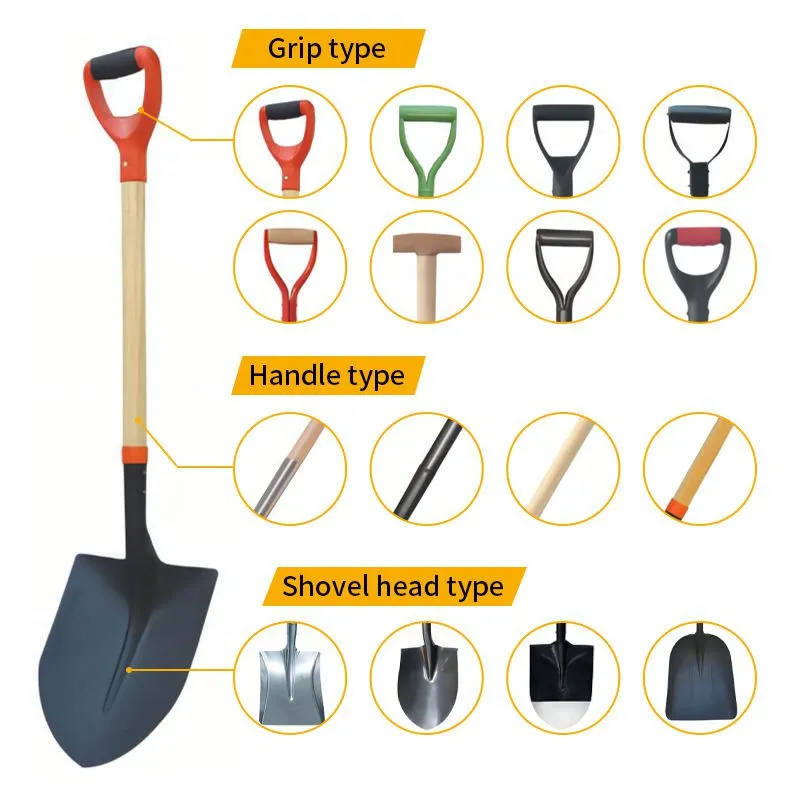
Pressing gives a blade its shape. Heat treatment gives it its behaviour.
The process is simple to describe. Heat the head to temperature, quench it, then temper it.
Quenching makes it hard and brittle. Tempering trades some hardness for toughness, and that trade is the whole art.
Where the heat is applied matters as much as how hot. Many plants harden only the cutting edge, by induction, and leave the socket soft.
That combination is deliberate. A hard edge cuts, and a soft socket absorbs shock.
A plant that hardens the whole head usually produces a brittle tool. It passes a hardness test and still cracks in the field.
Ask two questions about the process. Is the treatment edge-only or through-hardened?
Then ask for the tempering temperature and the holding time. A real plant knows both numbers without checking.
Ask whether the furnace is continuous or batch. Both work, but repeatability differs between them.
The Hardness Range That Balances Toughness and Wear
Hardness is the number buyers argue about most. It is also the easiest to misread.
For farm shovels, an edge hardness of 42 to 50 HRC is a practical band.
Harder edges hold an edge longer but chip on stones. Softer edges roll in clay but survive impact.
The socket should stay softer, around 25 to 35 HRC. If it matches the edge, the head cracks at the socket within a season.
Rockwell C is the usual scale. Leeb and Brinell readings also appear, so ask which scale the report uses.
A number without a scale and a test point is not a specification. It is a claim.
Then decide by soil, not by reputation. Stony ground wants the softer end of the range.
Clay and loam want the harder end, because rolling is the main failure there.
Keep one reference head from each shipment. Testing a known sample first is a cheap calibration check.
How to Test Before Shipment
You cannot see hardness, so you test it.
The basic check is a hardness tester on a polished spot. Good practice is three readings per head.
Take them at the edge, mid-blade and socket. Record all three, and do not average them away.
A file test is the field version. A file should skate on a hardened edge and bite on a soft socket.
It is rough, and it catches untreated heads immediately. A buyer with a file can reject a bad lot before it ships.
Then test the blade physically. Clamp the socket and press the edge against a steel block.
A properly treated edge dents. An over-hardened one chips, and a soft one folds.
None of this needs a laboratory. It needs a hardness tester, a file and twenty minutes at the loading dock.
Write the results on the inspection report. A number on paper is what a claim is built on.
Photograph the test points with the reading in frame. Pictures settle arguments faster than figures.
Writing the Spec Into the PO
A purchase order protects you only when it is specific.
Write four lines. Steel grade for the head, and steel grade for the socket.
Edge hardness in HRC, with the test method and the test points. Treatment type, edge-only or through-hardened.
Coating type, and minimum film thickness in microns.
Then add a sampling rule. Test three heads per 500, and keep the report with the shipping documents.
Add one sentence about remedies. Say what happens if hardness falls outside the range, such as re-treatment or rejection.
That sentence changes behaviour more than any threat. A supplier who knows the rule will test before packing.
A supplier who resists these four lines is telling you something useful. Believe it early.
Add the drawing number to the same PO, so shape and steel travel together. Then attach the inspection report as an annex.
Review those reports once a year. Hardness drift shows up as a trend, not as one failed batch.
Tell us your soil conditions and price band, and we will propose a steel grade and hardness range.
Recently Posted
-
Container Loading for Shovels: How Many Fit in a 20ft and 40ft
November 16, 2026Container Loading for Shovels: How Many Fit in a 20ft and 40ft"How many shovels fit in a container" sounds like a simple Read More
-
How Shovel Prices Are Calculated: Steel, Handle, Coating and Labour
November 16, 2026How Shovel Prices Are Calculated: Steel, Handle, Coating and LabourA shovel quotation usually arrives as one number per piece. It Read More
-
Shovel Eye and Handle Tolerance: How to Avoid Loose or Cracked Fittings
November 16, 2026Shovel Eye and Handle Tolerance: How to Avoid Loose or Cracked FittingsA head that wobbles in month three is rarely a steel proble Read More
-
D-Grip, T-Handle or Long Handle: Choosing Shovel Handles by Market
November 16, 2026D-Grip, T-Handle or Long Handle: Choosing Shovel Handles by MarketThe head sells the first order. The handle decides whether the c Read More

Contact Us
Recommended Products
-
 Heavy Duty Cane Knife Machete for Wholesale Buyers Factory Direct Export for Rural Agricultural Projects Durable Hand ToolNegotiableMOQ: 1200 Pieces
-
Agricultural Hoe Head Garden Rail Steel Tool for Tough Soil Cheap Price Hand ToolsUS$ 1.07 - 1.27MOQ: 1200 Pieces
-
Sturdy Rail Steel Hoe for Weeding, H305 Perfect for Agricultural and Garden TasksUS$ 1.07 - 1.27MOQ: 1200 Pieces
-
Heavy Duty Manganese Steel Garden Shovel Round Point Digging Shovel With Wooden Handle Farm Tool SupplierUS$ 2.14 - 2.36MOQ: 1200 Pieces
-
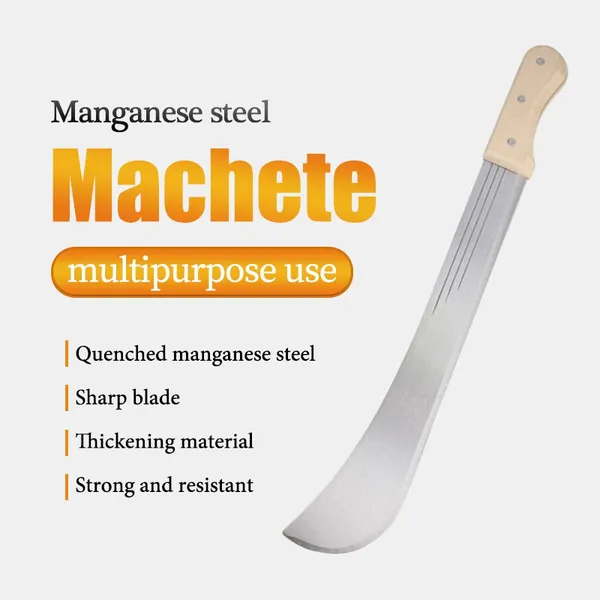
Big Shovel Wide Shovel Mud Shovel Heavy Duty Steel Blade for Farm Drainage Soil Moving Cleaning and Landscaping UseUS$ 2.14 - 2.36MOQ: 1200 Pieces
-
Strong Teeth Soil Rake for Farm Tool Suppliers Private Label Export for Farm Maintenance African Distribution Factory Bulk OrderUS$ 0.88 - 1.35MOQ: 2000 Pieces
-
Manual Cane Knife Machete for Wholesale Buyers Factory Direct Export for Rural Agricultural Projects Durable Hand ToolNegotiableMOQ: 1200 Pieces
-
Large High Carbon Steel Machete Knife Agricultural Machete for Farming Bush Cutting Garden Tool SupplierNegotiableMOQ: 1200 Pieces
-
Wholesale Heavy Duty Pick Mattock for Mining Road Work and Farm Digging for Wholesale Tool Dealers With Bulk Order ServiceUS$ 1.85 - 2.3MOQ: 1200 Pieces
-
Carbon Steel Manual Pickaxe for Hard Soil Breaking and Trenching for African Importers With OEM Bulk Order Support Agricultural ToolUS$ 1.85 - 2.3MOQ: 1200 Pieces

-
OEM Farm Sickle With Sharp Blade for African Importers OEM Bulk Order Support for Harvesting and Smallholder Farming for Wholesale BUS$ 0.28 - 0.33MOQ: 3000 Pieces
-
Heavy Duty Manganese Steel Round Point Shovel Garden Digging Shovel With Wooden Handle Agricultural Tool ManufacturerUS$ 2.14 - 2.36MOQ: 1200 Pieces
-
Farm Shovel Factory Supply for Regional Import Distributors Bulk Wholesale Supply for Garden Work and Trenching for Agricultural DealersUS$ 2.14 - 2.36MOQ: 1200 Pieces
-
Heavy Duty Garden Rake for African Importers OEM Factory Supply for Agricultural Use African Market Factory Bulk OrderUS$ 0.88 - 1.35MOQ: 2000 Pieces
-
Agricultural Soil Rake for Agricultural Dealers Export Supply for Garden Cleaning African Dealer Channels Factory Bulk OrderUS$ 0.88 - 1.35MOQ: 2000 Pieces
-
Manual Farm Machete for African Importers OEM Factory Supply for Farming and Land Clearing Durable Hand ToolNegotiableMOQ: 1200 Pieces
-
Large Heavy Duty Carbon Steel Garden Landscaping Digging HoeUS$ 1.07 - 1.27MOQ: 1200 Pieces
-
Heavy Duty Rail Steel Mattock Pick Axe With Wooden Handle for Digging Soil Mining and Agricultural Tool SupplierUS$ 1.85 - 2.3MOQ: 1200 Pieces
-
Forged Farm Sickle With Sharp Blade for African Importers OEM Bulk Order Support for Harvesting and Smallholder Farming for WholesalUS$ 0.28 - 0.33MOQ: 3000 Pieces
-
Strong Carbon Steel Farming Sickle for Uganda Tanzania Zambia Agricultural Tool DistributorsUS$ 0.34 - 0.47MOQ: 3000 Pieces