
 Business License

14 Gauge vs 16 Gauge Shovel Blades: Durability, Weight and Cost
14 Gauge vs 16 Gauge Shovel Blades: Durability, Weight and Cost
Two quotes for the same shovel, ten percent apart.
One supplier used 16 gauge sheet, the other used 14 gauge. Neither quotation mentioned it.
That is the most common hidden difference in shovel pricing. It is also the easiest to check.
How Gauge Is Measured on a Pressed Blade
Gauge is an old way of naming sheet thickness. A lower number means thicker steel, which confuses almost everyone at first.
In the common US standard, 16 gauge is about 1.5 mm. Fourteen gauge is about 1.9 mm.
So the step between them is roughly 0.4 mm, or about 25 percent more steel by weight.
Two complications matter. Gauge standards differ between the US, the UK and China, so ask for millimetres.
Pressing also thins the steel slightly at the corners. Measure at the flat centre, not at the edge.
Use a caliper, not a tape measure. Measure three points and record the lowest reading. A cheap micrometer is accurate enough.
That reading is the number a claim will rest on, so write it down at the port.
Also check the blade near the socket. A pressed shoulder can thin where the metal stretches most.
Where Thin Blades Fail First
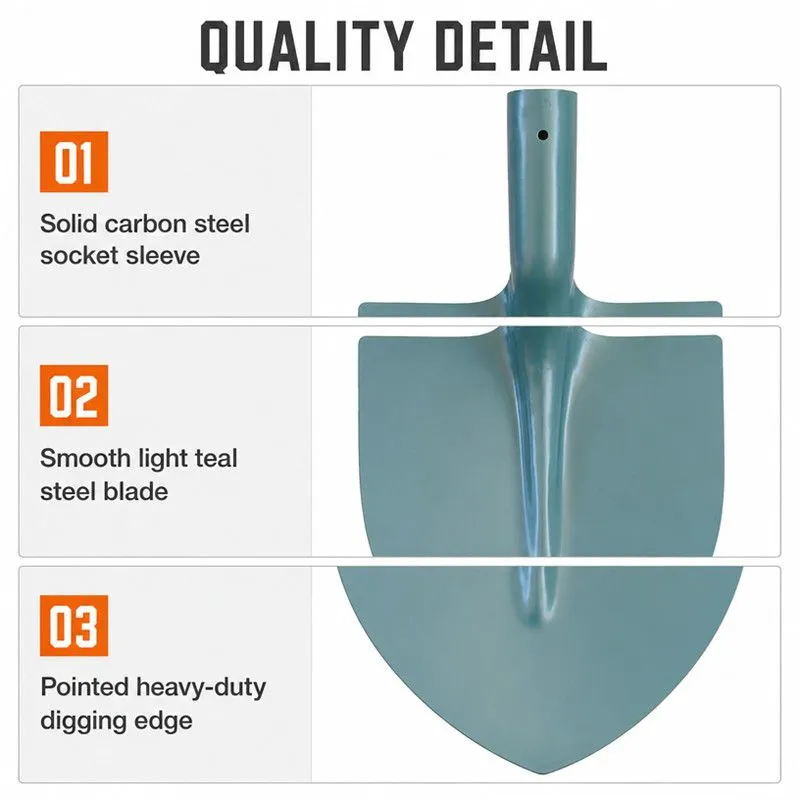
A 16 gauge blade is not automatically bad. It is a different product with a different place in the market.
Thin blades fail in predictable places.
The tip wears first, especially in sandy soil. Sand acts like sandpaper on a narrow surface.
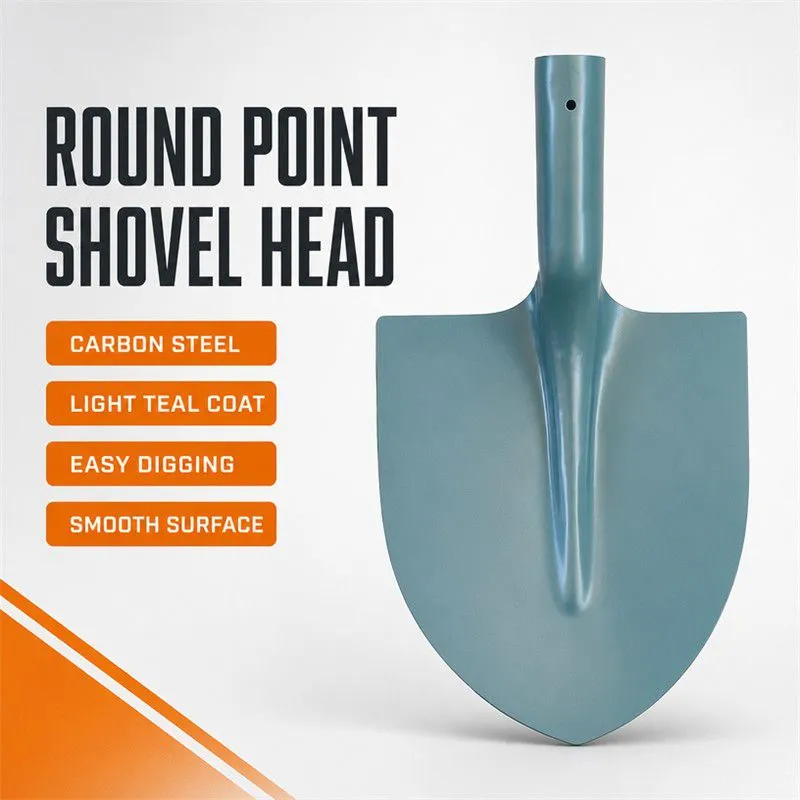
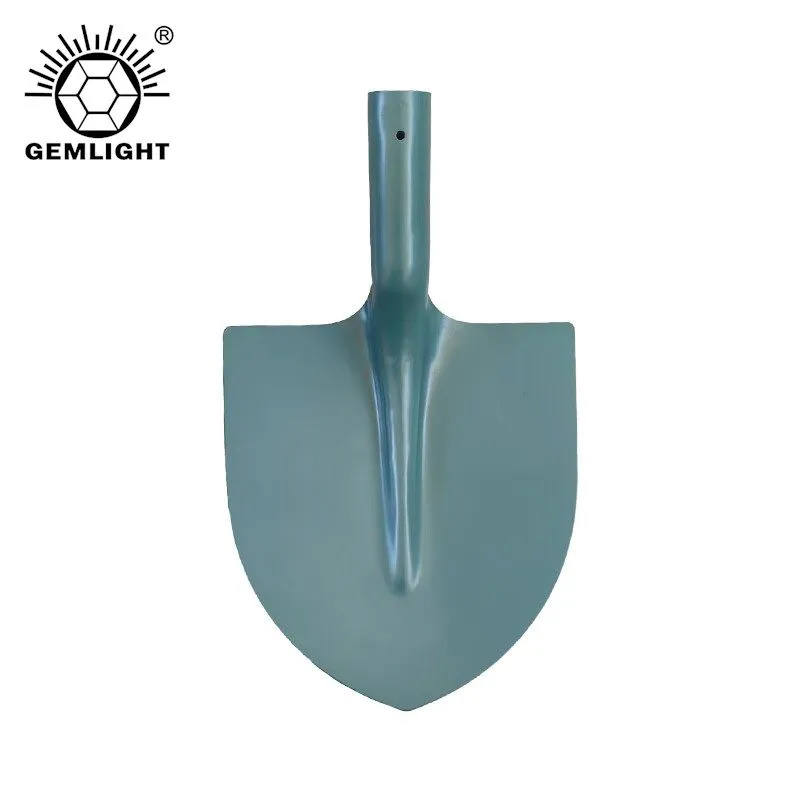
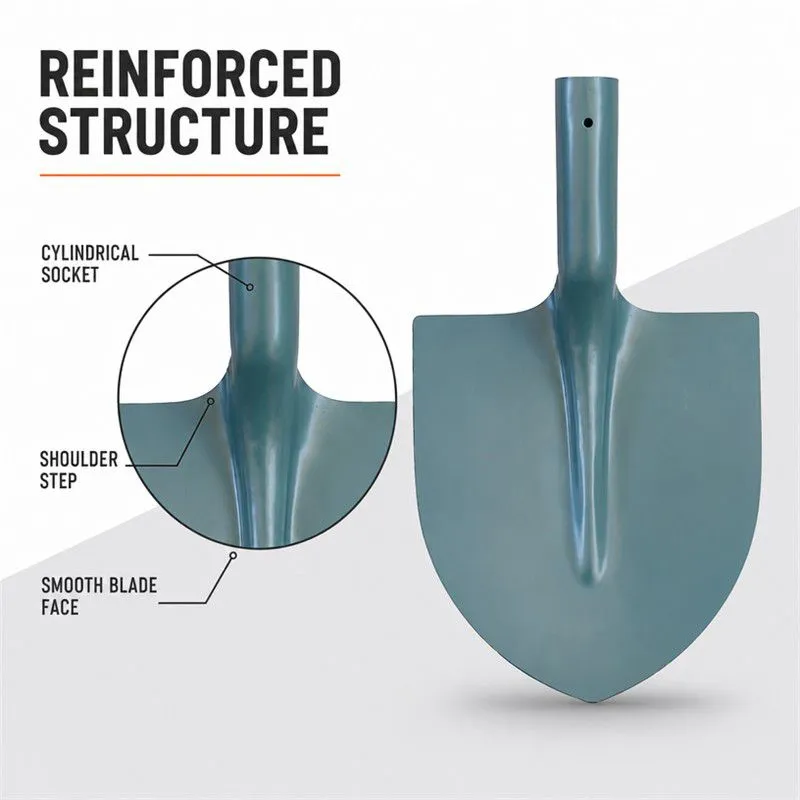
The shoulder cracks where blade meets socket. That area takes the bending load, and thin steel has less to give.
The edge rolls in clay, because there is less material behind it. Rolling looks like a bent edge, not a broken one.
In light garden use, none of this matters much. A homeowner digs a few holes a year, and the blade lasts for years.
In farm and contractor use, it matters a lot. Daily digging in stony ground will fold a 16 gauge edge within a season.
The failure is rarely dramatic. It is a slow curl at the tip, then a crack, then a return.
Cut a failed blade open and read the fracture. A smooth break means brittle steel; a bent edge means soft steel.
The Weight and Cost Math
Steel is sold by weight, so thickness drives cost directly.
Take a blade of about 0.07 square metres. Adding 0.4 mm of thickness adds roughly 0.2 kg of steel per head.
Across 3,000 heads, that is around 600 kg of extra material. Steel is not the biggest cost line, but it is a visible one.
Weight also ships. Freight is charged on volume for shovels, yet payload limits still bite on dense loads.
So thin blades save twice: less steel, and fewer kilos to move.
The saving is real, and it is the reason 16 gauge exists. It is a legitimate product for a price-driven market.
The problem is only when thin steel is sold as heavy-duty. That is a specification problem, not a steel problem.
Buyers who compare a 14 gauge quote with a 16 gauge quote without knowing it are comparing two products.
Ask the factory for steel consumption per 1,000 heads. That figure is an honest base for price talks.
What One Gauge Step Does to FOB Price
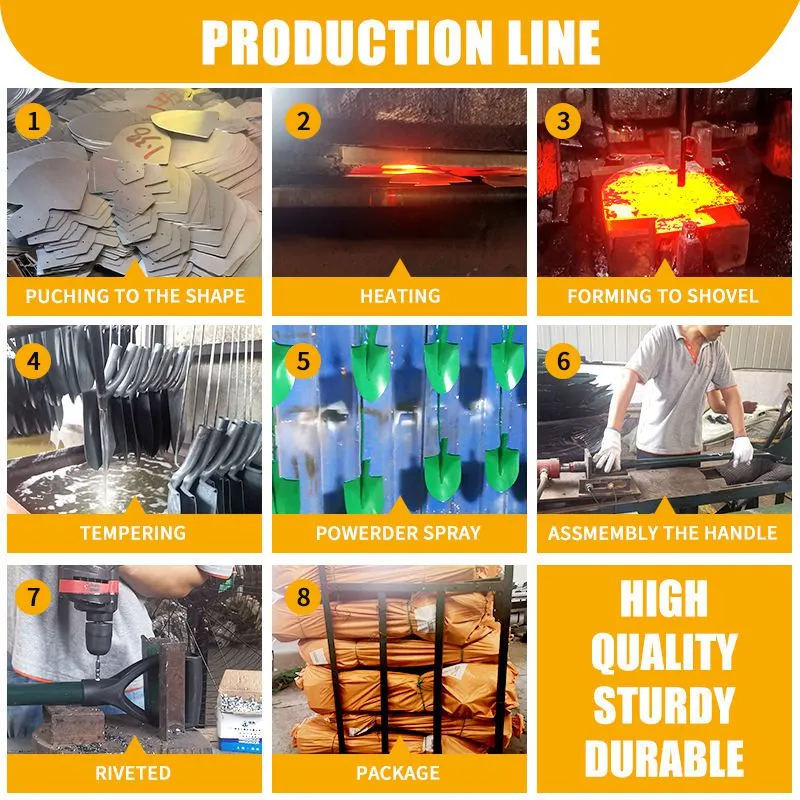
In our experience, the price step is smaller than most buyers assume.
Moving from 16 to 14 gauge usually adds a few percent to the FOB price.
Material is a modest part of the total, next to the handle, coating and labour. Coating and packing costs stay almost the same.
The bigger price levers are usually the handle and the packing method. A fiberglass handle can move the price more than a gauge step.
So do not assume a cheap quote means thin steel. Ask for thickness in millimetres with every quotation.
Then compare like with like. Same blade size, same handle, same coating, same carton.
Only then is a price comparison honest. Anything else is a comparison of two different tools.
A simple form helps. List gauge, head weight, handle material, coating type and carton count for each quote.
Five lines per offer, and the real cheapest supplier becomes obvious.
Some plants quote "standard thickness" with no number. Treat that as an unanswered question, not a spec.
Choosing by Market and Price Band
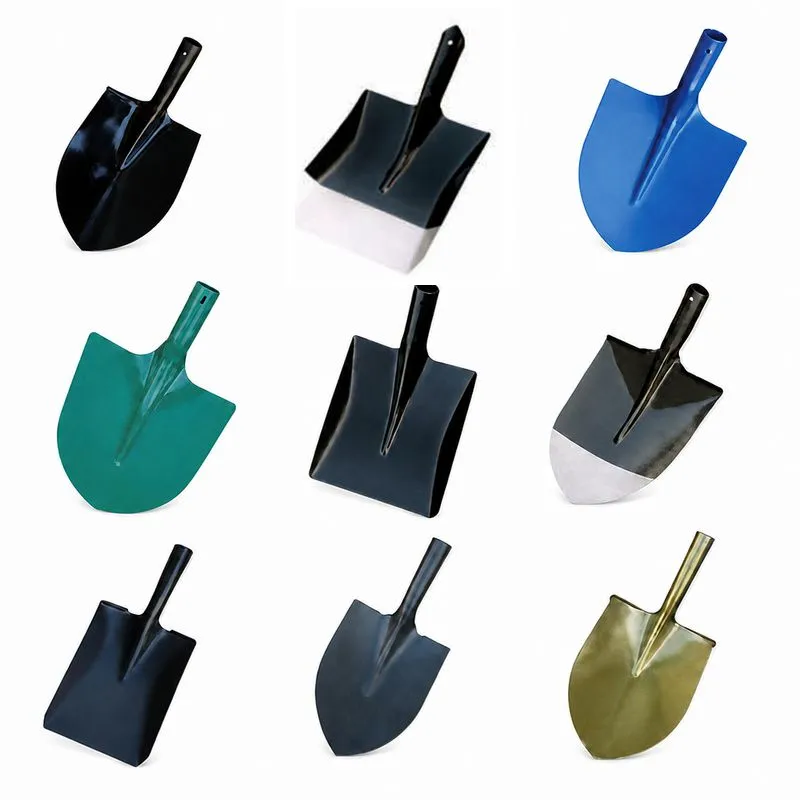
Match the gauge to the user, not to the competitor.
For garden retail and light home use, 16 gauge is often enough. It keeps the price competitive on a shelf judged by look.
For farm supply, co-ops and contractor channels, 14 gauge is the safer default. Returns cost more than the few percent you save.
For premium and heavy-duty lines, consider 12 gauge or a thicker forged head. Those sell in small volume at a higher price.
A simple test helps you decide. Ask what the customer does on a wet Saturday in spring.
If the answer is "digs all day", buy the thicker blade. If the answer is "plants six shrubs", the thinner one is fine.
Then split your range on purpose. Value model in 16 gauge, professional model in 14 gauge, both under one brand.
Keep one sample of each gauge in your office, labelled. Buyers forget the difference within a month, and so does your sales team.
Send your target retail price and we will tell you which gauge fits without cutting the spec.
Recently Posted
-
Container Loading for Shovels: How Many Fit in a 20ft and 40ft
November 16, 2026Container Loading for Shovels: How Many Fit in a 20ft and 40ft"How many shovels fit in a container" sounds like a simple Read More
-
How Shovel Prices Are Calculated: Steel, Handle, Coating and Labour
November 16, 2026How Shovel Prices Are Calculated: Steel, Handle, Coating and LabourA shovel quotation usually arrives as one number per piece. It Read More
-
Shovel Eye and Handle Tolerance: How to Avoid Loose or Cracked Fittings
November 16, 2026Shovel Eye and Handle Tolerance: How to Avoid Loose or Cracked FittingsA head that wobbles in month three is rarely a steel proble Read More
-
D-Grip, T-Handle or Long Handle: Choosing Shovel Handles by Market
November 16, 2026D-Grip, T-Handle or Long Handle: Choosing Shovel Handles by MarketThe head sells the first order. The handle decides whether the c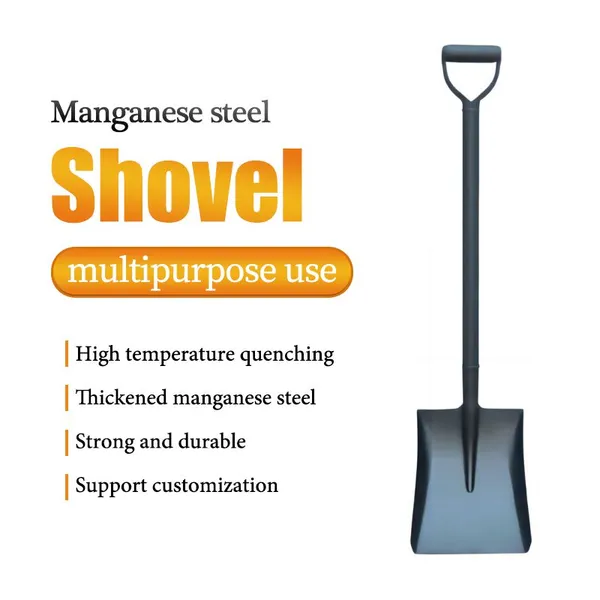 Read More

Contact Us
Recommended Products
-
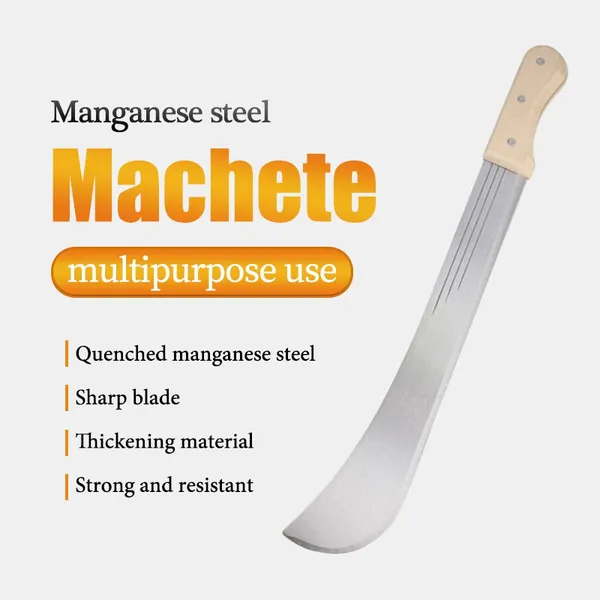
 Heavy Duty Cane Knife Machete for Wholesale Buyers Factory Direct Export for Rural Agricultural Projects Durable Hand ToolNegotiableMOQ: 1200 Pieces
-
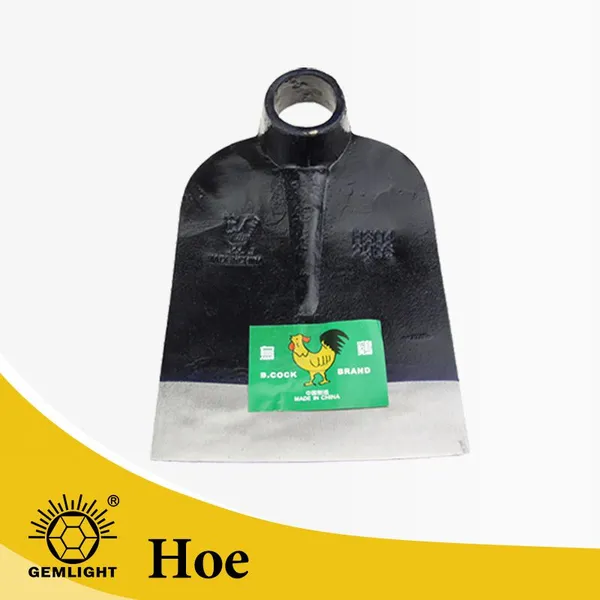
Agricultural Hoe Head Garden Rail Steel Tool for Tough Soil Cheap Price Hand ToolsUS$ 1.07 - 1.27MOQ: 1200 Pieces
-
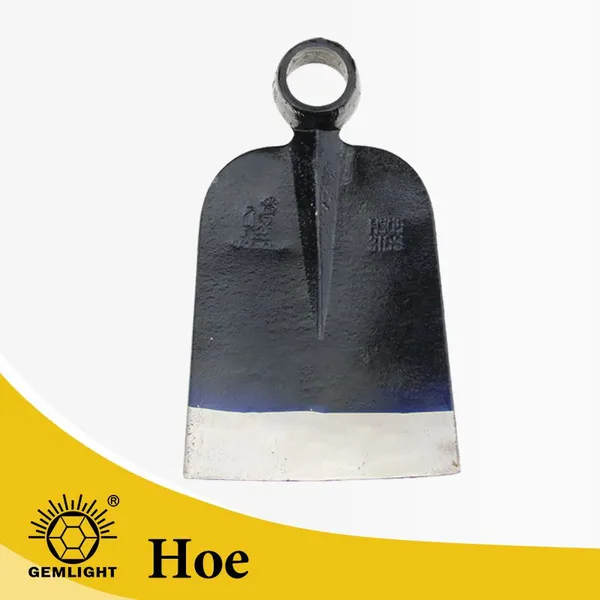
Sturdy Rail Steel Hoe for Weeding, H305 Perfect for Agricultural and Garden TasksUS$ 1.07 - 1.27MOQ: 1200 Pieces
-
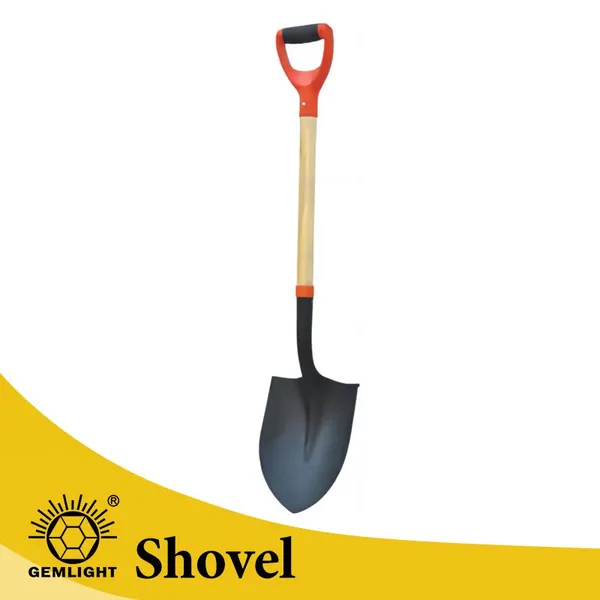
Heavy Duty Manganese Steel Garden Shovel Round Point Digging Shovel With Wooden Handle Farm Tool SupplierUS$ 2.14 - 2.36MOQ: 1200 Pieces
-
Big Shovel Wide Shovel Mud Shovel Heavy Duty Steel Blade for Farm Drainage Soil Moving Cleaning and Landscaping UseUS$ 2.14 - 2.36MOQ: 1200 Pieces
-
Strong Teeth Soil Rake for Farm Tool Suppliers Private Label Export for Farm Maintenance African Distribution Factory Bulk OrderUS$ 0.88 - 1.35MOQ: 2000 Pieces
-
Manual Cane Knife Machete for Wholesale Buyers Factory Direct Export for Rural Agricultural Projects Durable Hand ToolNegotiableMOQ: 1200 Pieces
-
Large High Carbon Steel Machete Knife Agricultural Machete for Farming Bush Cutting Garden Tool SupplierNegotiableMOQ: 1200 Pieces
-
Wholesale Heavy Duty Pick Mattock for Mining Road Work and Farm Digging for Wholesale Tool Dealers With Bulk Order ServiceUS$ 1.85 - 2.3MOQ: 1200 Pieces
-
Carbon Steel Manual Pickaxe for Hard Soil Breaking and Trenching for African Importers With OEM Bulk Order Support Agricultural ToolUS$ 1.85 - 2.3MOQ: 1200 Pieces

-
OEM Farm Sickle With Sharp Blade for African Importers OEM Bulk Order Support for Harvesting and Smallholder Farming for Wholesale BUS$ 0.28 - 0.33MOQ: 3000 Pieces
-
Heavy Duty Manganese Steel Round Point Shovel Garden Digging Shovel With Wooden Handle Agricultural Tool ManufacturerUS$ 2.14 - 2.36MOQ: 1200 Pieces
-
Farm Shovel Factory Supply for Regional Import Distributors Bulk Wholesale Supply for Garden Work and Trenching for Agricultural DealersUS$ 2.14 - 2.36MOQ: 1200 Pieces
-
Heavy Duty Garden Rake for African Importers OEM Factory Supply for Agricultural Use African Market Factory Bulk OrderUS$ 0.88 - 1.35MOQ: 2000 Pieces
-
Agricultural Soil Rake for Agricultural Dealers Export Supply for Garden Cleaning African Dealer Channels Factory Bulk OrderUS$ 0.88 - 1.35MOQ: 2000 Pieces
-
Manual Farm Machete for African Importers OEM Factory Supply for Farming and Land Clearing Durable Hand ToolNegotiableMOQ: 1200 Pieces
-
Large Heavy Duty Carbon Steel Garden Landscaping Digging HoeUS$ 1.07 - 1.27MOQ: 1200 Pieces
-
Heavy Duty Rail Steel Mattock Pick Axe With Wooden Handle for Digging Soil Mining and Agricultural Tool SupplierUS$ 1.85 - 2.3MOQ: 1200 Pieces
-
Forged Farm Sickle With Sharp Blade for African Importers OEM Bulk Order Support for Harvesting and Smallholder Farming for WholesalUS$ 0.28 - 0.33MOQ: 3000 Pieces
-
Strong Carbon Steel Farming Sickle for Uganda Tanzania Zambia Agricultural Tool DistributorsUS$ 0.34 - 0.47MOQ: 3000 Pieces