
 Business License

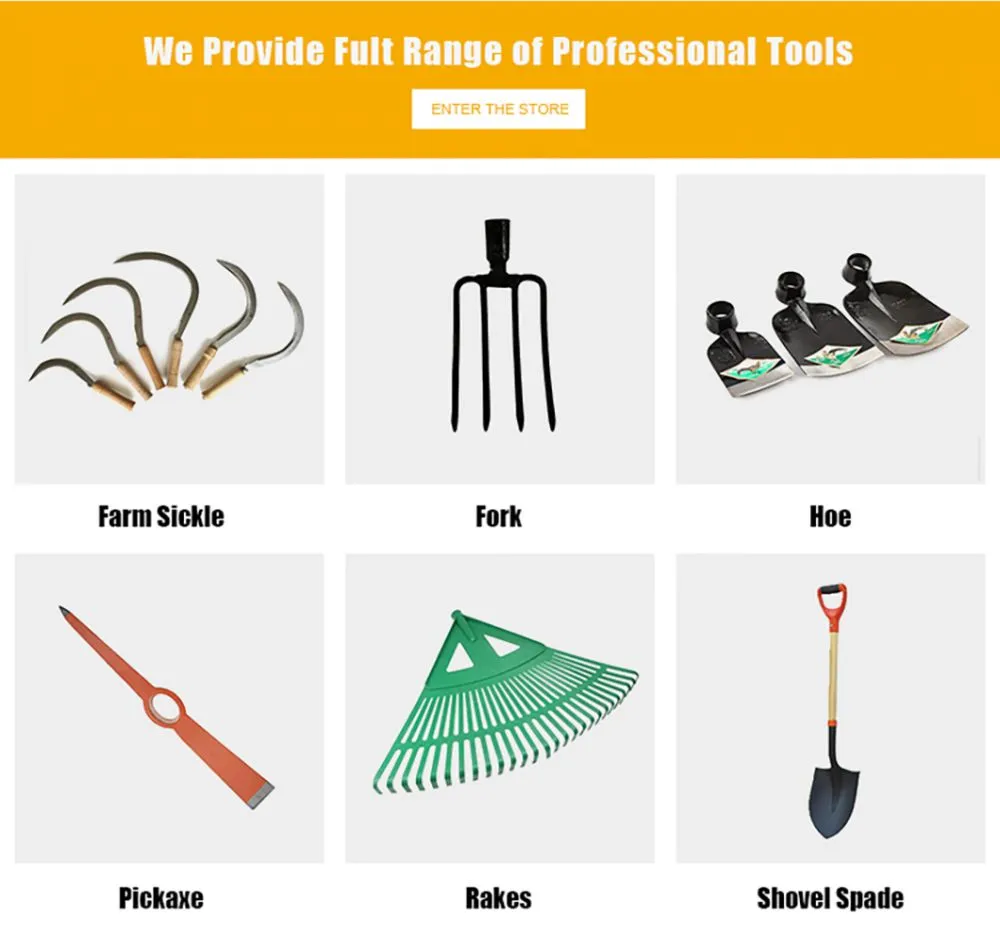
Sickle Types: Grass, Rice, Weed and Harvest Sickles
Sickle Types: Grass, Rice, Weed and Harvest Sickles
A sickle looks like a simple tool. Buyers who treat it as one product usually end up with slow sellers.
In practice, the category splits into several shapes, each built for a different crop and cutting motion. A rice sickle does a poor job on weeds.
A weed sickle damages cereal stems. This article walks through the main types and what each one is actually for.
What are the main sickle types?
The trade uses five practical groups. Names vary by country, so describe the shape rather than relying on a label.
The grass sickle has a long, gently curved blade with a fine edge. It suits lawn edges, fodder grass and general greenery.
Blade length usually runs from 300 to 450 mm.
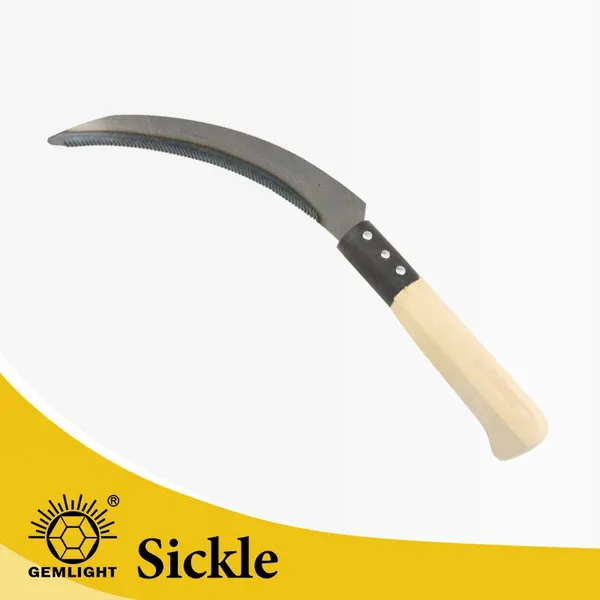
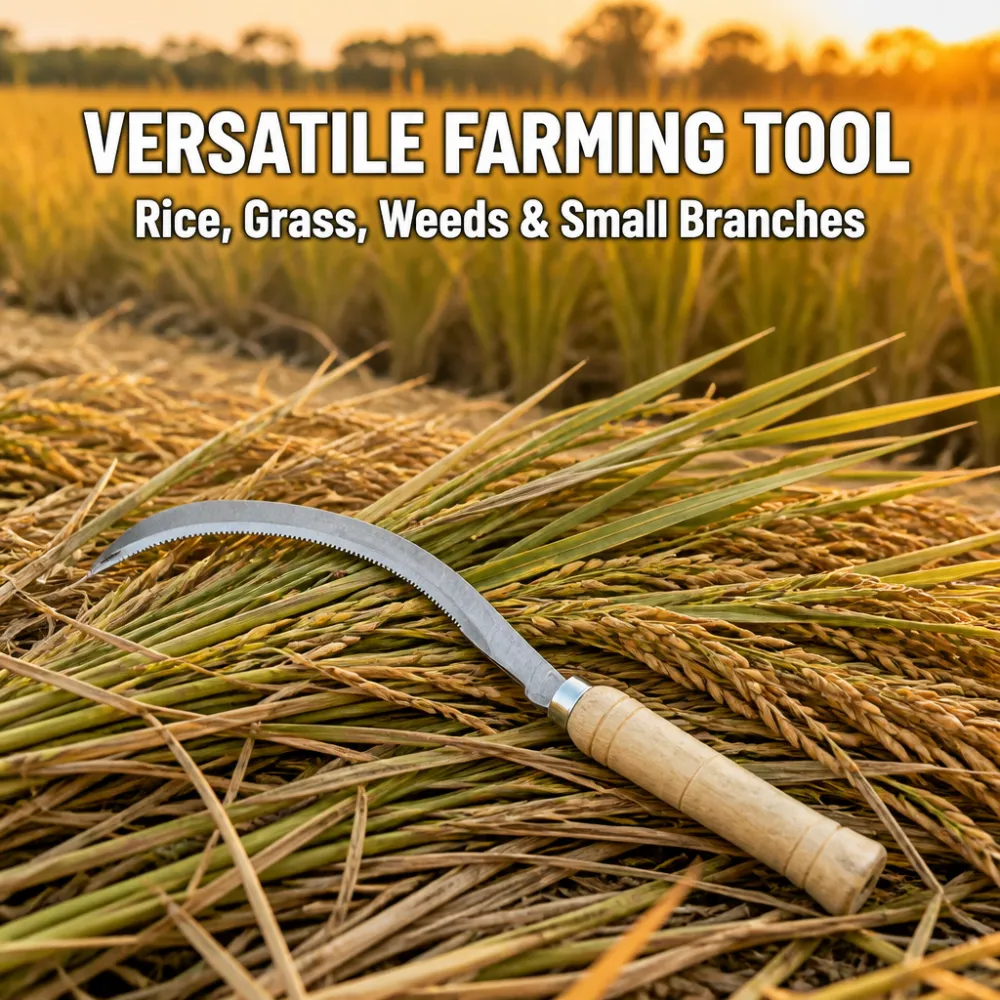
The rice sickle, often called a paddy sickle, has a shorter blade and a stronger curve. Some models carry a fine serration.
It is designed for cutting stems close to the ground without pulling the plant.
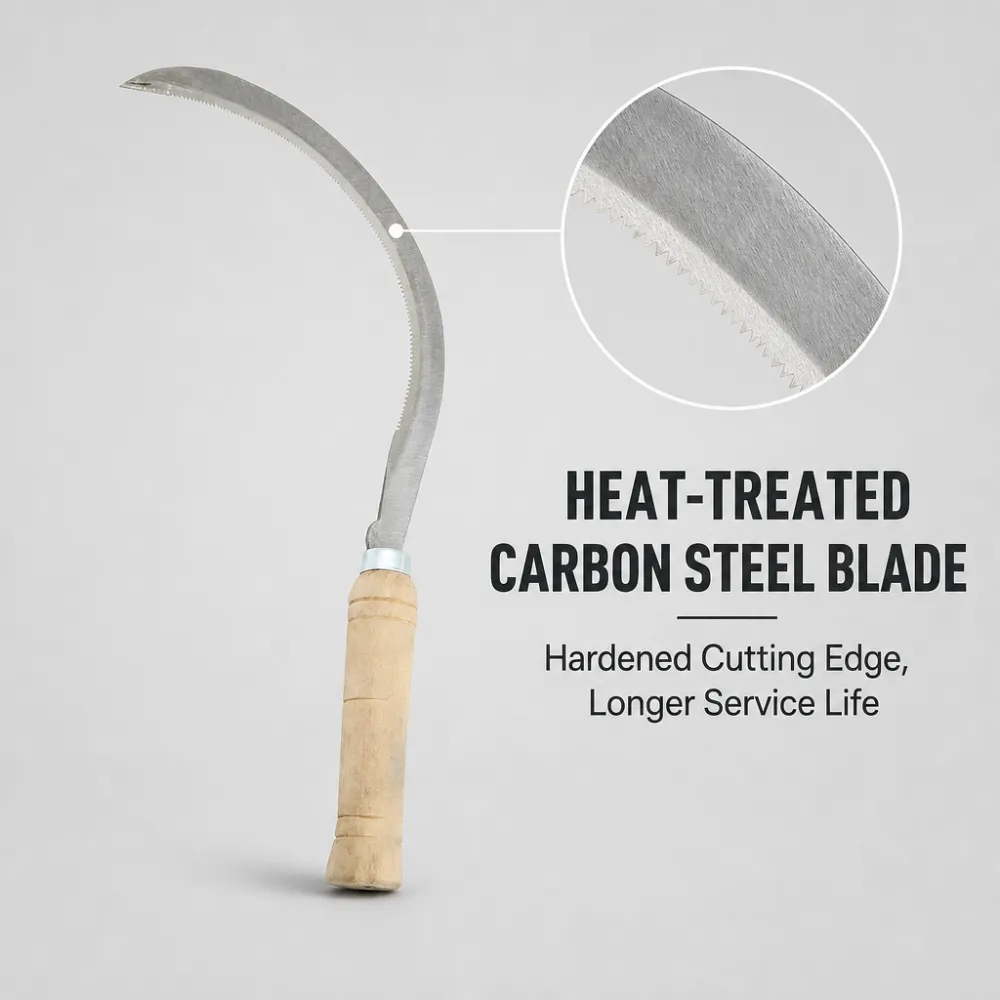
The weed sickle, or brush sickle, is heavier. The blade is thicker, the curve is deeper and the edge is often serrated. It handles woody stems, vines and tough grasses.
The harvest sickle covers wheat, barley and similar cereals. The blade is usually longer and thinner, with a smooth edge for a clean cut.
The billhook-style sickle has a wide blade with a hooked tip. It works for pruning, splitting and heavier cutting. Some markets call it a bush knife.
Which type cuts grass and weeds fastest?
For soft grass, a long smooth blade wins. The length gives you a longer stroke, so each swing cuts more. A thin edge slices cleanly and needs less force.
This is why fodder cutters prefer 400 mm blades with a fine bevel.
For weeds, the answer changes. Tough stems need weight and a stable edge. A thicker blade with a serrated edge grabs the stem instead of sliding off it.
Serrations also survive contact with soil and small stones.
Consider the ground. Cutting grass on flat ground rewards a long sweep. Cutting weeds among rocks and stumps rewards a shorter, stiffer blade.
A long thin blade will chip on hidden stones.
Match the handle too. A straight handle gives reach for grass along fences. A curved handle keeps the wrist neutral for low cutting in dense weeds.
If you stock one model for both jobs, choose a 350 mm blade with a medium serration. It is a compromise, but a sellable one.
Which type is used for cereal and rice harvest?
Cereal harvest favours a smooth edge and a controlled pull. The cutter gathers a handful of stems, then slices at the base.
A serrated edge tears straw and leaves a ragged stubble. That slows the next operation and wastes fodder value.
Rice is different again. Paddy fields are wet, and the cutter works with muddy footing. A short blade with a strong curve lets the hand stay high and dry.
Many Asian models use a fine tooth pattern, which grips wet stems that would slip on a smooth blade.
Blade thickness matters here. A thin blade flexes in wet straw and dulls faster.
A mid-thickness blade with a hardness around 50 to 54 HRC holds up well in daily use.
Length follows the crop height. Short rice varieties suit 250 to 300 mm blades. Tall traditional varieties need 350 mm or more.
Check the tang and handle joint for these models. Harvest work is repetitive, and a loose handle ends the season early.
Which types belong in a basic range, and how do you describe them?
A wholesale range should cover the common jobs without carrying dead stock. Five models usually do the work.
A 350 mm smooth grass sickle for general cutting.
A 300 mm fine-toothed rice sickle for paddy areas.
A 380 mm serrated weed sickle for heavy vegetation.
A 400 mm thin harvest sickle for cereals.
A short 250 mm billhook for pruning and heavy stems.
Add a left-handed or reversible handle option if your market has demand. Add a children's or lightweight model only if you sell to smallholder regions.
Keep the handle lengths consistent within a series. It simplifies packing and lets you quote replacement handles easily.
Then vary the finish, not the shape. Black oxide, polished and painted versions of the same blade give you three price points from one production line.
Once the range is set, the catalogue has to explain it. Buyers search by job, not by factory model code. Write each listing around the task.
Use a title like "grass sickle, 350 mm, smooth edge, wooden handle". Include the cutting job, the blade length and the edge type.
Add the steel grade and hardness if your buyers are technical.
Photograph the blade curve from the side. The curve is the main visual difference between types, and a top-down photo hides it.
Add a second photo showing the edge close up.
State the crop in the description. "For rice, wheat and fodder" tells a buyer more than "multi-purpose agricultural tool".
Avoid vague words like heavy duty. Give the blade thickness in millimeters instead. Numbers build trust faster than adjectives.
RFQ checklist for a mixed sickle order
Use this list when you request a quotation across several types.
Type name and blade shape
Blade length, width and thickness
Edge type: smooth, fine tooth or coarse serration
Steel grade and hardness range
Handle material and length
Tang style and fixing method
Surface finish
Packing and units per carton
Quantity per type
Destination port and delivery date
A mixed order across five types is normal for a first container. Ask the factory which two models move fastest in your region, and start there.
Recently Posted
-
Is a Hand Sickle Still Worth Stocking in 2026?
October 19, 2026Is a Hand Sickle Still Worth Stocking in 2026?Brush cutters are cheaper than they were five years ago. Battery models are common. Read More
-
Sickle Blade Length and Curve: Choosing by Crop
October 19, 2026Sickle Blade Length and Curve: Choosing by CropTwo sickles can look similar in a photo and behave nothing alike. Blade length sets Read More
-
Wood vs Plastic vs Steel Sickle Handles: Buyer's Guide
October 19, 2026Wood vs Plastic vs Steel Sickle Handles: Buyer's GuideBuyers spend hours on blade specifications and five minutes on the handl Read More
-
Carbon vs Stainless Steel Sickle Blades: Buyer's Guide
October 19, 2026Carbon vs Stainless Steel Sickle Blades: Buyer's GuideSteel choice is the first technical decision in any sickle order. It set Read More

Contact Us
Recommended Products
-
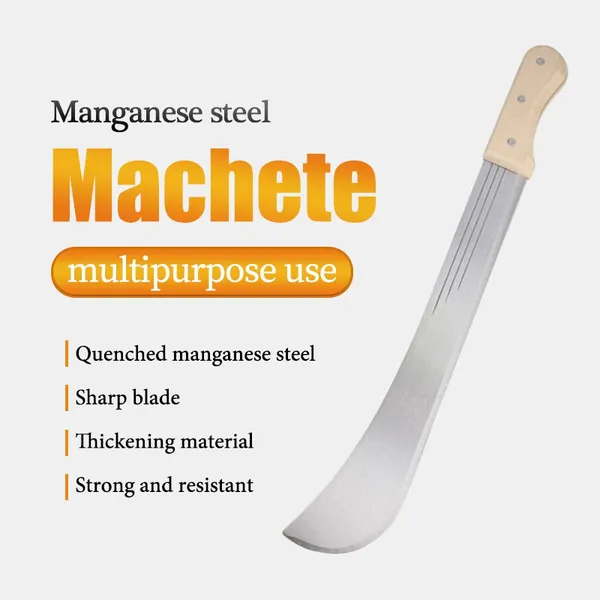
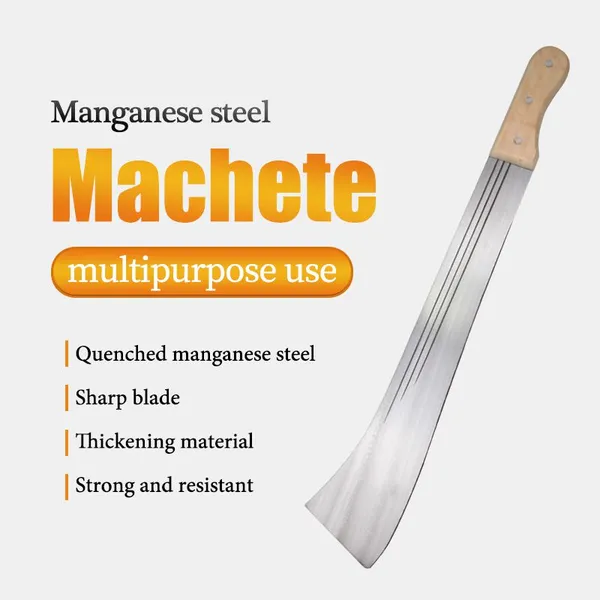
 Heavy Duty Cane Knife Machete for Wholesale Buyers Factory Direct Export for Rural Agricultural Projects Durable Hand ToolNegotiableMOQ: 1200 Pieces
-
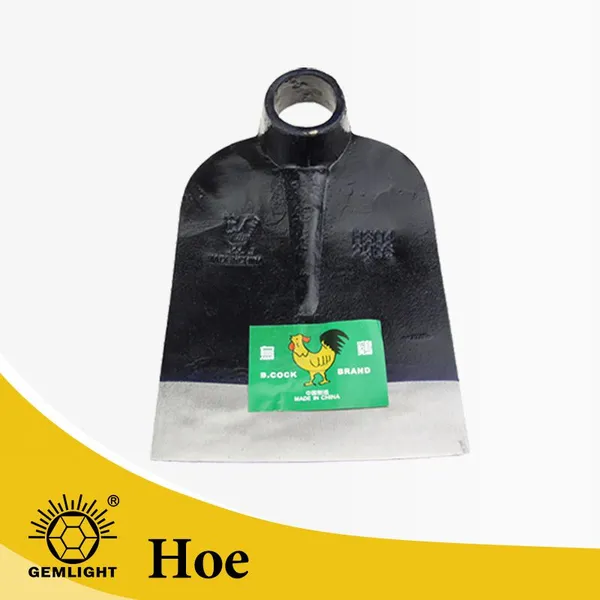
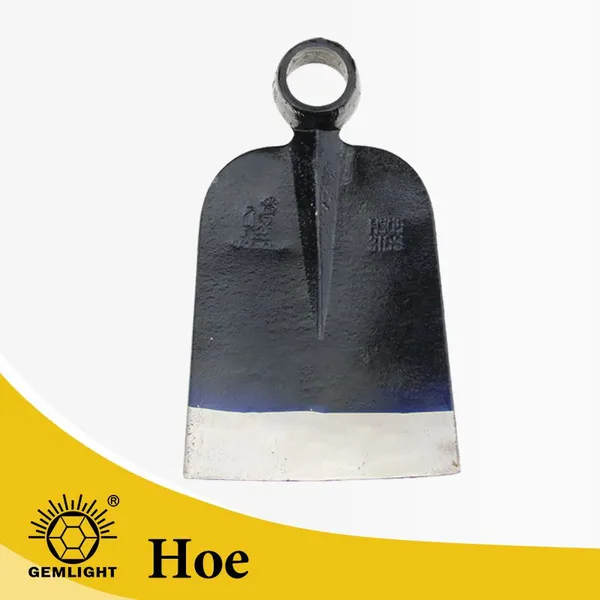
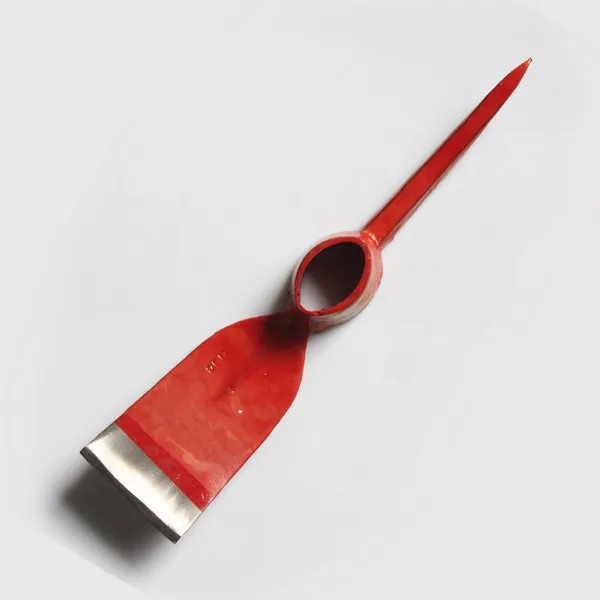
Agricultural Hoe Head Garden Rail Steel Tool for Tough Soil Cheap Price Hand ToolsUS$ 1.07 - 1.27MOQ: 1200 Pieces
-
Sturdy Rail Steel Hoe for Weeding, H305 Perfect for Agricultural and Garden TasksUS$ 1.07 - 1.27MOQ: 1200 Pieces
-
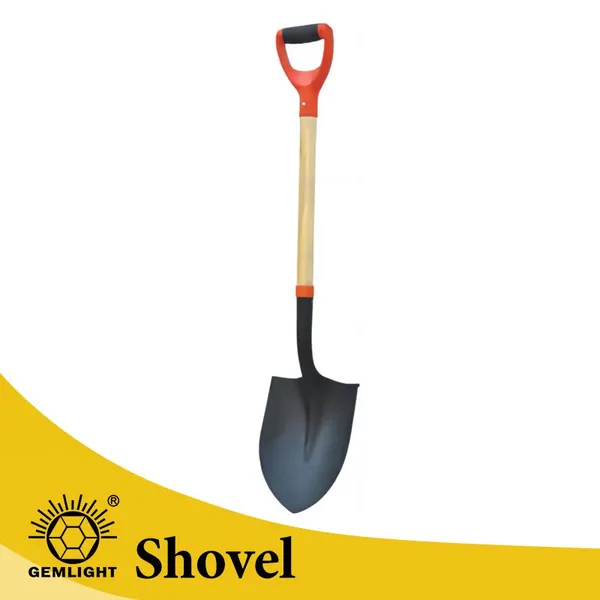
Heavy Duty Manganese Steel Garden Shovel Round Point Digging Shovel With Wooden Handle Farm Tool SupplierUS$ 2.14 - 2.36MOQ: 1200 Pieces
-
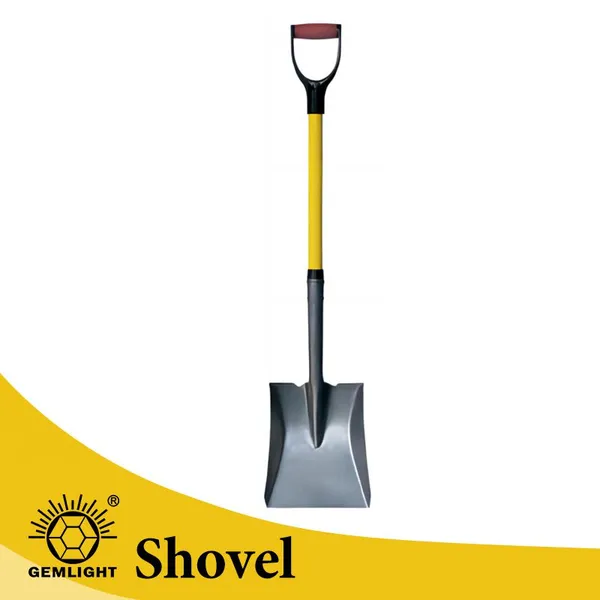
Big Shovel Wide Shovel Mud Shovel Heavy Duty Steel Blade for Farm Drainage Soil Moving Cleaning and Landscaping UseUS$ 2.14 - 2.36MOQ: 1200 Pieces
-
Strong Teeth Soil Rake for Farm Tool Suppliers Private Label Export for Farm Maintenance African Distribution Factory Bulk OrderUS$ 0.88 - 1.35MOQ: 2000 Pieces
-
Manual Cane Knife Machete for Wholesale Buyers Factory Direct Export for Rural Agricultural Projects Durable Hand ToolNegotiableMOQ: 1200 Pieces
-
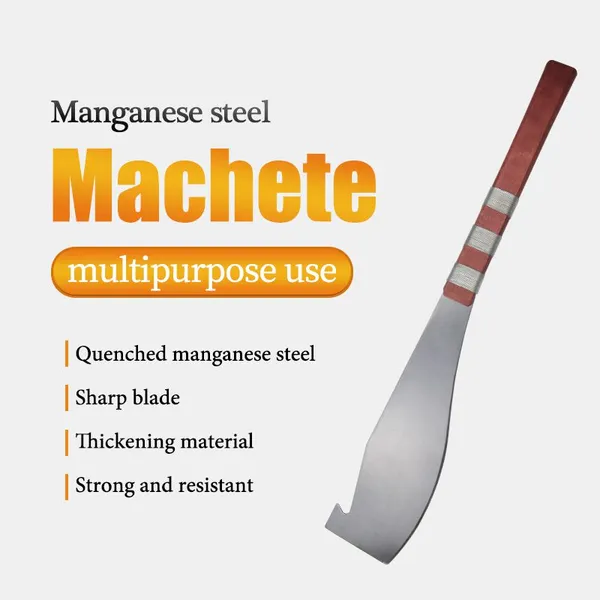
Large High Carbon Steel Machete Knife Agricultural Machete for Farming Bush Cutting Garden Tool SupplierNegotiableMOQ: 1200 Pieces
-
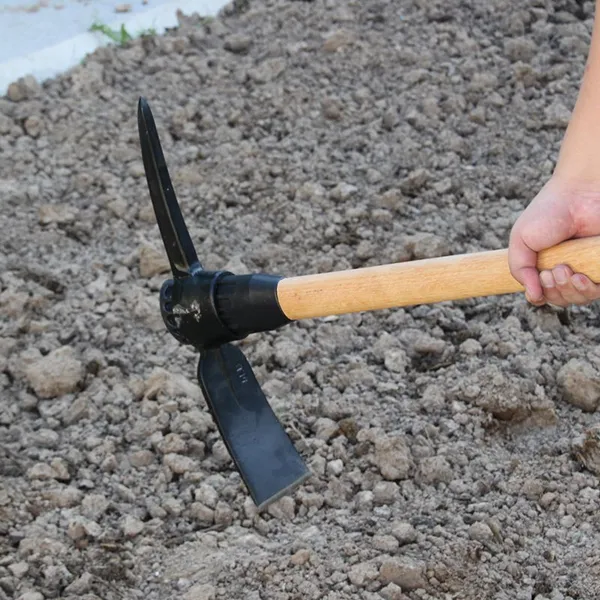
Wholesale Heavy Duty Pick Mattock for Mining Road Work and Farm Digging for Wholesale Tool Dealers With Bulk Order ServiceUS$ 1.85 - 2.3MOQ: 1200 Pieces
-
Carbon Steel Manual Pickaxe for Hard Soil Breaking and Trenching for African Importers With OEM Bulk Order Support Agricultural ToolUS$ 1.85 - 2.3MOQ: 1200 Pieces

-
OEM Farm Sickle With Sharp Blade for African Importers OEM Bulk Order Support for Harvesting and Smallholder Farming for Wholesale BUS$ 0.28 - 0.33MOQ: 3000 Pieces
-
Heavy Duty Manganese Steel Round Point Shovel Garden Digging Shovel With Wooden Handle Agricultural Tool ManufacturerUS$ 2.14 - 2.36MOQ: 1200 Pieces
-
Farm Shovel Factory Supply for Regional Import Distributors Bulk Wholesale Supply for Garden Work and Trenching for Agricultural DealersUS$ 2.14 - 2.36MOQ: 1200 Pieces
-
Heavy Duty Garden Rake for African Importers OEM Factory Supply for Agricultural Use African Market Factory Bulk OrderUS$ 0.88 - 1.35MOQ: 2000 Pieces
-
Agricultural Soil Rake for Agricultural Dealers Export Supply for Garden Cleaning African Dealer Channels Factory Bulk OrderUS$ 0.88 - 1.35MOQ: 2000 Pieces
-
Manual Farm Machete for African Importers OEM Factory Supply for Farming and Land Clearing Durable Hand ToolNegotiableMOQ: 1200 Pieces
-
Large Heavy Duty Carbon Steel Garden Landscaping Digging HoeUS$ 1.07 - 1.27MOQ: 1200 Pieces
-
Heavy Duty Rail Steel Mattock Pick Axe With Wooden Handle for Digging Soil Mining and Agricultural Tool SupplierUS$ 1.85 - 2.3MOQ: 1200 Pieces
-
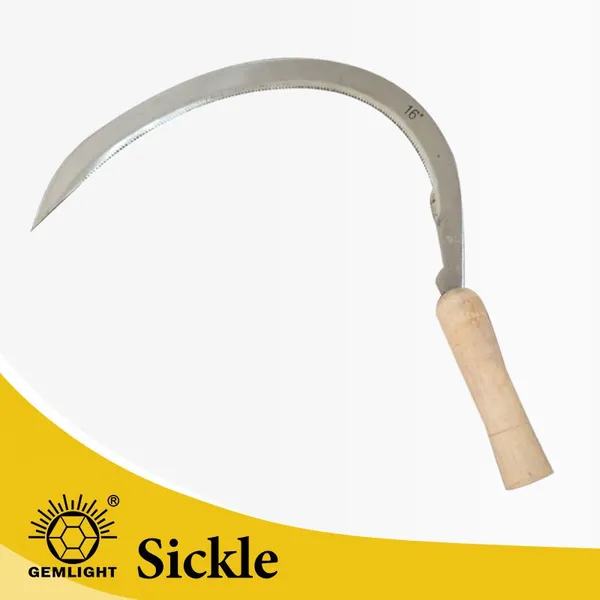
Forged Farm Sickle With Sharp Blade for African Importers OEM Bulk Order Support for Harvesting and Smallholder Farming for WholesalUS$ 0.28 - 0.33MOQ: 3000 Pieces
-
Strong Carbon Steel Farming Sickle for Uganda Tanzania Zambia Agricultural Tool DistributorsUS$ 0.34 - 0.47MOQ: 3000 Pieces