
 Business License

Sickle vs Scythe: Differences and Which to Import
Sickle vs Scythe: Differences and Which to Import
Buyers new to hand tools often use the two words interchangeably. They are not the same product, not the same user, and not the same shipment.
A container of sickles and a container of scythes behave very differently in freight and in retail.
This article explains the real differences and helps you decide what to put on your next order.
How do the blade and handle differ?
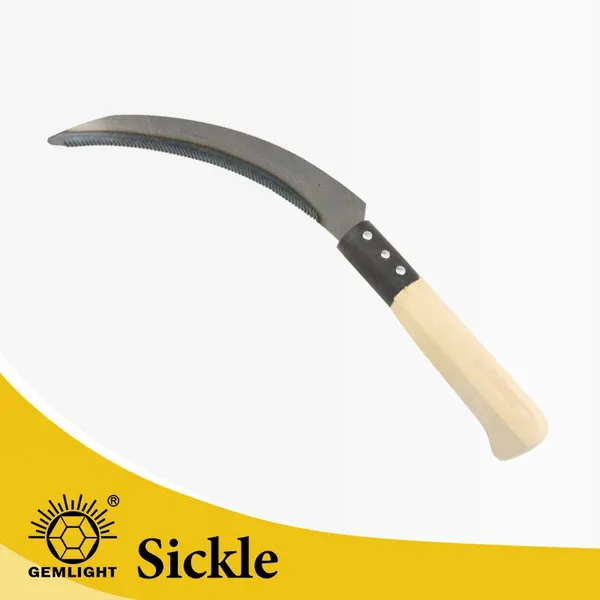
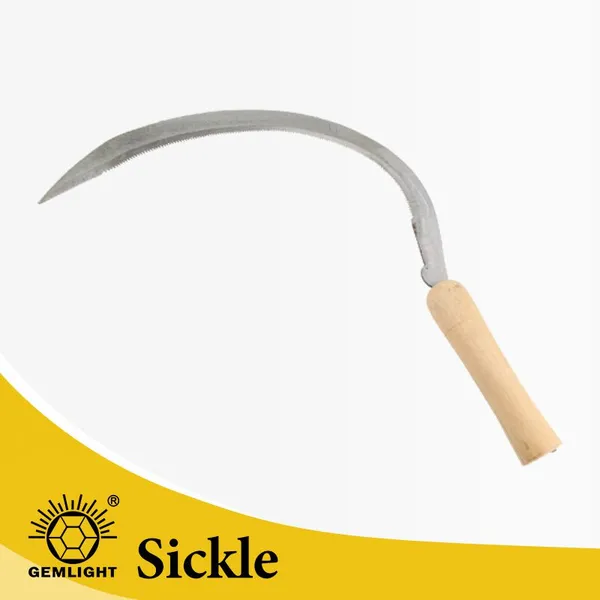
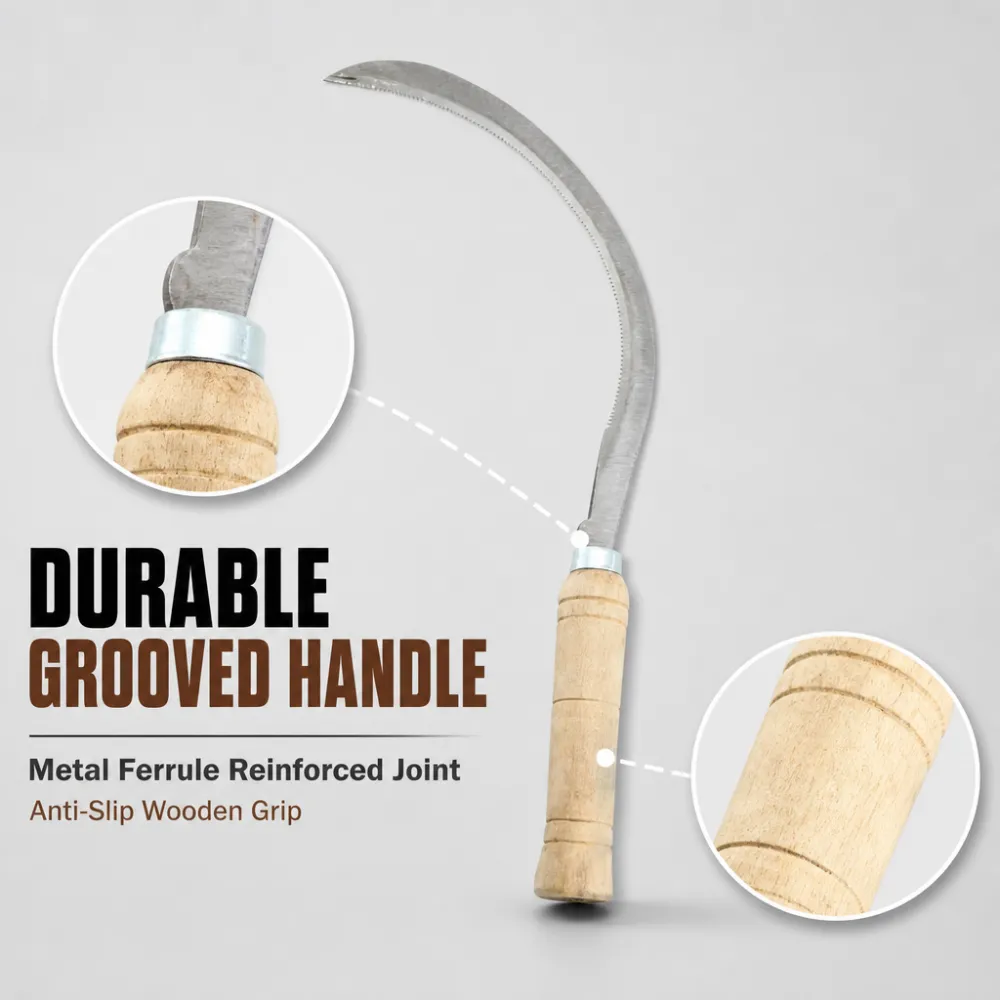
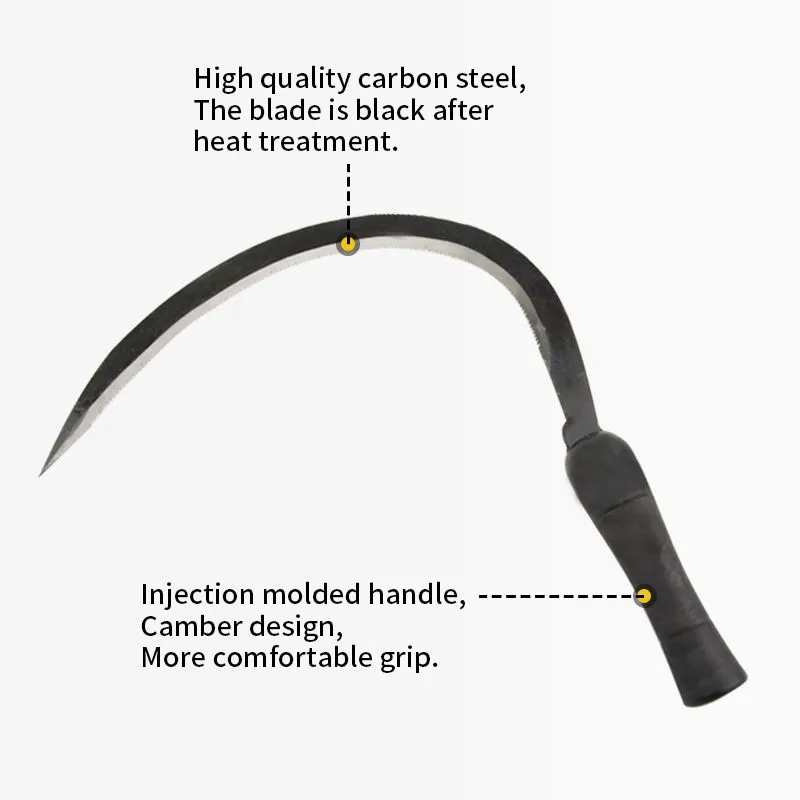
The sickle is a one-hand tool. The blade is short, usually 250 to 450 mm, and curves back toward the user.
The handle is 200 to 400 mm long and fits in one hand. The cutting motion is a pull or a sweep close to the body.
The scythe is a two-hand tool. The blade is long, typically 500 to 900 mm, and mounts at roughly a right angle to a long snath.
The snath runs 1,300 to 1,800 mm and carries two grips. The user stands upright and swings from the waist.
Blade geometry differs as well. A sickle blade is thick relative to its length, because it must resist twisting in one hand.
A scythe blade is thin and wide, forged to taper so it slices cleanly through a wide arc.
Sharpening follows the shape. A sickle is honed with a small stone along a short curve.
A scythe is peened on the edge and sharpened with a longer stone, often in the field.
Both cut grass. Only one lets you cover a large area without bending.
Which tool suits which buyer, and where does each sell?
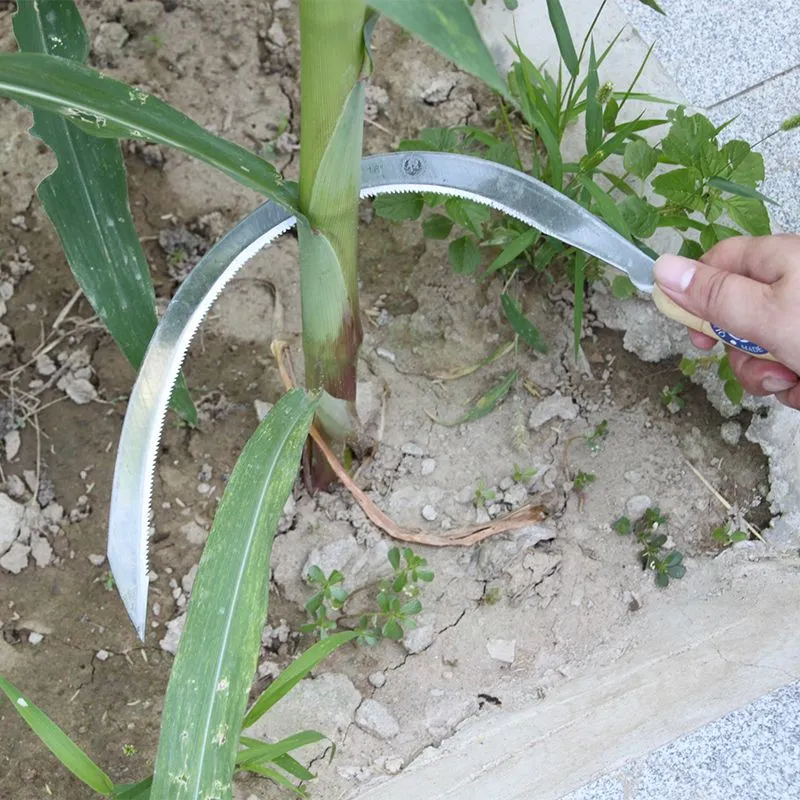
Smallholders usually choose the sickle. Plots are small, often measured in fractions of a hectare. The tool is cheap, fits in a basket and works between plants.
It also handles mixed tasks like cutting fodder, harvesting rice and clearing weeds along a path.
Commercial mowing favours the scythe where machines cannot go. Steep slopes, terraces, orchards and wet meadows are typical.
A trained user clears far more area per hour than a sickle team. The work is faster but demands skill and space to swing.
There is a third case worth noting. In many markets, the brush cutter has taken the scythe's job.
Where fuel and spare parts are available, a powered tool wins on speed. The scythe survives where fuel cost, terrain or noise rules it out.
Sickles survive for a different reason. They work in tight spaces, need no fuel, and cost little enough to replace. That keeps demand steady even where machines are common.
If your market is smallholder agriculture, stock sickles. If it is landscape maintenance or hay production on difficult ground, consider scythes.
Demand geography follows the same logic. Sickles sell in South Asia, Southeast Asia, Sub-Saharan Africa and parts of Latin America. Rice, wheat, fodder and small plots drive that demand.
Aid and government tenders also buy sickles in large volumes.
Scythe demand is narrower. It appears in Eastern Europe, parts of Central Asia, and among hobby farmers and heritage tool users in Western markets.
Landscaping contractors on steep ground buy them too.
Retail channels differ as well. Sickles sit in hardware shops, agro-dealers and general stores. Scythes sit with specialist suppliers and online niche retailers.
That difference matters for your range. A sickle fits a broad catalogue. A scythe needs a story, a sharpening guide and after-sales support.
If you sell on marketplaces, expect scythe buyers to ask about blade material, snath wood and peening. Prepare those answers before listing.
How do price and freight compare?
A basic sickle costs a fraction of a scythe, both at the factory and at retail. The gap comes from steel weight and labour.
A scythe blade needs forging, peening and a fitted snath. A sickle blade is stamped or forged, ground and handled.
Freight changes the picture further. Sickles pack densely. A carton holds dozens of pieces, and a container carries a large quantity. Scythes are long and awkward.
The snath sets the carton length, and cubic volume rises fast.
That means the freight cost per unit is much higher for scythes. Always quote scythes on volumetric weight, not actual weight. Otherwise the landed cost surprises you.
Damage risk also differs. Sickle blades are short and stiff, so they travel well in bundles. Scythe blades are thin and long, and a bent blade is scrap.
Packing needs edge protection and rigid support along the full length.
Retail price points follow the same logic. A sickle is an impulse or staple purchase. A scythe is a considered purchase, often sold through specialist channels.
Can you order both in one container?
Yes, and many buyers do. The trick is packing the scythes without wasting cubic space.
Bundle scythe blades separately from snaths. Blades can lie flat in a slim crate. Snaths ship as straight lengths in long cartons. Fill the remaining space with sickle cartons.
Check the container door height and the carton length before you plan. A 1,800 mm snath carton fits a 20ft container, but loading angles matter.
Ask the factory for a loading plan with a diagram.
Keep the Incoterm consistent across both products. Mixing FOB and CIF in one shipment complicates the documents.
For a first order, split the quantity. Take more sickles than scythes, because sickles turn faster. Use the scythes to test whether your market has the specialist demand.
RFQ checklist for sickle and scythe orders
Send these items so quotes are comparable.
Product type: sickle or scythe
Blade length, width and thickness
Steel grade and hardness range
Edge type and sharpening standard
Handle or snath material and length
Grip type and fitting method
Surface finish and rust protection
Packing method and units per carton
Carton dimensions and gross weight
Quantity per model
Destination port and Incoterm
State the product type clearly from the first email. Suppliers quote faster when they know which tool you mean.
Recently Posted
-
Is a Hand Sickle Still Worth Stocking in 2026?
October 19, 2026Is a Hand Sickle Still Worth Stocking in 2026?Brush cutters are cheaper than they were five years ago. Battery models are common. Read More
-
Sickle Blade Length and Curve: Choosing by Crop
October 19, 2026Sickle Blade Length and Curve: Choosing by CropTwo sickles can look similar in a photo and behave nothing alike. Blade length sets Read More
-
Wood vs Plastic vs Steel Sickle Handles: Buyer's Guide
October 19, 2026Wood vs Plastic vs Steel Sickle Handles: Buyer's GuideBuyers spend hours on blade specifications and five minutes on the handl Read More
-
Carbon vs Stainless Steel Sickle Blades: Buyer's Guide
October 19, 2026Carbon vs Stainless Steel Sickle Blades: Buyer's GuideSteel choice is the first technical decision in any sickle order. It set Read More

Contact Us
Recommended Products
-
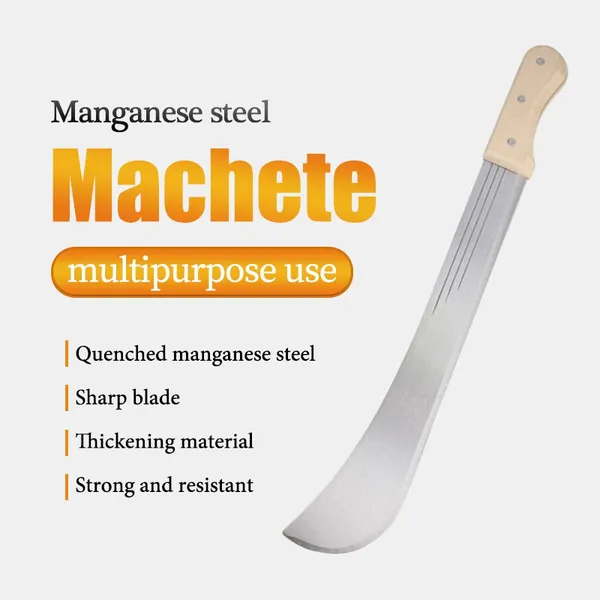
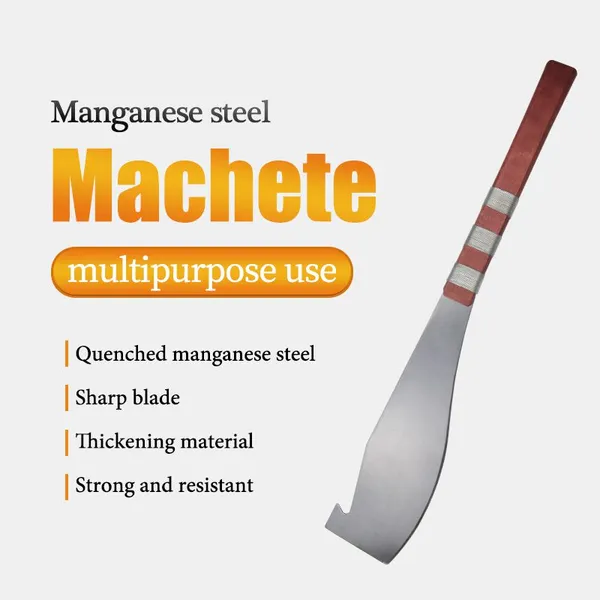
 Heavy Duty Cane Knife Machete for Wholesale Buyers Factory Direct Export for Rural Agricultural Projects Durable Hand ToolNegotiableMOQ: 1200 Pieces
-
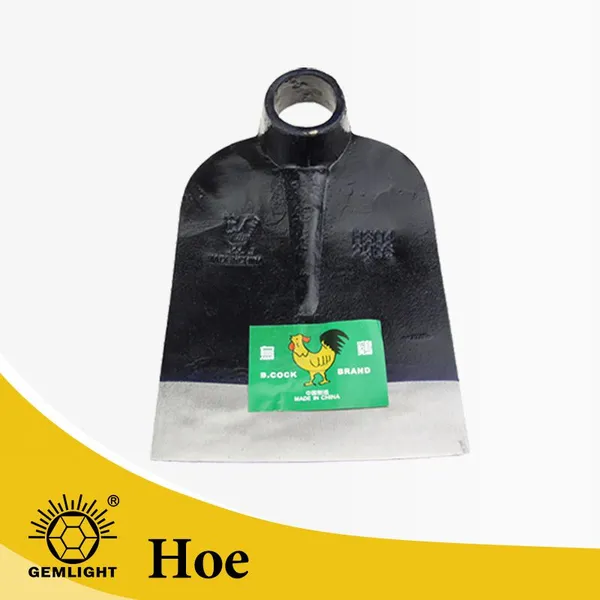
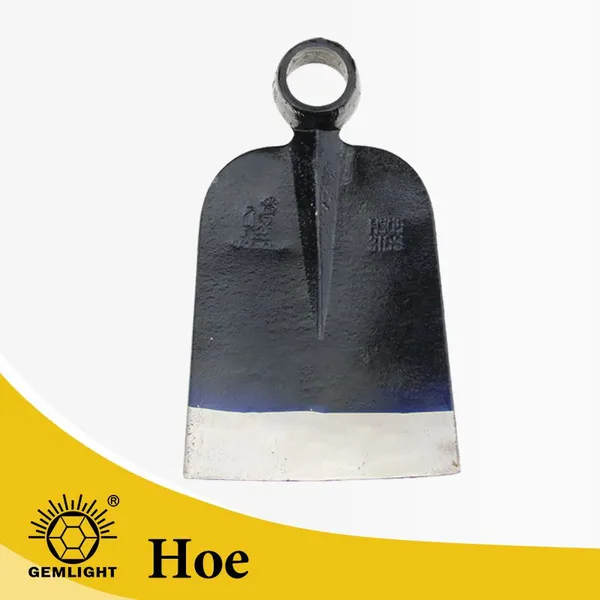
Agricultural Hoe Head Garden Rail Steel Tool for Tough Soil Cheap Price Hand ToolsUS$ 1.07 - 1.27MOQ: 1200 Pieces
-
Sturdy Rail Steel Hoe for Weeding, H305 Perfect for Agricultural and Garden TasksUS$ 1.07 - 1.27MOQ: 1200 Pieces
-
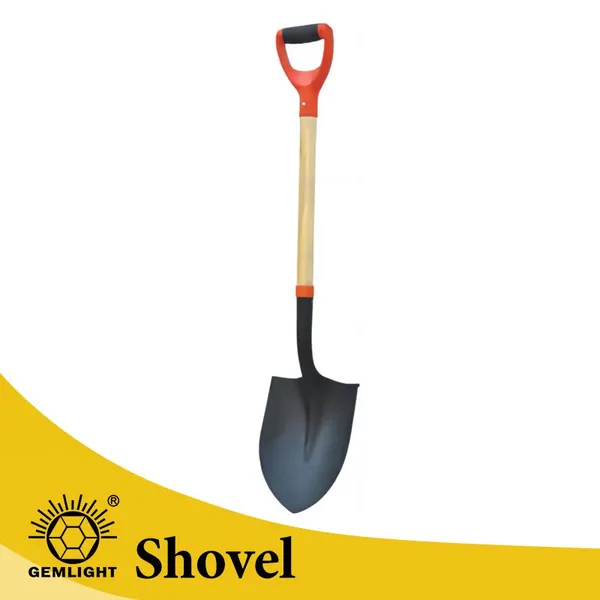
Heavy Duty Manganese Steel Garden Shovel Round Point Digging Shovel With Wooden Handle Farm Tool SupplierUS$ 2.14 - 2.36MOQ: 1200 Pieces
-
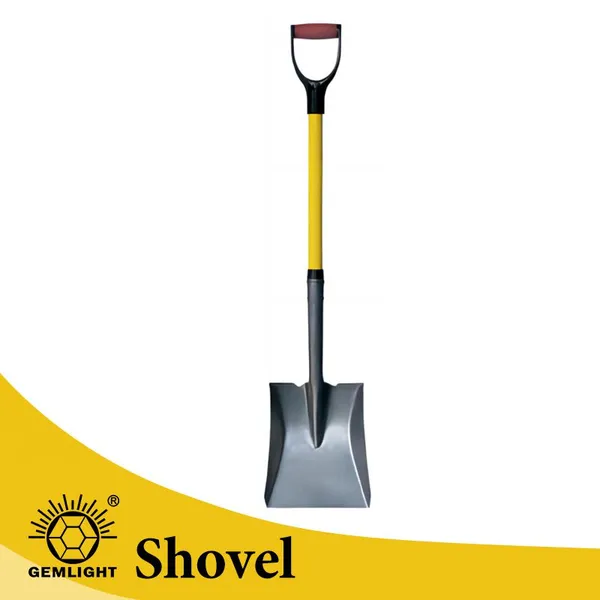
Big Shovel Wide Shovel Mud Shovel Heavy Duty Steel Blade for Farm Drainage Soil Moving Cleaning and Landscaping UseUS$ 2.14 - 2.36MOQ: 1200 Pieces
-
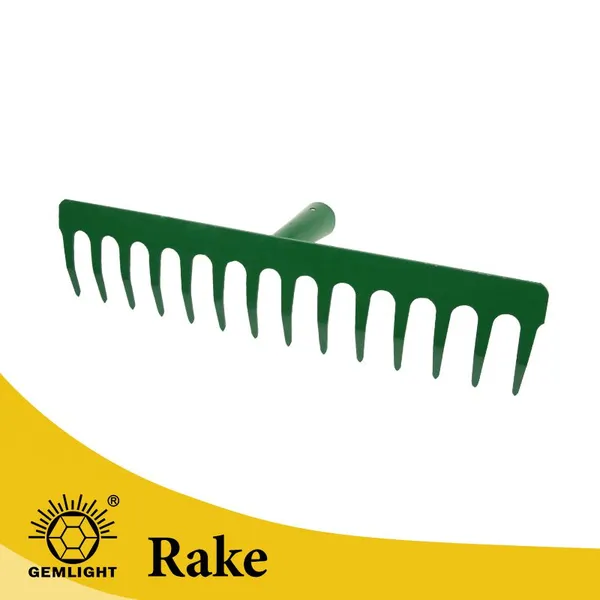
Strong Teeth Soil Rake for Farm Tool Suppliers Private Label Export for Farm Maintenance African Distribution Factory Bulk OrderUS$ 0.88 - 1.35MOQ: 2000 Pieces
-
Manual Cane Knife Machete for Wholesale Buyers Factory Direct Export for Rural Agricultural Projects Durable Hand ToolNegotiableMOQ: 1200 Pieces
-
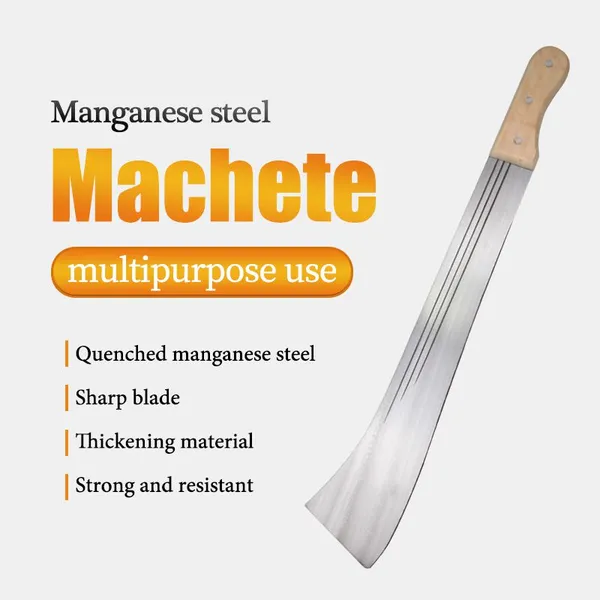
Large High Carbon Steel Machete Knife Agricultural Machete for Farming Bush Cutting Garden Tool SupplierNegotiableMOQ: 1200 Pieces
-
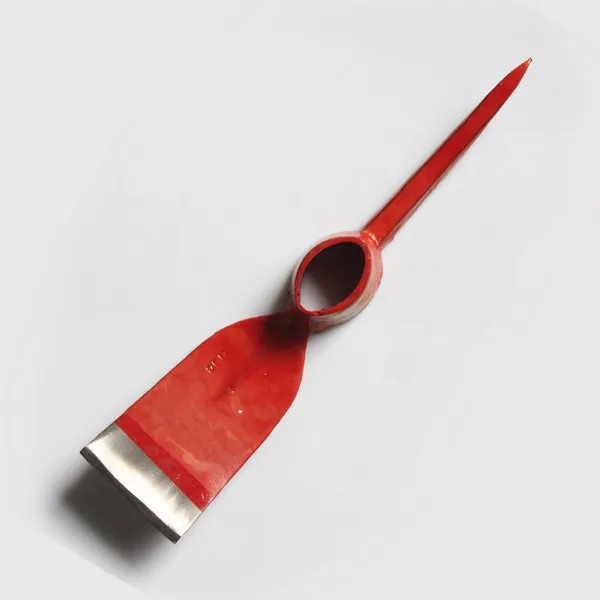
Wholesale Heavy Duty Pick Mattock for Mining Road Work and Farm Digging for Wholesale Tool Dealers With Bulk Order ServiceUS$ 1.85 - 2.3MOQ: 1200 Pieces
-
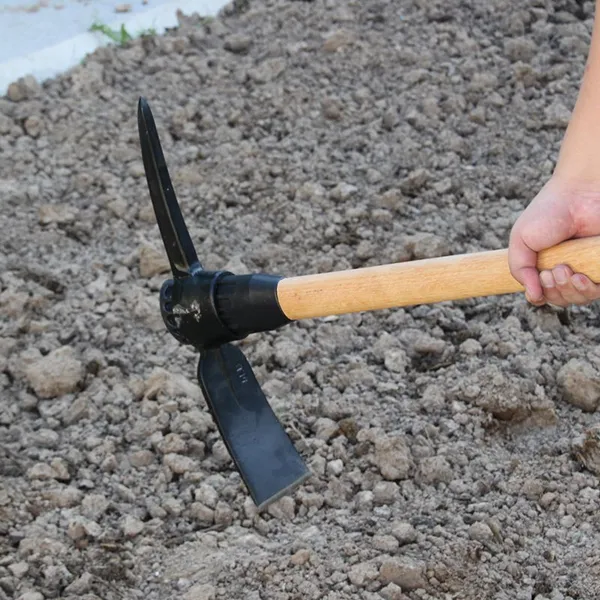
Carbon Steel Manual Pickaxe for Hard Soil Breaking and Trenching for African Importers With OEM Bulk Order Support Agricultural ToolUS$ 1.85 - 2.3MOQ: 1200 Pieces
-
OEM Farm Sickle With Sharp Blade for African Importers OEM Bulk Order Support for Harvesting and Smallholder Farming for Wholesale BUS$ 0.28 - 0.33MOQ: 3000 Pieces
-
Heavy Duty Manganese Steel Round Point Shovel Garden Digging Shovel With Wooden Handle Agricultural Tool ManufacturerUS$ 2.14 - 2.36MOQ: 1200 Pieces
-
Farm Shovel Factory Supply for Regional Import Distributors Bulk Wholesale Supply for Garden Work and Trenching for Agricultural DealersUS$ 2.14 - 2.36MOQ: 1200 Pieces
-
Heavy Duty Garden Rake for African Importers OEM Factory Supply for Agricultural Use African Market Factory Bulk OrderUS$ 0.88 - 1.35MOQ: 2000 Pieces
-
Agricultural Soil Rake for Agricultural Dealers Export Supply for Garden Cleaning African Dealer Channels Factory Bulk OrderUS$ 0.88 - 1.35MOQ: 2000 Pieces
-
Manual Farm Machete for African Importers OEM Factory Supply for Farming and Land Clearing Durable Hand ToolNegotiableMOQ: 1200 Pieces
-
Large Heavy Duty Carbon Steel Garden Landscaping Digging HoeUS$ 1.07 - 1.27MOQ: 1200 Pieces
-
Heavy Duty Rail Steel Mattock Pick Axe With Wooden Handle for Digging Soil Mining and Agricultural Tool SupplierUS$ 1.85 - 2.3MOQ: 1200 Pieces
-
Forged Farm Sickle With Sharp Blade for African Importers OEM Bulk Order Support for Harvesting and Smallholder Farming for WholesalUS$ 0.28 - 0.33MOQ: 3000 Pieces
-
Strong Carbon Steel Farming Sickle for Uganda Tanzania Zambia Agricultural Tool DistributorsUS$ 0.34 - 0.47MOQ: 3000 Pieces