
 Business License

Why Sickle Blades Crack, Bend or Dull Fast
Why Sickle Blades Crack, Bend or Dull Fast
Three complaints come back from every market. The blade cracked. The blade bent. The blade went dull in a day.
Each one points to a different cause, and each one is fixable. Blaming the user solves nothing.
This article traces the faults to steel, heat treatment, grinding and packing, then shows how to document a claim that a factory cannot dismiss.
Which steel or heat treatment faults cause cracking?
Cracking almost always starts before the blade reaches the customer. The fracture is just the last step.
The first cause is over-hardening. A blade pushed above 60 HRC becomes glassy. It survives a photo shoot and fails on the first stone.
The second is missing or short tempering. Hardening leaves internal stress. Tempering relieves it. A blade that skips this step can crack on the shelf.
The third is a quench crack. Uneven cooling, a cold water quench or a thin section causes a hairline crack. It often appears after grinding opens the surface.
The fourth is grinding burn. A fast, dry grinding pass heats the edge and softens or re-hardens it in a narrow band. The edge then chips in small flakes.
The fifth is stamping stress. A blank cut with a dull die carries micro-cracks at the edge. They grow under load.
Ask the factory for the hardening and tempering parameters. Temperature, holding time and temper cycles should be written down.
Ask how often the furnace is calibrated. A drifting thermocouple produces a batch that reads correct on paper and fails in the field.
A dull die also leaves a rough edge that looks like a crack line. Ask to see the die maintenance record.
Why does a blade bend instead of cut?
A bending blade is usually too soft, not too hard. The edge rolls over instead of shearing the stem.
Under-hardening is the common cause. The steel never reached the austenitising temperature, or the quench was too slow. The result sits below 45 HRC and deforms under normal load.
A second cause is the wrong steel. Low-carbon sheet cannot harden to a working edge, no matter how it is treated. It is cheap and it bends.
A third cause is blade thickness. A thin blade on a long handle flexes in tall grass. The user compensates by pushing harder, and the edge rolls.
A fourth cause is user prying. Some users twist the blade to cut roots or widen a gap. No hand sickle is designed for that.
A fifth cause is heat. A blade left in a vehicle or in direct sun can soften if the tempering temperature was too low.
Separate these before you claim. A bend at the tip from prying is different from a bend along the whole edge.
Why do some blades dull in a single day?
Fast dulling is a wear problem, and wear has several sources.
Low hardness is the first. At 45 HRC, a grass sickle loses its edge in hours. The bevel rounds and the cut becomes a crush.
The edge angle is the second. A very thin edge cuts well on soft grass and dies on dry straw. The angle must match the crop.
The bevel grind is the third. A convex or poorly formed bevel leaves a weak edge that folds. A clean flat bevel lasts longer.
Abrasive soil is the fourth. Cutting close to the ground puts sand and grit on the edge. No steel survives that for long.
The fifth is the coating. Paint or oxide that reaches the cutting edge dulls it immediately. The edge must stay bare.
Ask the user how the blade was sharpened. A blade sharpened on a bench grinder with no cooling loses its temper at the edge.
Compare the complaint with the crop. A rice sickle sold into dry wheat work will dull fast, and that is a specification error, not a defect.
A blade bent at the tip only points to prying. A blade bent in a smooth curve points to soft steel.
How should a buyer document a quality claim?
A claim without evidence becomes a negotiation. Build the file before you contact the supplier.
Photograph the defect close up and in context. Show the whole blade, then the failure point. Add a scale or a ruler.
Record the batch number, the production date and the carton mark. Without a batch, the factory cannot trace the furnace run.
Count the affected pieces against the total received. A rate of two percent and a rate of forty percent need different responses.
Keep the failed samples. Ship three back if the value justifies it. A photo can be argued with; a cracked blade cannot.
Write a short claim letter. State the specification, the measured result, the failure rate and the requested remedy.
Ask for a root cause answer, not only a replacement. A replacement without a cause will fail again.
Set a response deadline, usually seven to ten days, and hold the next deposit until the answer arrives.
RFQ checklist to prevent repeat defects
Write these points into the specification before the next order.
Steel grade with mill certificate
Hardness range with tolerance
Hardening and tempering parameters
Grinding method and cooling
Edge angle and bevel type
Blade thickness and tolerance
Batch marking on each carton
Sample retention for six months
Pre-shipment inspection and sampling plan
Claim procedure and response time
Replacement or credit terms
Most blade failures are process failures. A factory that records its furnace data can fix them. One that cannot will keep sending the same blade.
Quality complaints cost more than the blades. They cost the customer, the reputation and the next order.
Recently Posted
-
Documents to Bid for a Sickle Supply Contract
October 20, 2026Documents to Bid for a Sickle Supply ContractA tender is won or lost before the price is opened. Missing paperwork removes a bid w Read More
-
Sickle Specs in Aid and Government Tenders
October 20, 2026Sickle Specs in Aid and Government TendersTender buyers do not shop the way distributors do. They publish a document, and supplier Read More
-
Packing Sickles for Sea Shipment: Rust and Edge Care
October 20, 2026Packing Sickles for Sea Shipment: Rust and Edge CareA container crosses several climates before it reaches your warehouse. Steel b Read More
-
HS Code for Sickles (8201.90): Import Duty Guide
October 20, 2026HS Code for Sickles (8201.90): Import Duty GuideA wrong HS code creates two problems at once. You pay the wrong duty, and the ship Read More

Contact Us
Recommended Products
-
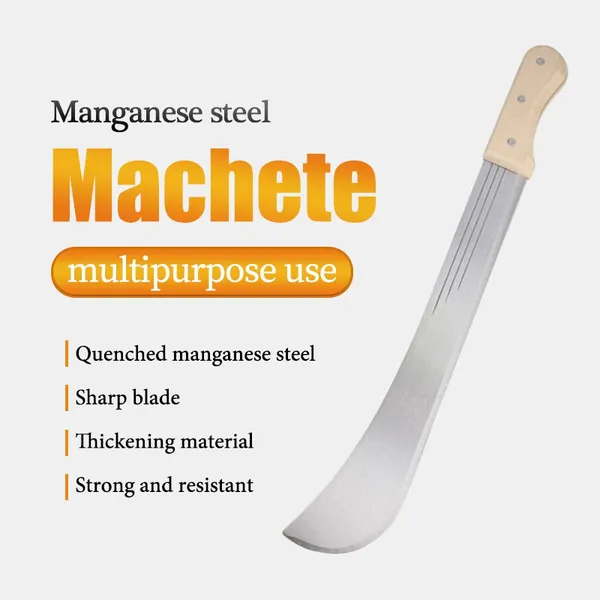
 Heavy Duty Cane Knife Machete for Wholesale Buyers Factory Direct Export for Rural Agricultural Projects Durable Hand ToolNegotiableMOQ: 1200 Pieces
-
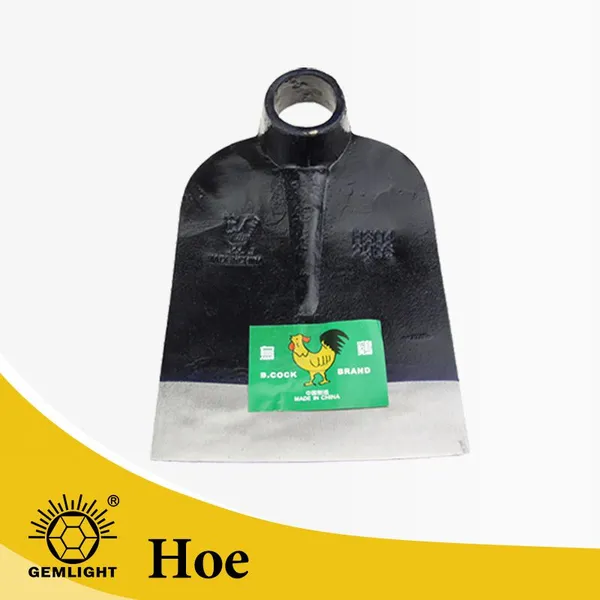
Agricultural Hoe Head Garden Rail Steel Tool for Tough Soil Cheap Price Hand ToolsUS$ 1.07 - 1.27MOQ: 1200 Pieces
-
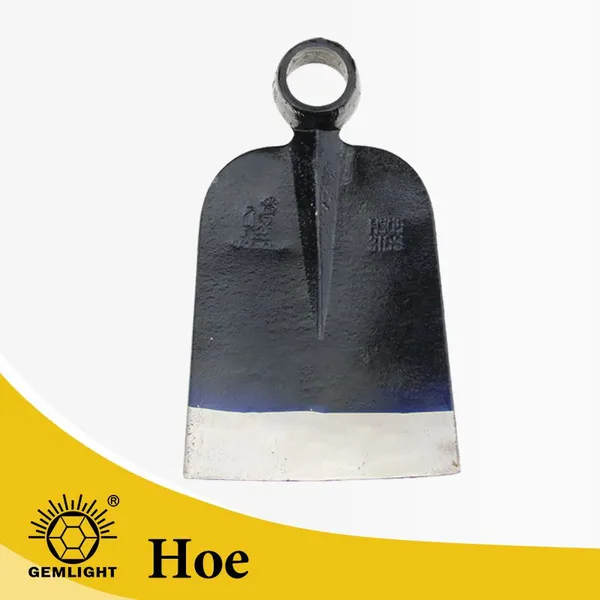
Sturdy Rail Steel Hoe for Weeding, H305 Perfect for Agricultural and Garden TasksUS$ 1.07 - 1.27MOQ: 1200 Pieces
-
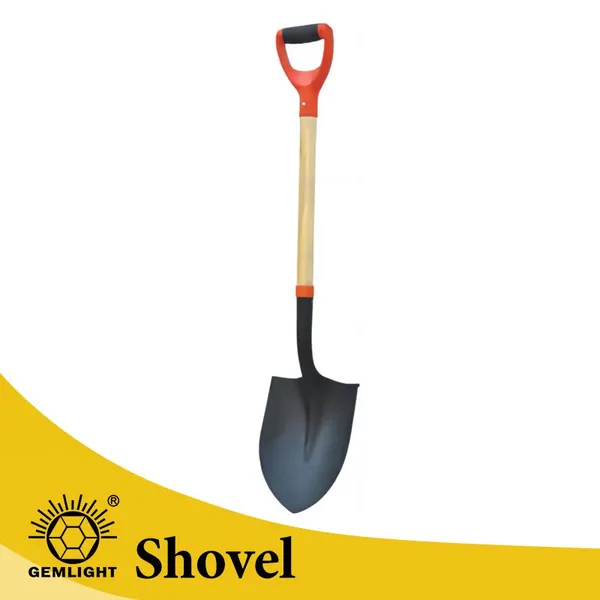
Heavy Duty Manganese Steel Garden Shovel Round Point Digging Shovel With Wooden Handle Farm Tool SupplierUS$ 2.14 - 2.36MOQ: 1200 Pieces
-
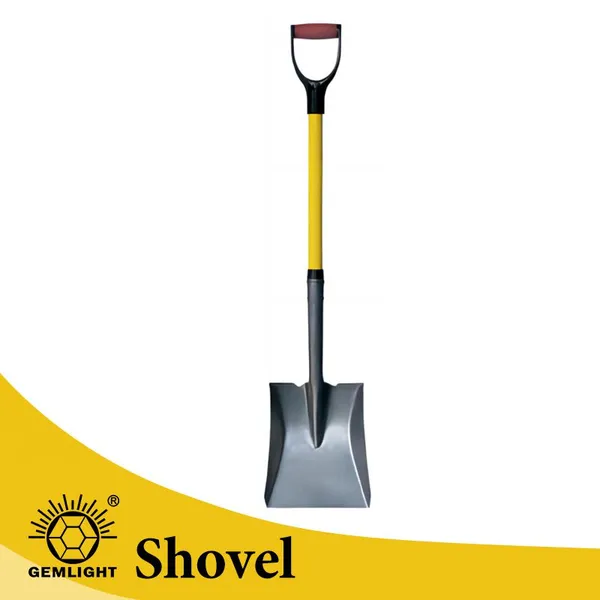
Big Shovel Wide Shovel Mud Shovel Heavy Duty Steel Blade for Farm Drainage Soil Moving Cleaning and Landscaping UseUS$ 2.14 - 2.36MOQ: 1200 Pieces
-
Strong Teeth Soil Rake for Farm Tool Suppliers Private Label Export for Farm Maintenance African Distribution Factory Bulk OrderUS$ 0.88 - 1.35MOQ: 2000 Pieces
-
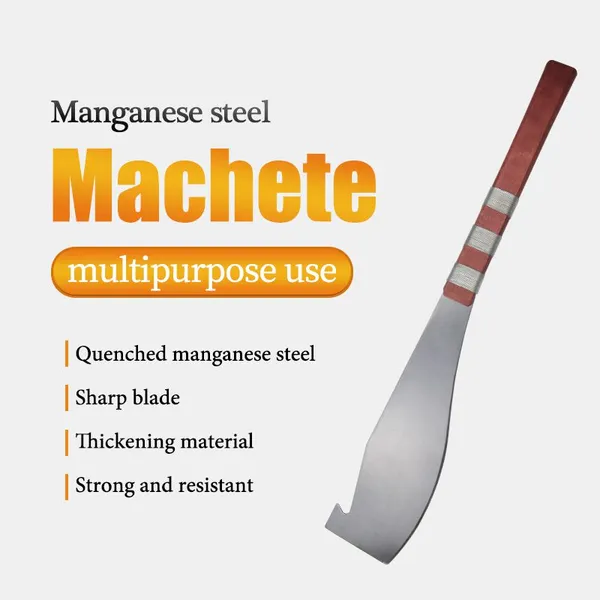
Manual Cane Knife Machete for Wholesale Buyers Factory Direct Export for Rural Agricultural Projects Durable Hand ToolNegotiableMOQ: 1200 Pieces
-
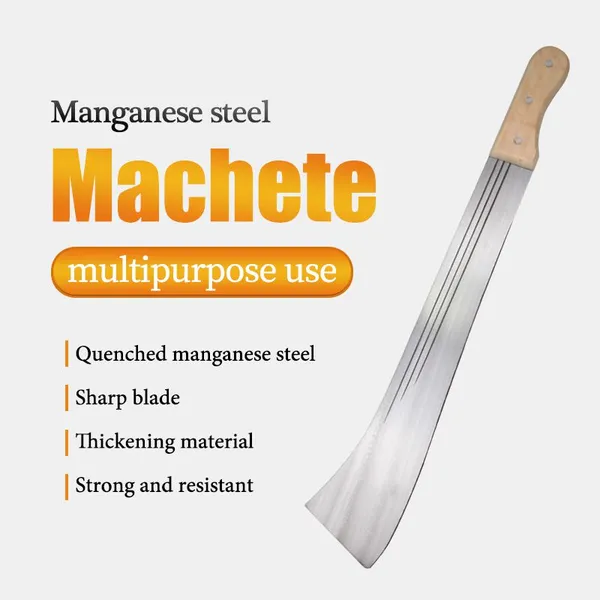
Large High Carbon Steel Machete Knife Agricultural Machete for Farming Bush Cutting Garden Tool SupplierNegotiableMOQ: 1200 Pieces
-
Wholesale Heavy Duty Pick Mattock for Mining Road Work and Farm Digging for Wholesale Tool Dealers With Bulk Order ServiceUS$ 1.85 - 2.3MOQ: 1200 Pieces
-
Carbon Steel Manual Pickaxe for Hard Soil Breaking and Trenching for African Importers With OEM Bulk Order Support Agricultural ToolUS$ 1.85 - 2.3MOQ: 1200 Pieces

-
OEM Farm Sickle With Sharp Blade for African Importers OEM Bulk Order Support for Harvesting and Smallholder Farming for Wholesale BUS$ 0.28 - 0.33MOQ: 3000 Pieces
-
Heavy Duty Manganese Steel Round Point Shovel Garden Digging Shovel With Wooden Handle Agricultural Tool ManufacturerUS$ 2.14 - 2.36MOQ: 1200 Pieces
-
Farm Shovel Factory Supply for Regional Import Distributors Bulk Wholesale Supply for Garden Work and Trenching for Agricultural DealersUS$ 2.14 - 2.36MOQ: 1200 Pieces
-
Heavy Duty Garden Rake for African Importers OEM Factory Supply for Agricultural Use African Market Factory Bulk OrderUS$ 0.88 - 1.35MOQ: 2000 Pieces
-
Agricultural Soil Rake for Agricultural Dealers Export Supply for Garden Cleaning African Dealer Channels Factory Bulk OrderUS$ 0.88 - 1.35MOQ: 2000 Pieces
-
Manual Farm Machete for African Importers OEM Factory Supply for Farming and Land Clearing Durable Hand ToolNegotiableMOQ: 1200 Pieces
-
Large Heavy Duty Carbon Steel Garden Landscaping Digging HoeUS$ 1.07 - 1.27MOQ: 1200 Pieces
-
Heavy Duty Rail Steel Mattock Pick Axe With Wooden Handle for Digging Soil Mining and Agricultural Tool SupplierUS$ 1.85 - 2.3MOQ: 1200 Pieces
-
Forged Farm Sickle With Sharp Blade for African Importers OEM Bulk Order Support for Harvesting and Smallholder Farming for WholesalUS$ 0.28 - 0.33MOQ: 3000 Pieces
-
Strong Carbon Steel Farming Sickle for Uganda Tanzania Zambia Agricultural Tool DistributorsUS$ 0.34 - 0.47MOQ: 3000 Pieces