
 Business License

Grass Sickle MOQ from China: Trial and Mixed Orders
Grass Sickle MOQ from China: Trial and Mixed Orders
MOQ is the first wall most new buyers hit. A factory quotes 1,000 pieces per model, and the buyer only wants 200 to test the market.
The gap is not greed. It comes from steel sheet minimums, heat treatment batches and carton quantities.
This article explains where MOQ numbers come from, when they can move, and how to structure a first order that both sides can accept.
What MOQ applies to standard sickle models?
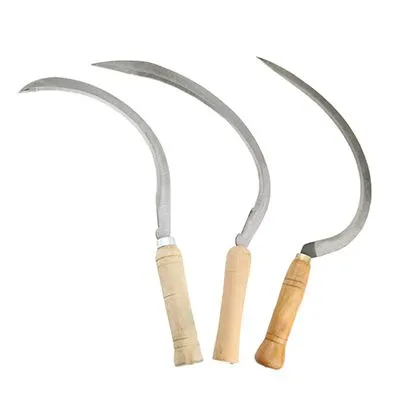
For standard models already in production, MOQ usually runs from 500 to 1,000 pieces per model. Some factories accept 300 pieces with a small surcharge.
The number follows the production batch, not the sales preference. A heat treatment run needs a minimum load to be efficient.
A packing run needs enough pieces to fill cartons and print marks.
Blade blanks are cut from steel sheet. A sheet has a fixed size, and a small order can leave unusable offcuts. That waste has to be paid by someone.
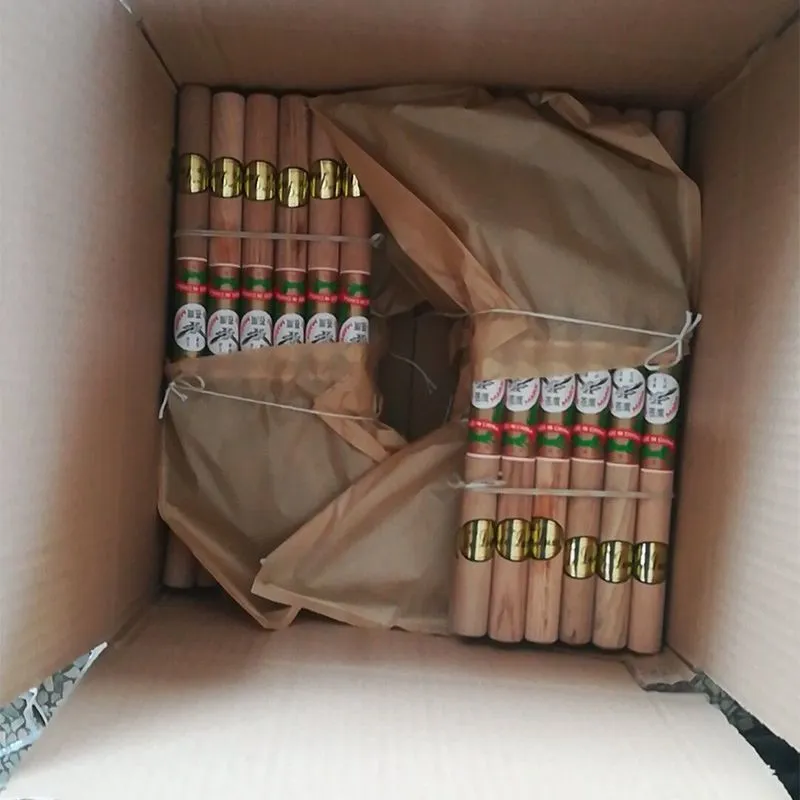
Cartons add another limit. A carton holds 60 to 100 pieces. An order of 150 pieces leaves partial cartons, which cost almost as much as full ones.
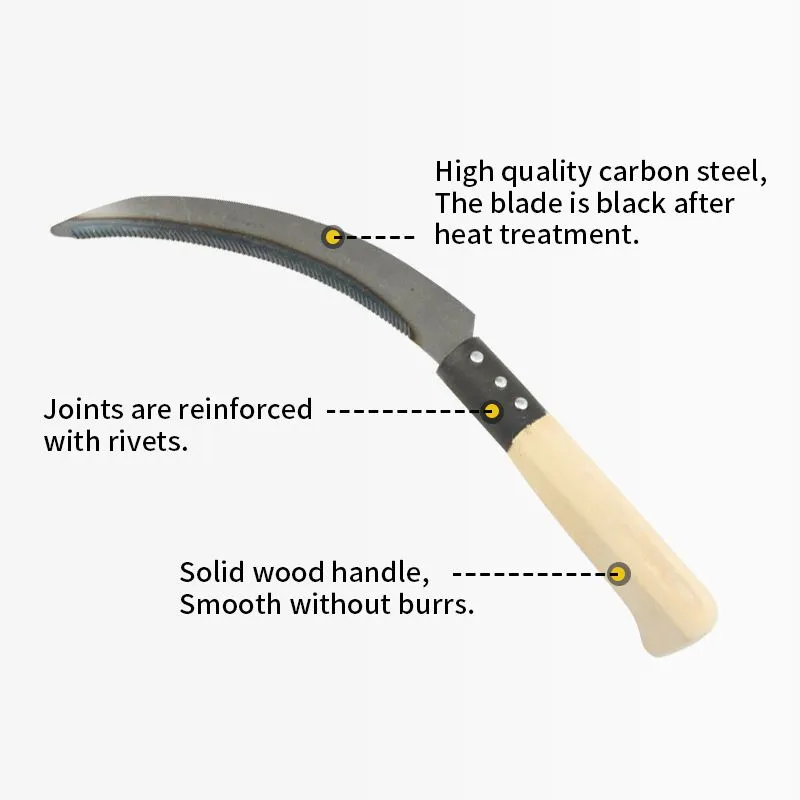
Handles have their own minimum. A wooden handle order may start at 1,000 pieces from the handle workshop. A plastic handle needs a mould run.
Ask what the MOQ is based on. A supplier who explains the reason can usually find a workaround.
Can I mix models and handle types in one order?
Yes, and most buyers should. A mixed order spreads risk across models instead of betting on one.
A common structure is 300 to 500 pieces per model, with a total order of 3,000 to 5,000 pieces. The total matters more than the per-model figure.
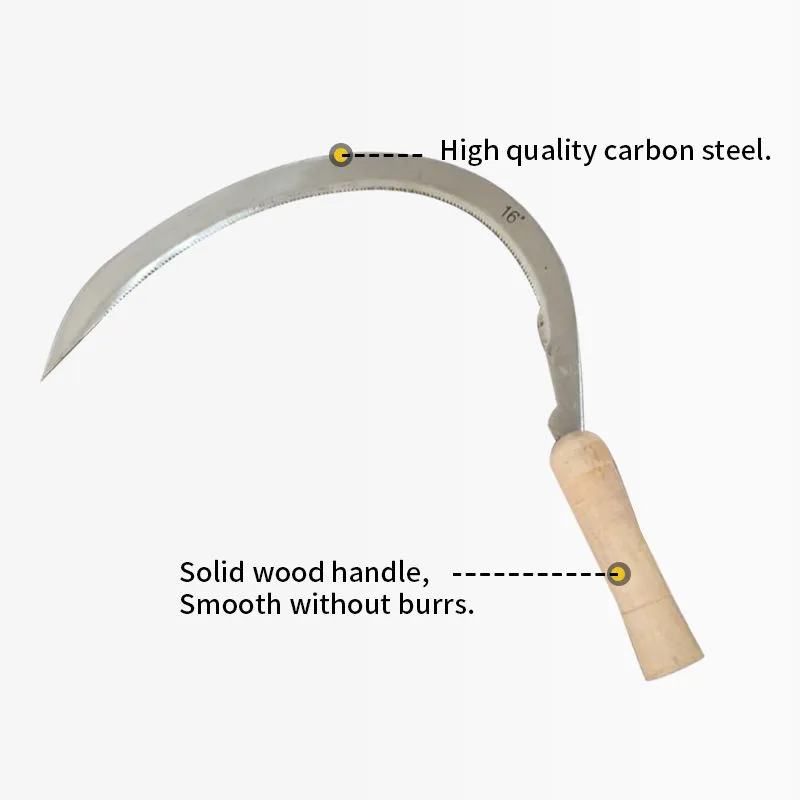
Mixing handle types is also normal. Wood, plastic and steel handles can ship in the same container if the cartons are marked separately.
There are limits. Each model needs its own carton mark, its own packing list line and often its own inner box.
Too many models in a small order raises handling cost.
A practical ceiling is five to eight models in a first mixed order. Beyond that, the factory spends more time on changeovers than on production.
Custom logos and custom packaging multiply the complexity. Each logo and each printed card is a separate setup.
If you need many models, split the order into two shipments. The second shipment can follow the first sales results.
A factory that runs your model every week can often slot a small quantity into an existing batch. Ask when the next run is scheduled.
Some buyers share a container with a partner to reach the total volume. Discuss this openly, because mixed loads complicate marking and documents.
How to start with a small trial order?
A trial order has one purpose: to test the supplier and the market at the same time. Keep it small and specific.
Start with 100 to 300 pieces across two or three models. Expect a higher unit price, often 10 to 20 percent above the bulk price.
That premium pays for the setup.
Ask whether the trial can ship by air or by LCL. Air freight suits 100 to 200 pieces and arrives in days.
LCL suits 300 to 500 pieces and takes weeks.
Use the trial to check packing, documents and communication, not only the blade.
A supplier who sends clean documents on a small order will do the same on a large one.
Test the blades with real users before you reorder. Their feedback on balance and edge is worth more than any catalogue.
Keep the trial carton and the batch number. They become your reference for the bulk order.
Then scale. Double the best seller, drop the weakest model, and add one new length.
What raises or lowers the MOQ?
Several factors move the number in each direction.
MOQ rises with a new blade shape. A new die or a new stamping tool costs money, and the factory needs volume to recover it.
It rises with a special steel grade. Steel mills sell in tonnes, not kilograms. An unusual grade may need a full mill order.
It rises with custom packaging: printed cards, blisters, display boxes and colour cartons all carry setup costs.
MOQ falls for stock models in standard finishes. If the factory already runs the model weekly, adding your quantity is easy.
It falls in the low season, when machines have spare capacity. Ask when their quiet months are.
It falls if you accept standard packing and standard handle colour. Flexibility on these two points often unlocks a smaller order.
Paying the die cost yourself is another route. The MOQ drops, and you own the tool.
Order the second batch only after the first sells through. Slow reorders tell you more than fast opinions.
RFQ checklist for a trial or mixed order
Send these points so the quotation matches your plan.
Model list with quantities per model
Total order quantity
Handle type and quantity per type
Blade length and edge type per model
Steel grade and hardness
Logo requirement and method
Packaging format per model
Carton marks and shipping marks
Trial quantity and unit price
Sample cost and sample lead time
Shipping method: air, LCL or FCL
A clear order structure gets a clear price. Vague inquiries get a standard MOQ reply, and that reply is usually higher than necessary.
MOQ is a negotiation about setup cost, not about friendship. Offer to pay the setup, and the number usually moves.
Recently Posted
-
Documents to Bid for a Sickle Supply Contract
October 20, 2026Documents to Bid for a Sickle Supply ContractA tender is won or lost before the price is opened. Missing paperwork removes a bid w Read More
-
Sickle Specs in Aid and Government Tenders
October 20, 2026Sickle Specs in Aid and Government TendersTender buyers do not shop the way distributors do. They publish a document, and supplier Read More
-
Packing Sickles for Sea Shipment: Rust and Edge Care
October 20, 2026Packing Sickles for Sea Shipment: Rust and Edge CareA container crosses several climates before it reaches your warehouse. Steel b Read More
-
HS Code for Sickles (8201.90): Import Duty Guide
October 20, 2026HS Code for Sickles (8201.90): Import Duty GuideA wrong HS code creates two problems at once. You pay the wrong duty, and the ship Read More

Contact Us
Recommended Products
-
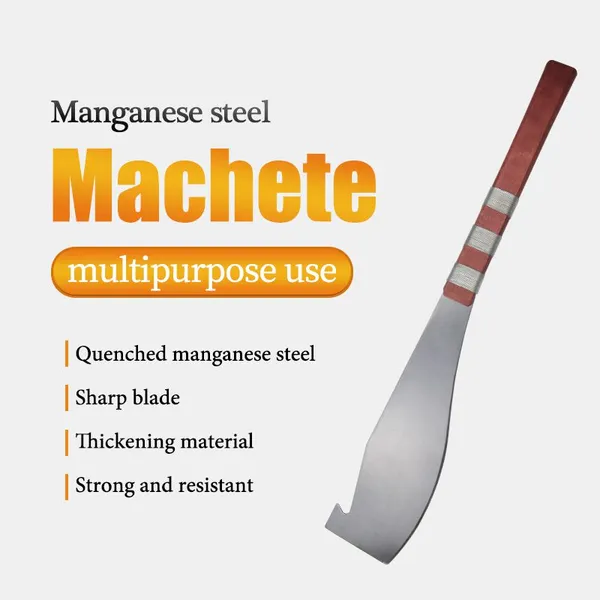
 Heavy Duty Cane Knife Machete for Wholesale Buyers Factory Direct Export for Rural Agricultural Projects Durable Hand ToolNegotiableMOQ: 1200 Pieces
-
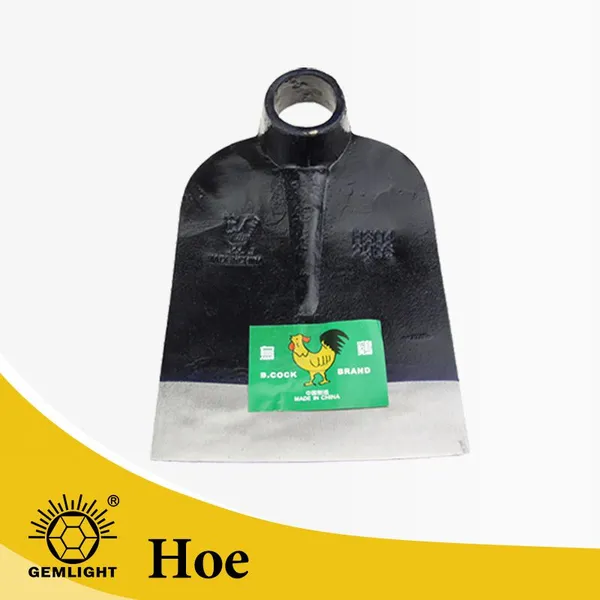
Agricultural Hoe Head Garden Rail Steel Tool for Tough Soil Cheap Price Hand ToolsUS$ 1.07 - 1.27MOQ: 1200 Pieces
-
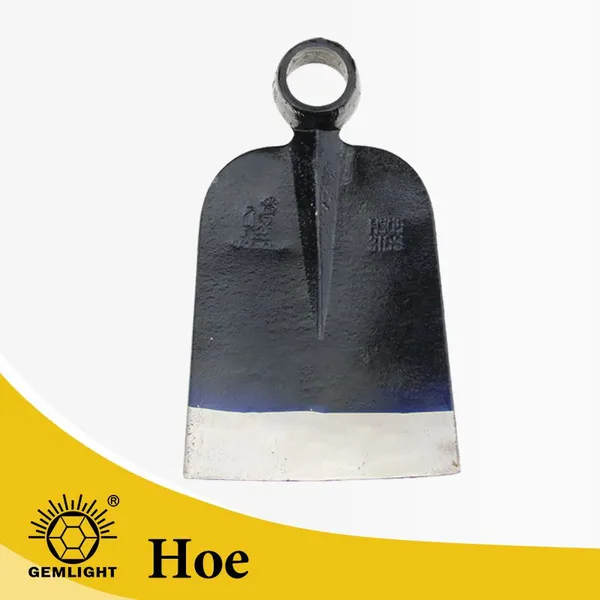
Sturdy Rail Steel Hoe for Weeding, H305 Perfect for Agricultural and Garden TasksUS$ 1.07 - 1.27MOQ: 1200 Pieces
-
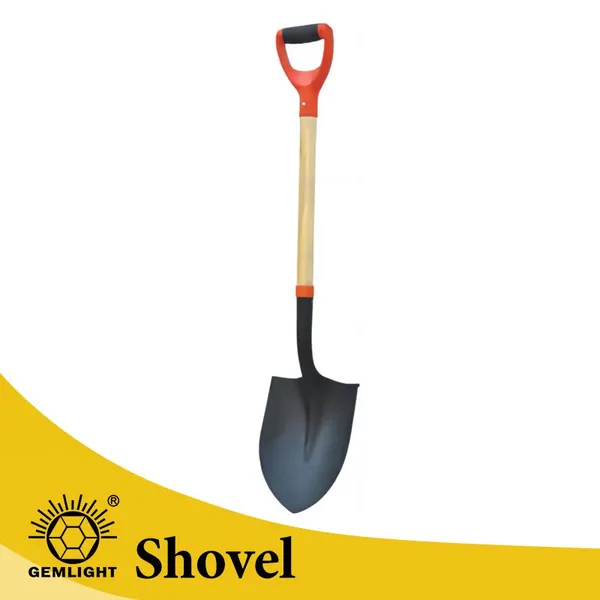
Heavy Duty Manganese Steel Garden Shovel Round Point Digging Shovel With Wooden Handle Farm Tool SupplierUS$ 2.14 - 2.36MOQ: 1200 Pieces
-
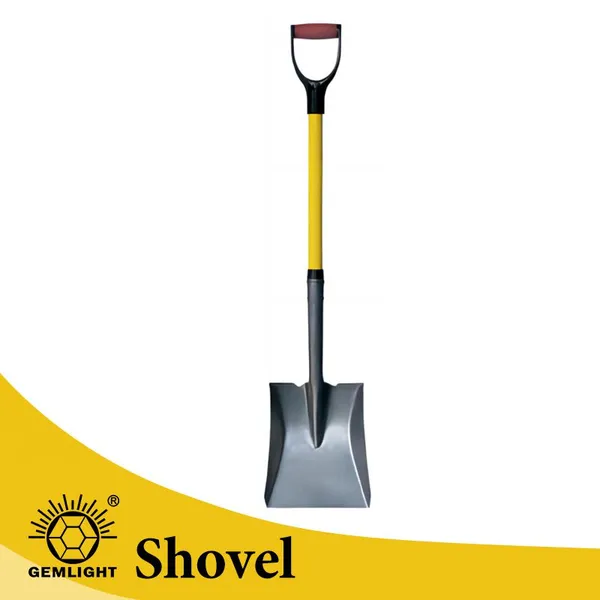
Big Shovel Wide Shovel Mud Shovel Heavy Duty Steel Blade for Farm Drainage Soil Moving Cleaning and Landscaping UseUS$ 2.14 - 2.36MOQ: 1200 Pieces
-
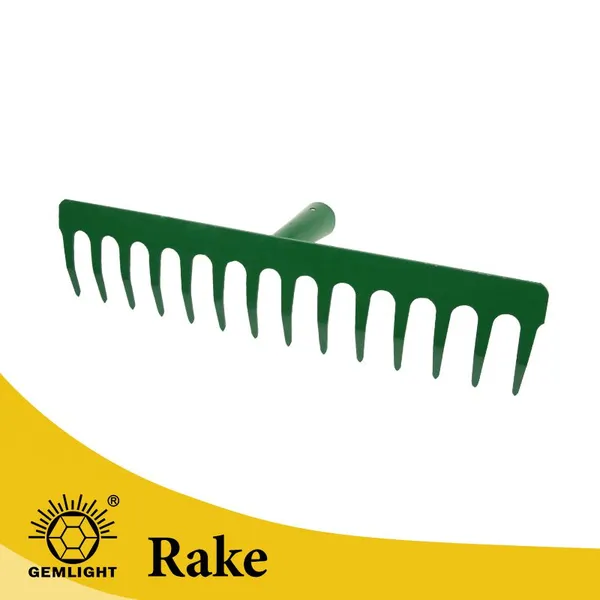
Strong Teeth Soil Rake for Farm Tool Suppliers Private Label Export for Farm Maintenance African Distribution Factory Bulk OrderUS$ 0.88 - 1.35MOQ: 2000 Pieces
-
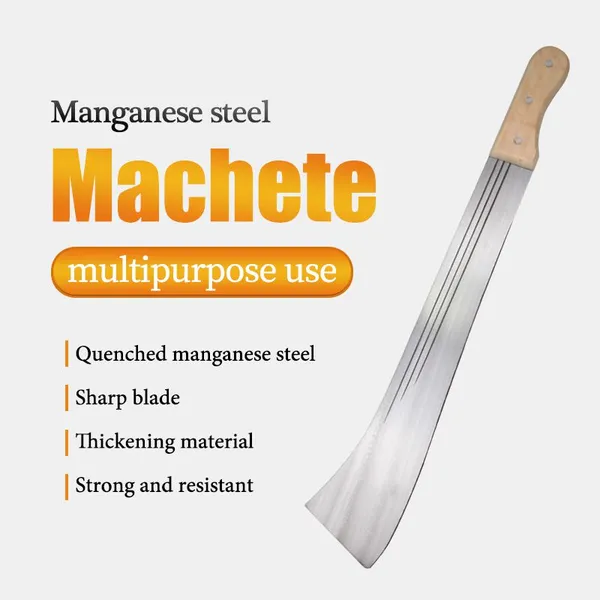
Manual Cane Knife Machete for Wholesale Buyers Factory Direct Export for Rural Agricultural Projects Durable Hand ToolNegotiableMOQ: 1200 Pieces
-
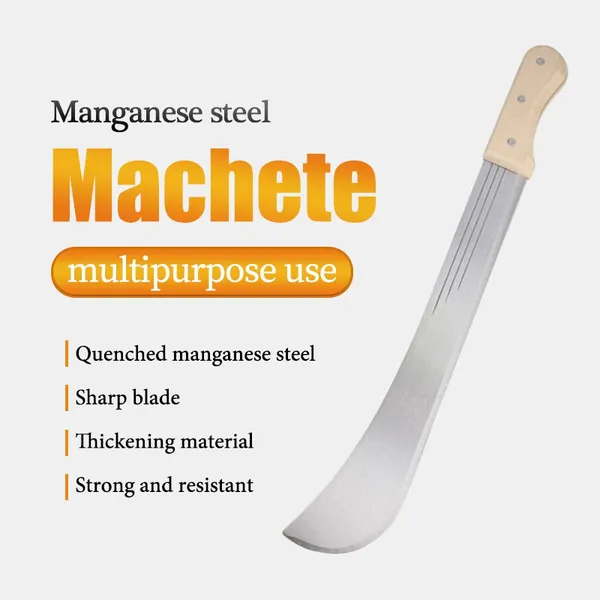
Large High Carbon Steel Machete Knife Agricultural Machete for Farming Bush Cutting Garden Tool SupplierNegotiableMOQ: 1200 Pieces
-
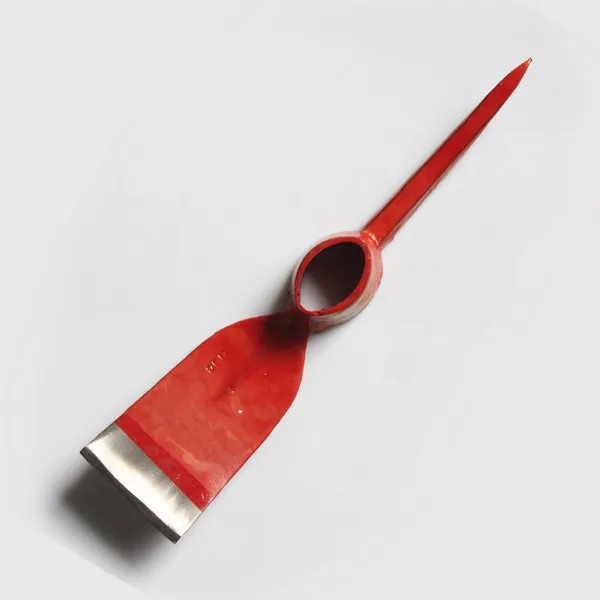
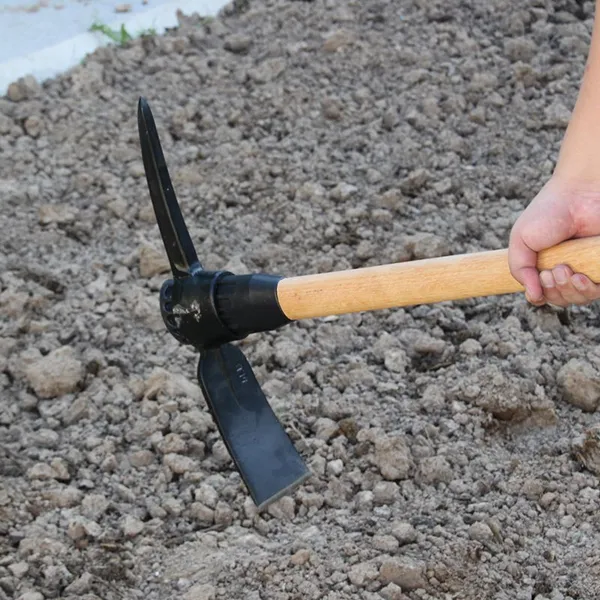
Wholesale Heavy Duty Pick Mattock for Mining Road Work and Farm Digging for Wholesale Tool Dealers With Bulk Order ServiceUS$ 1.85 - 2.3MOQ: 1200 Pieces
-
Carbon Steel Manual Pickaxe for Hard Soil Breaking and Trenching for African Importers With OEM Bulk Order Support Agricultural ToolUS$ 1.85 - 2.3MOQ: 1200 Pieces
-
OEM Farm Sickle With Sharp Blade for African Importers OEM Bulk Order Support for Harvesting and Smallholder Farming for Wholesale BUS$ 0.28 - 0.33MOQ: 3000 Pieces
-
Heavy Duty Manganese Steel Round Point Shovel Garden Digging Shovel With Wooden Handle Agricultural Tool ManufacturerUS$ 2.14 - 2.36MOQ: 1200 Pieces
-
Farm Shovel Factory Supply for Regional Import Distributors Bulk Wholesale Supply for Garden Work and Trenching for Agricultural DealersUS$ 2.14 - 2.36MOQ: 1200 Pieces
-
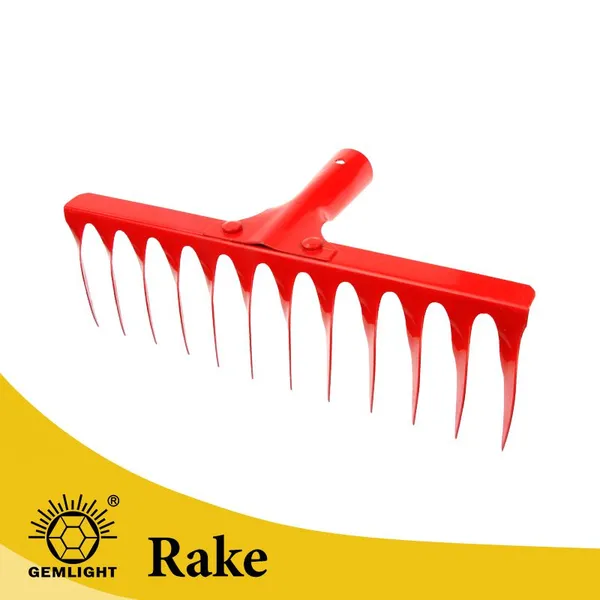
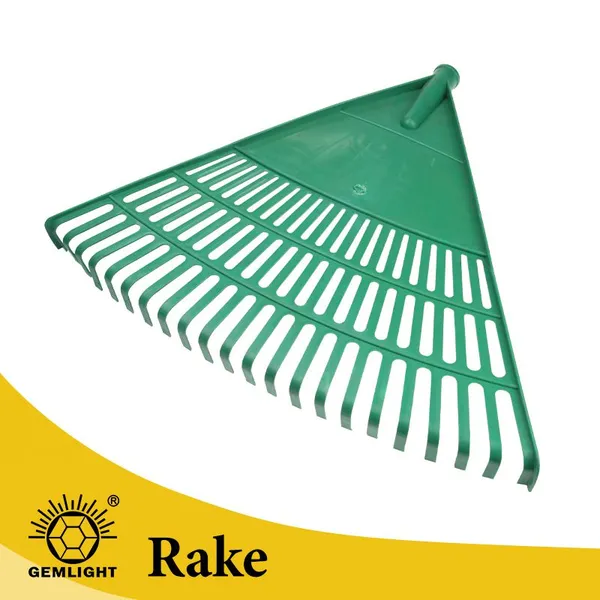
Heavy Duty Garden Rake for African Importers OEM Factory Supply for Agricultural Use African Market Factory Bulk OrderUS$ 0.88 - 1.35MOQ: 2000 Pieces
-
Agricultural Soil Rake for Agricultural Dealers Export Supply for Garden Cleaning African Dealer Channels Factory Bulk OrderUS$ 0.88 - 1.35MOQ: 2000 Pieces
-
Manual Farm Machete for African Importers OEM Factory Supply for Farming and Land Clearing Durable Hand ToolNegotiableMOQ: 1200 Pieces
-
Large Heavy Duty Carbon Steel Garden Landscaping Digging HoeUS$ 1.07 - 1.27MOQ: 1200 Pieces
-
Heavy Duty Rail Steel Mattock Pick Axe With Wooden Handle for Digging Soil Mining and Agricultural Tool SupplierUS$ 1.85 - 2.3MOQ: 1200 Pieces
-
Forged Farm Sickle With Sharp Blade for African Importers OEM Bulk Order Support for Harvesting and Smallholder Farming for WholesalUS$ 0.28 - 0.33MOQ: 3000 Pieces
-
Strong Carbon Steel Farming Sickle for Uganda Tanzania Zambia Agricultural Tool DistributorsUS$ 0.34 - 0.47MOQ: 3000 Pieces