
 Business License

Hose Factory or Trading Company: 6 Checks Before Paying
Hose Factory or Trading Company: 6 Checks Before Paying
Almost every supplier you contact will call itself a factory. Some are. Many are not.
For a buyer, this is not a moral question. It is a question about price structure, quality control and who answers when a container goes wrong.
A trader adds a margin and controls neither the line nor the lab. That is fine for small mixed orders and poor for private label at volume.
Here are six checks that give you an answer in about a week.
Which documents expose a trading company?
Ask for the business licence photo. Zoom in on the business scope line, not the company name.
Manufacturing appears as production of plastic products, rubber products or hose. Trading appears as wholesale, retail or import and export.
Then ask for the export registration record. A factory that ships directly holds one under its own name.
If the goods will be exported by a third party, ask which company. The answer often reveals the real trading layer.
Ask for the factory floor plan or the property lease. A plant can describe its workshop layout in square metres without thinking.
A trading office cannot. It will send a brochure instead, or change the subject to price.
Finally, compare the invoice name, the bank account name and the licence name. All three should match. If they do not, ask why in writing.

How to verify an extrusion line actually exists
An extrusion line is a large machine. It cannot be hidden and it cannot be faked for long.
Ask for the model plate photo of the extruder and the screw diameter. Manufacturers know these numbers, because they set output per hour.
Ask how many lines run and what each line is set up for. A plant with three lines usually dedicates one to small diameters.
Ask for the daily output in metres and the shift pattern. Then compare that number with your order quantity. Thin capacity shows up fast.
Ask for the water cooling tank and the haul-off unit. These are part of every PVC hose line and impossible to photograph in a showroom.
Ask for the yarn braiding machines if you buy reinforced hose. Braiding is the step traders most often outsource.
Then ask the electricity bill question in a polite way. Factories know their monthly consumption. Offices do not.

What a video audit must show
Book a live call, not a recording. Ask for it during a working shift, ideally in the morning.
Start with the raw material area. You want to see resin bags, grade labels and the batch record.
Move to the extruder hopper. Ask the operator to show the die and the current wall thickness setting.
Then the cooling trough, the printing wheel and the cutting station. Ask for the printing plate with your brand if you have one.
Walk to the coupling area. You want the crimping machine, the ferrule stock and a torque or pull test station.
End at the pressure test tank and the packing line. Count the workers you see. Twenty people is a small plant, not a lie.
During the call, ask one technical question the salesperson did not prepare for. Watch whether they walk to a technician or invent an answer.
Traders are good at prices and poor at process. Use that difference as a filter.
Ask for the wall thickness tolerance in millimetres. Ask for the yarn count per braid. Ask for the cure or cooling time.
Ask what happens to a coil that fails the pressure test. A factory describes scrapping or reworking. A trader says it does not happen.
Ask for the last three internal defect reports. Factories keep them. Traders receive only the finished cartons.
Ask which raw material grade they use and why. PVC resin grades differ in plasticiser absorption and colour stability.
If every answer is "standard" or "good quality", you are not talking to the line.
When a trading company is the better choice
Do not treat this as a binary. Traders solve real problems.
They are useful when you need twenty items from ten factories in one container. Consolidation is their product.
They are useful when your order is below factory MOQ. A good trader aggregates and still controls the inspection.
They are useful when you need export documents, certification help or a faster sample cycle across several ranges.
The rule is simple. Pay a trader for convenience, not for manufacturing. Know which one you are buying.
Write the factory name into the purchase order when you can. It protects you if the specification is disputed later.
RFQ checklist before you pay a deposit
Send this list and ask for written answers. Silence on three items is your answer.
Business licence photo with visible business scope
Export registration record in the supplier's own name
Factory address and workshop area in square metres
Number of extrusion lines and daily output in metres
Braiding machine count and yarn type used
Wall thickness and tolerance per size
Live video walk date and time, during a shift
Pressure test method and tank capacity
Last internal defect report or rework record
Fitting supplier name and crimping method
Name of the legal entity that will appear on the invoice
Inspection access before shipment, in writing
A real factory answers most of this in one email. A trader answers the price and asks for your order quantity.
Either way, you now know what you are buying.
Recently Posted
-
How Many Garden Hoses Fit in a 20ft Container
October 30, 2026How Many Garden Hoses Fit in a 20ft ContainerMost buyers estimate container loading and get it wrong by twenty percent. The error Read More
-
How Garden Hose FOB Prices Are Calculated
October 30, 2026How Garden Hose FOB Prices Are CalculatedTwo suppliers quote the same garden hose. One is eleven percent cheaper. The difference i Read More
-
Private Label Garden Hose MOQ from China
October 30, 2026Private Label Garden Hose MOQ from ChinaMOQ is the first number that stops a new buyer. It usually looks arbitrary and often is no Read More
-
How to Inspect Garden Hoses Before Shipment
October 30, 2026How to Inspect Garden Hoses Before ShipmentAn inspection on the last day before loading finds problems you cannot fix. A plan buil Read More

Contact Us
Recommended Products
-
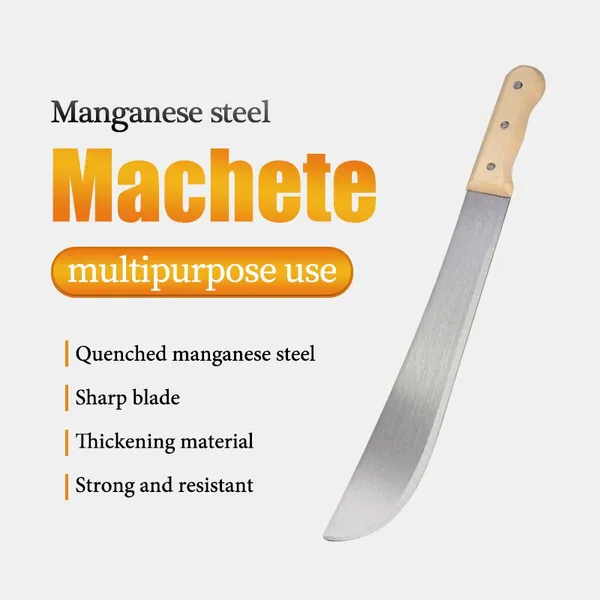
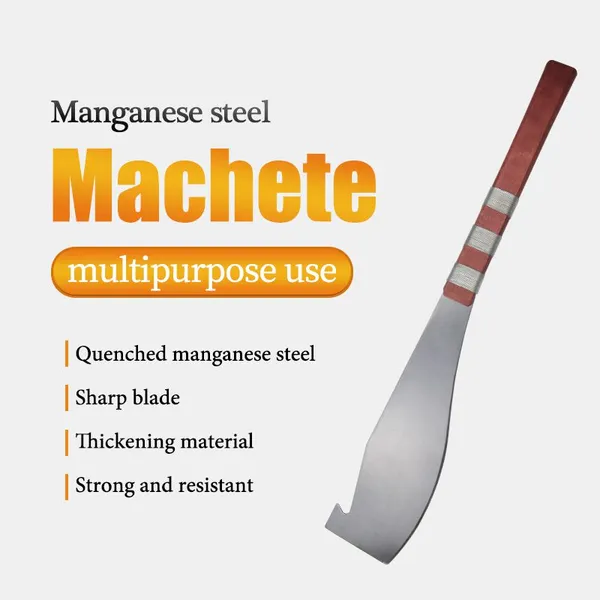
 Heavy Duty Cane Knife Machete for Wholesale Buyers Factory Direct Export for Rural Agricultural Projects Durable Hand ToolNegotiableMOQ: 1200 Pieces
-
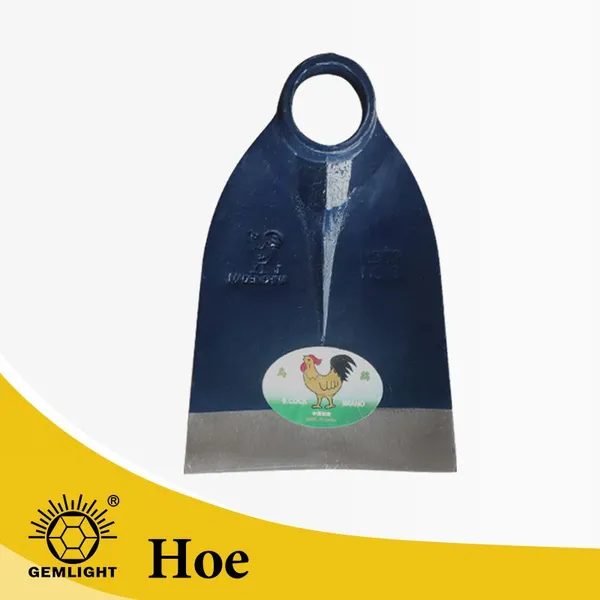
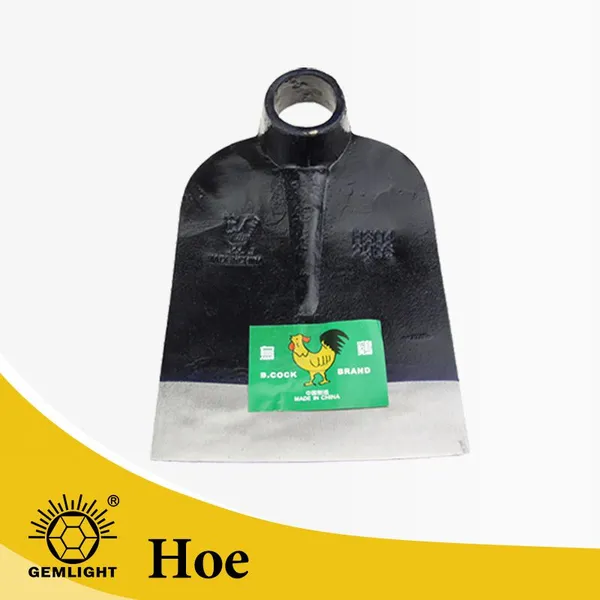
Agricultural Hoe Head Garden Rail Steel Tool for Tough Soil Cheap Price Hand ToolsUS$ 1.07 - 1.27MOQ: 1200 Pieces
-
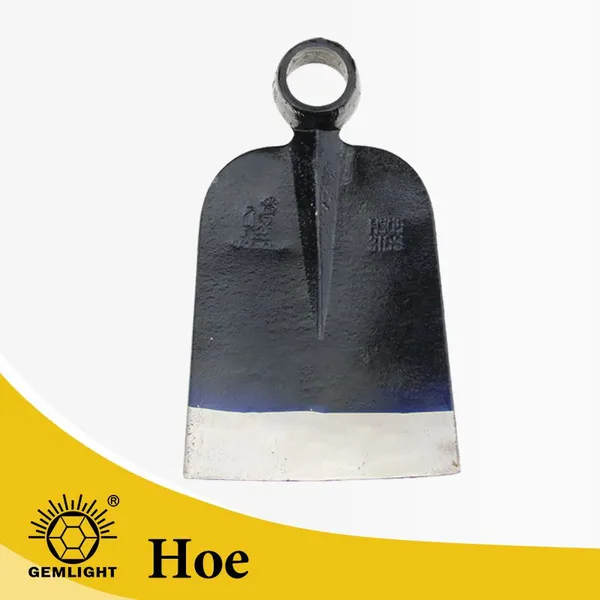
Sturdy Rail Steel Hoe for Weeding, H305 Perfect for Agricultural and Garden TasksUS$ 1.07 - 1.27MOQ: 1200 Pieces
-
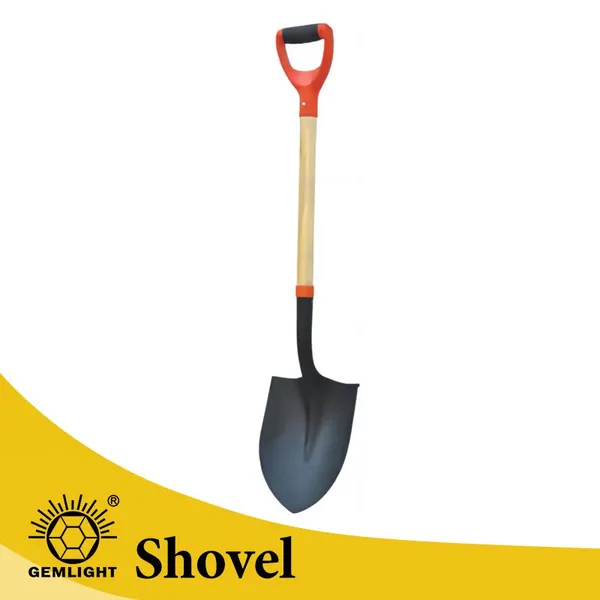
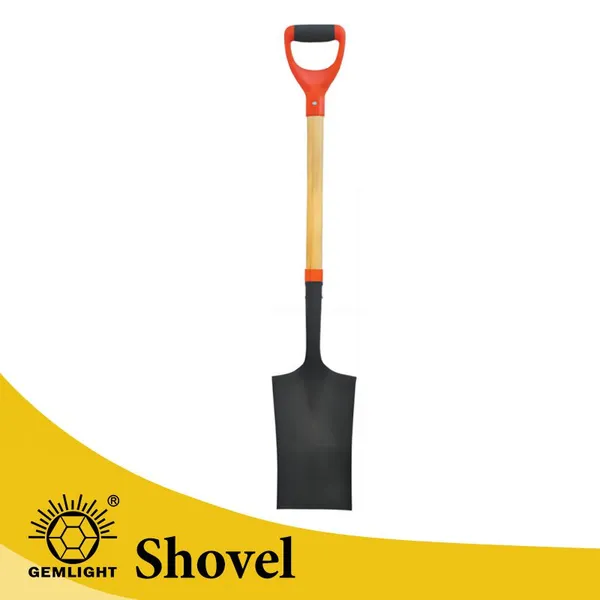
Heavy Duty Manganese Steel Garden Shovel Round Point Digging Shovel With Wooden Handle Farm Tool SupplierUS$ 2.14 - 2.36MOQ: 1200 Pieces
-
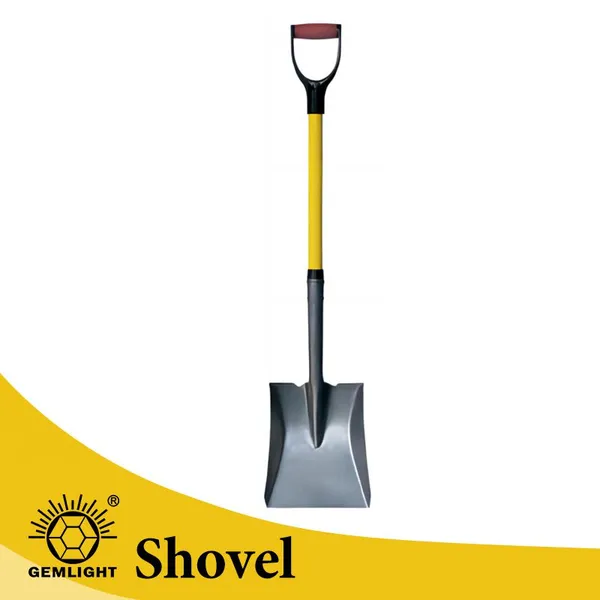
Big Shovel Wide Shovel Mud Shovel Heavy Duty Steel Blade for Farm Drainage Soil Moving Cleaning and Landscaping UseUS$ 2.14 - 2.36MOQ: 1200 Pieces
-
Strong Teeth Soil Rake for Farm Tool Suppliers Private Label Export for Farm Maintenance African Distribution Factory Bulk OrderUS$ 0.88 - 1.35MOQ: 2000 Pieces
-
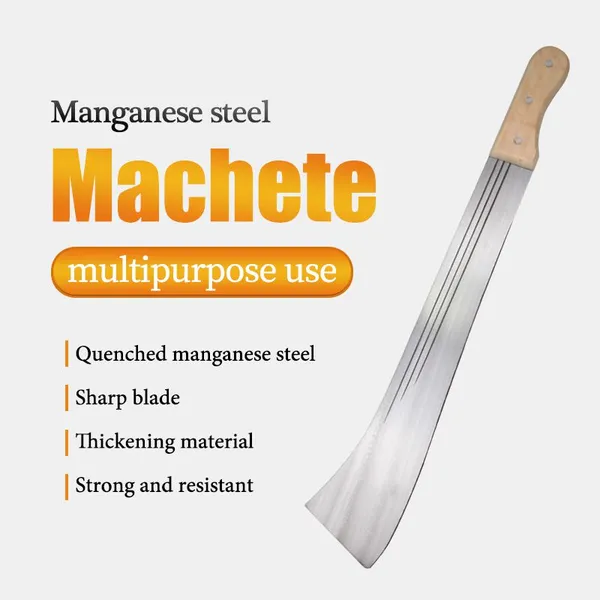
Manual Cane Knife Machete for Wholesale Buyers Factory Direct Export for Rural Agricultural Projects Durable Hand ToolNegotiableMOQ: 1200 Pieces
-
Large High Carbon Steel Machete Knife Agricultural Machete for Farming Bush Cutting Garden Tool SupplierNegotiableMOQ: 1200 Pieces
-
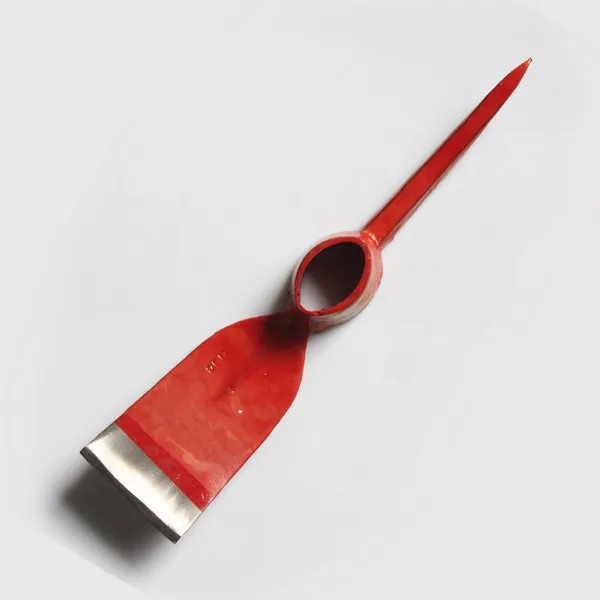
Wholesale Heavy Duty Pick Mattock for Mining Road Work and Farm Digging for Wholesale Tool Dealers With Bulk Order ServiceUS$ 1.85 - 2.3MOQ: 1200 Pieces
-
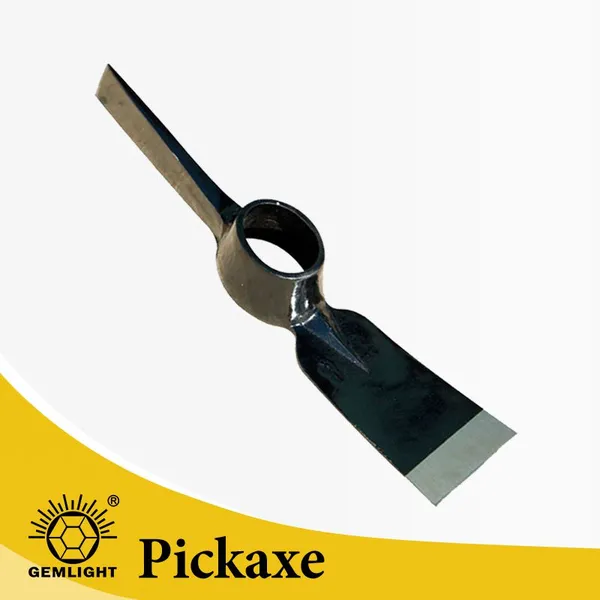
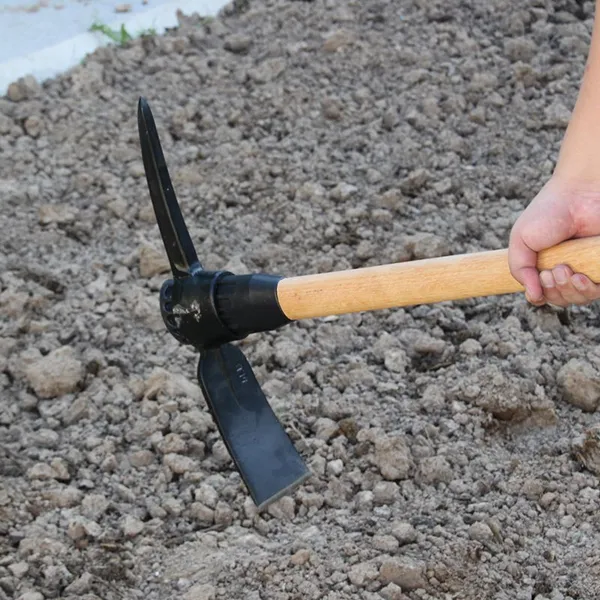
Carbon Steel Manual Pickaxe for Hard Soil Breaking and Trenching for African Importers With OEM Bulk Order Support Agricultural ToolUS$ 1.85 - 2.3MOQ: 1200 Pieces

-
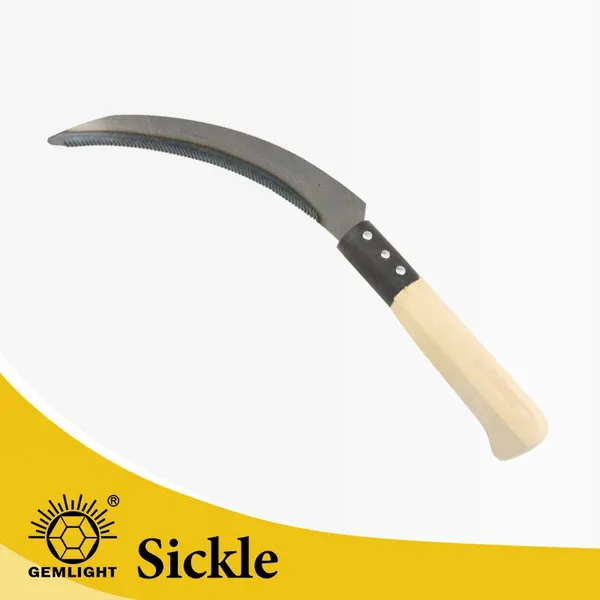
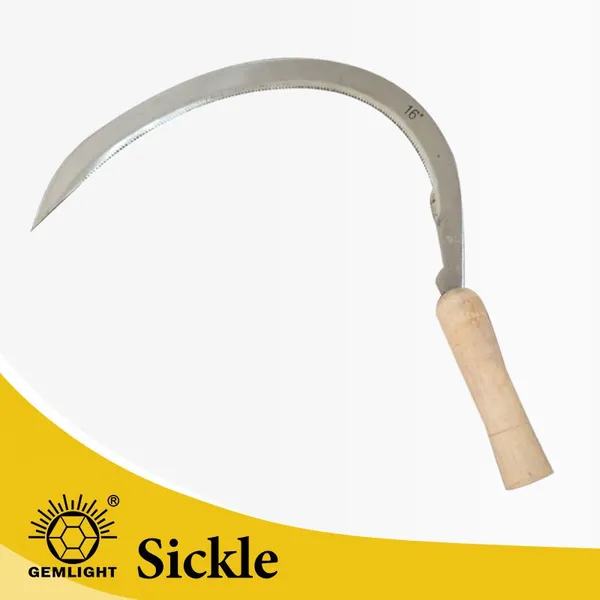
OEM Farm Sickle With Sharp Blade for African Importers OEM Bulk Order Support for Harvesting and Smallholder Farming for Wholesale BUS$ 0.28 - 0.33MOQ: 3000 Pieces
-
Heavy Duty Manganese Steel Round Point Shovel Garden Digging Shovel With Wooden Handle Agricultural Tool ManufacturerUS$ 2.14 - 2.36MOQ: 1200 Pieces
-
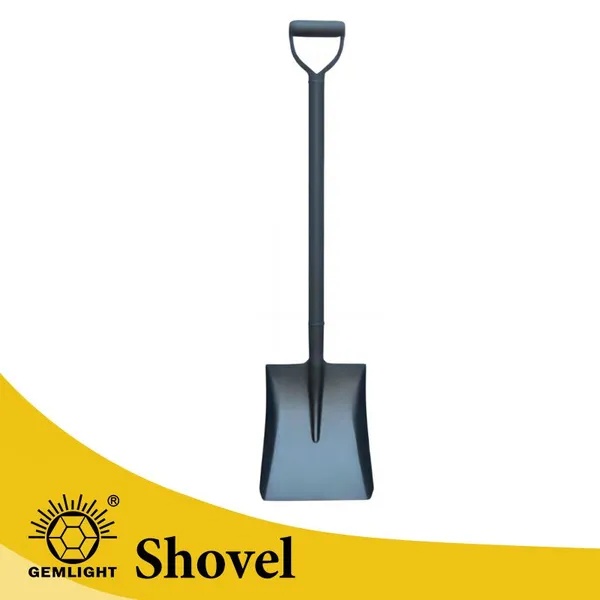
Farm Shovel Factory Supply for Regional Import Distributors Bulk Wholesale Supply for Garden Work and Trenching for Agricultural DealersUS$ 2.14 - 2.36MOQ: 1200 Pieces
-
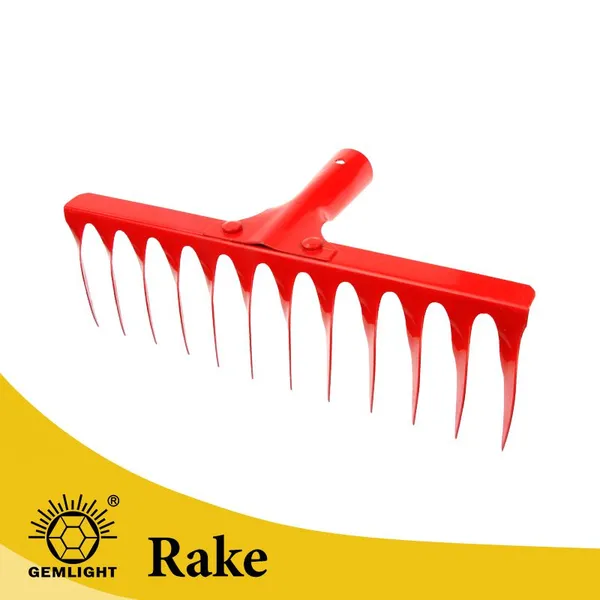
Heavy Duty Garden Rake for African Importers OEM Factory Supply for Agricultural Use African Market Factory Bulk OrderUS$ 0.88 - 1.35MOQ: 2000 Pieces
-
Agricultural Soil Rake for Agricultural Dealers Export Supply for Garden Cleaning African Dealer Channels Factory Bulk OrderUS$ 0.88 - 1.35MOQ: 2000 Pieces
-
Manual Farm Machete for African Importers OEM Factory Supply for Farming and Land Clearing Durable Hand ToolNegotiableMOQ: 1200 Pieces
-
Large Heavy Duty Carbon Steel Garden Landscaping Digging HoeUS$ 1.07 - 1.27MOQ: 1200 Pieces
-
Heavy Duty Rail Steel Mattock Pick Axe With Wooden Handle for Digging Soil Mining and Agricultural Tool SupplierUS$ 1.85 - 2.3MOQ: 1200 Pieces
-
Forged Farm Sickle With Sharp Blade for African Importers OEM Bulk Order Support for Harvesting and Smallholder Farming for WholesalUS$ 0.28 - 0.33MOQ: 3000 Pieces
-
Strong Carbon Steel Farming Sickle for Uganda Tanzania Zambia Agricultural Tool DistributorsUS$ 0.34 - 0.47MOQ: 3000 Pieces