
 Business License

PVC vs Rubber vs Expandable Hose: What to Import
PVC vs Rubber vs Expandable Hose: What to Import
Three product types cover most of the garden hose market. They look similar on a shelf and behave very differently in a garden.
Importers who mix them up end up with a range that competes against itself. Or with a cheap hose and a warranty queue.
This guide compares them the way a buyer should: cost, climate, failure mode and range fit.
How each type prices out at landed cost
Do not compare unit prices across types. Compare cost per metre at the same diameter.
A three-layer PVC hose is the cheapest to make. Resin, plasticiser, yarn and two fittings are the whole bill of materials.
A five-layer PVC hose adds material and a slower line. Expect roughly twenty to forty percent more than the three-layer version.
A rubber hose, usually EPDM, costs two to three times a PVC hose of the same size. The rubber compound and the curing step drive that gap.
An expandable hose looks cheap per unit because it ships short. Per metre of working length it is the most expensive type.
Then add freight. Rubber is heavy, PVC is medium and expandable is light but bulky in retail packing.
Landed cost also includes defect handling. Expandable hoses carry the highest return rate in most retail programmes.
Price moves with PVC resin and plasticiser markets. Ask for a quotation validity of fifteen to thirty days, not six months.
Ask for the price at three order quantities. Resin buying and line changeover costs fall quickly as volume rises.
A container of mixed types usually costs more per unit than a single-type order. Changeovers eat the saving.
Which climate and market suits each type
PVC is a temperate-climate product. It stays flexible in mild weather and stiffens in hard frost.
That makes it a good fit for spring and summer retail in Europe, North America and East Asia. It is a poor fit for unheated storage in cold regions.
Rubber handles heat and cold better. It stays flexible below zero and resists long sun exposure without going brittle.
Hot markets and professional users lean to rubber. So do buyers who sell to landscaping contractors and farms.
Expandable hose is a convenience product. It suits e-commerce, TV channels and gift-driven retail.
It performs best where water pressure is stable and the user reads instructions. It performs worst where pressure spikes or users leave it pressurised.
Match the type to the channel first, then to the climate. A premium hose in a discount channel sits on the shelf.
A sea container can get very hot in transit. A cheap PVC hose stored that way may arrive with flat, deformed coils.
Ask how the factory packs for long transit. Tight coils and heavy cartons cause permanent deformation.
How each type fails in real use
Knowing the failure mode tells you what to stock and what to claim.
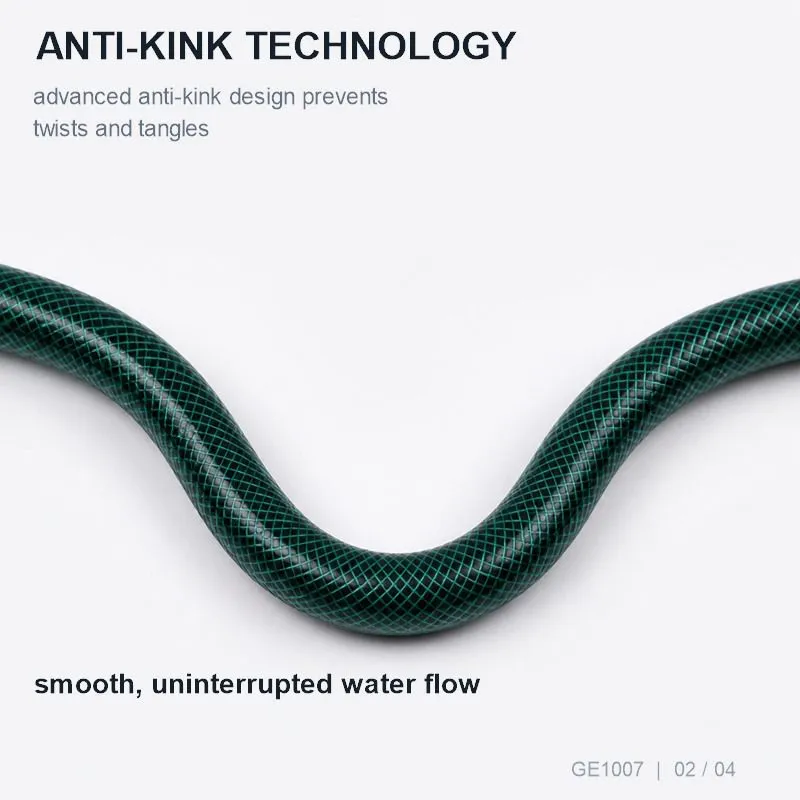
PVC hose usually fails at the coupling or at a kink point. Crimping quality decides most of that.
It can also split along the length after a hard freeze. Water expands inside the tube and the wall gives way.
Rubber hose rarely splits. It fails at the fitting, or the cover cracks after years of UV exposure and abrasion.
Rubber also delaminates if the compound is badly cured. That shows as a loose inner tube after a season.
Expandable hose fails in three ways. The inner tube bursts, the fabric sleeve abrades, or the hose stops retracting.
Latex inner tubes are more elastic and shorter-lived. TPE inner tubes last longer and retract less aggressively.
All three types fail faster when left in sun and pressure. Packaging instructions are a quality tool, not marketing.
The coupling is a fourth failure point for every type. Crimp quality matters more than the material choice above it.
Under-crimping shows as a hose that pulls out of the ferrule. Over-crimping shows as a cracked tube just behind it.
How to build a three-tier hose range
A simple range covers most buyers without internal competition.
Put a three-layer PVC hose in the entry tier. Offer 1/2 inch and 5/8 inch, fifteen and thirty metre lengths.
Put a five-layer reinforced PVC or hybrid hose in the middle tier. This is where most volume sits in garden retail.
Put a rubber hose in the top tier. Smaller volumes, better margin and a story you can tell.
Then add one expandable model as a catalogue extra. Do not build your plan around it.
Keep the same fittings and thread standard across all three tiers. It simplifies spare parts, adapters and after-sales.
Keep the same pack design language. Buyers recognise the range and staff learn it once.
Test the three tiers in one market before widening. Add sizes only where the data supports it.
Set a clear price ladder before you order. If the tiers sit too close, the middle one absorbs volume at low margin.
Match colour families and fittings across tiers. A shelf that looks like one family sells as one range.
RFQ checklist for a mixed hose order
Send this list when you request quotes across types.
Type and construction per SKU: layer count and material
Inner and outer diameter, tolerance in millimetres
Length per coil and length tolerance under pressure
Working pressure and burst pressure per type
Fitting material, ferrule type and thread standard
Weight per metre and coil weight
Retail pack format and carton dimensions
Units per carton and loading per 20ft container
MOQ per type, per size and per colour
Test reports available per type and market
Warranty terms and defect rate allowance
Sample lead time per type
Order samples of all three before you commit to a range. The shelf decision is easier with three coils on the floor.
Recently Posted
-
How Many Garden Hoses Fit in a 20ft Container
October 30, 2026How Many Garden Hoses Fit in a 20ft ContainerMost buyers estimate container loading and get it wrong by twenty percent. The error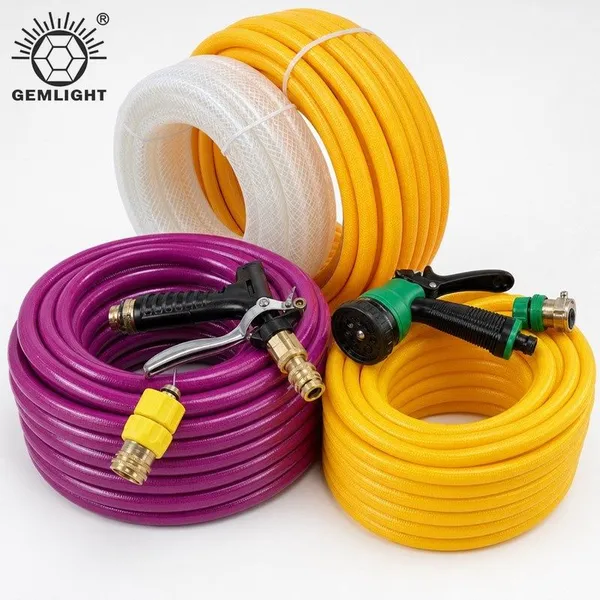 Read More
-
How Garden Hose FOB Prices Are Calculated
October 30, 2026How Garden Hose FOB Prices Are CalculatedTwo suppliers quote the same garden hose. One is eleven percent cheaper. The difference i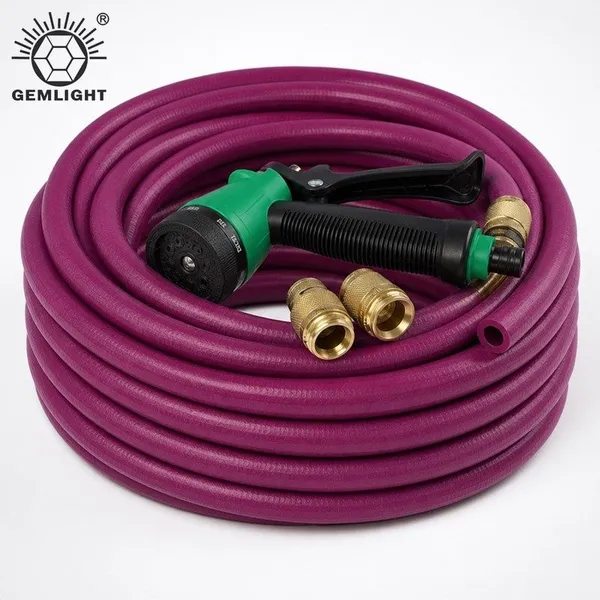 Read More
-
Private Label Garden Hose MOQ from China
October 30, 2026Private Label Garden Hose MOQ from ChinaMOQ is the first number that stops a new buyer. It usually looks arbitrary and often is no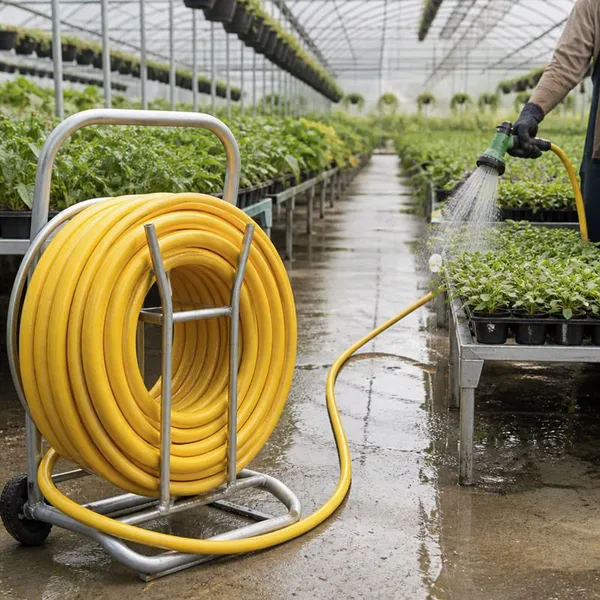 Read More
-
How to Inspect Garden Hoses Before Shipment
October 30, 2026How to Inspect Garden Hoses Before ShipmentAn inspection on the last day before loading finds problems you cannot fix. A plan buil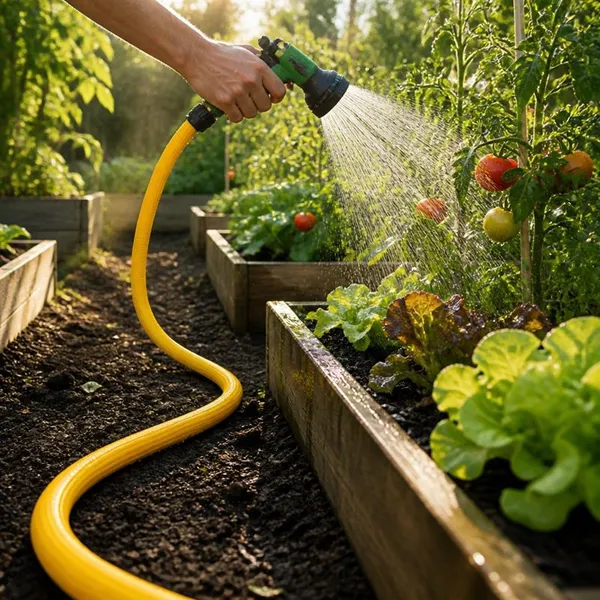 Read More

Contact Us
Recommended Products
-
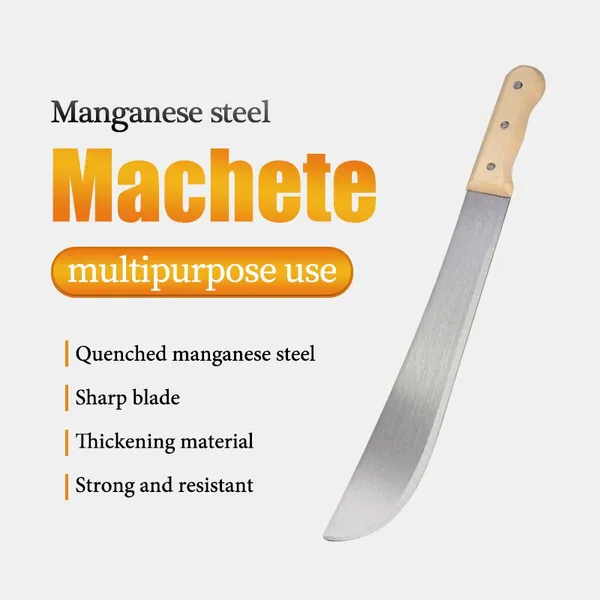
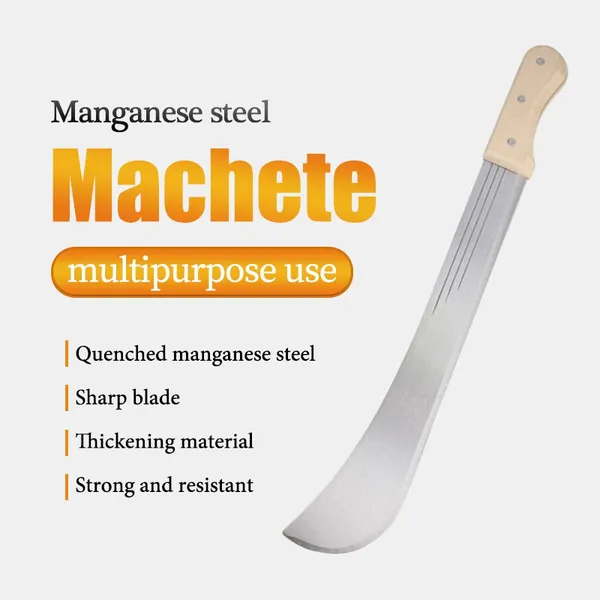
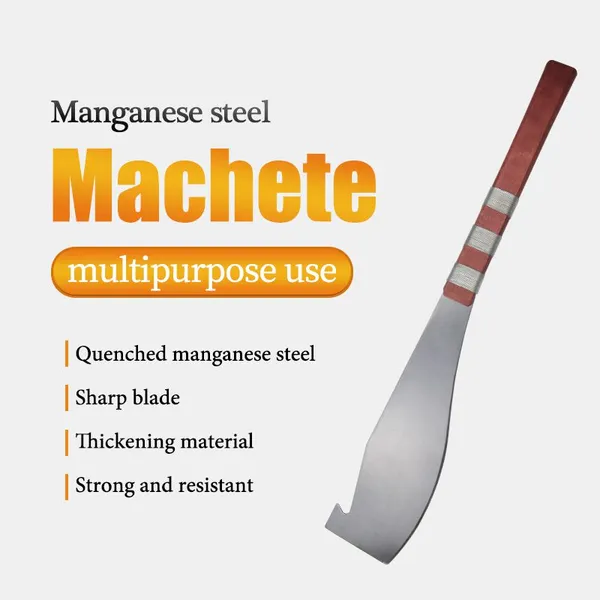
 Heavy Duty Cane Knife Machete for Wholesale Buyers Factory Direct Export for Rural Agricultural Projects Durable Hand ToolNegotiableMOQ: 1200 Pieces
-
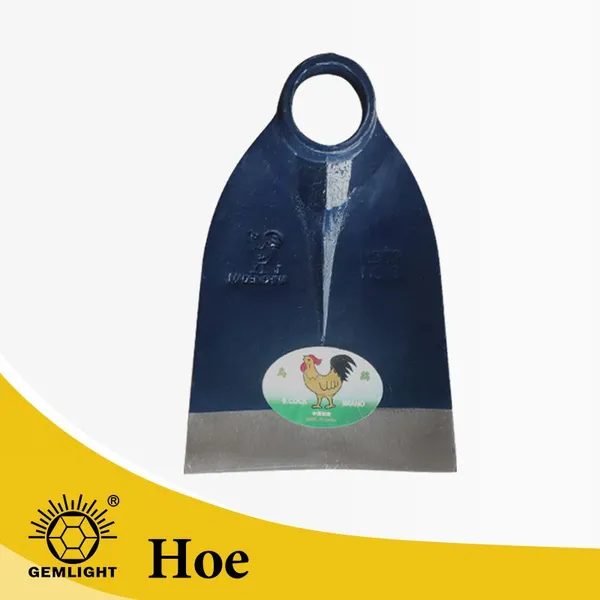
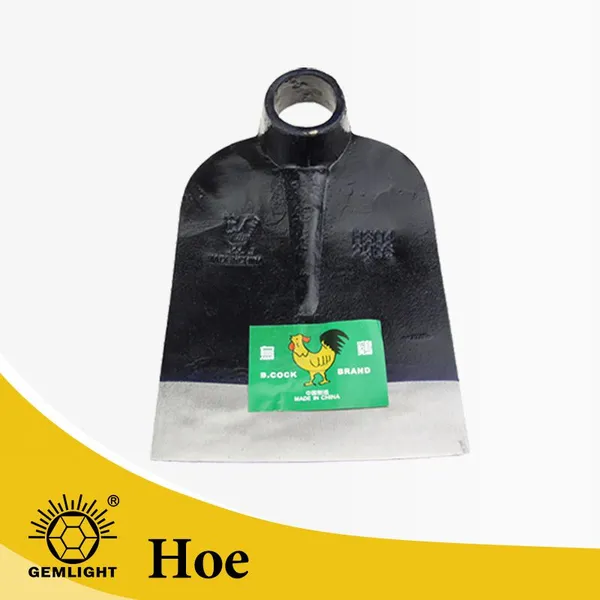
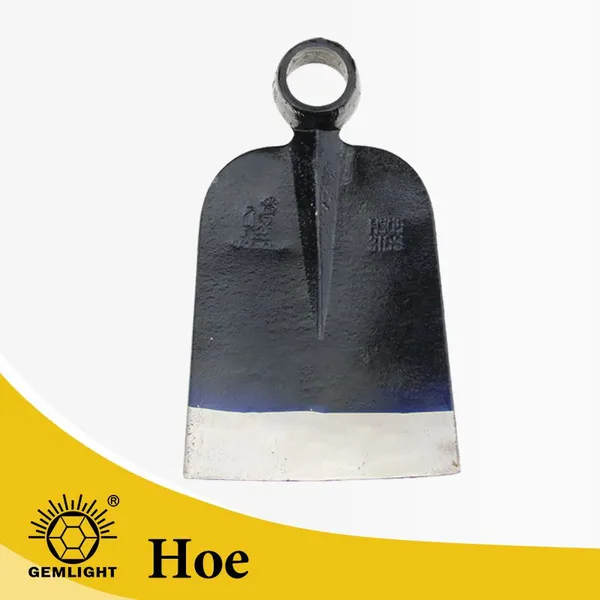
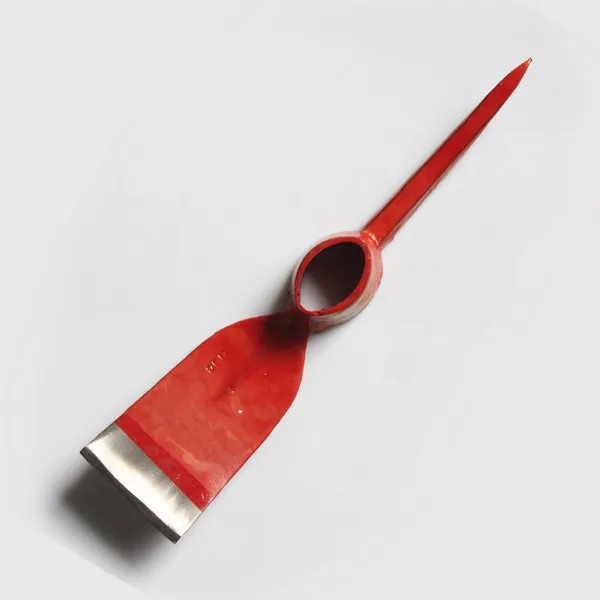
Agricultural Hoe Head Garden Rail Steel Tool for Tough Soil Cheap Price Hand ToolsUS$ 1.07 - 1.27MOQ: 1200 Pieces
-
Sturdy Rail Steel Hoe for Weeding, H305 Perfect for Agricultural and Garden TasksUS$ 1.07 - 1.27MOQ: 1200 Pieces
-
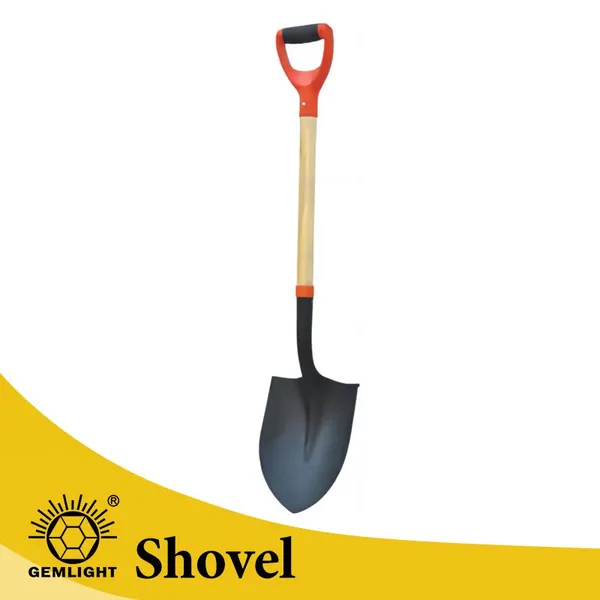
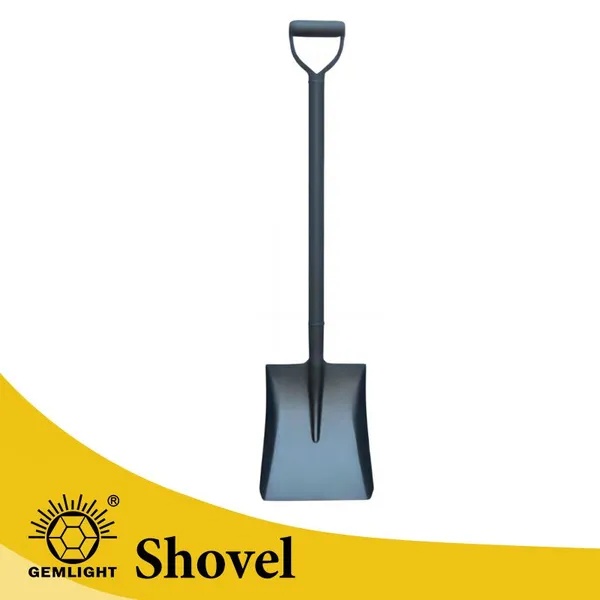
Heavy Duty Manganese Steel Garden Shovel Round Point Digging Shovel With Wooden Handle Farm Tool SupplierUS$ 2.14 - 2.36MOQ: 1200 Pieces
-
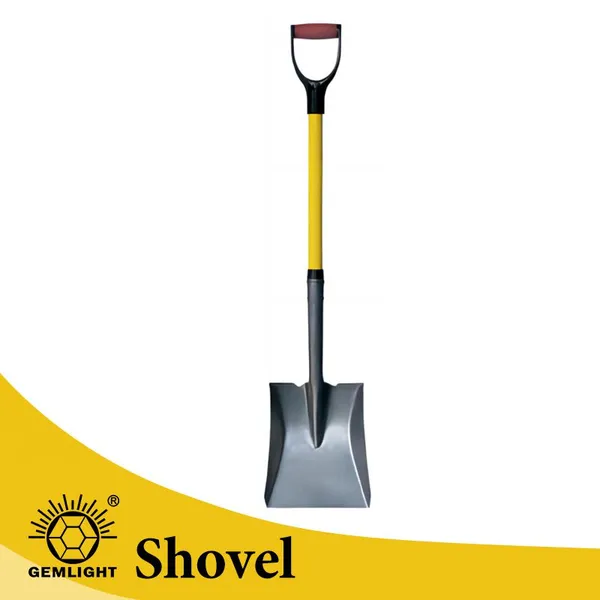
Big Shovel Wide Shovel Mud Shovel Heavy Duty Steel Blade for Farm Drainage Soil Moving Cleaning and Landscaping UseUS$ 2.14 - 2.36MOQ: 1200 Pieces
-
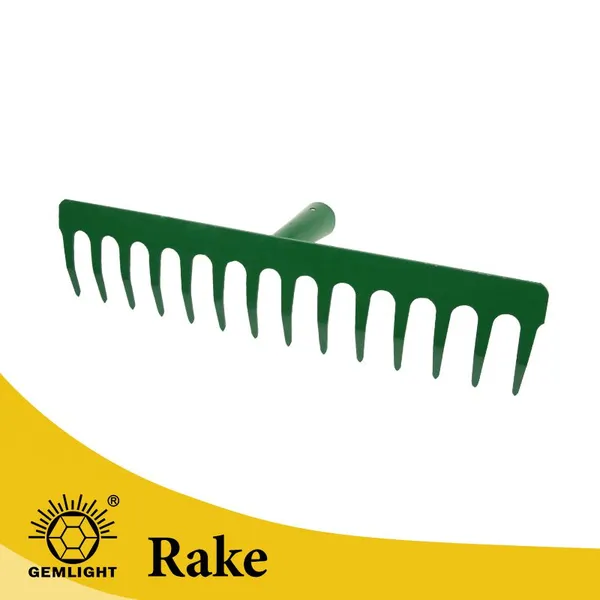
Strong Teeth Soil Rake for Farm Tool Suppliers Private Label Export for Farm Maintenance African Distribution Factory Bulk OrderUS$ 0.88 - 1.35MOQ: 2000 Pieces
-
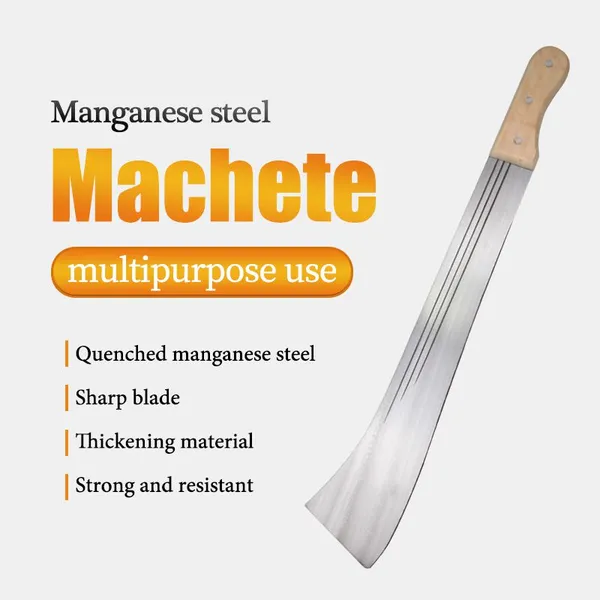
Manual Cane Knife Machete for Wholesale Buyers Factory Direct Export for Rural Agricultural Projects Durable Hand ToolNegotiableMOQ: 1200 Pieces
-
Large High Carbon Steel Machete Knife Agricultural Machete for Farming Bush Cutting Garden Tool SupplierNegotiableMOQ: 1200 Pieces
-
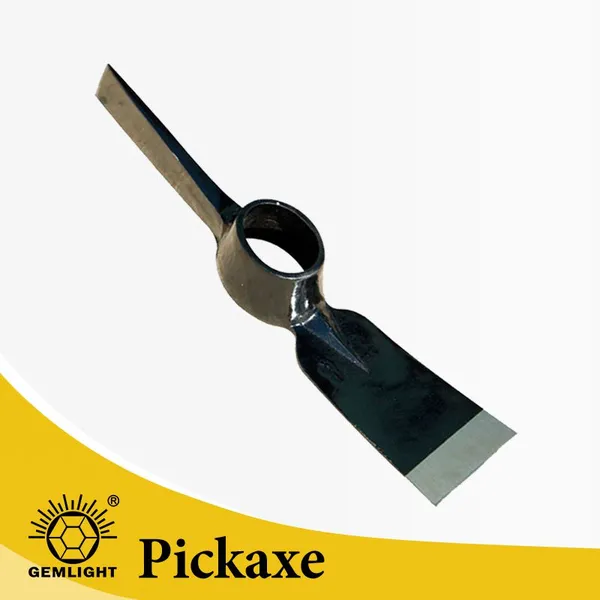
Wholesale Heavy Duty Pick Mattock for Mining Road Work and Farm Digging for Wholesale Tool Dealers With Bulk Order ServiceUS$ 1.85 - 2.3MOQ: 1200 Pieces
-
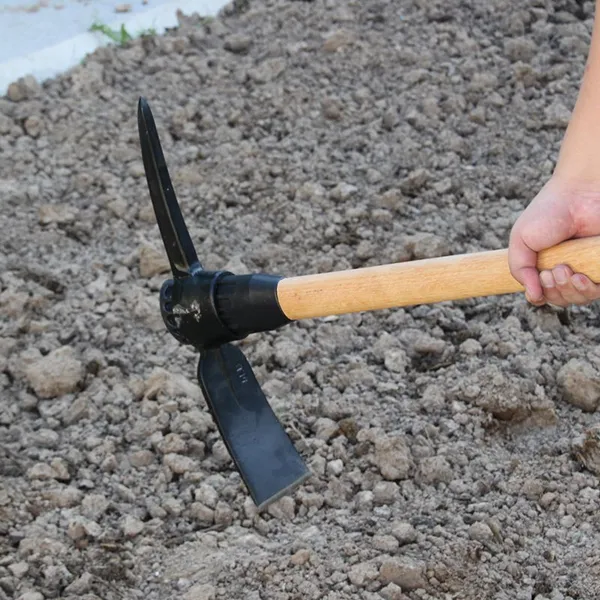
Carbon Steel Manual Pickaxe for Hard Soil Breaking and Trenching for African Importers With OEM Bulk Order Support Agricultural ToolUS$ 1.85 - 2.3MOQ: 1200 Pieces
-
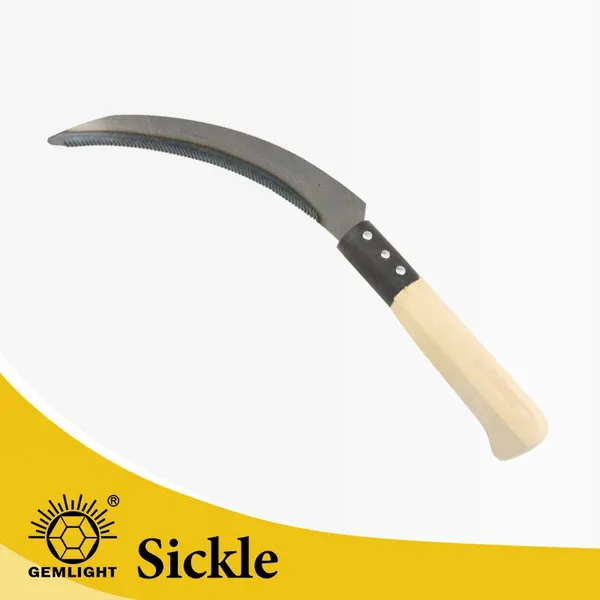
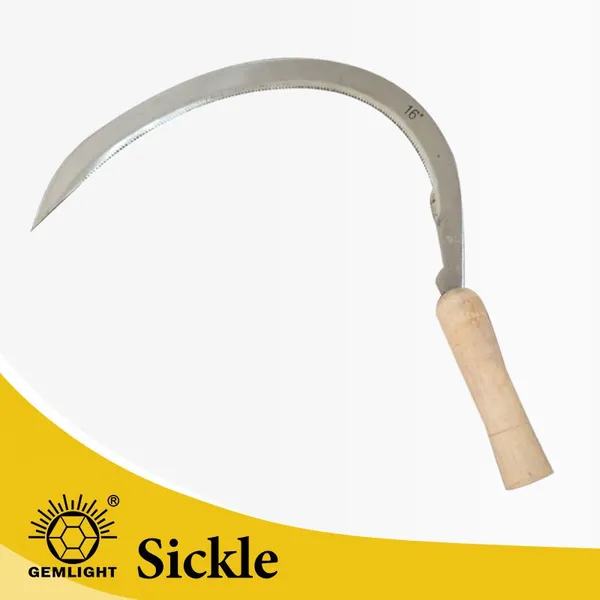
OEM Farm Sickle With Sharp Blade for African Importers OEM Bulk Order Support for Harvesting and Smallholder Farming for Wholesale BUS$ 0.28 - 0.33MOQ: 3000 Pieces
-
Heavy Duty Manganese Steel Round Point Shovel Garden Digging Shovel With Wooden Handle Agricultural Tool ManufacturerUS$ 2.14 - 2.36MOQ: 1200 Pieces
-
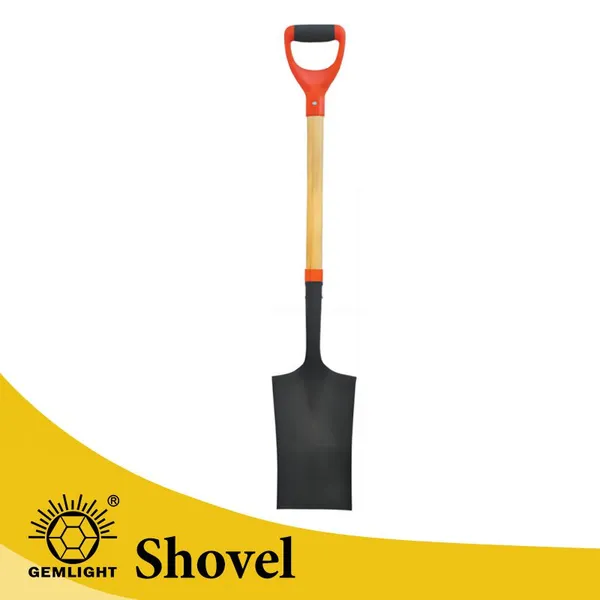
Farm Shovel Factory Supply for Regional Import Distributors Bulk Wholesale Supply for Garden Work and Trenching for Agricultural DealersUS$ 2.14 - 2.36MOQ: 1200 Pieces
-
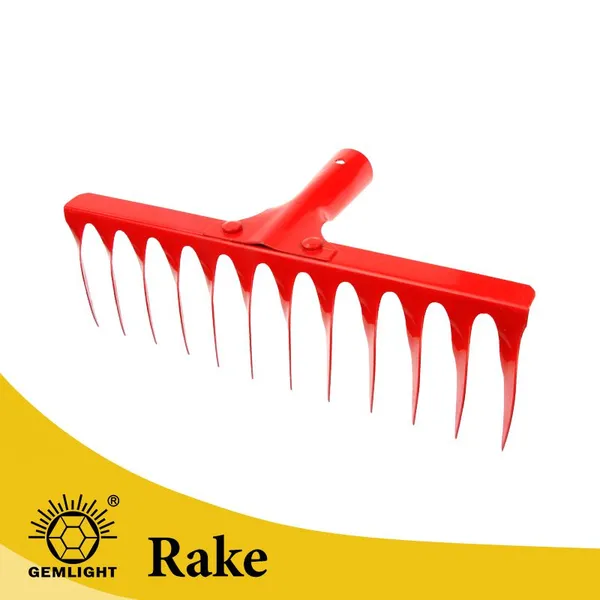
Heavy Duty Garden Rake for African Importers OEM Factory Supply for Agricultural Use African Market Factory Bulk OrderUS$ 0.88 - 1.35MOQ: 2000 Pieces
-
Agricultural Soil Rake for Agricultural Dealers Export Supply for Garden Cleaning African Dealer Channels Factory Bulk OrderUS$ 0.88 - 1.35MOQ: 2000 Pieces
-
Manual Farm Machete for African Importers OEM Factory Supply for Farming and Land Clearing Durable Hand ToolNegotiableMOQ: 1200 Pieces
-
Large Heavy Duty Carbon Steel Garden Landscaping Digging HoeUS$ 1.07 - 1.27MOQ: 1200 Pieces
-
Heavy Duty Rail Steel Mattock Pick Axe With Wooden Handle for Digging Soil Mining and Agricultural Tool SupplierUS$ 1.85 - 2.3MOQ: 1200 Pieces
-
Forged Farm Sickle With Sharp Blade for African Importers OEM Bulk Order Support for Harvesting and Smallholder Farming for WholesalUS$ 0.28 - 0.33MOQ: 3000 Pieces
-
Strong Carbon Steel Farming Sickle for Uganda Tanzania Zambia Agricultural Tool DistributorsUS$ 0.34 - 0.47MOQ: 3000 Pieces