
 Business License

Gumboot and Safety Boot Manufacturer in China: 2026 Guide
Gumboot and Safety Boot Manufacturer in China: 2026 Guide
China supplies a large share of the gumboots and safety boots sold in Europe, North America and Australia.
That makes sourcing easy and risky at the same time. There are thousands of listings and only a few hundred real factories.
This guide shows how to separate them before you pay a deposit.
What should a boot factory make and show in-house?
Start with the business licence. Ask for a clear photo of the original document, not a forwarded scan.
Read the business scope line. A boot factory lists rubber products, plastic products or footwear manufacturing.
A trading company lists sales, import and export, or supply chain management. That single line tells you plenty.
Next, ask for the production flow in order. Gumboot production runs from compound mixing to moulding, trimming, lining and packing.
Safety boot production adds cutting, upper stitching, toe cap insertion, lasting and sole injection.
Ask which steps happen inside the building. Ask which steps are outsourced, and to whom.
An honest factory answers this in one minute. A trader pauses, then sends a brochure instead.
Then ask for a live video walk, not a recorded clip. Start it at the compound store and end at the loading dock.
For gumboots, look for two machines: a mixer and an injection moulding line.
The mixer means the factory controls its own rubber or PVC formula. That controls flex, hardness and cold resistance.
Without a mixer, the factory buys ready compound. Quality then depends on a third party it cannot audit.
For safety boots, look for cutting tables, stitching lines and a sole injection machine.
Look for a toe cap press or an automatic cap inserter. Look for an in-house test bench.
A real bench has a flexing tester, a hardness gauge and a water penetration tank.
Not every factory owns one. But the good ones will show you the equipment and the last test report.
If the walk stops at a showroom, you are talking to a sales office. That is useful information too.
Which product range and certificates should it already hold?
A boot factory is usually narrow and deep. It runs one or two constructions and knows them well.
Expect a gumboot specialist to offer ankle, knee and thigh heights in two or three compounds.
Expect a safety boot specialist to offer S3, S4 and S5 on a defined set of lasts and outsoles.
Breadth is a warning sign. A catalogue with gumboots, hiking boots, dress shoes and sandals is usually a trader.
A wide range is not fraud. Many trading companies handle small mixed orders well.
But the technical answers will be thin. Ask for the wall thickness tolerance on a knee-high gumboot.
Ask which compound change improves cold flex at minus twenty. A factory answers with numbers.
Certificates follow the destination market, not the factory's ambition.
For the EU, safety boots need a type examination under PPE Regulation (EU) 2016/425, tested to EN ISO 20345.
Ask for the certificate number and the notified body name. Check that number on the EU NANDO database yourself.
For the US, buyers usually expect ASTM F2413 test reports from a recognised laboratory.
For non-safety work footwear, the reference standard is EN ISO 20347. Do not accept it as a substitute for 20345.
Then ask which markets the factory ships to most. Ask what changes between a German order and a Canadian one.
A good answer covers sizing, label language, packing format and test documentation.
What belongs in your first inquiry email?
Keep the email to one page. Attach a spec sheet or a short table.
State boot type, height, compound, toe cap material, safety class and outsole type.
Add size range, colour, logo method, packing format and target quantity.
Ask for unit price at three quantities. Ask for carton size, pairs per carton and loading quantity per 20ft container.
Ask for sample lead time, bulk lead time, FOB port and payment terms.
A serious supplier replies with a table of numbers. A weak one replies with a catalogue and a question.
Numbers let you compare five factories in one afternoon. Catalogues cost you a week.
Add one open question at the end. Ask which model gives them the fewest warranty claims.
The answer separates people who run the line from people who forward emails.
How to shortlist three factories in one week
Screen ten suppliers on documents and a live video walk. Drop anyone who fails two checks.
Shortlist three. Buy the same model from all three and pay for the samples.
Test them the same way each time: weight, hardness, flex cycles and a two-hour water test.
Measure the shaft height and sole thickness with your own tools. Photos hide small changes.
Then place a trial order of five hundred to one thousand pairs.
Write the agreed specification into the purchase order, including compound, safety class and packing.
Keep one approved sample sealed, dated and signed by both sides. It settles most disputes later.
RFQ checklist for your first contact
Copy this list into your email and ask for each item in writing.
Factory name, address and business licence number
Boot types and the steps produced in-house
Compound options: PVC, natural rubber, EVA, PU
Height range and available mould sizes
Safety class and standard claimed, with certificate number
Toe cap material and impact rating
Outsole compound and slip resistance marking
Lining and insulation options
Pairs per carton, carton size and loading quantity per 20ft
MOQ per model, per colour and per size run
Sample lead time and bulk lead time
FOB port, payment terms and inspection policy
With these answers in hand, you can compare factories on facts instead of on presentation.
Recently Posted
-
Boot Lining Guide for Cold and Hot Climate Markets
November 5, 2026Boot Lining Guide for Cold and Hot Climate MarketsLining is the part of the boot nobody photographs and everybody feels.It decides Read More
-
Gumboot Size Chart: EU, UK and US Conversion
November 5, 2026Gumboot Size Chart: EU, UK and US ConversionSize is the cheapest thing to fix and the most expensive thing to get wrong.A return c Read More
-
Boot Outsole Guide: Nitrile, PU and Rubber Compared
November 5, 2026Boot Outsole Guide: Nitrile, PU and Rubber ComparedThe upper sells the boot. The outsole decides whether the customer buys again.M
Read More -
Steel Toe vs Composite Toe Boots: Which to Import
November 5, 2026Steel Toe vs Composite Toe Boots: Which to ImportBoth caps pass the same impact test. Both protect at 200 joules. The difference i Read More

Contact Us
Recommended Products
-
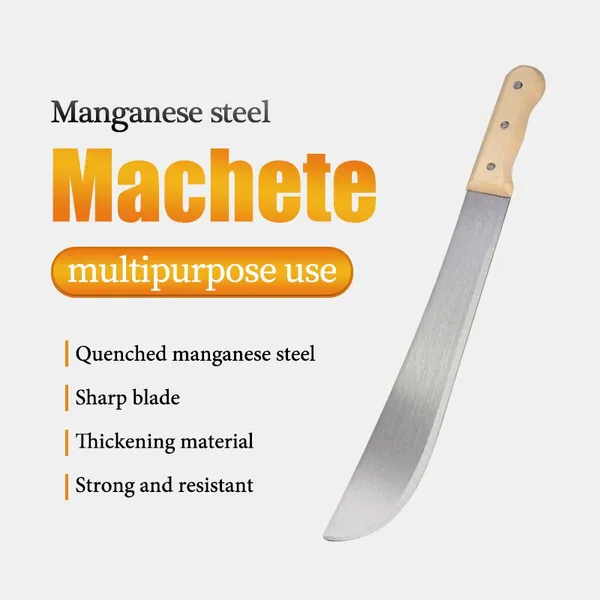
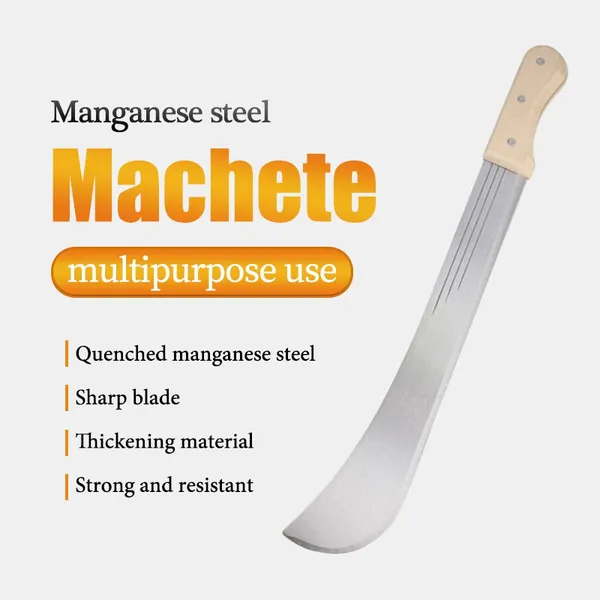
 Heavy Duty Cane Knife Machete for Wholesale Buyers Factory Direct Export for Rural Agricultural Projects Durable Hand ToolNegotiableMOQ: 1200 Pieces
-
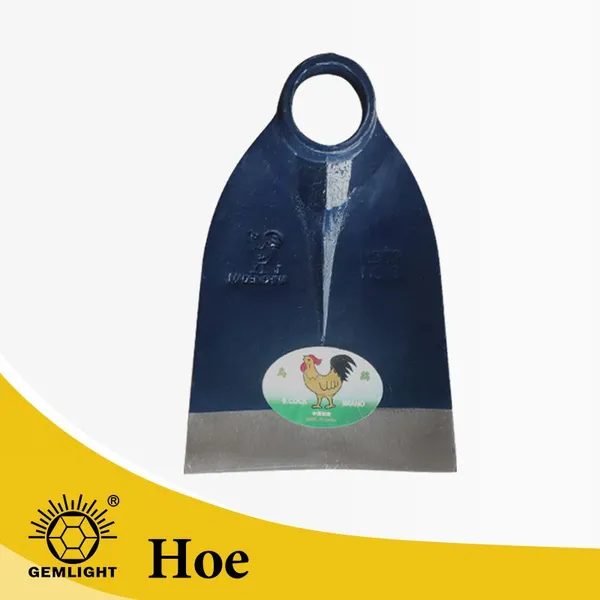
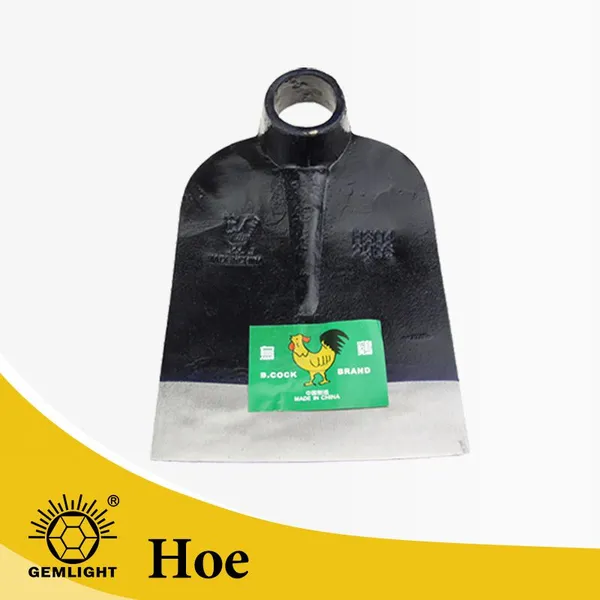
Agricultural Hoe Head Garden Rail Steel Tool for Tough Soil Cheap Price Hand ToolsUS$ 1.07 - 1.27MOQ: 1200 Pieces
-
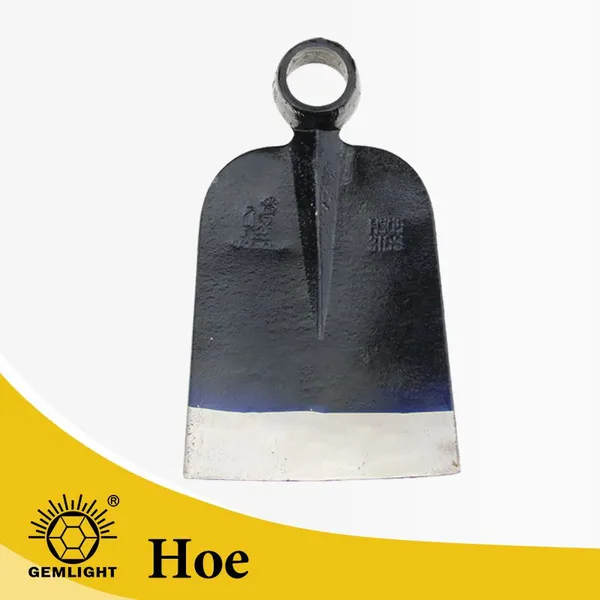
Sturdy Rail Steel Hoe for Weeding, H305 Perfect for Agricultural and Garden TasksUS$ 1.07 - 1.27MOQ: 1200 Pieces
-
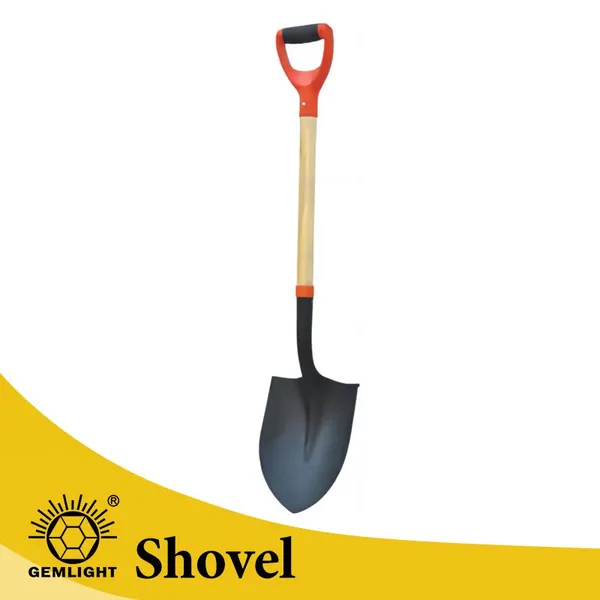
Heavy Duty Manganese Steel Garden Shovel Round Point Digging Shovel With Wooden Handle Farm Tool SupplierUS$ 2.14 - 2.36MOQ: 1200 Pieces
-
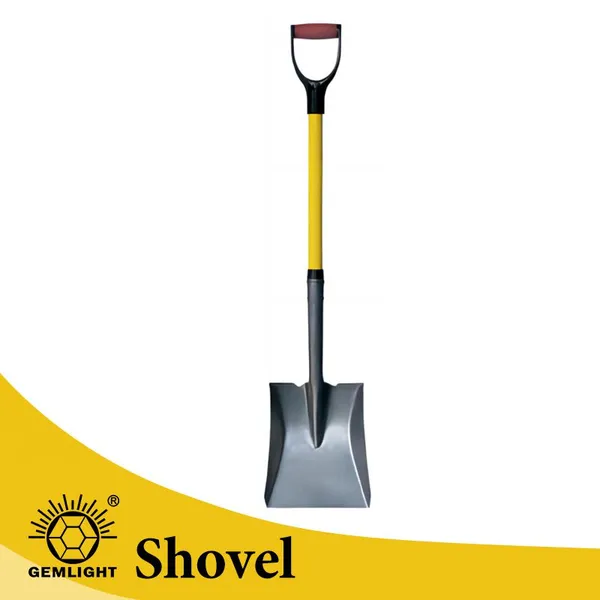
Big Shovel Wide Shovel Mud Shovel Heavy Duty Steel Blade for Farm Drainage Soil Moving Cleaning and Landscaping UseUS$ 2.14 - 2.36MOQ: 1200 Pieces
-
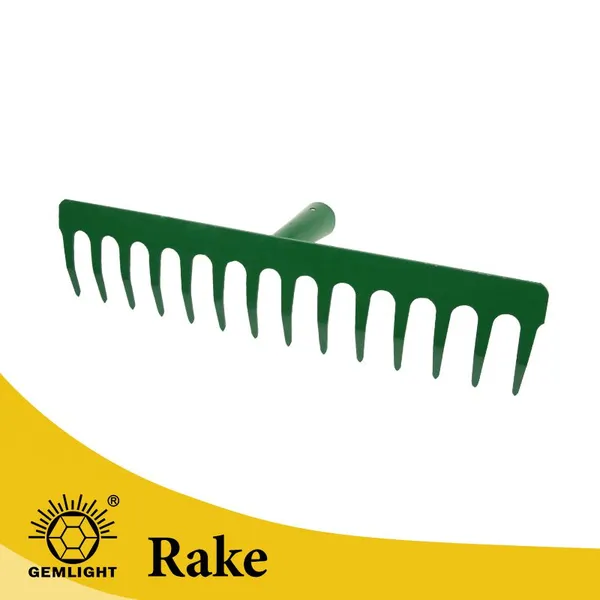
Strong Teeth Soil Rake for Farm Tool Suppliers Private Label Export for Farm Maintenance African Distribution Factory Bulk OrderUS$ 0.88 - 1.35MOQ: 2000 Pieces
-
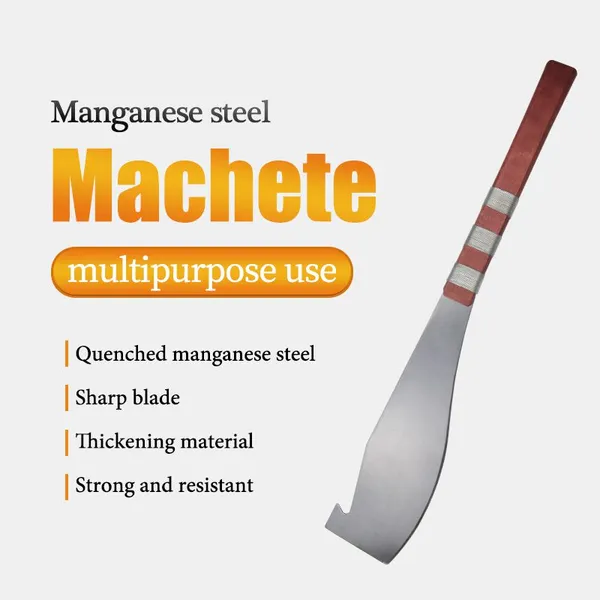
Manual Cane Knife Machete for Wholesale Buyers Factory Direct Export for Rural Agricultural Projects Durable Hand ToolNegotiableMOQ: 1200 Pieces
-
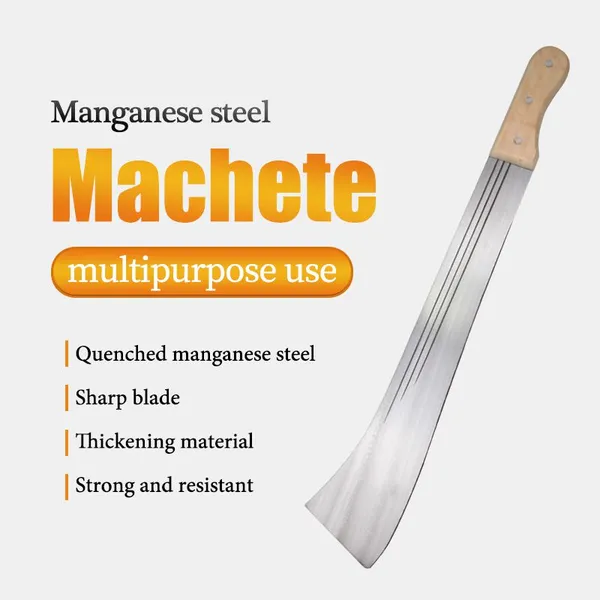
Large High Carbon Steel Machete Knife Agricultural Machete for Farming Bush Cutting Garden Tool SupplierNegotiableMOQ: 1200 Pieces
-
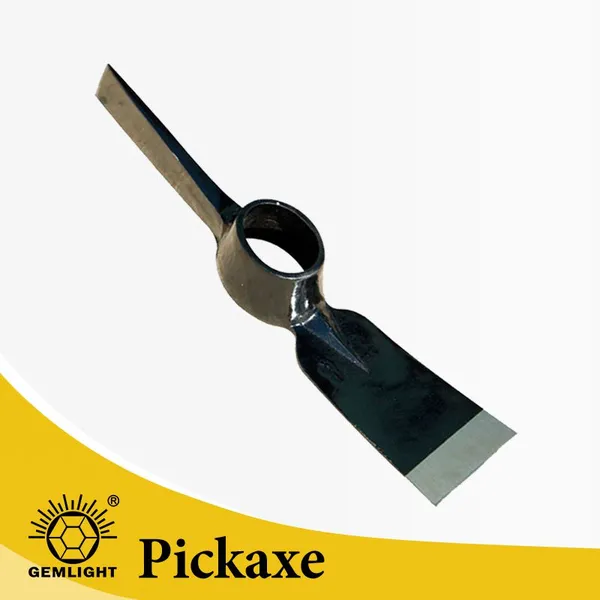
Wholesale Heavy Duty Pick Mattock for Mining Road Work and Farm Digging for Wholesale Tool Dealers With Bulk Order ServiceUS$ 1.85 - 2.3MOQ: 1200 Pieces
-
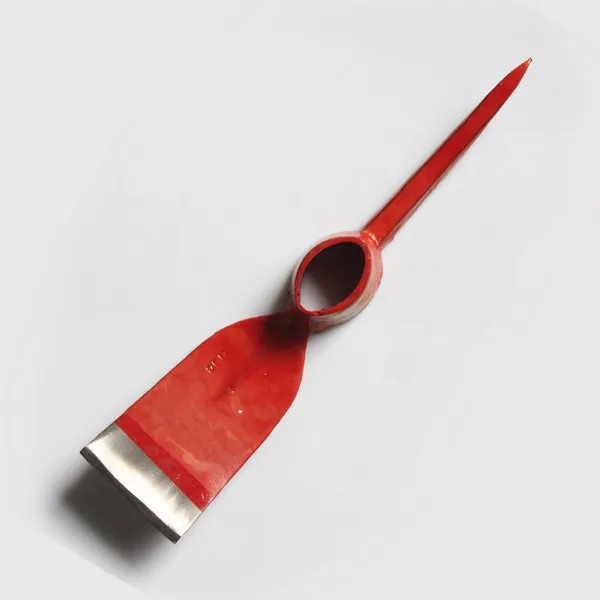
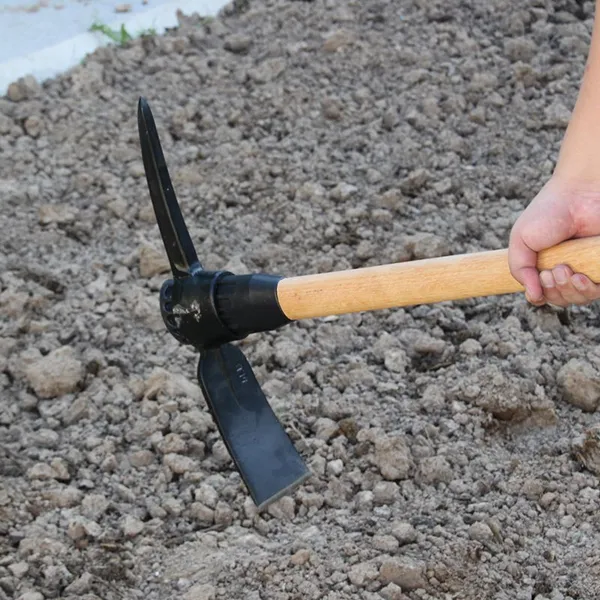
Carbon Steel Manual Pickaxe for Hard Soil Breaking and Trenching for African Importers With OEM Bulk Order Support Agricultural ToolUS$ 1.85 - 2.3MOQ: 1200 Pieces
-
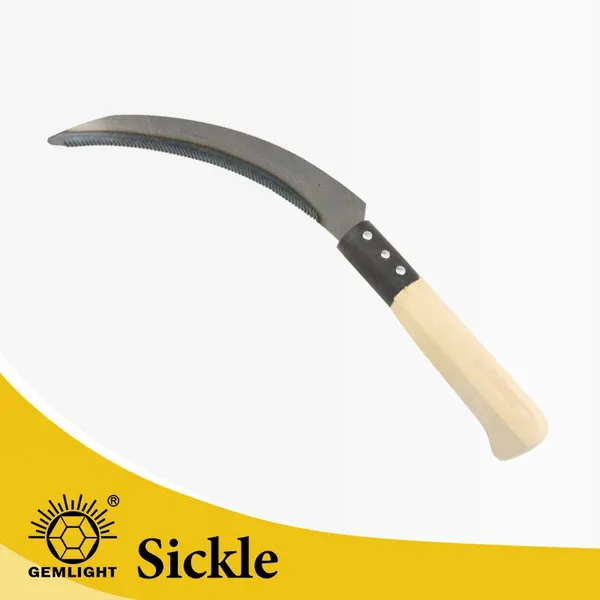
OEM Farm Sickle With Sharp Blade for African Importers OEM Bulk Order Support for Harvesting and Smallholder Farming for Wholesale BUS$ 0.28 - 0.33MOQ: 3000 Pieces
-
Heavy Duty Manganese Steel Round Point Shovel Garden Digging Shovel With Wooden Handle Agricultural Tool ManufacturerUS$ 2.14 - 2.36MOQ: 1200 Pieces
-
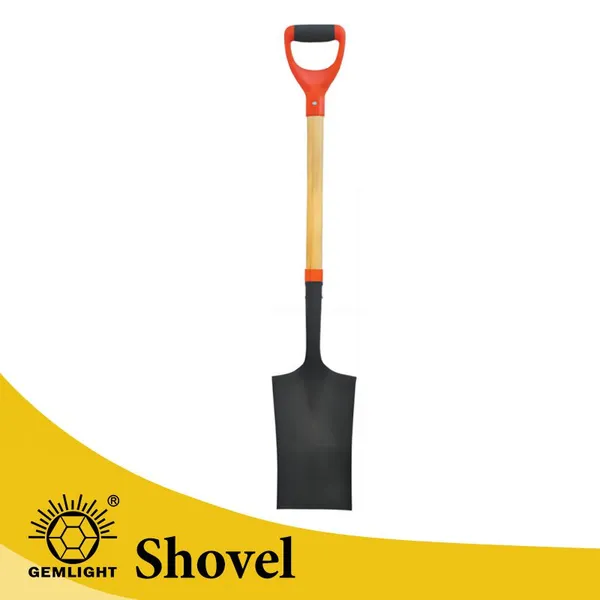
Farm Shovel Factory Supply for Regional Import Distributors Bulk Wholesale Supply for Garden Work and Trenching for Agricultural DealersUS$ 2.14 - 2.36MOQ: 1200 Pieces
-
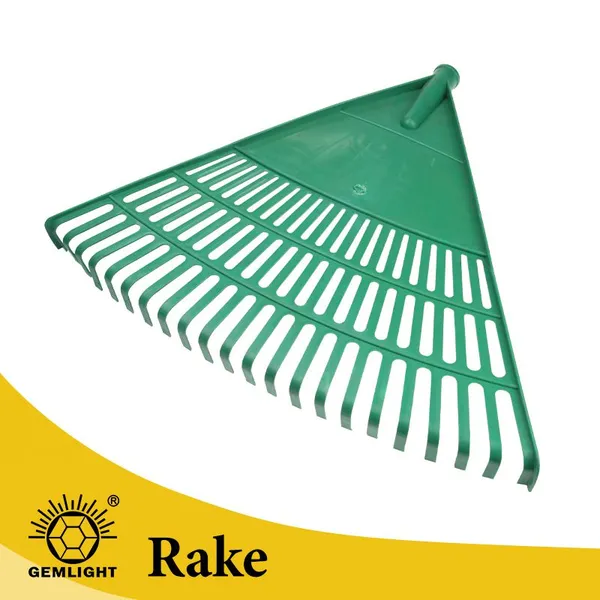
Heavy Duty Garden Rake for African Importers OEM Factory Supply for Agricultural Use African Market Factory Bulk OrderUS$ 0.88 - 1.35MOQ: 2000 Pieces
-
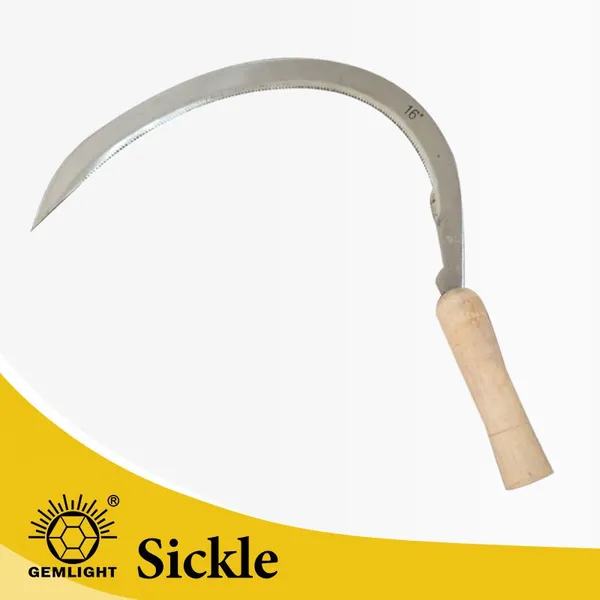
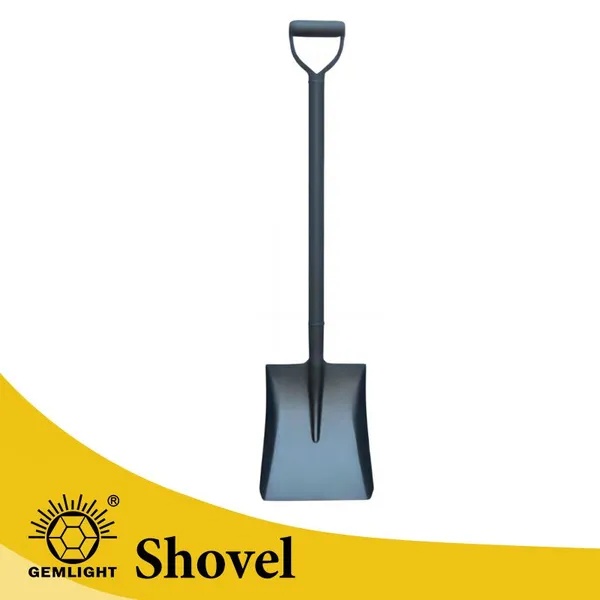
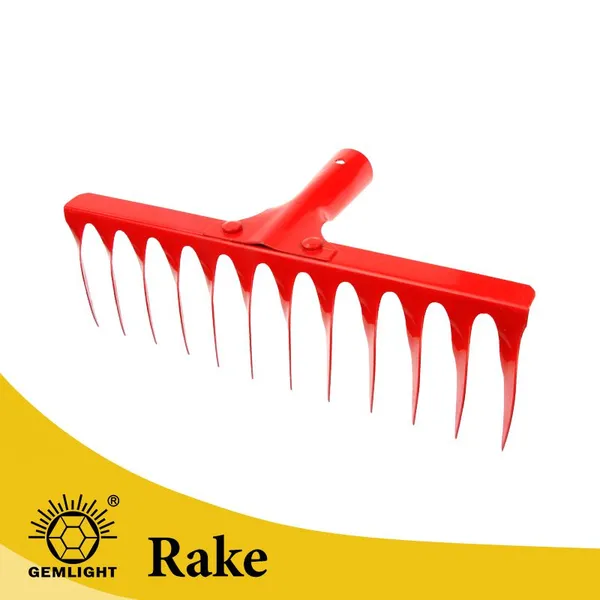
Agricultural Soil Rake for Agricultural Dealers Export Supply for Garden Cleaning African Dealer Channels Factory Bulk OrderUS$ 0.88 - 1.35MOQ: 2000 Pieces
-
Manual Farm Machete for African Importers OEM Factory Supply for Farming and Land Clearing Durable Hand ToolNegotiableMOQ: 1200 Pieces
-
Large Heavy Duty Carbon Steel Garden Landscaping Digging HoeUS$ 1.07 - 1.27MOQ: 1200 Pieces
-
Heavy Duty Rail Steel Mattock Pick Axe With Wooden Handle for Digging Soil Mining and Agricultural Tool SupplierUS$ 1.85 - 2.3MOQ: 1200 Pieces
-
Forged Farm Sickle With Sharp Blade for African Importers OEM Bulk Order Support for Harvesting and Smallholder Farming for WholesalUS$ 0.28 - 0.33MOQ: 3000 Pieces
-
Strong Carbon Steel Farming Sickle for Uganda Tanzania Zambia Agricultural Tool DistributorsUS$ 0.34 - 0.47MOQ: 3000 Pieces