
 Business License

EN ISO 20345 Explained: What a Safety Boot Must Pass
EN ISO 20345 Explained: What a Safety Boot Must Pass
EN ISO 20345 is the standard behind almost every safety boot sold in Europe.
Buyers quote it in tenders. Auditors ask for the certificate. Sales teams repeat the class letters without knowing what they mean.
This guide explains what the standard actually requires, and what the 2022 edition changed.
What does the 200 joule toe cap test prove?
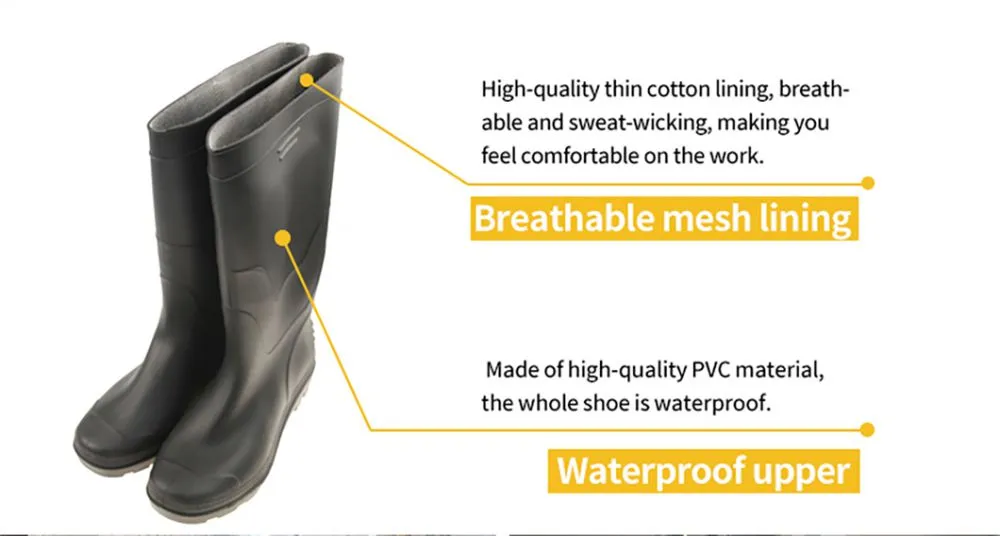
The toe cap must survive an impact of 200 joules. That is roughly the energy of a 20 kg weight dropped one metre.
The cap is also compressed to 15 kilonewtons. Both tests happen in a laboratory, on a machine.
The pass mark is not just "no crack". The cap must keep a minimum clearance above the test foot.
That clearance is what protects toes from crushing. A cap that deforms inward fails, even if it stays whole.
200 joules is a fixed energy. It does not scale with boot size or with the weight of the wearer.
Compression is applied with a flat plate, not a falling weight. It mimics a rolling load, such as a pallet corner.
The cap is tested as a component and again inside the finished boot.
Steel, aluminium and composite caps can all pass. The test measures performance, not material.
So a lighter cap is not automatically a weaker cap. The report settles it.
A cap certificate alone is still not enough. Ask for the certificate for the finished model.
Which requirements are basic, and which are extra?
Basic requirements apply to every boot marked as safety footwear, even class SB.
Basic covers the toe cap, sole performance, innocuousness, ergonomics and marking.
Sole performance includes thickness, tear strength and abrasion resistance in defined zones.
Innocuousness means materials must not irritate skin or release harmful substances above set limits.
Ergonomics covers fit and the way the boot flexes under the foot.
The class letters only add to this set. No class removes a basic requirement.
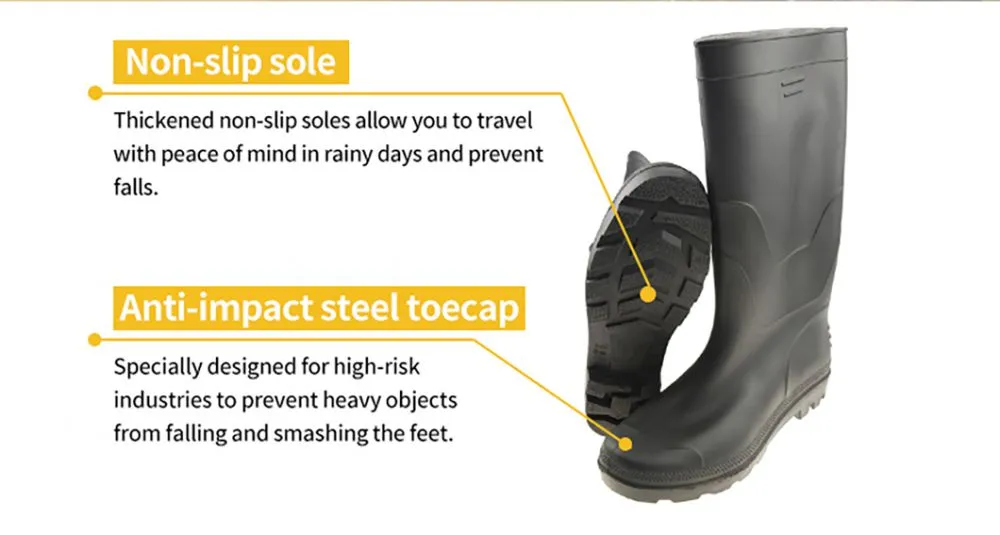
Slip resistance is now part of the basic set. Every certified safety boot has passed a slip test.
Everything else is an additional requirement, added by class or by a separate marking.
Antistatic behaviour is A. Heel energy absorption is E. Fuel oil resistance is FO.
Heat resistance of the outsole is HRO. Cold insulation is CI, and heat insulation is HI.
Water penetration and absorption of the upper is WPA. Water resistance of the whole boot is WR.
Scuff cap abrasion is SC. Ladder grip is LG. Metatarsal protection is M, ankle protection is AN.
Cut resistance is CR. Each letter is a separate claim, tested separately.
What changed in the 2022 edition?
Six changes matter most to buyers and factories.
First, slip resistance became basic. The old SRA, SRB and SRC markings disappeared from new certificates.
Second, an extra SR mark now means the boot passed an additional slip test beyond the basic one.
Third, penetration inserts split into three markings. The metal version is P, tested with a 4.5 mm nail.
PL is non-metal, also tested with a 4.5 mm nail. PS is non-metal, tested with a thinner 3.0 mm nail.
Fourth, WRU became WPA, and two new classes appeared. S6 is S2 plus full water resistance.
S7 is S3 plus full water resistance. Both target boots that face standing water, not splashes.
Fifth, SC and LG were added as new optional requirements.
Sixth, FO is no longer automatic inside S1 to S5. It is now a separate marking you must ask for.
The 2011 certificates ran through a transition period that ended in November 2024.
Check the edition on the boot and on the certificate before you print artwork.
Ask the factory which edition their current certificate covers. The answer changes your label text.
Which markings must appear on the boot?
The marking is part of the standard, not a marketing choice.
Look for the standard number and year: EN ISO 20345:2022. A boot marked 2011 is certified to the old edition.
Look for the class, such as S3 or S5, and the additional letters your order requires.
Look for the size, the manufacturer's identification and the production date.
Look for the CE mark. Most safety footwear sits in PPE category II, which needs an EU type-examination certificate.
Read the certificate number and check the notified body on the EU NANDO database.
The model code on the certificate must match the model code on the box and the boot.
Mismatches are the most common reason a shipment is questioned at the border.
Each pair must also ship with instructions in the language of the market. That is a legal duty.
The leaflet should repeat the class, the markings and the limits of protection.
Compliance checklist for your next order
Send this list to the factory and keep the answers with the purchase order.
Standard edition claimed, with year
Class and all additional markings
EU type-examination certificate number
Notified body name and four-digit number
Laboratory that issued the test report
Test report date and model code covered
Toe cap supplier and impact rating
Penetration insert type: P, PL, PS or none
Slip test result and whether SR applies
FO, HRO, CI or WR claimed separately
Marking position on the boot and on the box
Certificate validity date
One certificate, one model code, one marking line. When those three agree, the paperwork holds up.
Recently Posted
-
Container Loading for Shovels: How Many Fit in a 20ft and 40ft
November 16, 2026Container Loading for Shovels: How Many Fit in a 20ft and 40ft"How many shovels fit in a container" sounds like a simple Read More
-
How Shovel Prices Are Calculated: Steel, Handle, Coating and Labour
November 16, 2026How Shovel Prices Are Calculated: Steel, Handle, Coating and LabourA shovel quotation usually arrives as one number per piece. It Read More
-
Shovel Eye and Handle Tolerance: How to Avoid Loose or Cracked Fittings
November 16, 2026Shovel Eye and Handle Tolerance: How to Avoid Loose or Cracked FittingsA head that wobbles in month three is rarely a steel proble Read More
-
D-Grip, T-Handle or Long Handle: Choosing Shovel Handles by Market
November 16, 2026D-Grip, T-Handle or Long Handle: Choosing Shovel Handles by MarketThe head sells the first order. The handle decides whether the c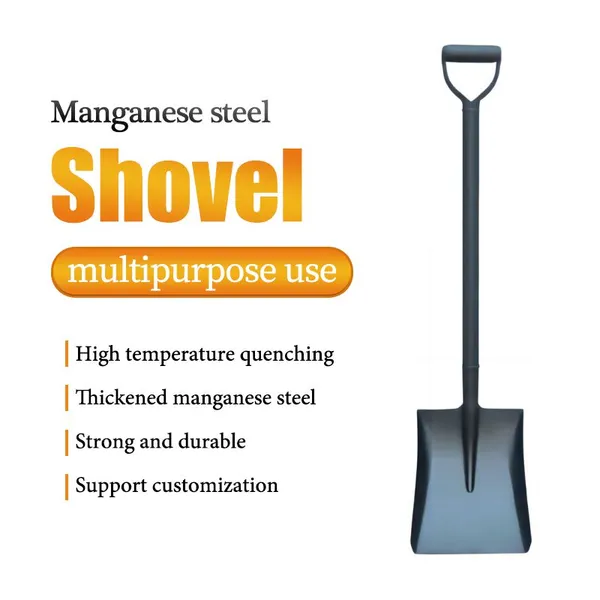 Read More

Contact Us
Recommended Products
-
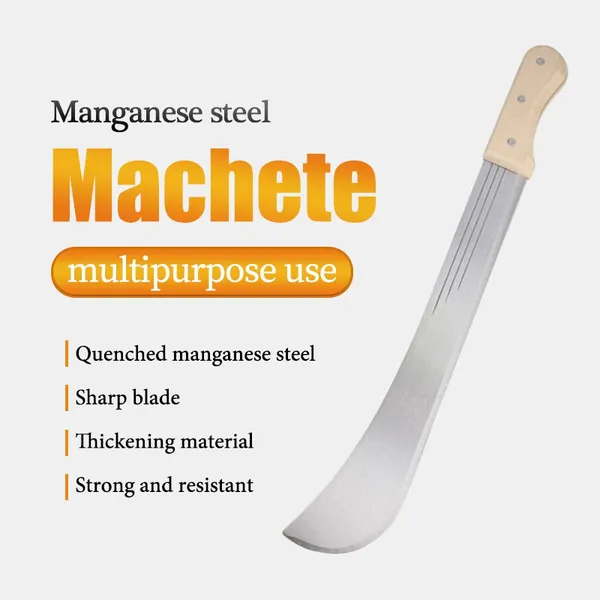
 Heavy Duty Cane Knife Machete for Wholesale Buyers Factory Direct Export for Rural Agricultural Projects Durable Hand ToolNegotiableMOQ: 1200 Pieces
-
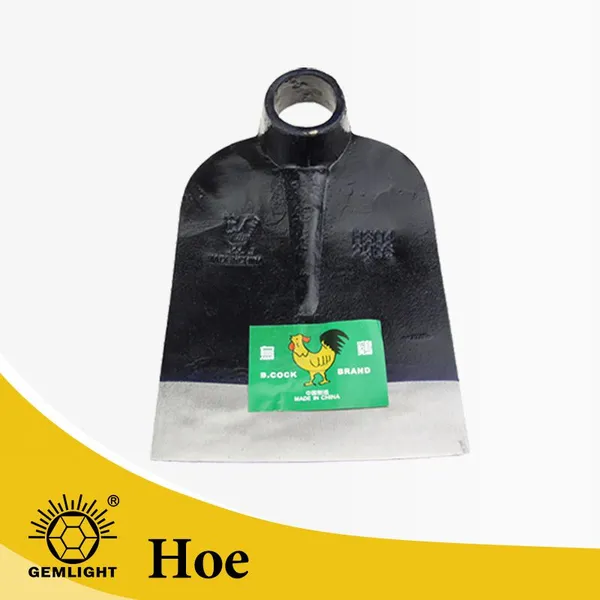
Agricultural Hoe Head Garden Rail Steel Tool for Tough Soil Cheap Price Hand ToolsUS$ 1.07 - 1.27MOQ: 1200 Pieces
-
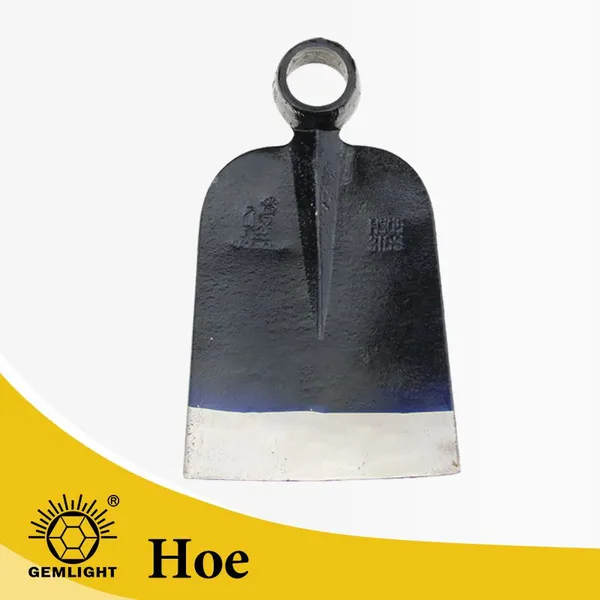
Sturdy Rail Steel Hoe for Weeding, H305 Perfect for Agricultural and Garden TasksUS$ 1.07 - 1.27MOQ: 1200 Pieces
-
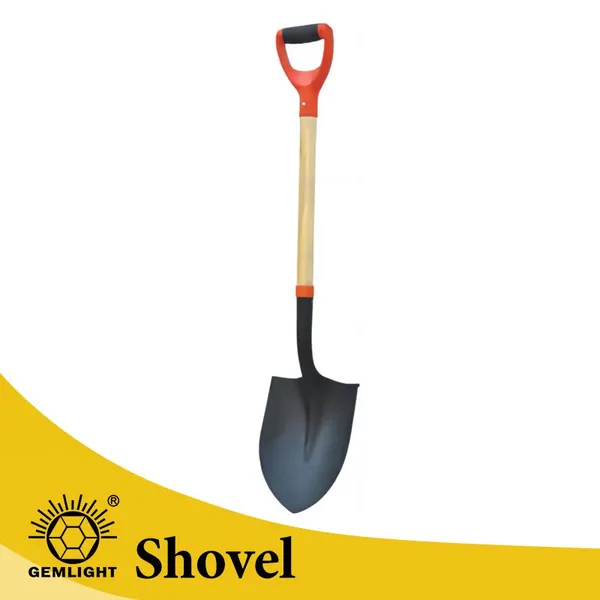
Heavy Duty Manganese Steel Garden Shovel Round Point Digging Shovel With Wooden Handle Farm Tool SupplierUS$ 2.14 - 2.36MOQ: 1200 Pieces
-
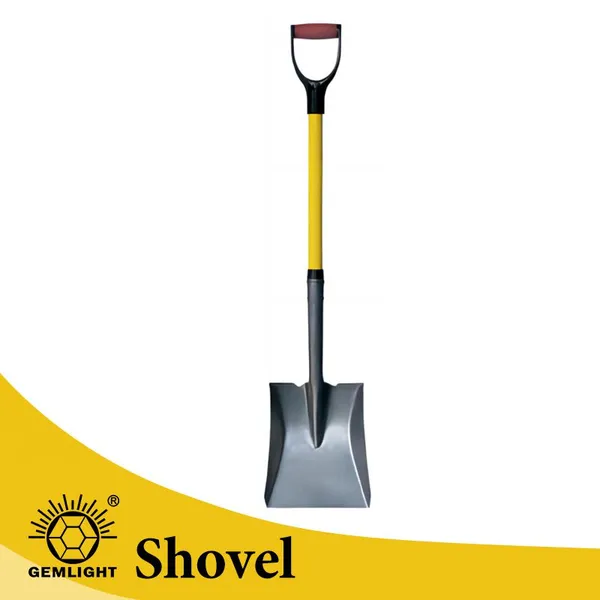
Big Shovel Wide Shovel Mud Shovel Heavy Duty Steel Blade for Farm Drainage Soil Moving Cleaning and Landscaping UseUS$ 2.14 - 2.36MOQ: 1200 Pieces
-
Strong Teeth Soil Rake for Farm Tool Suppliers Private Label Export for Farm Maintenance African Distribution Factory Bulk OrderUS$ 0.88 - 1.35MOQ: 2000 Pieces
-
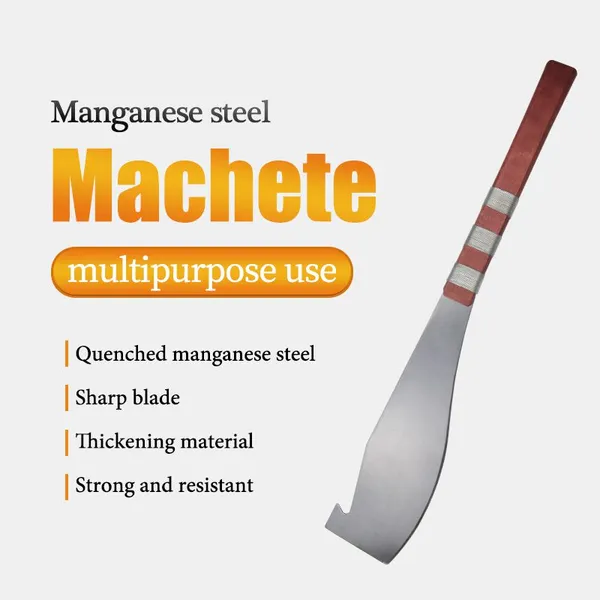
Manual Cane Knife Machete for Wholesale Buyers Factory Direct Export for Rural Agricultural Projects Durable Hand ToolNegotiableMOQ: 1200 Pieces
-
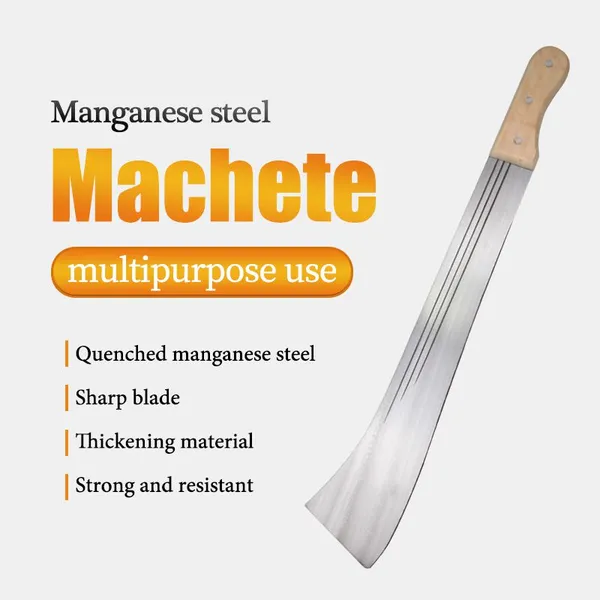
Large High Carbon Steel Machete Knife Agricultural Machete for Farming Bush Cutting Garden Tool SupplierNegotiableMOQ: 1200 Pieces
-
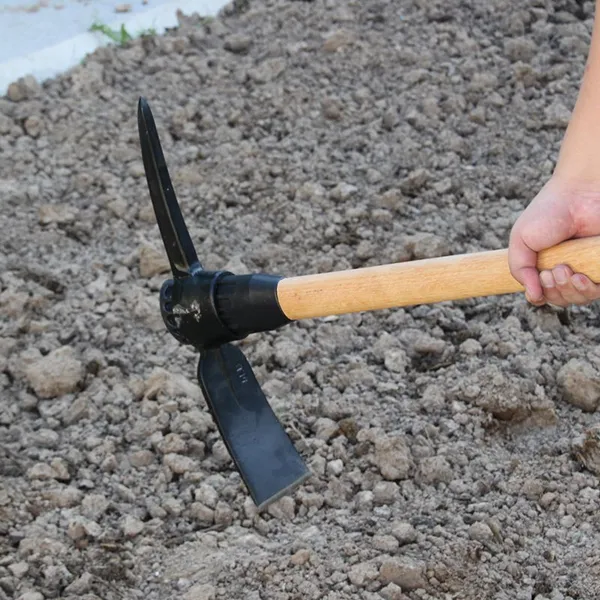
Wholesale Heavy Duty Pick Mattock for Mining Road Work and Farm Digging for Wholesale Tool Dealers With Bulk Order ServiceUS$ 1.85 - 2.3MOQ: 1200 Pieces
-
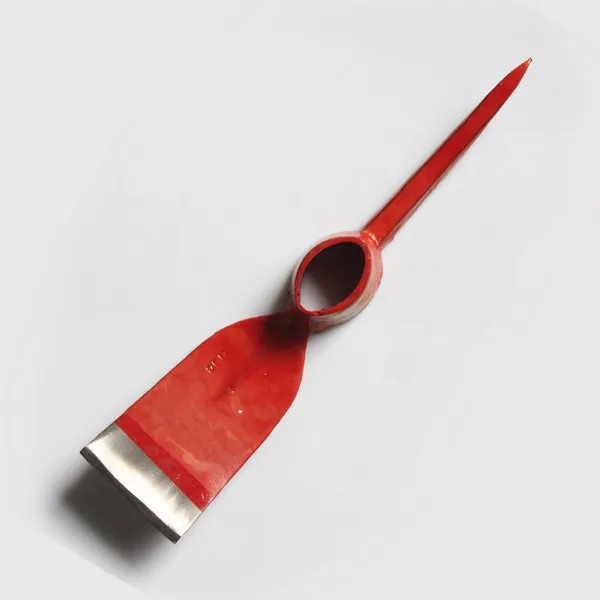
Carbon Steel Manual Pickaxe for Hard Soil Breaking and Trenching for African Importers With OEM Bulk Order Support Agricultural ToolUS$ 1.85 - 2.3MOQ: 1200 Pieces

-
OEM Farm Sickle With Sharp Blade for African Importers OEM Bulk Order Support for Harvesting and Smallholder Farming for Wholesale BUS$ 0.28 - 0.33MOQ: 3000 Pieces
-
Heavy Duty Manganese Steel Round Point Shovel Garden Digging Shovel With Wooden Handle Agricultural Tool ManufacturerUS$ 2.14 - 2.36MOQ: 1200 Pieces
-
Farm Shovel Factory Supply for Regional Import Distributors Bulk Wholesale Supply for Garden Work and Trenching for Agricultural DealersUS$ 2.14 - 2.36MOQ: 1200 Pieces
-
Heavy Duty Garden Rake for African Importers OEM Factory Supply for Agricultural Use African Market Factory Bulk OrderUS$ 0.88 - 1.35MOQ: 2000 Pieces
-
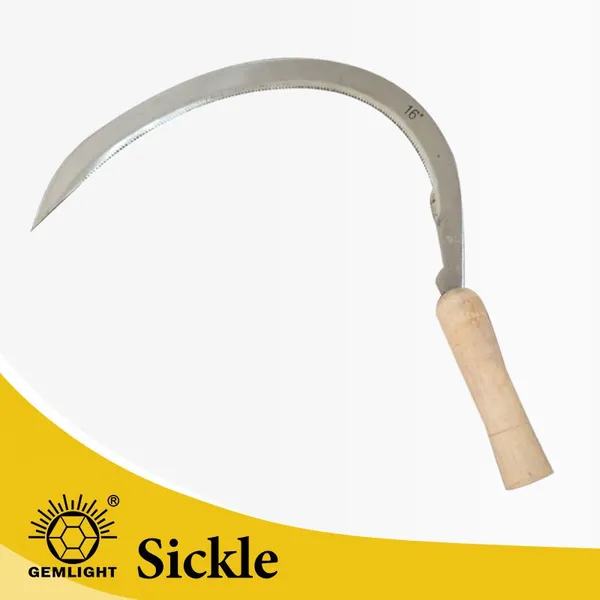
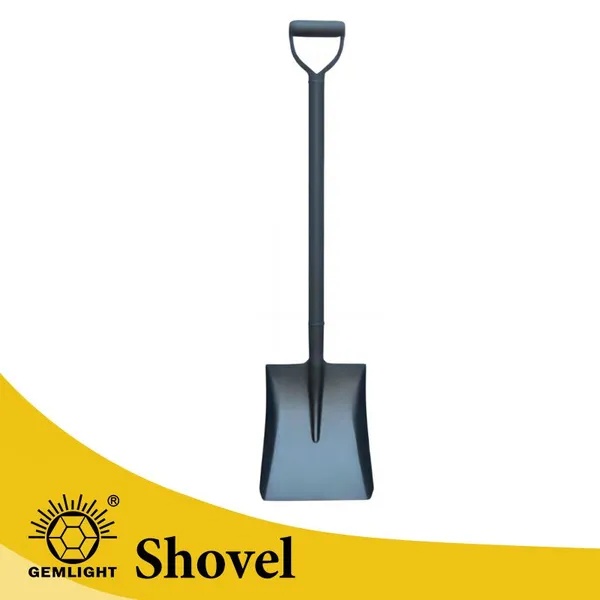
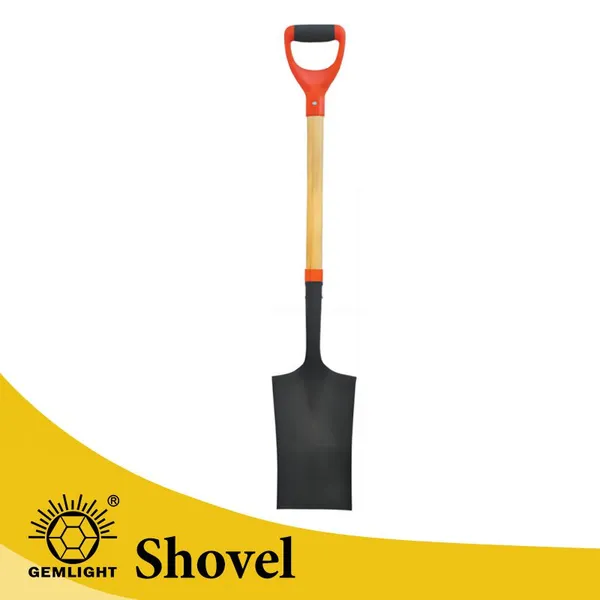
Agricultural Soil Rake for Agricultural Dealers Export Supply for Garden Cleaning African Dealer Channels Factory Bulk OrderUS$ 0.88 - 1.35MOQ: 2000 Pieces
-
Manual Farm Machete for African Importers OEM Factory Supply for Farming and Land Clearing Durable Hand ToolNegotiableMOQ: 1200 Pieces
-
Large Heavy Duty Carbon Steel Garden Landscaping Digging HoeUS$ 1.07 - 1.27MOQ: 1200 Pieces
-
Heavy Duty Rail Steel Mattock Pick Axe With Wooden Handle for Digging Soil Mining and Agricultural Tool SupplierUS$ 1.85 - 2.3MOQ: 1200 Pieces
-
Forged Farm Sickle With Sharp Blade for African Importers OEM Bulk Order Support for Harvesting and Smallholder Farming for WholesalUS$ 0.28 - 0.33MOQ: 3000 Pieces
-
Strong Carbon Steel Farming Sickle for Uganda Tanzania Zambia Agricultural Tool DistributorsUS$ 0.34 - 0.47MOQ: 3000 Pieces