
 Business License

EN ISO 20345 vs ASTM F2413: EU vs US Boot Rules
EN ISO 20345 vs ASTM F2413: EU vs US Boot Rules
Europe and the United States protect feet with different paperwork and different numbers.
Both systems drop a weight on a toe cap. Both publish a marking line. Neither accepts the other's certificate.
Both systems answer the same question: what must a toe cap survive?
If you sell into both markets, you need to know where the rules part company.
How do the two standards test impact and compression?
EN ISO 20345 sets impact at 200 joules. That is about 147 foot-pounds of energy.
ASTM F2413 sets the common men's level at 75 foot-pounds, which is roughly 102 joules.
So the European impact figure is higher on paper. The striker shape and pass criteria also differ.
ASTM reaches its figure with a different striker mass and drop height. The energy is the comparable part.
Both standards test the cap inside a finished boot, not only as a loose component.
Neither standard tests your workplace. Both test a repeatable worst case.
Compression splits the same way. Europe requires 15 kilonewtons, about 3,370 pounds of force.
ASTM requires 2,500 pounds for the men's level. That is roughly 11 kilonewtons.
ASTM also publishes a lower women's level, at 50 foot-pounds and 1,750 pounds.
Europe does not split by gender. One class applies to every size in the range.
The clearance measured under the cap after the test is defined separately in each standard.
That is why a report from one system cannot be read as proof for the other.
What does CE marking under the PPE Regulation require?
Safety footwear is personal protective equipment. In the EU it falls under Regulation (EU) 2016/425.
Most safety boots sit in PPE category II. Category II needs an EU type-examination certificate.
A notified body issues that certificate after testing a sample to EN ISO 20345.
The manufacturer then runs production conformity, usually module C2 with periodic checks.
The CE mark goes on the boot, together with the notified body number where the module requires it.
You also need an EU declaration of conformity, signed by the manufacturer or the authorised representative.
A technical file must be kept for ten years. It includes drawings, test reports and the risk assessment.
Your importer in the EU carries duties too. They must hold the declaration and check the marking.
The declaration is a short document. It names the model, the standard and the signatory.
Certificates are tied to a design, not to a building. A new sole pattern means a new assessment.
If you own the design, ask for the certificate in your brand's name.
Which test reports does a US buyer expect?
ASTM F2413 is a specification. ASTM F2412 holds the test methods behind it.
US buyers usually ask for a report from a recognised laboratory, issued against F2412 and F2413.
There is no mandatory third-party certification scheme like the EU type examination. The label carries the claim.
Read the label line carefully. I/75 C/75 means impact and compression at the men's level.
Mt/75 adds metatarsal protection. EH means electrical hazard, and SD means static dissipative.
PR means puncture resistant. Cd means conductive. Each is a separate, tested claim.
OSHA requires protective footwear where feet are at risk. In practice that means footwear meeting ASTM F2413.
Some buyers also ask for CSA Z195 for Canada. That is a third system, with its own markings.
US buyers check the label on the boot as well as the report. The two must match exactly.
Reports age in a buyer's file. Ask for a current one rather than the copy from last year.
Can one boot carry both certifications?
Yes, and many factories build dual-certified models for global brands.
The same physical boot often passes both tests. The higher European impact usually covers the US level.
What changes is the paperwork, the marking and sometimes the outsole compound.
A slightly thinner sole or a different cap grade can tip one test over the line in one system only.
Dual certification costs money. You pay for two test programmes and two document sets.
It also slows development. A change to the toe cap or the sole means retesting both.
Plan the size range before you test. Reports usually cover a size band, not every size.
Keep model codes identical across both certificates. Auditors compare them with the carton.
Dual-certified models usually cost a little more. The premium buys market access, not comfort.
Ask the laboratory whether one programme can cover both. Sometimes it can, with two reports.
Budget any retest as part of the design change, not as a surprise three months later.
If you sell private label, decide early who owns the certificate: the factory or your brand.
Market entry checklist for EU and US orders
Send this list to the factory before you confirm the order.
Destination market per shipment
Standard claimed: EN ISO 20345 or ASTM F2413
Standard edition and year
Class or ASTM marking line
EU type-examination certificate number
Notified body name and number
EU declaration of conformity on file
ASTM test report with laboratory name and date
Model code on both documents
Sizes covered by each report
Marking position on boot, box and leaflet
Language of the information leaflet
Storage location for each document
Two markets, two document sets, one physical boot. Build it that way and neither border argues with you.
Recently Posted
-
Container Loading for Shovels: How Many Fit in a 20ft and 40ft
November 16, 2026Container Loading for Shovels: How Many Fit in a 20ft and 40ft"How many shovels fit in a container" sounds like a simple Read More
-
How Shovel Prices Are Calculated: Steel, Handle, Coating and Labour
November 16, 2026How Shovel Prices Are Calculated: Steel, Handle, Coating and LabourA shovel quotation usually arrives as one number per piece. It Read More
-
Shovel Eye and Handle Tolerance: How to Avoid Loose or Cracked Fittings
November 16, 2026Shovel Eye and Handle Tolerance: How to Avoid Loose or Cracked FittingsA head that wobbles in month three is rarely a steel proble Read More
-
D-Grip, T-Handle or Long Handle: Choosing Shovel Handles by Market
November 16, 2026D-Grip, T-Handle or Long Handle: Choosing Shovel Handles by MarketThe head sells the first order. The handle decides whether the c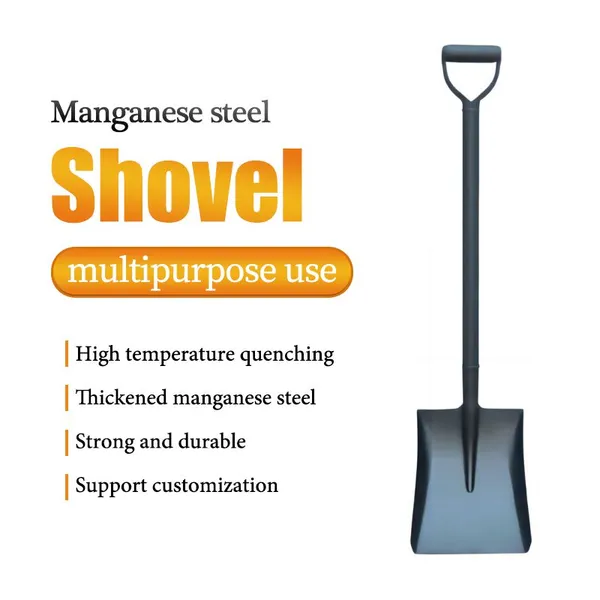 Read More

Contact Us
Recommended Products
-
 Heavy Duty Cane Knife Machete for Wholesale Buyers Factory Direct Export for Rural Agricultural Projects Durable Hand ToolNegotiableMOQ: 1200 Pieces
-
Agricultural Hoe Head Garden Rail Steel Tool for Tough Soil Cheap Price Hand ToolsUS$ 1.07 - 1.27MOQ: 1200 Pieces
-
Sturdy Rail Steel Hoe for Weeding, H305 Perfect for Agricultural and Garden TasksUS$ 1.07 - 1.27MOQ: 1200 Pieces
-
Heavy Duty Manganese Steel Garden Shovel Round Point Digging Shovel With Wooden Handle Farm Tool SupplierUS$ 2.14 - 2.36MOQ: 1200 Pieces
-
Big Shovel Wide Shovel Mud Shovel Heavy Duty Steel Blade for Farm Drainage Soil Moving Cleaning and Landscaping UseUS$ 2.14 - 2.36MOQ: 1200 Pieces
-
Strong Teeth Soil Rake for Farm Tool Suppliers Private Label Export for Farm Maintenance African Distribution Factory Bulk OrderUS$ 0.88 - 1.35MOQ: 2000 Pieces
-
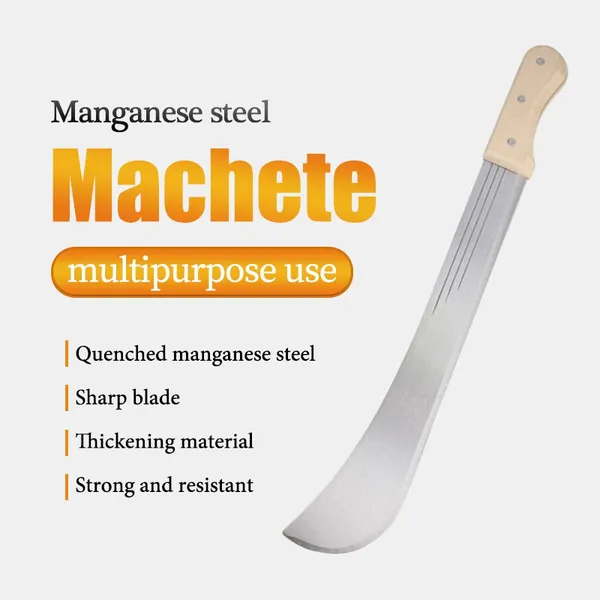
Manual Cane Knife Machete for Wholesale Buyers Factory Direct Export for Rural Agricultural Projects Durable Hand ToolNegotiableMOQ: 1200 Pieces
-
Large High Carbon Steel Machete Knife Agricultural Machete for Farming Bush Cutting Garden Tool SupplierNegotiableMOQ: 1200 Pieces
-
Wholesale Heavy Duty Pick Mattock for Mining Road Work and Farm Digging for Wholesale Tool Dealers With Bulk Order ServiceUS$ 1.85 - 2.3MOQ: 1200 Pieces
-
Carbon Steel Manual Pickaxe for Hard Soil Breaking and Trenching for African Importers With OEM Bulk Order Support Agricultural ToolUS$ 1.85 - 2.3MOQ: 1200 Pieces
-
OEM Farm Sickle With Sharp Blade for African Importers OEM Bulk Order Support for Harvesting and Smallholder Farming for Wholesale BUS$ 0.28 - 0.33MOQ: 3000 Pieces
-
Heavy Duty Manganese Steel Round Point Shovel Garden Digging Shovel With Wooden Handle Agricultural Tool ManufacturerUS$ 2.14 - 2.36MOQ: 1200 Pieces
-
Farm Shovel Factory Supply for Regional Import Distributors Bulk Wholesale Supply for Garden Work and Trenching for Agricultural DealersUS$ 2.14 - 2.36MOQ: 1200 Pieces
-
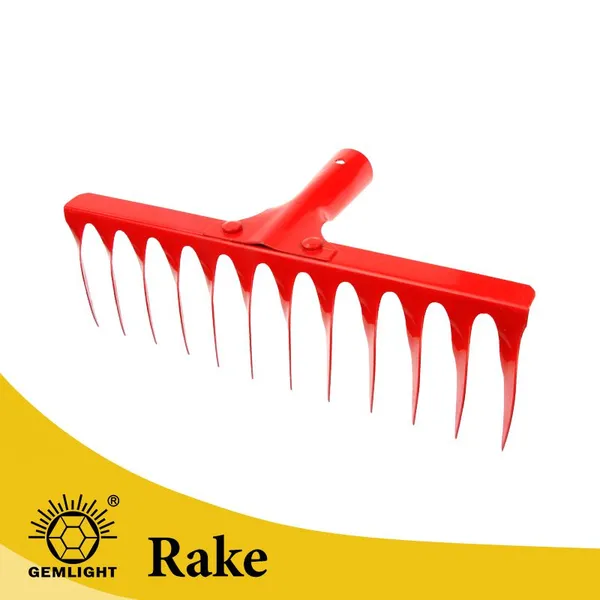
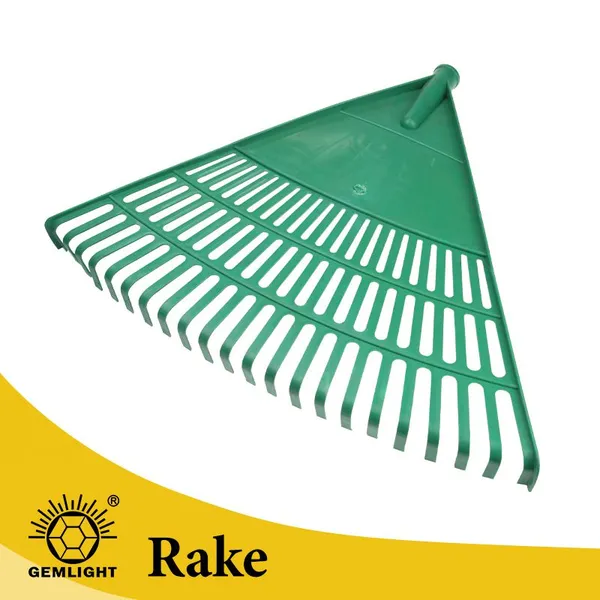
Heavy Duty Garden Rake for African Importers OEM Factory Supply for Agricultural Use African Market Factory Bulk OrderUS$ 0.88 - 1.35MOQ: 2000 Pieces
-
Agricultural Soil Rake for Agricultural Dealers Export Supply for Garden Cleaning African Dealer Channels Factory Bulk OrderUS$ 0.88 - 1.35MOQ: 2000 Pieces
-
Manual Farm Machete for African Importers OEM Factory Supply for Farming and Land Clearing Durable Hand ToolNegotiableMOQ: 1200 Pieces
-
Large Heavy Duty Carbon Steel Garden Landscaping Digging HoeUS$ 1.07 - 1.27MOQ: 1200 Pieces
-
Heavy Duty Rail Steel Mattock Pick Axe With Wooden Handle for Digging Soil Mining and Agricultural Tool SupplierUS$ 1.85 - 2.3MOQ: 1200 Pieces
-
Forged Farm Sickle With Sharp Blade for African Importers OEM Bulk Order Support for Harvesting and Smallholder Farming for WholesalUS$ 0.28 - 0.33MOQ: 3000 Pieces
-
Strong Carbon Steel Farming Sickle for Uganda Tanzania Zambia Agricultural Tool DistributorsUS$ 0.34 - 0.47MOQ: 3000 Pieces