
 Business License

Why PVC Gumboots Crack in Cold Weather: 5 Causes
Why PVC Gumboots Crack in Cold Weather: 5 Causes
A cracked PVC boot is rarely a random failure. Something in the compound, the mould or the warehouse caused it.
Buyers usually see the crack first. The cause started months earlier.
Here are the five causes we check first, in the order that usually finds the answer.
The causes overlap. A cheap compound in a hot warehouse fails twice as fast as either alone.
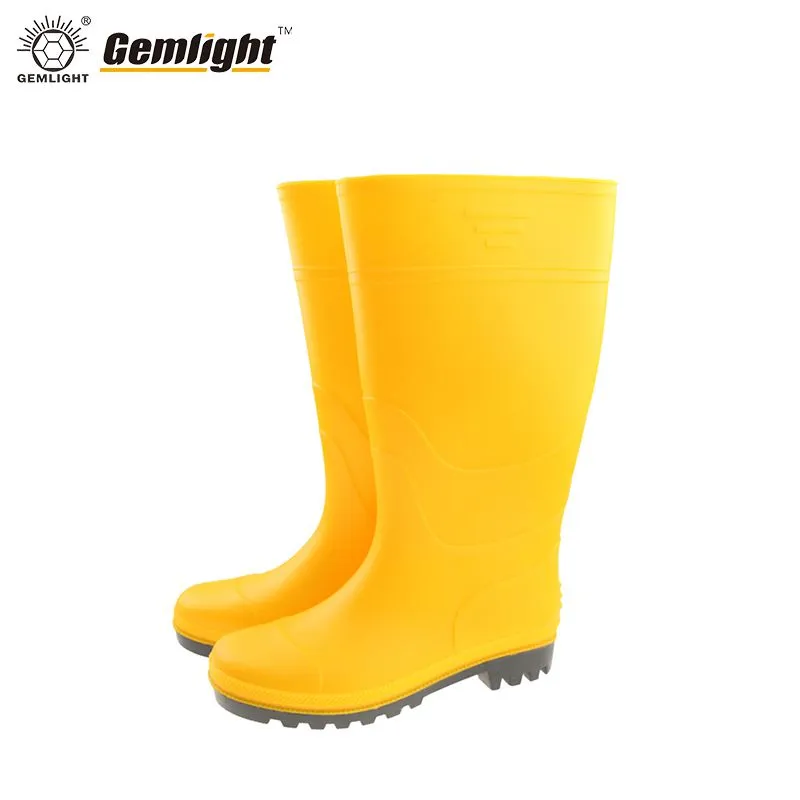
Which compound faults cause stiffening?
PVC resin is rigid on its own. It only flexes because plasticiser is mixed into it.
Lose plasticiser and the boot stiffens. Stiff PVC cracks at the crease instead of bending.
Plasticiser leaves in two ways. It migrates into other materials, or it evaporates in heat.
Some plasticiser types also perform badly at low temperature. The boot feels fine in summer and brittle in winter.
Cheap formulations often use a plasticiser that is fine at 20 degrees and poor at minus 10.
Ask which plasticiser is used and at what loading. Ask for the cold flex data behind the claim.
If the factory cannot name the plasticiser, they did not formulate the compound.
Plasticiser loading is quoted in phr, parts per hundred of resin. Ask for the number, not a promise.
Fillers decide the other half of how the boot behaves, and they are always about cost.
Calcium carbonate is the common filler. It lowers cost and adds weight.
More filler means less flexibility. Past a point, it also reduces tear strength.
A heavily filled boot feels solid in the hand. That is not the same as durable.
Plasticiser loading works the other way. More plasticiser means softer flex and better cold performance.
But too much plasticiser creates its own problems. The surface turns tacky and picks up dirt.
It also migrates faster, so the boot stiffens sooner than expected.
Good formulations balance filler, plasticiser and an impact modifier.
Impact modifiers such as CPE or MBS improve cold impact. They cost more, and they show in the price.
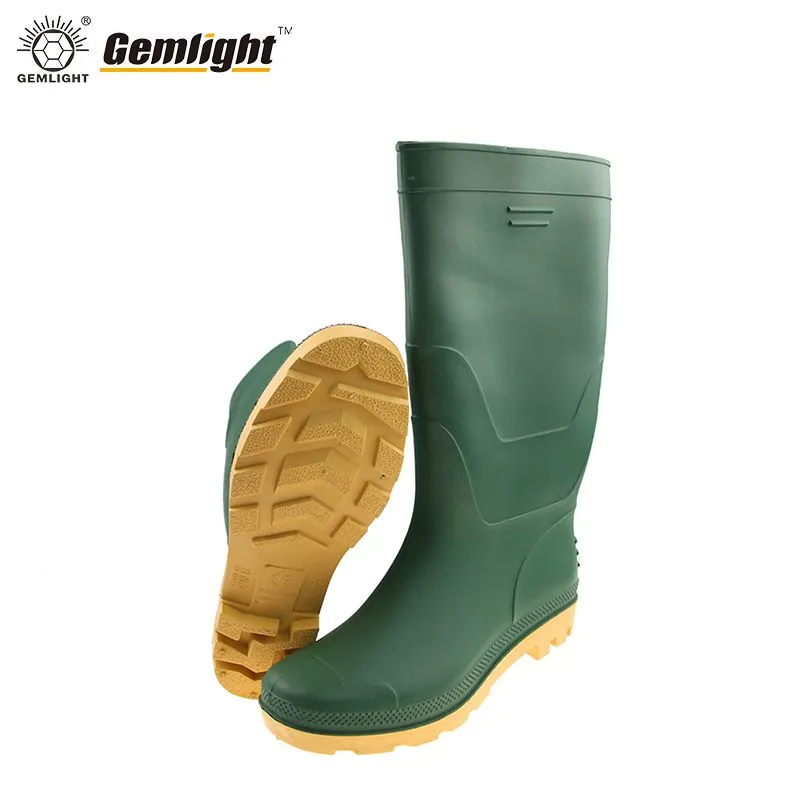
How do storage, heat and UV age PVC?
A boot can fail before it is ever worn. Storage does most of the damage.
Heat speeds up plasticiser loss. A container roof in summer reaches temperatures well above outside air.
Sunlight adds UV, which attacks the surface and starts fine cracks.
Stacking pressure flattens shafts. A boot stored flat for months creases where it should not.
Poor ventilation traps heat and moisture inside the carton.
Ask how the factory stores finished goods, and how long they sit before shipment.
Then look at your own warehouse. A heated stockroom is friendly to staff and unkind to PVC.
Rotate stock, keep cartons off the floor, and keep them away from skylights.
Ocean freight in summer is the hardest test of all. A steel container in sun gets very hot.
Ask for a desiccant in the carton when you ship in July. It costs little and helps a lot.
Which design and manufacturing faults add to the problem?
The flex point is where most cracks appear. It is also where design mistakes hide.
A sharp internal corner at the flex line concentrates stress. A rounded transition spreads it.
Thin walls at the ankle crease fail first. Ask for the wall thickness at that point, not at the shaft.
Uneven cooling after moulding leaves residual stress. The boot remembers it for years.
Cycle time is a cost decision. Faster cycles cool unevenly and leave more stress behind.
Ask whether they re-grind scrap into the mix. Regrind saves money and weakens cold flex.
Gate marks and trimming scars act as crack starters. Look for them on the inside surface.
Undercuts that are too deep force the material to stretch as the boot is demoulded.
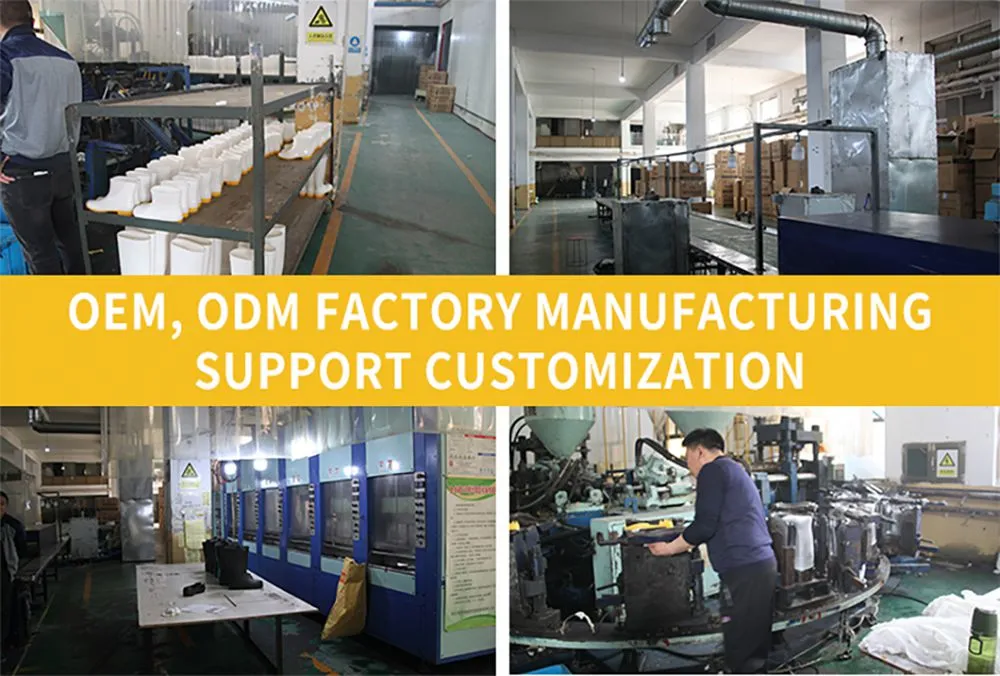
Ask to see a cut section through the flex area. Compare it with a sample you approved earlier.
Which durability claims are safe on packaging?
Claims sell boots and create liability. Keep them to what a test report can support.
"Cold resistant" alone is vague. Say the temperature and the test method, or say nothing.
Avoid words like unbreakable, permanent or guaranteed for life. No compound supports that.
"Flexible at minus 20" is a claim you must be able to document with a report.
"Phthalate-free plasticiser" is a factual statement about the formulation. It is safe if true.
"UV stabilised" needs a stated stabiliser system. Otherwise it is decoration.
Keep one approved pair per season in your own storage. Check it after a year.
If it stiffens in your warehouse, it will stiffen in your customer's.
Print care and storage guidance on the box. It protects the claim as much as the compound does.
And if a customer needs minus thirty, sell them rubber. No PVC brochure can fix that.
Cold-weather checklist for buyers
Send this list before you approve a PVC range for a cold market.
Plasticiser type and loading in phr
Plasticiser family, phthalate or non-phthalate
Filler type and loading
Impact modifier type and loading
Cold flex test result and test temperature
Wall thickness at the flex point
Mould design notes for the flex area
Storage conditions at the factory
Time between production and shipment
Carton stacking height in the warehouse
UV stabiliser system
Wording of any cold performance claim
Test a pair in a freezer before you approve artwork. Four hours at minus fifteen tells you more than a brochure.
Recently Posted
-
Container Loading for Shovels: How Many Fit in a 20ft and 40ft
November 16, 2026Container Loading for Shovels: How Many Fit in a 20ft and 40ft"How many shovels fit in a container" sounds like a simple Read More
-
How Shovel Prices Are Calculated: Steel, Handle, Coating and Labour
November 16, 2026How Shovel Prices Are Calculated: Steel, Handle, Coating and LabourA shovel quotation usually arrives as one number per piece. It Read More
-
Shovel Eye and Handle Tolerance: How to Avoid Loose or Cracked Fittings
November 16, 2026Shovel Eye and Handle Tolerance: How to Avoid Loose or Cracked FittingsA head that wobbles in month three is rarely a steel proble Read More
-
D-Grip, T-Handle or Long Handle: Choosing Shovel Handles by Market
November 16, 2026D-Grip, T-Handle or Long Handle: Choosing Shovel Handles by MarketThe head sells the first order. The handle decides whether the c Read More

Contact Us
Recommended Products
-
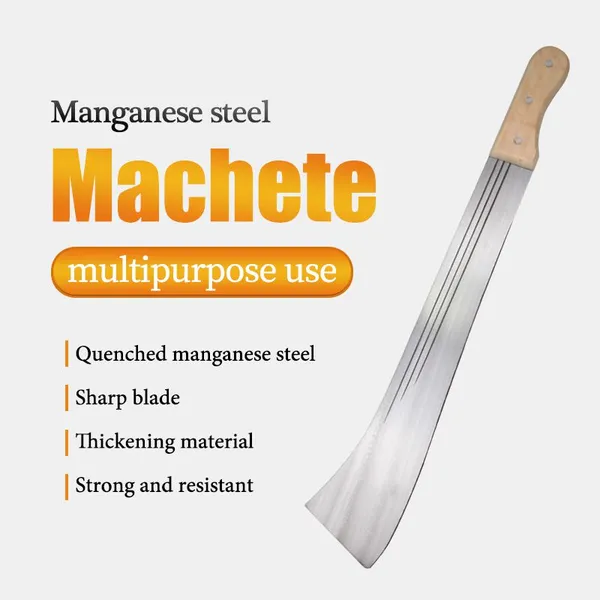
 Heavy Duty Cane Knife Machete for Wholesale Buyers Factory Direct Export for Rural Agricultural Projects Durable Hand ToolNegotiableMOQ: 1200 Pieces
-
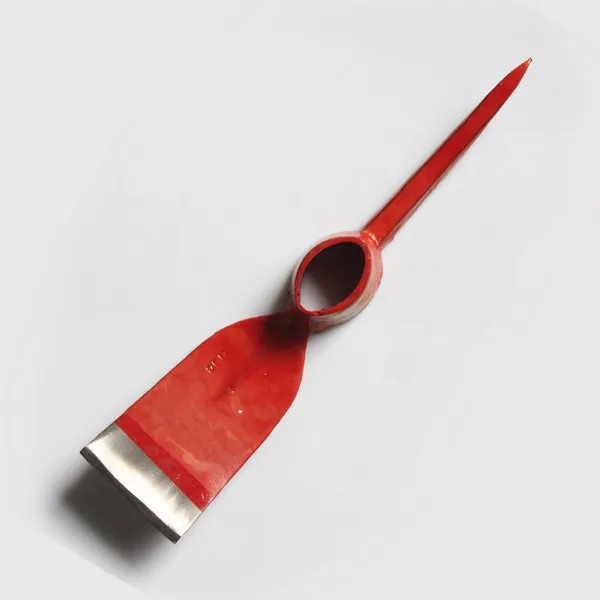
Agricultural Hoe Head Garden Rail Steel Tool for Tough Soil Cheap Price Hand ToolsUS$ 1.07 - 1.27MOQ: 1200 Pieces
-
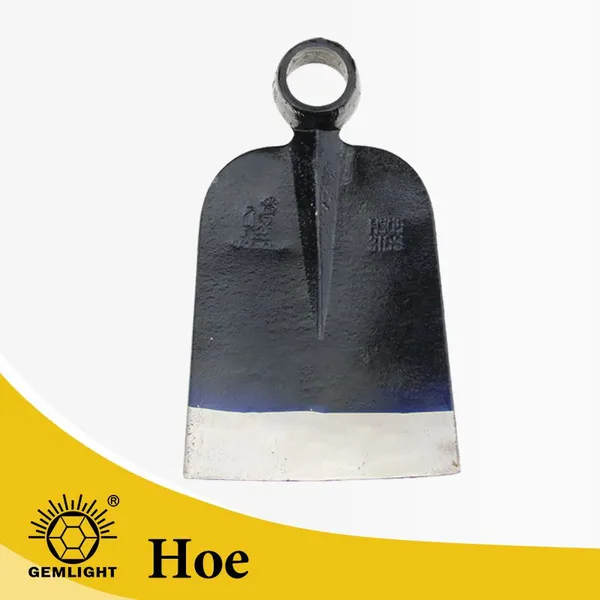
Sturdy Rail Steel Hoe for Weeding, H305 Perfect for Agricultural and Garden TasksUS$ 1.07 - 1.27MOQ: 1200 Pieces
-
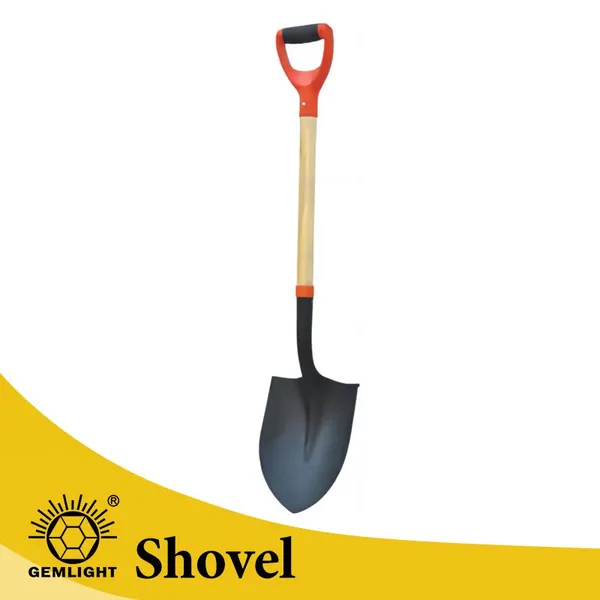
Heavy Duty Manganese Steel Garden Shovel Round Point Digging Shovel With Wooden Handle Farm Tool SupplierUS$ 2.14 - 2.36MOQ: 1200 Pieces
-
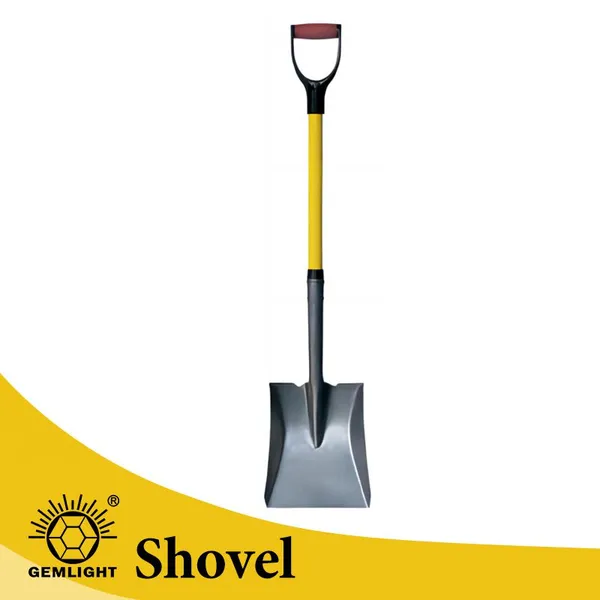
Big Shovel Wide Shovel Mud Shovel Heavy Duty Steel Blade for Farm Drainage Soil Moving Cleaning and Landscaping UseUS$ 2.14 - 2.36MOQ: 1200 Pieces
-
Strong Teeth Soil Rake for Farm Tool Suppliers Private Label Export for Farm Maintenance African Distribution Factory Bulk OrderUS$ 0.88 - 1.35MOQ: 2000 Pieces
-
Manual Cane Knife Machete for Wholesale Buyers Factory Direct Export for Rural Agricultural Projects Durable Hand ToolNegotiableMOQ: 1200 Pieces
-
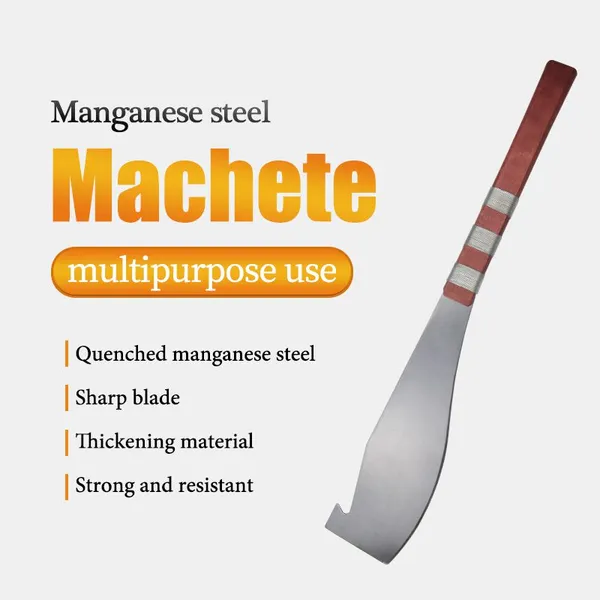
Large High Carbon Steel Machete Knife Agricultural Machete for Farming Bush Cutting Garden Tool SupplierNegotiableMOQ: 1200 Pieces
-
Wholesale Heavy Duty Pick Mattock for Mining Road Work and Farm Digging for Wholesale Tool Dealers With Bulk Order ServiceUS$ 1.85 - 2.3MOQ: 1200 Pieces
-
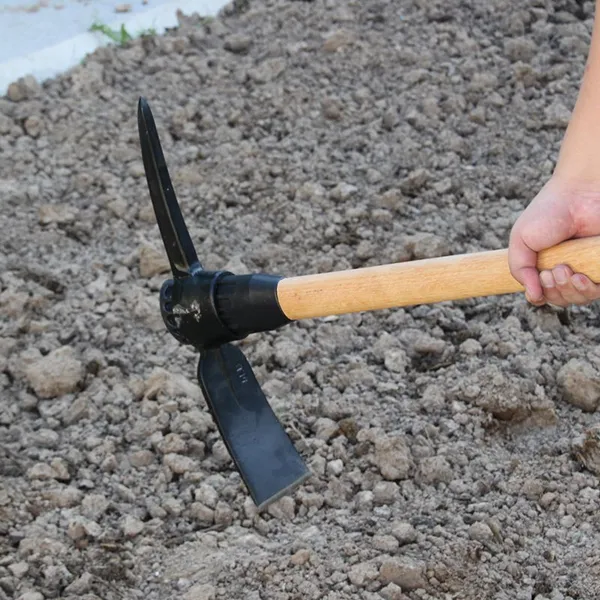
Carbon Steel Manual Pickaxe for Hard Soil Breaking and Trenching for African Importers With OEM Bulk Order Support Agricultural ToolUS$ 1.85 - 2.3MOQ: 1200 Pieces

-
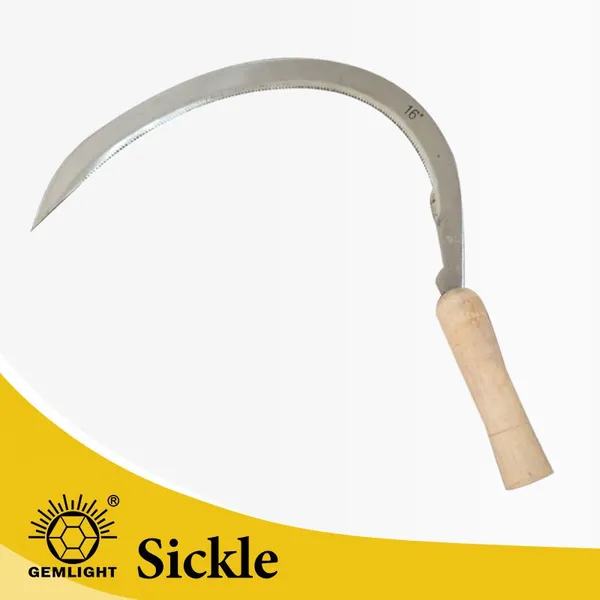
OEM Farm Sickle With Sharp Blade for African Importers OEM Bulk Order Support for Harvesting and Smallholder Farming for Wholesale BUS$ 0.28 - 0.33MOQ: 3000 Pieces
-
Heavy Duty Manganese Steel Round Point Shovel Garden Digging Shovel With Wooden Handle Agricultural Tool ManufacturerUS$ 2.14 - 2.36MOQ: 1200 Pieces
-
Farm Shovel Factory Supply for Regional Import Distributors Bulk Wholesale Supply for Garden Work and Trenching for Agricultural DealersUS$ 2.14 - 2.36MOQ: 1200 Pieces
-
Heavy Duty Garden Rake for African Importers OEM Factory Supply for Agricultural Use African Market Factory Bulk OrderUS$ 0.88 - 1.35MOQ: 2000 Pieces
-
Agricultural Soil Rake for Agricultural Dealers Export Supply for Garden Cleaning African Dealer Channels Factory Bulk OrderUS$ 0.88 - 1.35MOQ: 2000 Pieces
-
Manual Farm Machete for African Importers OEM Factory Supply for Farming and Land Clearing Durable Hand ToolNegotiableMOQ: 1200 Pieces
-
Large Heavy Duty Carbon Steel Garden Landscaping Digging HoeUS$ 1.07 - 1.27MOQ: 1200 Pieces
-
Heavy Duty Rail Steel Mattock Pick Axe With Wooden Handle for Digging Soil Mining and Agricultural Tool SupplierUS$ 1.85 - 2.3MOQ: 1200 Pieces
-
Forged Farm Sickle With Sharp Blade for African Importers OEM Bulk Order Support for Harvesting and Smallholder Farming for WholesalUS$ 0.28 - 0.33MOQ: 3000 Pieces
-
Strong Carbon Steel Farming Sickle for Uganda Tanzania Zambia Agricultural Tool DistributorsUS$ 0.34 - 0.47MOQ: 3000 Pieces