
 Business License

Pre-Shipment Inspection Checklist for Boot Orders
Pre-Shipment Inspection Checklist for Boot Orders
An inspection that finds nothing is not proof of quality. It is proof that the checklist was too short.
Most boot claims come from three places: wrong size ratio, wrong colour, and a sole that separates later.
All three are visible before the container leaves. You just have to look in the right order.
An inspection also protects the factory. A signed report ends most arguments about what left the building.

Which checks run on every batch?
Start with quantity and carton count. Count cartons, not pairs, then check the ratio inside.
Check the shipping marks against your packing list. Wrong marks mean wrong port or wrong consignee.
Measure three cartons and weigh them. A carton that is ten percent heavier has more pairs or wet boots.
Open cartons from the top, middle and bottom of the stack. Top-only samples hide the bottom layers.
Check the size assortment against the purchase order. Size errors are the most expensive mistake to fix.
Scan every barcode on the inner box and the master carton. A dead barcode stops retail delivery.
Check the label text, the language and the country of origin while the carton is open.
Then inspect workmanship on the boots themselves, in daylight, at arm's length.

How do you check measurements and workmanship?
Measure against the spec sheet you approved, not against the sample in your memory.
Record shaft height, sole thickness and weight per pair for at least ten pairs.
Weigh pairs separately. A left and right that differ by more than a few percent points to a compound problem.
Check the flex point by hand on the same ten pairs. Look for whitening and fine cracks.
Pull the sole joint at the toe and heel. It should resist without lifting.
Check the logo position with a tape measure. Printed logos drift more than moulded ones.
Look inside the shaft for loose lining, glue stains and trimming scars.
Smell one boot. A sharp solvent smell means the compound was not fully cured before packing.
Photograph every measurement next to a ruler. A number in a report is easy to dispute. A photo is not.
Keep the record sheet with the approved sample. Together they form your quality baseline.
Which AQL level fits footwear cartons?
AQL means acceptable quality limit. It defines how many defects a sample may contain.
Footwear is usually inspected at general inspection level II, under ISO 2859-1.
A common setting is critical 0, major 2.5 and minor 4.0.
That means one critical defect fails the inspection, whatever the sample size.
Major defects are counted against 2.5 percent. Minor defects are counted against 4.0 percent.
Some buyers tighten majors to 1.5 on repeat orders from a new factory.
Tightening costs nothing at the quotation stage and everything later. Agree it in writing first.
The sample size depends on the lot size. Ask the inspection company for the table before you book.


How should defects be classified?
Classification is the part buyers argue about. Settle it before the inspector arrives.
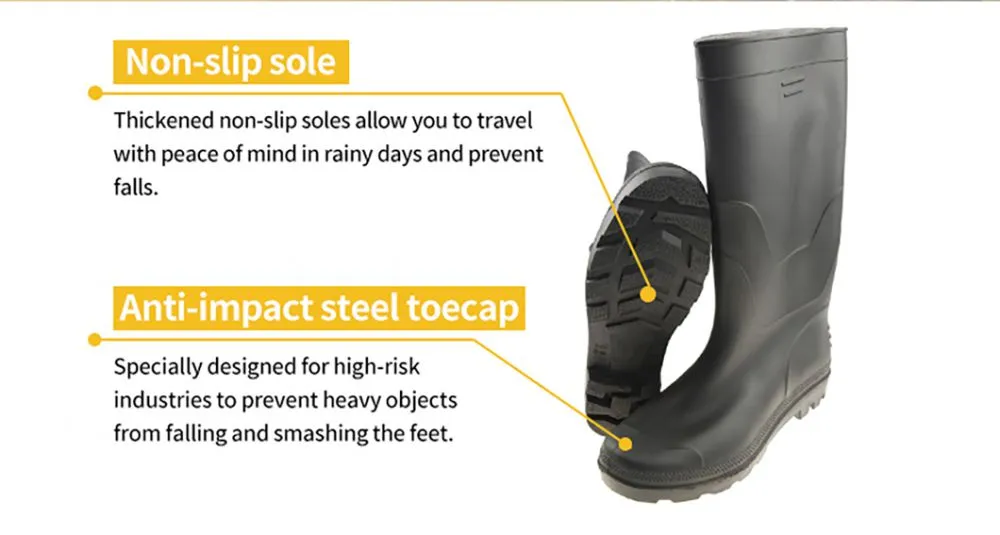
A critical defect makes the product unsafe or illegal. A missing toe cap is critical. So is a wrong certificate.
A major defect affects function or is visible at one metre. A lifted sole, a split shaft or a broken zip is major.
A minor defect is cosmetic and does not affect use. Glue marks, uneven trimming and light colour variance fit here.
Colour variance needs a reference. Use a physical standard, not a photo on a phone.
Size deviation needs a tolerance. Write it as a number in millimetres.
Without written definitions, every inspector applies a different eye.
When you and the inspector disagree, go back to the approved sample. That is the only neutral reference.
Write the definitions into the purchase order. Then the report reads itself.
Then there is the decision nobody enjoys. Refusing an order needs a rule, not a mood.
Refuse the shipment when a critical defect appears at all. Safety and legal failures are not negotiable.
Refuse when major defects exceed the agreed AQL. That is what the number is for.
Refuse when the size ratio is wrong across the lot. Reworking sizes after arrival costs more than the goods.
Refuse when the marking or the certificate does not match the purchase order.
Refuse when the boots were packed wet. Mould appears in transit and the claim lands on you.
For everything else, negotiate a price adjustment or a sorting agreement in writing.
A rejection is a business decision. Keep it tied to the document you both signed.
Sorting and rework take time. Build two weeks into your schedule before you ever need them.
Inspection checklist to send before booking
Send this list to your QC team or your third-party inspector.
Purchase order number and approved sample reference
Carton count and pairs per carton
Shipping marks and label text
Carton dimensions, gross weight and drop test result
Barcode scan result, inner box and master carton
Size ratio per carton
Colour check against the physical standard
Measurement record: shaft, sole, weight
Flex and sole bond spot check
Workmanship inspection at arm's length
AQL levels and defect definitions
Photo set: cartons, labels, boots, joint lines, defects
Inspector name, date and report number
Book the inspection when the order is fully packed. A half-packed line hides the cartons you most need to open.
Recently Posted
-
Container Loading for Shovels: How Many Fit in a 20ft and 40ft
November 16, 2026Container Loading for Shovels: How Many Fit in a 20ft and 40ft"How many shovels fit in a container" sounds like a simple Read More
-
How Shovel Prices Are Calculated: Steel, Handle, Coating and Labour
November 16, 2026How Shovel Prices Are Calculated: Steel, Handle, Coating and LabourA shovel quotation usually arrives as one number per piece. It Read More
-
Shovel Eye and Handle Tolerance: How to Avoid Loose or Cracked Fittings
November 16, 2026Shovel Eye and Handle Tolerance: How to Avoid Loose or Cracked FittingsA head that wobbles in month three is rarely a steel proble Read More
-
D-Grip, T-Handle or Long Handle: Choosing Shovel Handles by Market
November 16, 2026D-Grip, T-Handle or Long Handle: Choosing Shovel Handles by MarketThe head sells the first order. The handle decides whether the c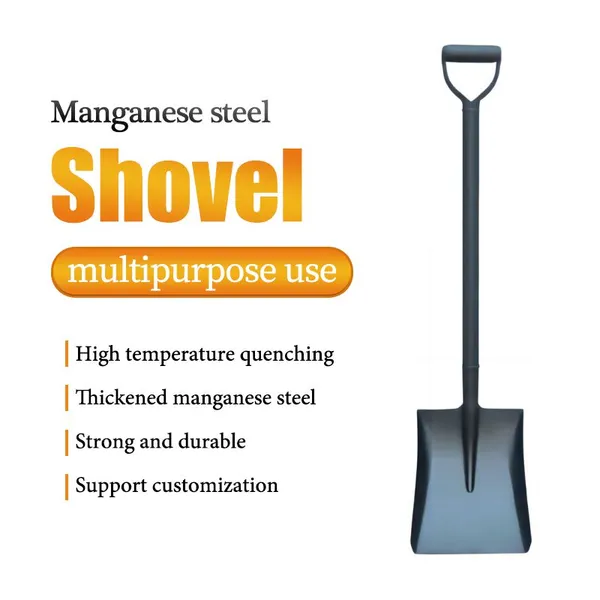 Read More

Contact Us
Recommended Products
-
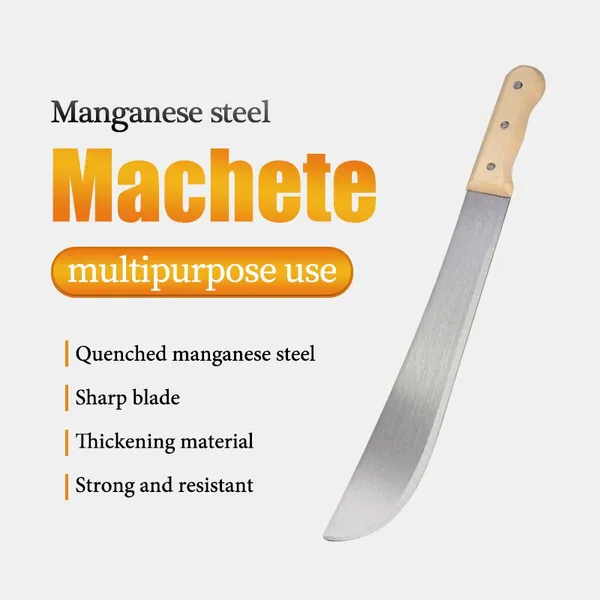
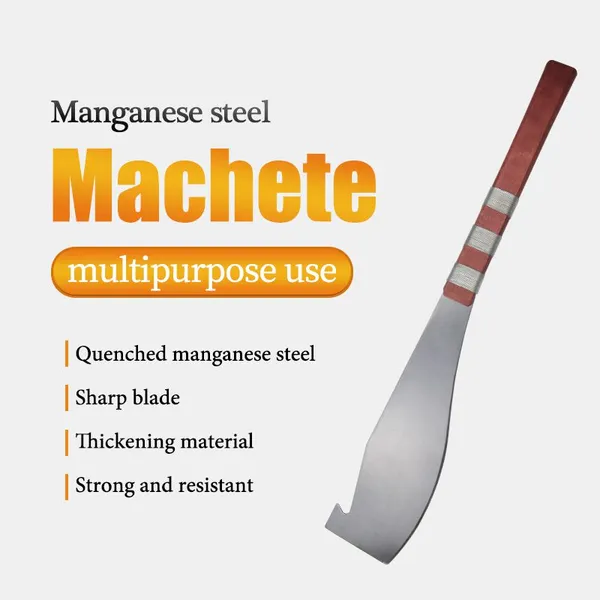
 Heavy Duty Cane Knife Machete for Wholesale Buyers Factory Direct Export for Rural Agricultural Projects Durable Hand ToolNegotiableMOQ: 1200 Pieces
-
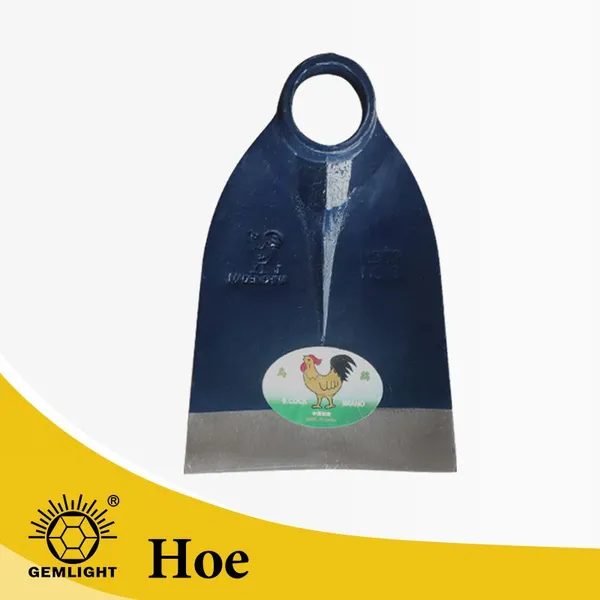
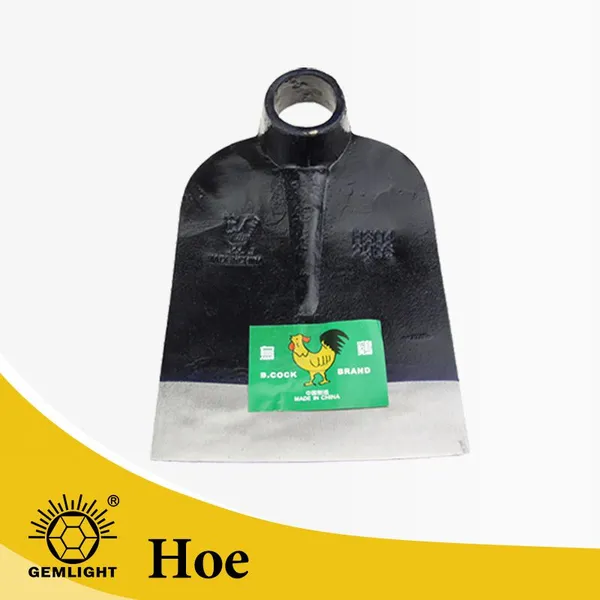
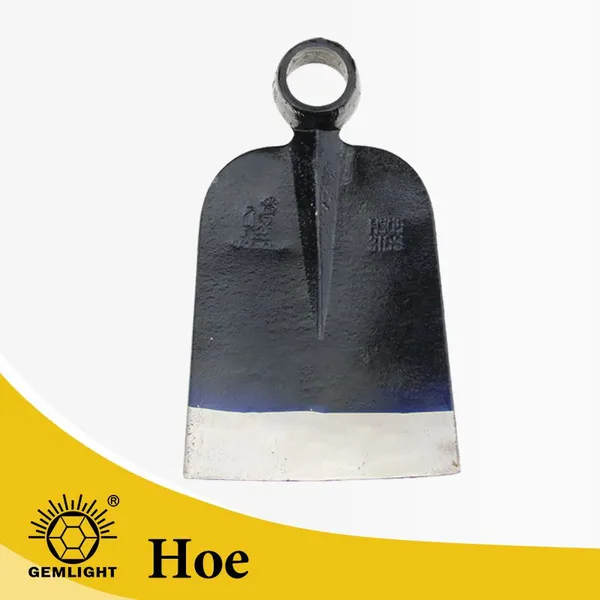
Agricultural Hoe Head Garden Rail Steel Tool for Tough Soil Cheap Price Hand ToolsUS$ 1.07 - 1.27MOQ: 1200 Pieces
-
Sturdy Rail Steel Hoe for Weeding, H305 Perfect for Agricultural and Garden TasksUS$ 1.07 - 1.27MOQ: 1200 Pieces
-
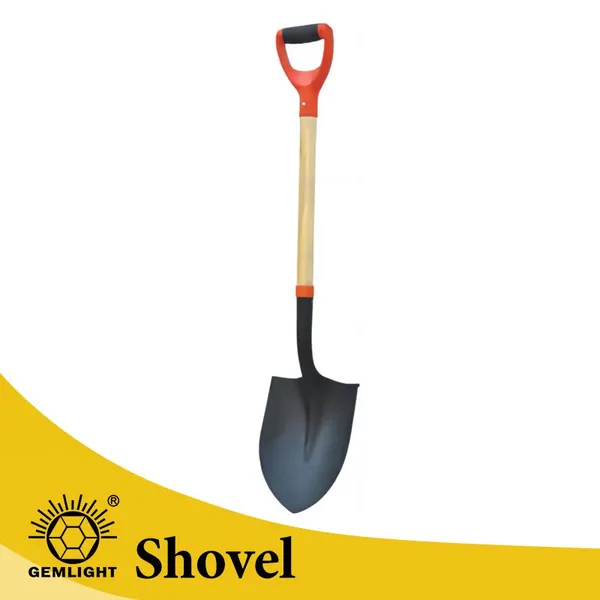
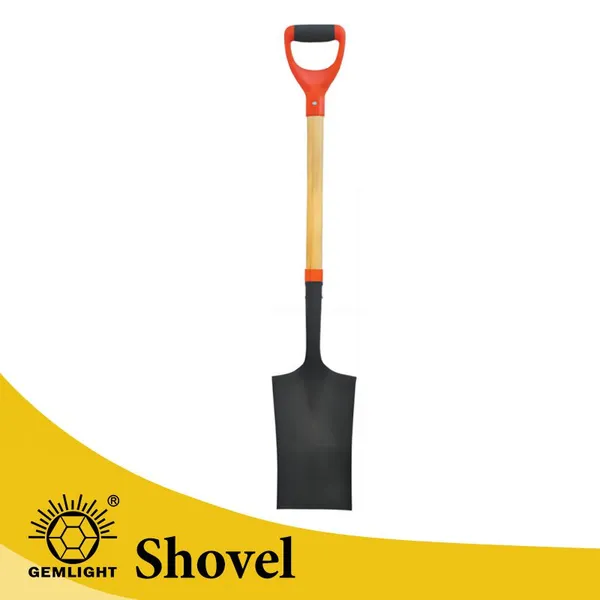
Heavy Duty Manganese Steel Garden Shovel Round Point Digging Shovel With Wooden Handle Farm Tool SupplierUS$ 2.14 - 2.36MOQ: 1200 Pieces
-
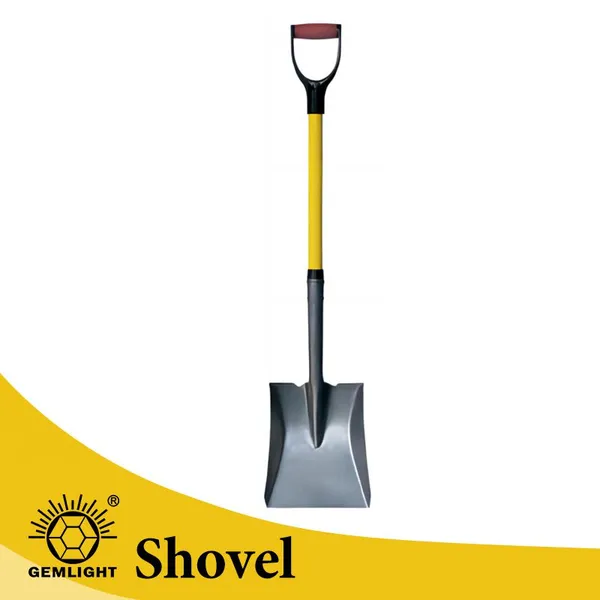
Big Shovel Wide Shovel Mud Shovel Heavy Duty Steel Blade for Farm Drainage Soil Moving Cleaning and Landscaping UseUS$ 2.14 - 2.36MOQ: 1200 Pieces
-
Strong Teeth Soil Rake for Farm Tool Suppliers Private Label Export for Farm Maintenance African Distribution Factory Bulk OrderUS$ 0.88 - 1.35MOQ: 2000 Pieces
-
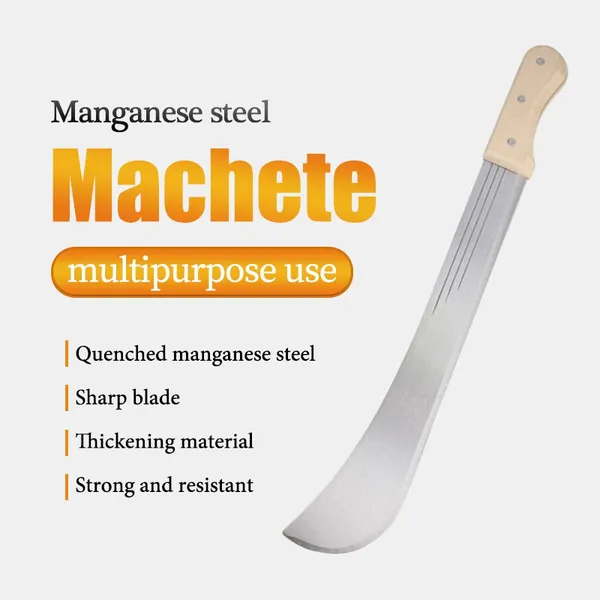
Manual Cane Knife Machete for Wholesale Buyers Factory Direct Export for Rural Agricultural Projects Durable Hand ToolNegotiableMOQ: 1200 Pieces
-
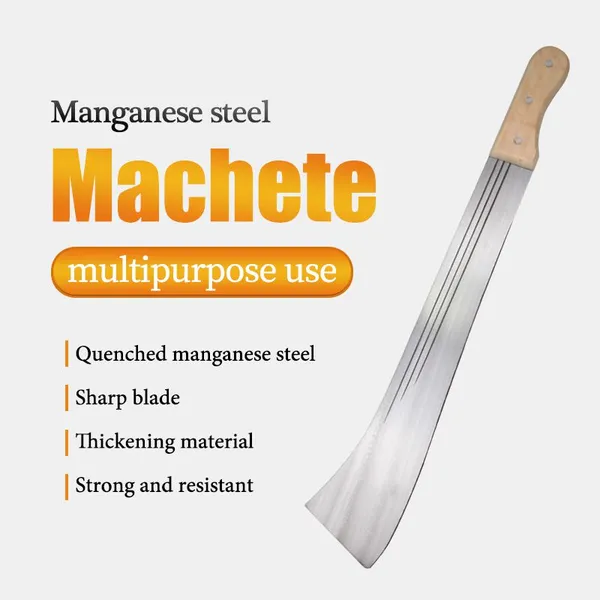
Large High Carbon Steel Machete Knife Agricultural Machete for Farming Bush Cutting Garden Tool SupplierNegotiableMOQ: 1200 Pieces
-
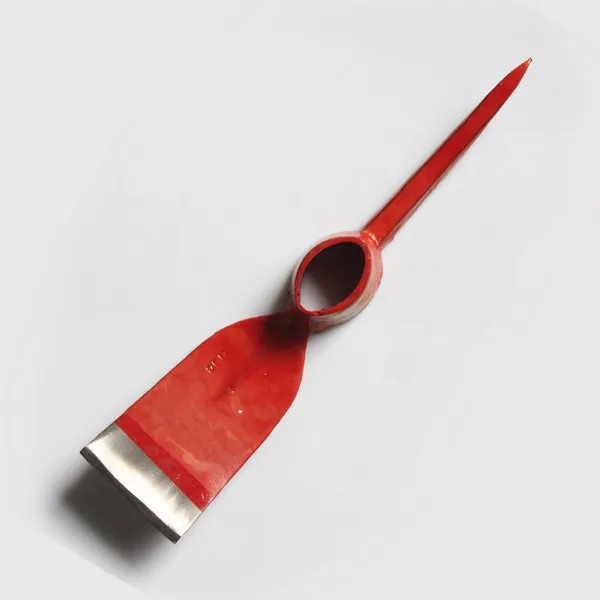
Wholesale Heavy Duty Pick Mattock for Mining Road Work and Farm Digging for Wholesale Tool Dealers With Bulk Order ServiceUS$ 1.85 - 2.3MOQ: 1200 Pieces
-
Carbon Steel Manual Pickaxe for Hard Soil Breaking and Trenching for African Importers With OEM Bulk Order Support Agricultural ToolUS$ 1.85 - 2.3MOQ: 1200 Pieces

-
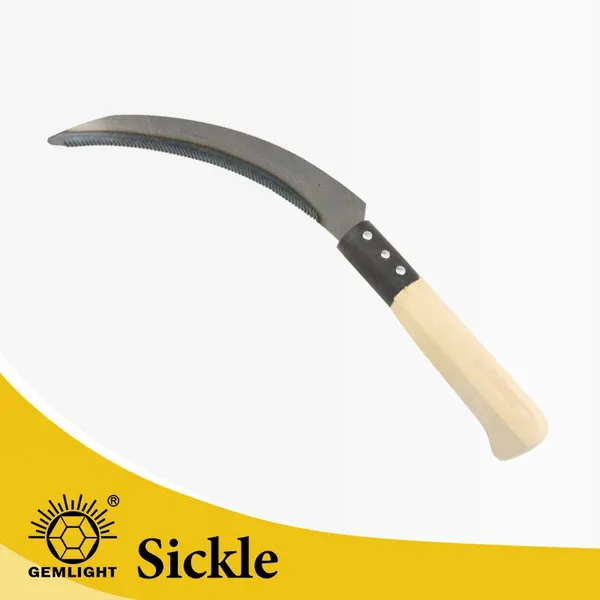
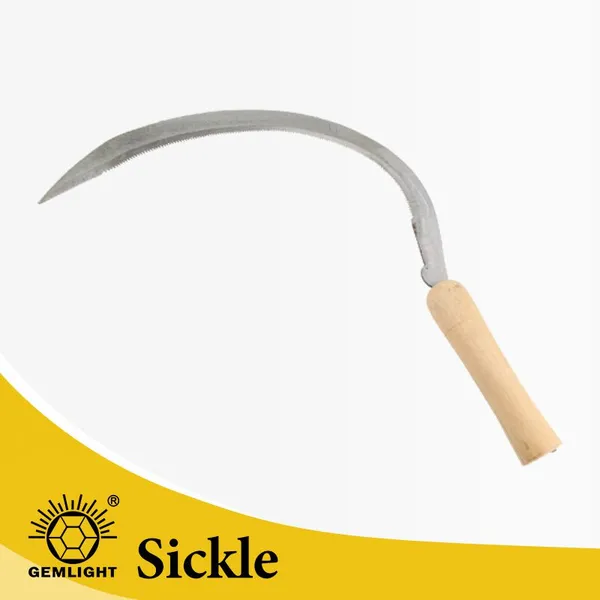
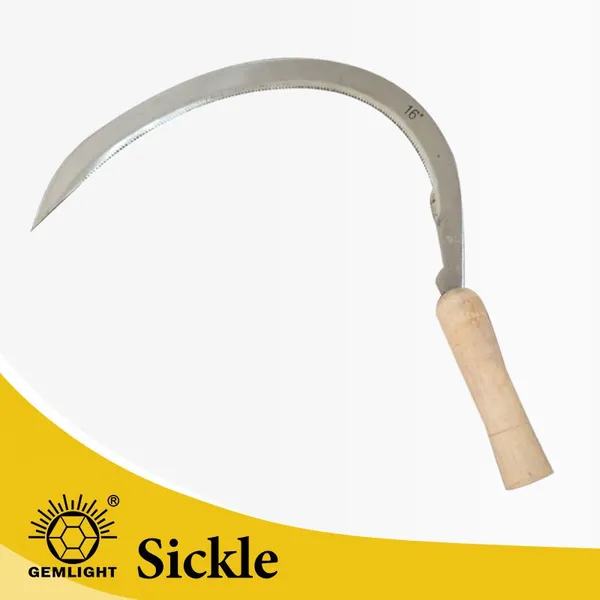
OEM Farm Sickle With Sharp Blade for African Importers OEM Bulk Order Support for Harvesting and Smallholder Farming for Wholesale BUS$ 0.28 - 0.33MOQ: 3000 Pieces
-
Heavy Duty Manganese Steel Round Point Shovel Garden Digging Shovel With Wooden Handle Agricultural Tool ManufacturerUS$ 2.14 - 2.36MOQ: 1200 Pieces
-
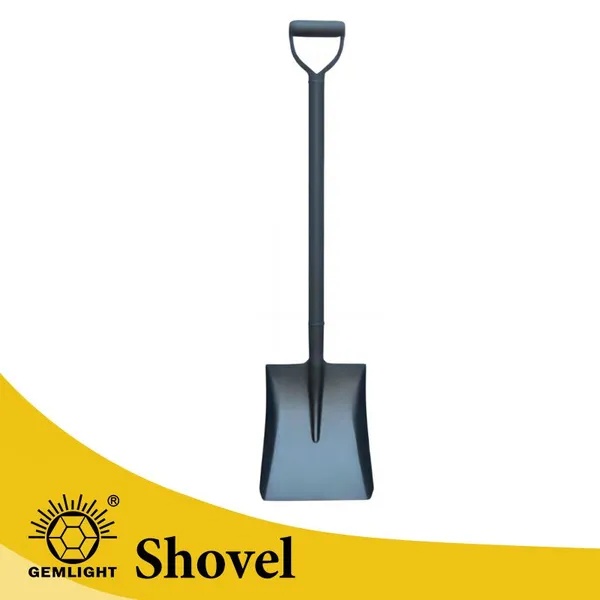
Farm Shovel Factory Supply for Regional Import Distributors Bulk Wholesale Supply for Garden Work and Trenching for Agricultural DealersUS$ 2.14 - 2.36MOQ: 1200 Pieces
-
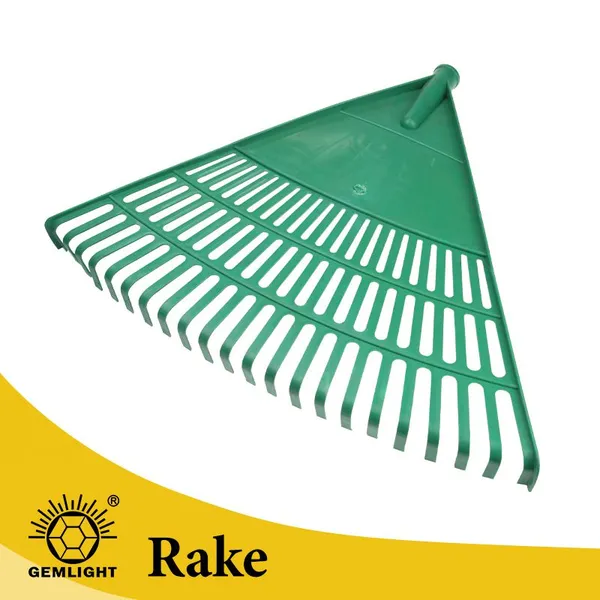
Heavy Duty Garden Rake for African Importers OEM Factory Supply for Agricultural Use African Market Factory Bulk OrderUS$ 0.88 - 1.35MOQ: 2000 Pieces
-
Agricultural Soil Rake for Agricultural Dealers Export Supply for Garden Cleaning African Dealer Channels Factory Bulk OrderUS$ 0.88 - 1.35MOQ: 2000 Pieces

-
Manual Farm Machete for African Importers OEM Factory Supply for Farming and Land Clearing Durable Hand ToolNegotiableMOQ: 1200 Pieces
-
Large Heavy Duty Carbon Steel Garden Landscaping Digging HoeUS$ 1.07 - 1.27MOQ: 1200 Pieces
-
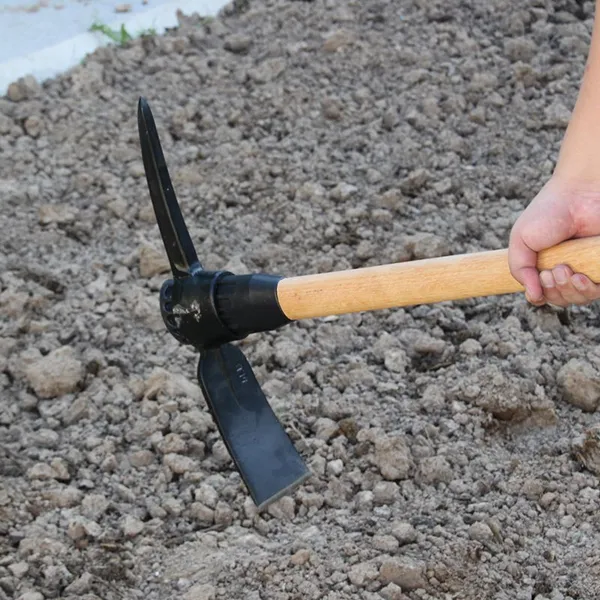
Heavy Duty Rail Steel Mattock Pick Axe With Wooden Handle for Digging Soil Mining and Agricultural Tool SupplierUS$ 1.85 - 2.3MOQ: 1200 Pieces
-
Forged Farm Sickle With Sharp Blade for African Importers OEM Bulk Order Support for Harvesting and Smallholder Farming for WholesalUS$ 0.28 - 0.33MOQ: 3000 Pieces
-
Strong Carbon Steel Farming Sickle for Uganda Tanzania Zambia Agricultural Tool DistributorsUS$ 0.34 - 0.47MOQ: 3000 Pieces