
 Business License

Private Label Boot MOQ from China: What to Expect
Private Label Boot MOQ from China: What to Expect
MOQ is the first wall most new brands hit. It is also the number most often quoted without explanation.
A factory that says "one thousand pairs" is usually answering a different question than the one you asked.
Here is what sets the number, and how to bring it down without buying stock you cannot sell.
Which choices actually set the MOQ?
Every change on a production line costs setup time. MOQ is how the factory recovers that time.
The biggest driver is the mould. A new sole or a new shape needs steel or aluminium tooling.
The second driver is colour. Changing compound colour means cleaning the machine and running scrap.
The third is material. Lining, thread and packaging come by the roll or by the box.
The fourth is printing. A printed box, a printed bag or a printed hangtag each carry their own minimum.
The fifth is the size range. Ten sizes at fifty pairs each is a bigger run than it looks.
Ask for a breakdown: MOQ per model, per colour, per size and per packing format.
A single blended number hides which part is expensive.
How does MOQ change by size and colour?
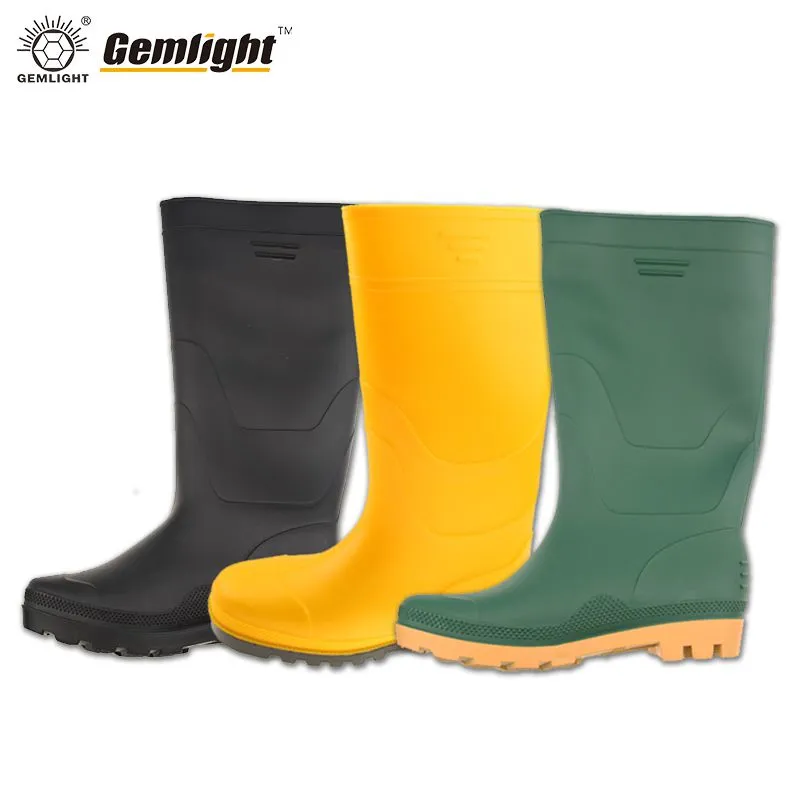
Size and colour behave differently, and buyers often mix them up.
Sizes share a mould family. Adding a size usually means adding a mould, which is a one-off cost.
Colours share the mould. Adding a colour means a cleaning cycle and a minimum batch of compound.
So colour MOQ is often softer than size MOQ, especially in the low hundreds of pairs.
In moulded boots, a colour run can be small if the factory already mixes that pigment.
In leather safety boots, colour means dye lots and cutting runs. Different constraint, similar logic.
Ask which colours are already in production. A colour on the line this month costs less than a new one.
Ask which sizes are on the mould list. Those sizes rarely carry an extra charge.
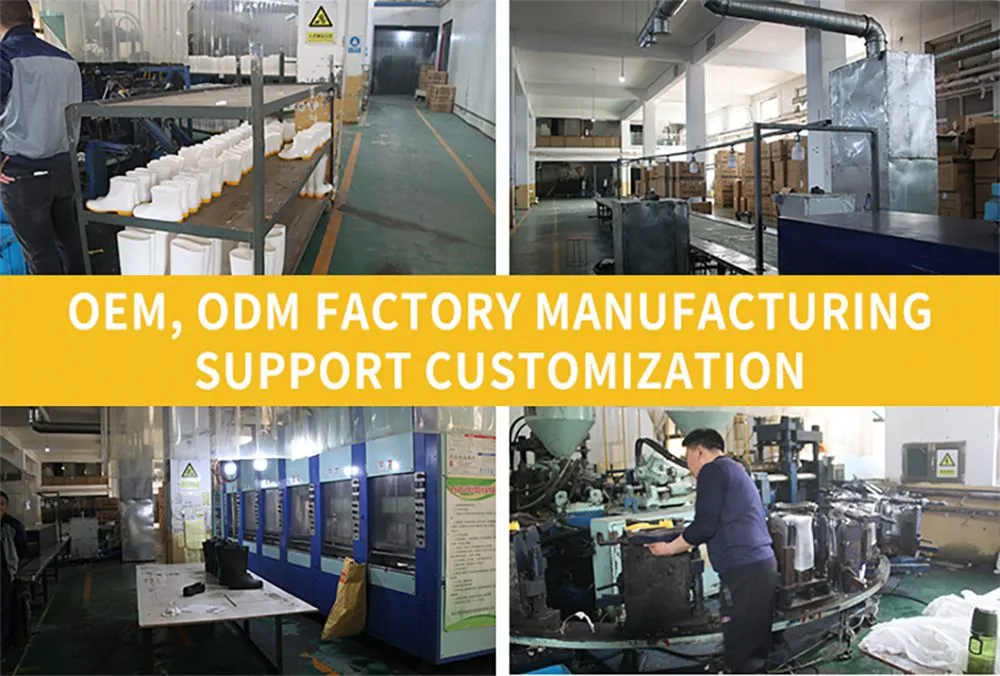
Which parts can carry your logo?
Logo options range from almost free to a new tooling bill. Know which one you are buying.
Moulded logo on the shaft or the sole is the most durable. It needs engraving in the mould.
Hot stamp or transfer print sits on the surface. It is cheap at volume and can wear at the flex point.
Silk screen printing suits flat areas and simple shapes. It fades faster than moulding.
A woven or printed label inside the shaft is the cheapest branding. Nobody sees it, but it is legal branding.
A rubber patch or metal badge lifts the perceived value. It also adds an assembly step.
Insole printing is a strong option. It is visible at unboxing and cheap to change.
Ask for the tooling cost separately from the unit price. Then you can compare real total cost.
Packaging hides more MOQ than any other line item, and buyers notice it last.
A printed shoe box usually needs its own print run. Plain boxes and stickers avoid that entirely.
Printed poly bags have a minimum in kilograms, not in pairs.
Hangtags are cheap but need a print run and a die cut.
Barcodes need a registered number. Buy them from the official authority in your market, not from a reseller.
Carton printing needs a plate per design. One plate per carton size is normal.
Certification is another hidden minimum. A new model may need its own test report.
If you plan three colours, ask for the packaging cost at each colour. It is rarely linear.
And if the numbers still do not work, sell a stock colour under your own label first.
Prove the sell-through, then order the colour you actually want.
How do you start with a mixed trial order?
A trial order should prove the product and the relationship. It should not test your cash flow.
Start with a stock model and change only the branding. This avoids tooling and keeps MOQ low.
Combine two or three models in one container. Mixed orders are normal for repeat buyers, less so for new ones.
Offer to pay tooling separately. Factories accept small runs when the tooling is paid upfront.
Order one colour deeply rather than three colours shallowly. You learn more from a full size run.
Ask for a second order price at a higher volume. That number tells you what the factory really wants.
Inspect the trial order properly. A small order with a full inspection sets the tone for everything after.
Then grow the range one variable at a time: first size, then colour, then model.
MOQ negotiation checklist
Send this list with your first enquiry and ask for each answer in writing.
MOQ per model on a stock mould
MOQ per colour and which colours are in production
MOQ per size and which sizes need new tooling
Tooling cost for a new mould or a new sole
Logo method options and engraving cost
Lining MOQ in metres and in pairs
Printed box, bag and hangtag minimums
Carton printing plate cost
Sample cost and whether it is credited
Trial order minimum with mixed models
Price at three volumes above MOQ
Lead time for a first run and a repeat run
Ask what the factory needs to hear to go below their standard number. The answer is usually a deposit, a tooling payment or a simpler specification.
Recently Posted
-
Container Loading for Shovels: How Many Fit in a 20ft and 40ft
November 16, 2026Container Loading for Shovels: How Many Fit in a 20ft and 40ft"How many shovels fit in a container" sounds like a simple Read More
-
How Shovel Prices Are Calculated: Steel, Handle, Coating and Labour
November 16, 2026How Shovel Prices Are Calculated: Steel, Handle, Coating and LabourA shovel quotation usually arrives as one number per piece. It Read More
-
Shovel Eye and Handle Tolerance: How to Avoid Loose or Cracked Fittings
November 16, 2026Shovel Eye and Handle Tolerance: How to Avoid Loose or Cracked FittingsA head that wobbles in month three is rarely a steel proble Read More
-
D-Grip, T-Handle or Long Handle: Choosing Shovel Handles by Market
November 16, 2026D-Grip, T-Handle or Long Handle: Choosing Shovel Handles by MarketThe head sells the first order. The handle decides whether the c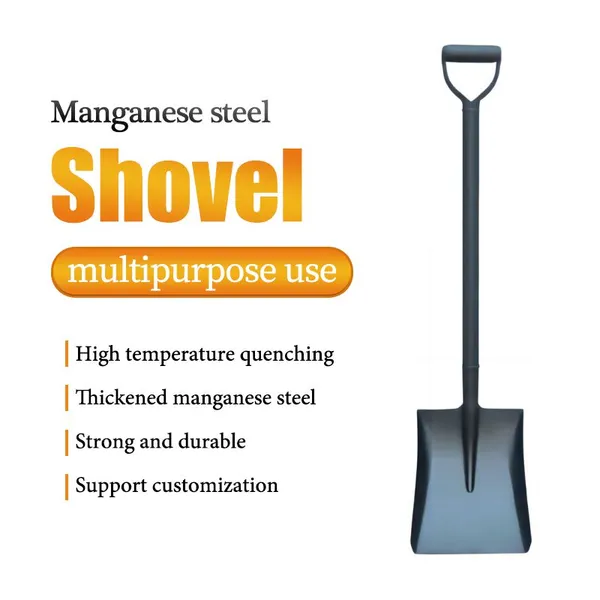 Read More

Contact Us
Recommended Products
-
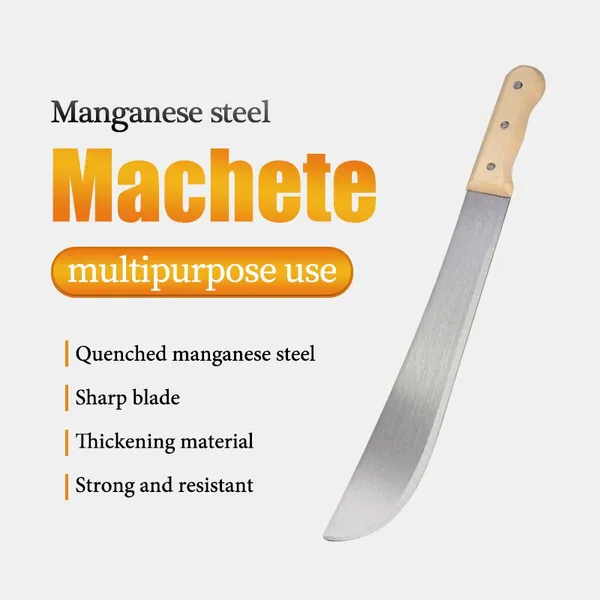
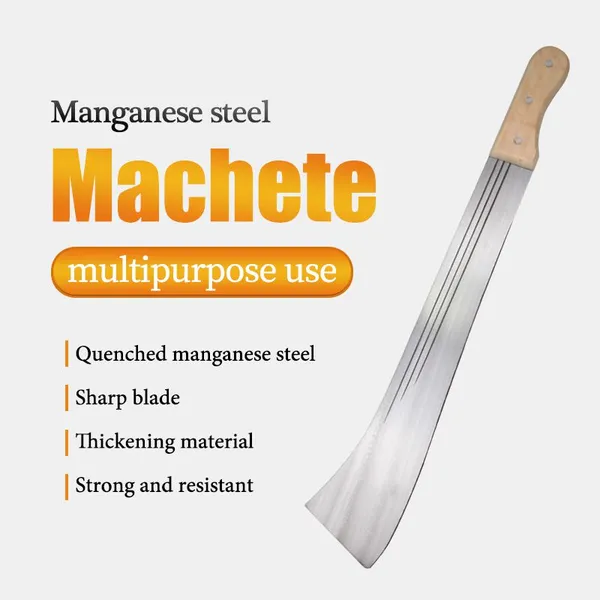
 Heavy Duty Cane Knife Machete for Wholesale Buyers Factory Direct Export for Rural Agricultural Projects Durable Hand ToolNegotiableMOQ: 1200 Pieces
-
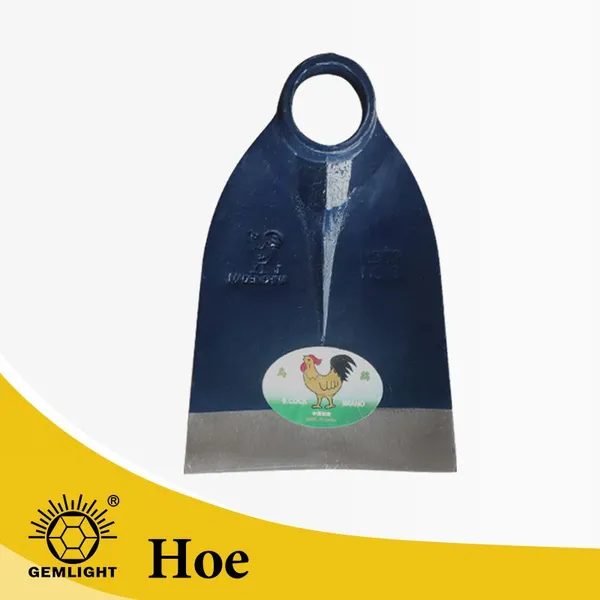
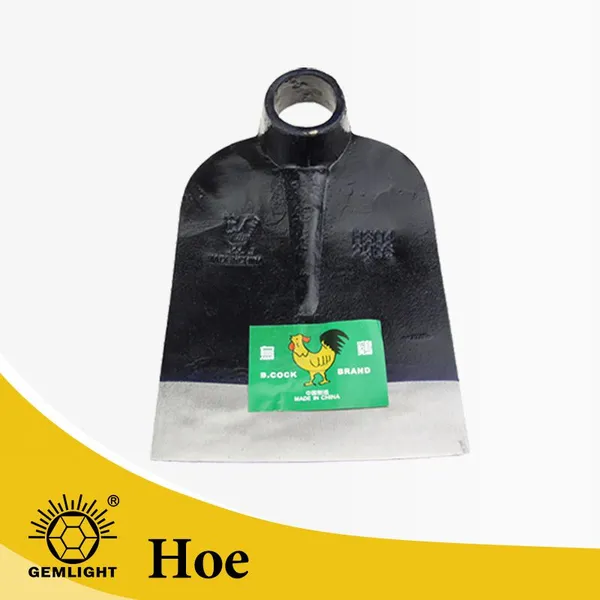
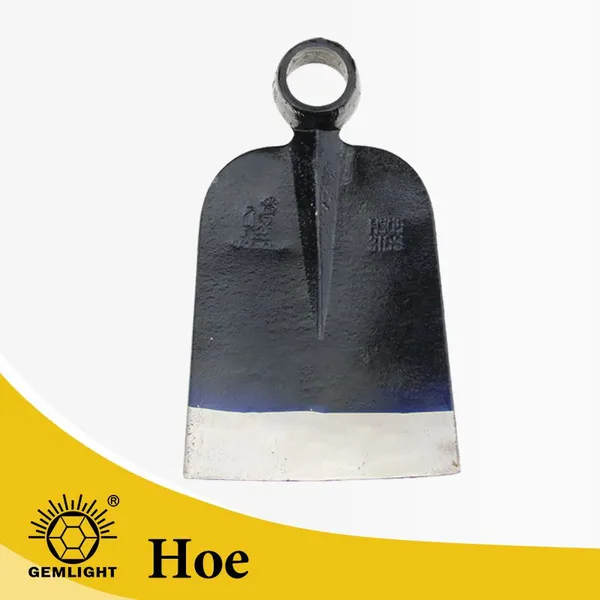
Agricultural Hoe Head Garden Rail Steel Tool for Tough Soil Cheap Price Hand ToolsUS$ 1.07 - 1.27MOQ: 1200 Pieces
-
Sturdy Rail Steel Hoe for Weeding, H305 Perfect for Agricultural and Garden TasksUS$ 1.07 - 1.27MOQ: 1200 Pieces
-
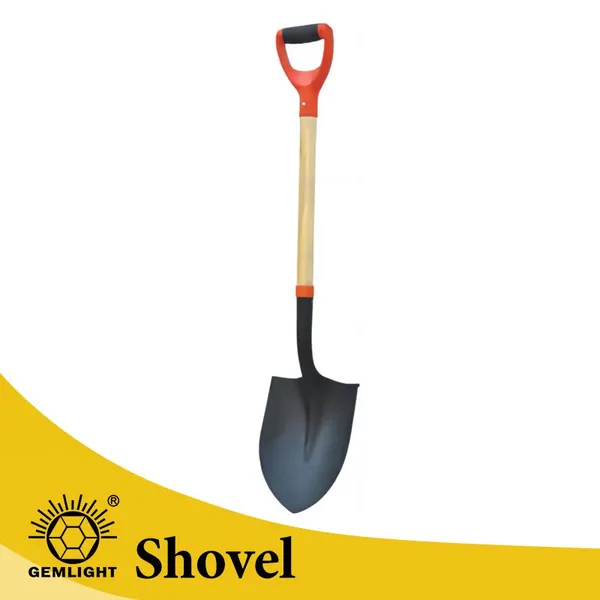
Heavy Duty Manganese Steel Garden Shovel Round Point Digging Shovel With Wooden Handle Farm Tool SupplierUS$ 2.14 - 2.36MOQ: 1200 Pieces
-
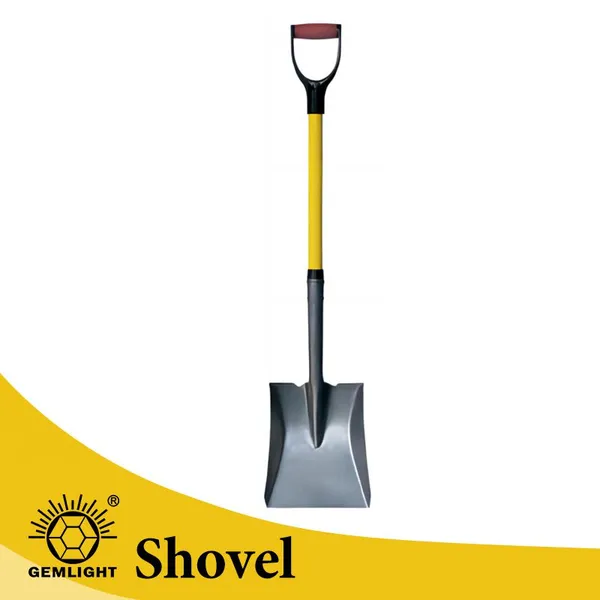
Big Shovel Wide Shovel Mud Shovel Heavy Duty Steel Blade for Farm Drainage Soil Moving Cleaning and Landscaping UseUS$ 2.14 - 2.36MOQ: 1200 Pieces
-
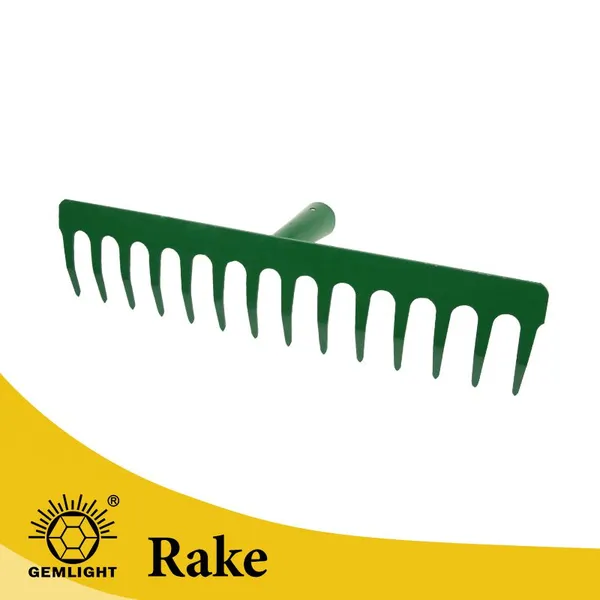
Strong Teeth Soil Rake for Farm Tool Suppliers Private Label Export for Farm Maintenance African Distribution Factory Bulk OrderUS$ 0.88 - 1.35MOQ: 2000 Pieces
-
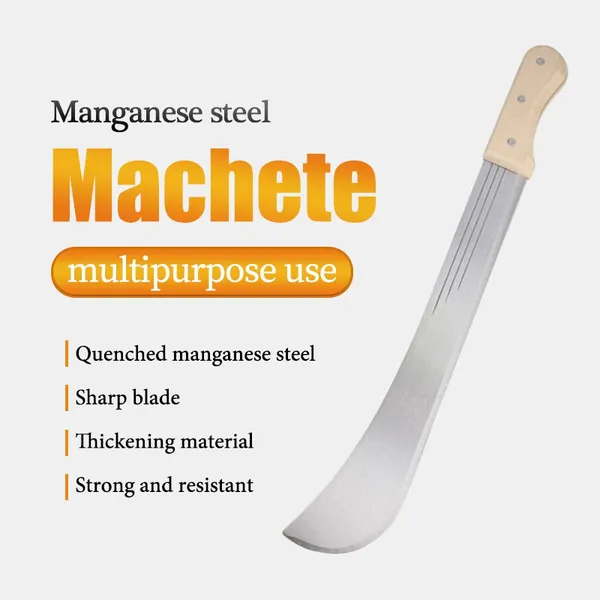
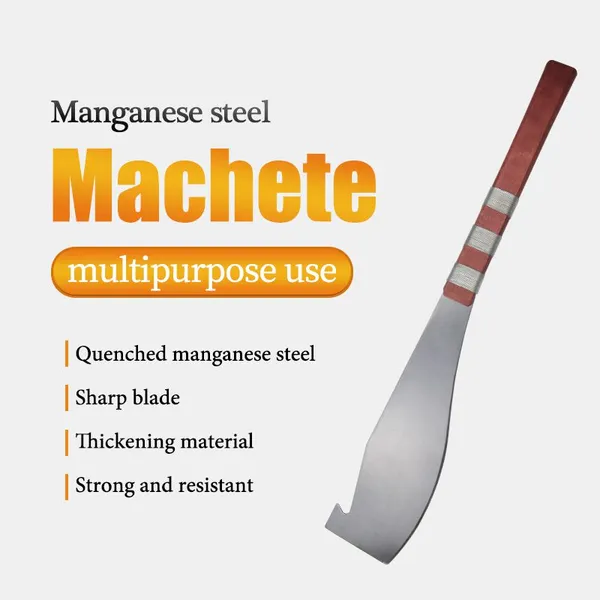
Manual Cane Knife Machete for Wholesale Buyers Factory Direct Export for Rural Agricultural Projects Durable Hand ToolNegotiableMOQ: 1200 Pieces
-
Large High Carbon Steel Machete Knife Agricultural Machete for Farming Bush Cutting Garden Tool SupplierNegotiableMOQ: 1200 Pieces
-
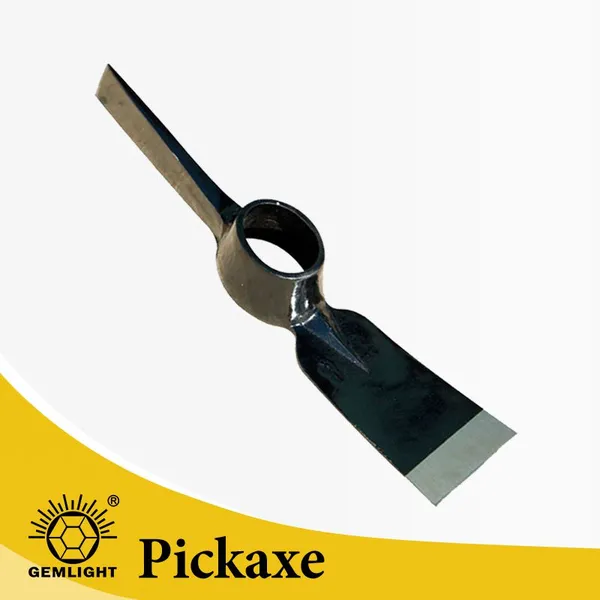
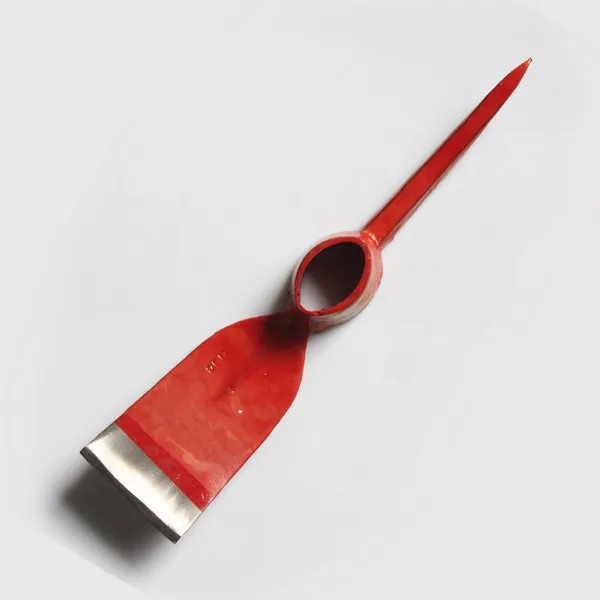
Wholesale Heavy Duty Pick Mattock for Mining Road Work and Farm Digging for Wholesale Tool Dealers With Bulk Order ServiceUS$ 1.85 - 2.3MOQ: 1200 Pieces
-
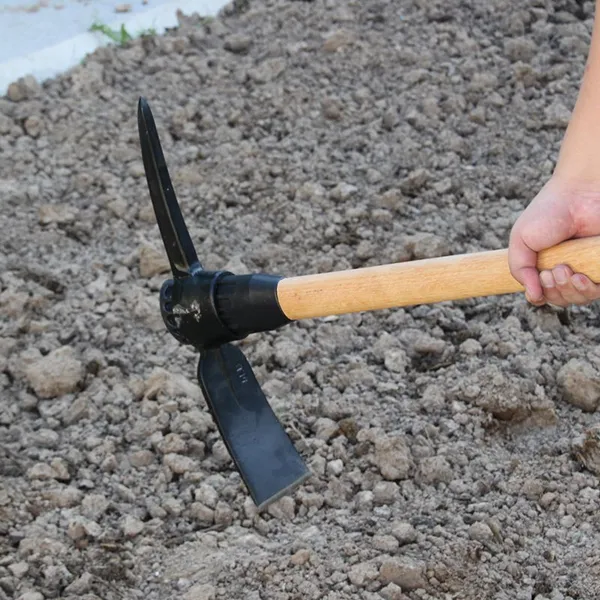
Carbon Steel Manual Pickaxe for Hard Soil Breaking and Trenching for African Importers With OEM Bulk Order Support Agricultural ToolUS$ 1.85 - 2.3MOQ: 1200 Pieces
-
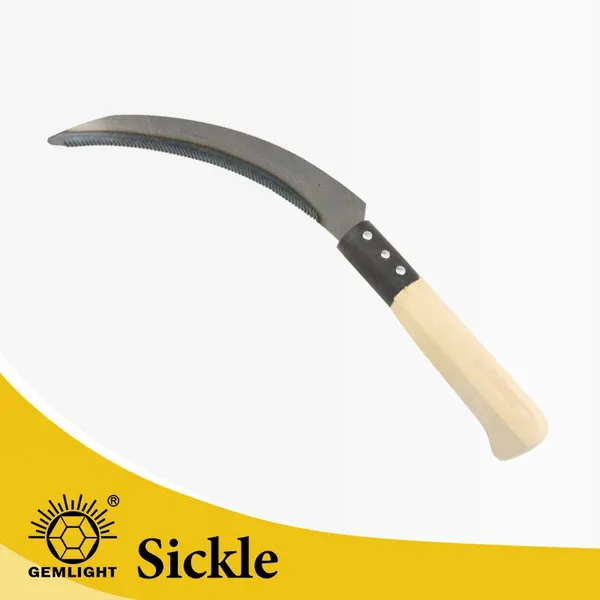
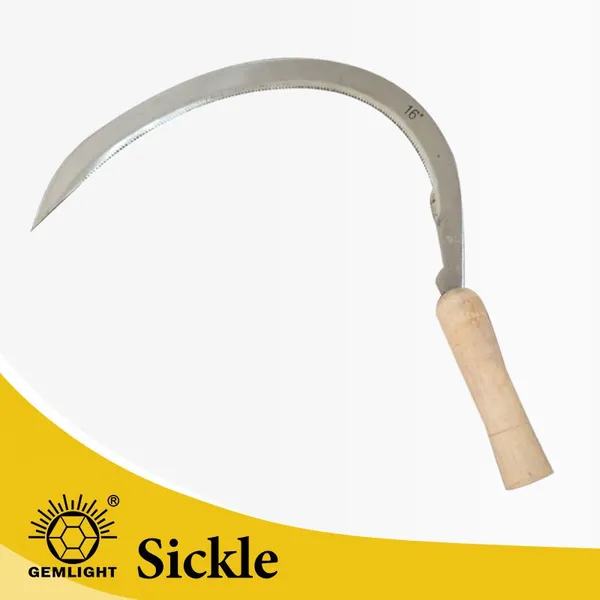
OEM Farm Sickle With Sharp Blade for African Importers OEM Bulk Order Support for Harvesting and Smallholder Farming for Wholesale BUS$ 0.28 - 0.33MOQ: 3000 Pieces
-
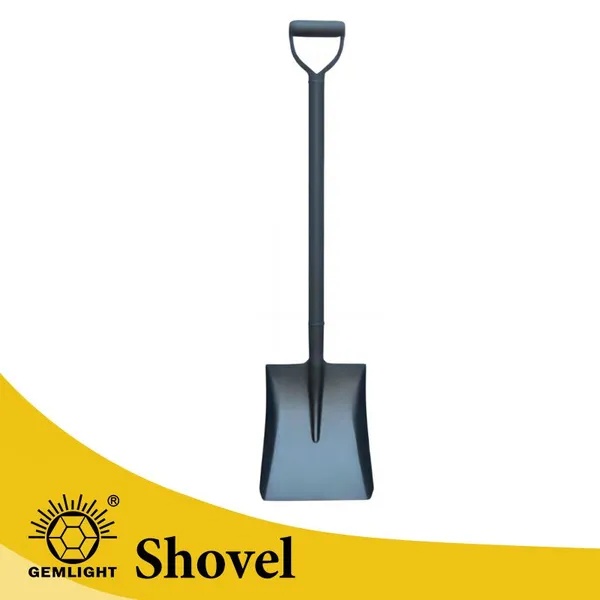
Heavy Duty Manganese Steel Round Point Shovel Garden Digging Shovel With Wooden Handle Agricultural Tool ManufacturerUS$ 2.14 - 2.36MOQ: 1200 Pieces
-
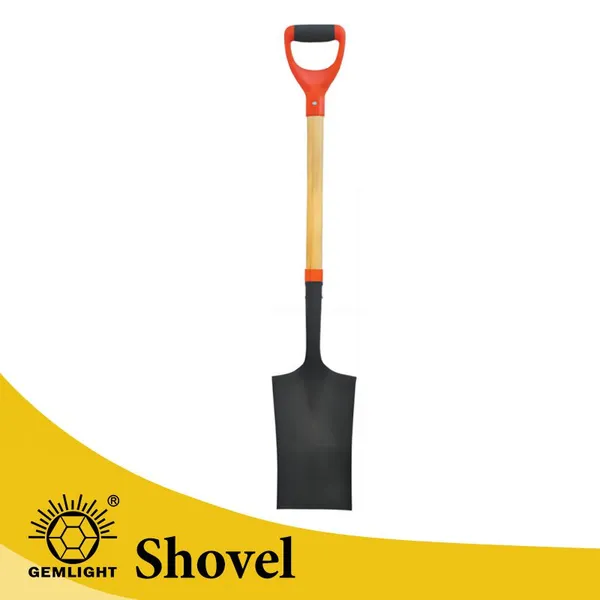
Farm Shovel Factory Supply for Regional Import Distributors Bulk Wholesale Supply for Garden Work and Trenching for Agricultural DealersUS$ 2.14 - 2.36MOQ: 1200 Pieces
-
Heavy Duty Garden Rake for African Importers OEM Factory Supply for Agricultural Use African Market Factory Bulk OrderUS$ 0.88 - 1.35MOQ: 2000 Pieces
-
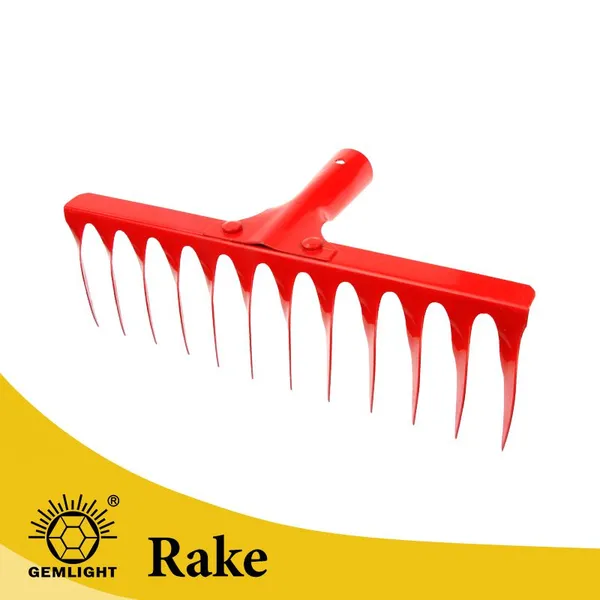
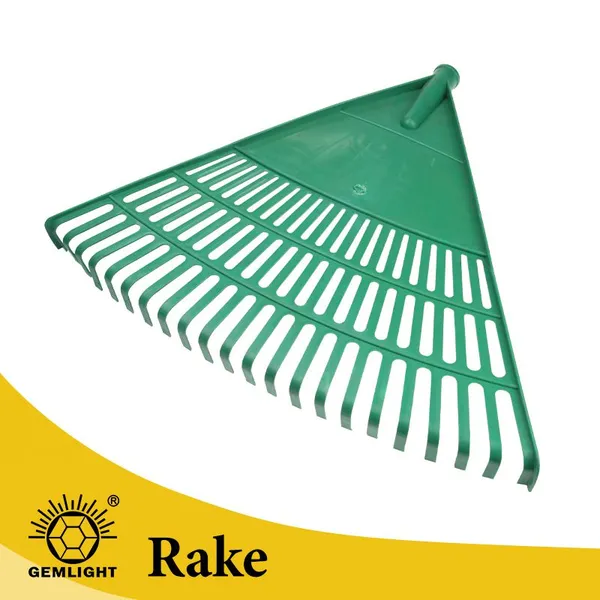
Agricultural Soil Rake for Agricultural Dealers Export Supply for Garden Cleaning African Dealer Channels Factory Bulk OrderUS$ 0.88 - 1.35MOQ: 2000 Pieces
-
Manual Farm Machete for African Importers OEM Factory Supply for Farming and Land Clearing Durable Hand ToolNegotiableMOQ: 1200 Pieces
-
Large Heavy Duty Carbon Steel Garden Landscaping Digging HoeUS$ 1.07 - 1.27MOQ: 1200 Pieces
-
Heavy Duty Rail Steel Mattock Pick Axe With Wooden Handle for Digging Soil Mining and Agricultural Tool SupplierUS$ 1.85 - 2.3MOQ: 1200 Pieces
-
Forged Farm Sickle With Sharp Blade for African Importers OEM Bulk Order Support for Harvesting and Smallholder Farming for WholesalUS$ 0.28 - 0.33MOQ: 3000 Pieces
-
Strong Carbon Steel Farming Sickle for Uganda Tanzania Zambia Agricultural Tool DistributorsUS$ 0.34 - 0.47MOQ: 3000 Pieces